



Explore Our Ceramic Product Categories
Jinghui organizes our advanced ceramic products into four main categories. Each category covers different component types, material options, and manufacturing requirements.
Metallized Ceramics
Ceramic components with metalized surfaces for selected electrical, vacuum, and ceramic-to-metal assembly applications. Our metallized ceramic products mainly use molybdenum-manganese (Mo-Mn) metallization. Components can be developed according to required geometry, metallization areas, and assembly specifications. Explore more
Ceramic Substrates
Ceramic substrates for electronic and electrical components, where electrical insulation, thermal performance, and dimensional requirements need to be considered together. We offer bare and metallized ceramic substrates in selected ceramic materials. Substrate selection depends on thermal requirements, electrical properties, geometry, and metallization design. Explore more
Precision & Industrial Ceramics
Custom precision ceramic components manufactured for mechanical structures, electrical insulation, wear-related functions, and specialized equipment. Products can be produced in different shapes and configurations, with post-sintering machining and dimensional inspection according to drawing requirements and manufacturing feasibility. Explore more
Ceramic Grinding Burrs & Mechanisms
Ceramic grinding components and mechanisms for selected coffee grinding and food-processing equipment. Our product range includes ceramic burrs and related grinding components. Product design and manufacturing requirements can be reviewed according to grinding geometry, assembly structure, dimensions, and operating conditions. Explore more
Browse Ceramic Components by Product Type
Beyond our main product categories, Jinghui manufactures ceramic components in different shapes and configurations. Browse the product types below to find a suitable starting point for your component requirements.
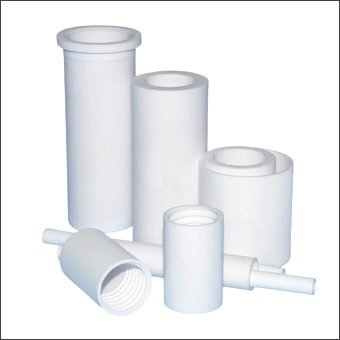
Hollow cylindrical ceramic components available in selected materials and dimensions. Custom tube geometry can be reviewed according to inner diameter, outer diameter, length, wall thickness, and drawing requirements.
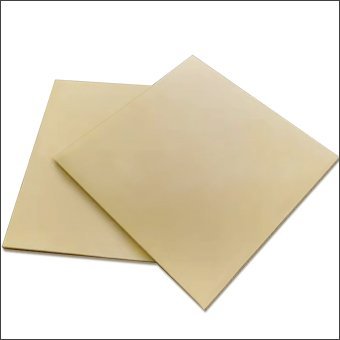
Flat ceramic components for structural, insulating, and substrate-related requirements. Dimensions, thickness, surface finish, and flatness requirements can be specified according to the design.
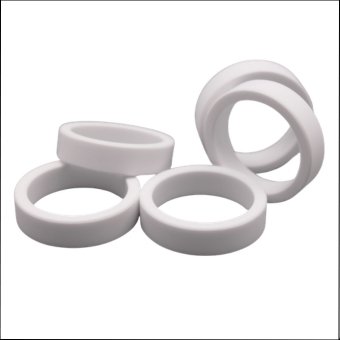
Annular ceramic components with specified inner and outer diameters, thicknesses, and geometric requirements.
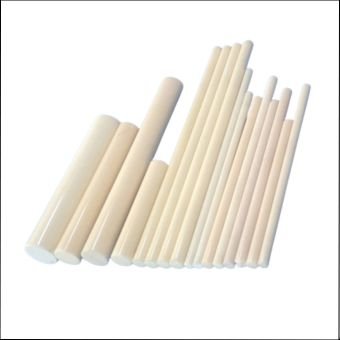
Solid cylindrical ceramic components supplied in selected materials and dimensions. Custom diameters, lengths, and end configurations can be reviewed.
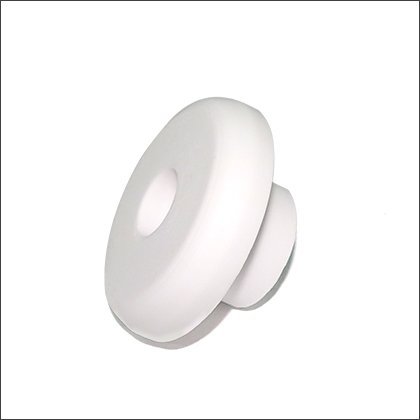
Ceramic bushings designed for selected structural, insulating, and wear-related requirements. Inner and outer diameters, length, and assembly conditions are considered during design review.
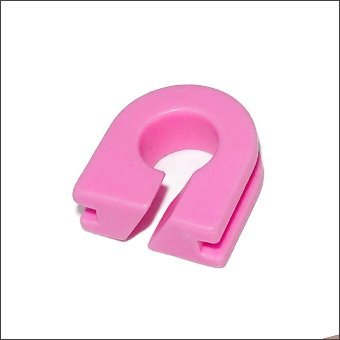
Wear-resistant ceramic components designed for selected textile machinery and yarn-processing equipment. Common product types include ceramic eyelets, guides, and thread-contact components.
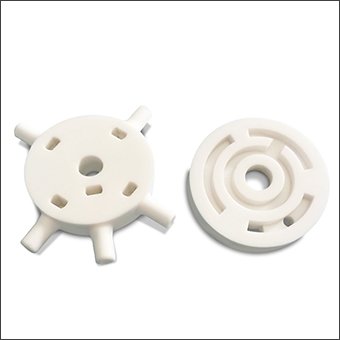
Precision ceramic valve components, including valve discs, plates, and other custom-shaped parts. Material selection, sealing surfaces, dimensional accuracy, and surface finish are evaluated according to valve design and operating conditions.
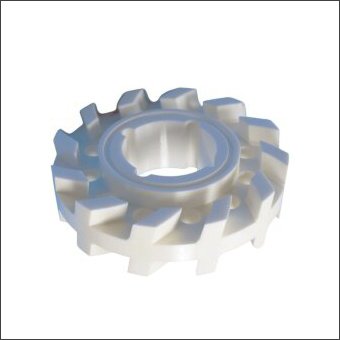
Ceramic parts with steps, grooves, holes, slots, or other non-standard geometries. Manufacturing feasibility depends on material properties, component dimensions, and machining requirements.
Our Ceramic Product Manufacturing Scope
Industrial ceramic components are rarely defined by material alone. Their geometry, dimensions, surface requirements, assembly interfaces, and manufacturing processes all affect the final product. Jinghui reviews custom component requirements based on the following factors:
Product Geometry
We review solid, hollow, cylindrical, flat, stepped, and other feasible component configurations based on drawings and manufacturing requirements.
Dimensions & Tolerances
Key dimensions and tolerances are evaluated according to component geometry, material characteristics, machining methods, and inspection requirements.
Surface & Edge Requirements
Surface finish, chamfers, edge conditions, holes, slots, and other details can be reviewed according to the component design.
Material Selection
Material options are considered according to mechanical, electrical, thermal, and environmental requirements. The suitable material depends on the actual operating conditions.
Metallization & Assembly Requirements
For selected metallized ceramic products, metallization areas and ceramic-to-metal assembly requirements can be reviewed as part of the component design.
Custom Drawings & Prototypes
Customers can submit 2D drawings, 3D models, samples, or preliminary specifications for manufacturing review and quotation.
Ceramic Materials for Different Product Requirements
Jinghui works with selected oxide, nitride, carbide, and composite ceramic materials. Material availability depends on the product type, component geometry, and manufacturing requirements. Common material options include:
-
 Alumina (Al₂O₃)
Used across a wide range of insulating and structural ceramic components.
-
 Zirconia (ZrO₂)
Considered for selected components requiring high fracture toughness and wear resistance.
-
 Silicon Nitride (Si₃N₄)
Considered for components requiring a combination of mechanical strength, toughness, and thermal shock resistance.
-
 Aluminum Nitride (AlN)
Used for ceramic components and substrates where high thermal conductivity and electrical insulation are required.
-
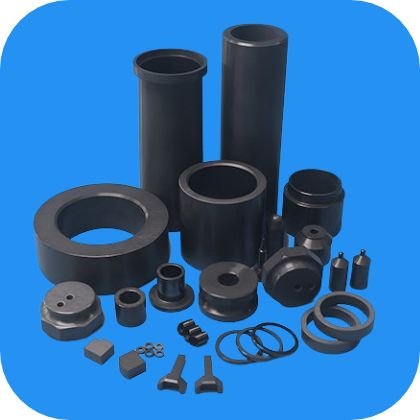 Silicon Carbide (SiC)
Used for selected components requiring hardness, wear resistance, or high-temperature performance.
-
 Boron Nitride (BN)
Available for selected applications requiring electrical insulation and specific thermal or machining characteristics.
Manufacturing & Quality Support
From material preparation to final inspection, ceramic component manufacturing involves multiple processes. The appropriate process route depends on material properties, component geometry, dimensional requirements, and production volume. Jinghui provides manufacturing support in the following areas:

Ceramic components are formed and sintered according to the selected material and product design.

Selected components undergo post-sintering machining to achieve specified dimensions, surface conditions, and geometric requirements.

Mo-Mn metallization and related ceramic-to-metal processing are available for selected product designs.

Inspection requirements can be defined according to drawings and product specifications, including critical dimensions and relevant surface conditions.

Prototype and production requirements are reviewed according to product complexity, process feasibility, and order quantity.
Featured Products
-
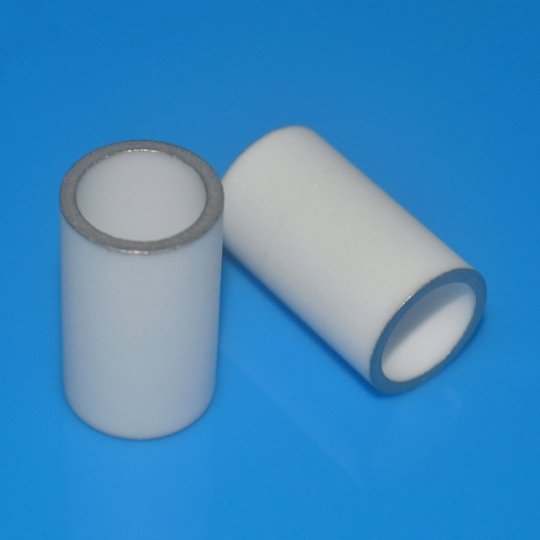
Alumina ceramic tubes with Mo-Mn metallization for selected ceramic-to-metal assembly requirements.
-
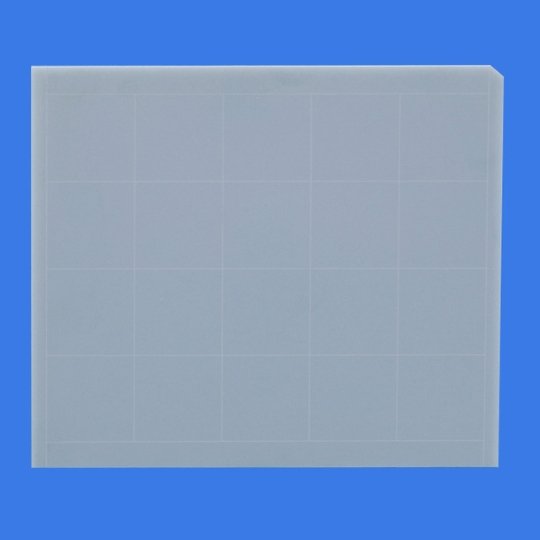
Substrate design and material selection depend on thermal, electrical, and dimensional requirements.
-

Custom ceramic parts manufactured in different geometries for structural, insulating, and wear-related requirements.
-
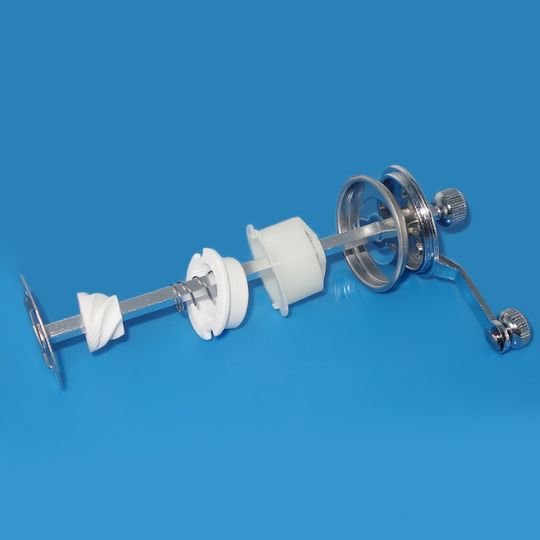
The grinding core is the sole of the salt grinder mechanism because of its extraordinary corrosion resistance.
-

Ceramic pump valve discs are precision ceramic sealing components widely used in water valves, pump systems, fluid control devices, and ceramic sealing assemblies.
-

The General Cordierite Burner Round Plate is a honeycomb ceramic burner component manufactured from high-quality cordierite ceramic.
-
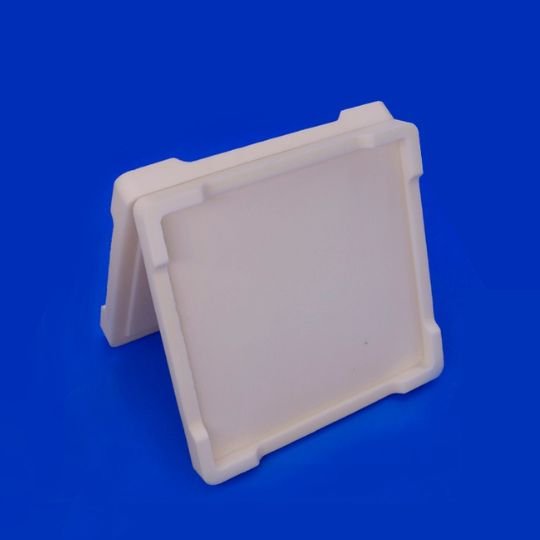
A well-designed ceramic tray does more than carry components through a furnace. Its geometry also affects how parts are arranged, how trays are positioned, and how efficiently the available furnace space can be used.
-

This ceramic eyelet is a commonly stocked product. It maintains the surface roughness of the entire product through a vibratory polishing process. It is directly adopted by multiple customers for various different applications.
Request a Custom Ceramic Component
Jinghui Ceramic focuses on the manufacturing of advanced ceramic components for industrial and specialized engineering requirements.
Our product portfolio covers metallized ceramics, ceramic substrates, precision industrial ceramics, and ceramic grinding components. We work with customers on material selection, component design review, custom manufacturing, and product inspection according to project requirements.
Our goal is to provide practical ceramic component solutions based on engineering drawings, material requirements, and actual operating conditions.
To help us evaluate your project, please provide:
- Product drawing or 3D model
- Preferred ceramic material, if known
- Key dimensions and tolerances
- Surface finish and inspection requirements
- Operating temperature and working environment
- Estimated order quantity
- Special assembly or metallization requirements, if applicable
Send us your requirements to discuss product feasibility and request a quotation.
Our main product categories include metallized ceramics, ceramic substrates, precision and industrial ceramic components, and ceramic grinding burrs. Specific product availability depends on material, geometry, and manufacturing requirements.
Yes. Customers can submit 2D drawings, 3D models, samples, or technical specifications. We review the component structure, material options, dimensions, tolerances, and manufacturing feasibility before quotation.
Useful information includes the component drawing, material or performance requirements, key dimensions and tolerances, surface requirements, operating conditions, and estimated order quantity. A physical sample can also help when drawings are unavailable.
Where technically feasible, alternative materials can be evaluated for the same component design. The comparison should consider mechanical, electrical, thermal, chemical, and operating requirements.
Prototype and production requirements can be reviewed according to component complexity, tooling needs, process feasibility, and expected quantity. The available production route and lead time are confirmed during project evaluation.
Achievable tolerances depend on material properties, component dimensions, geometry, machining processes, and inspection methods. Critical dimensions should be identified on the drawing so that feasibility can be evaluated before production.
Start with the component’s function, geometry, operating conditions, and key technical requirements. You can also send us your drawing or sample for an initial product and manufacturing review.