


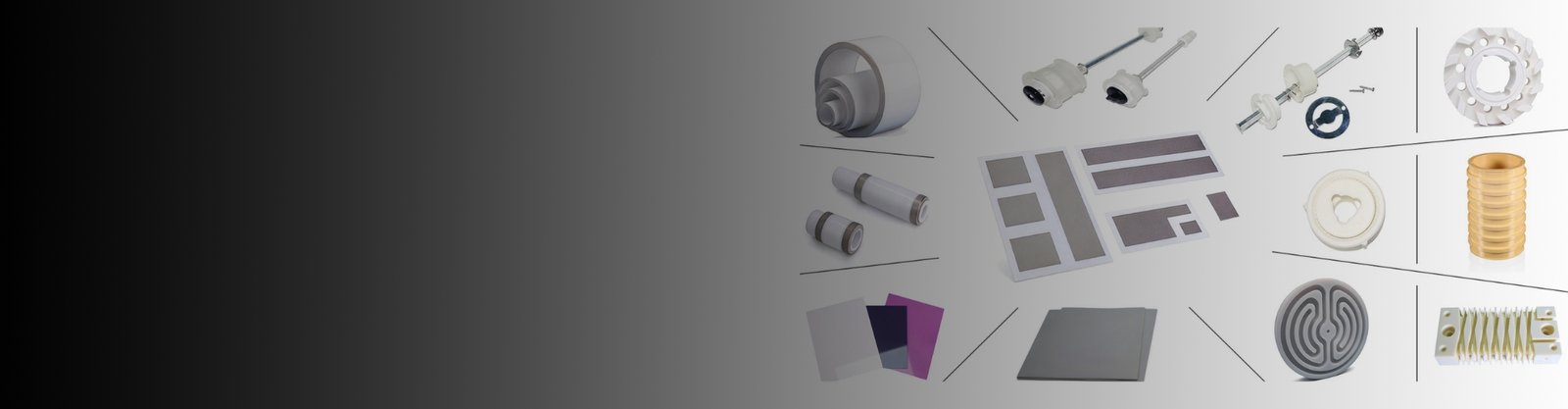
What Advanced Ceramic Materials Do We Manufacture
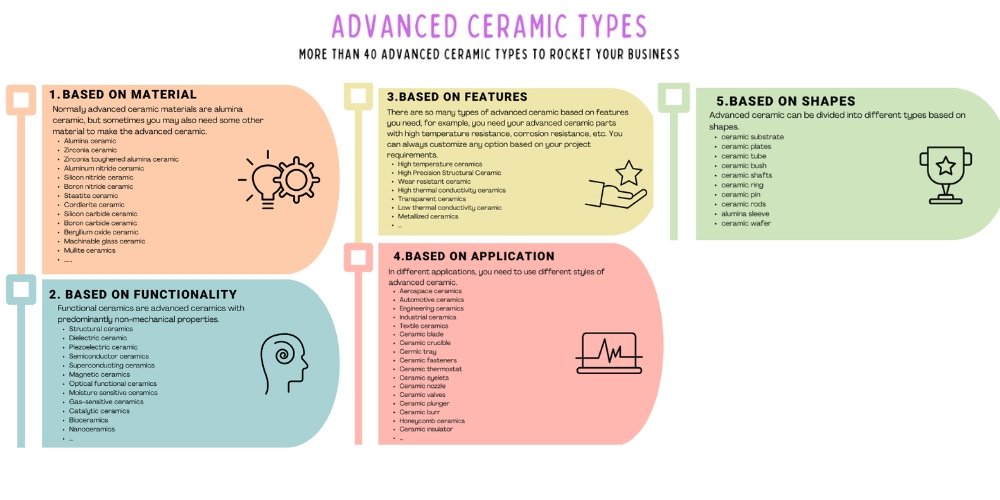
There are many types of advanced ceramics, and the infographic below provides a general overview of the classification of advanced ceramics.
 Jinghui manufactures a wide range of advanced ceramic materials for demanding industrial applications, including alumina, zirconia, aluminum nitride, silicon nitride, silicon carbide, boron nitride, and machinable glass ceramic.
Each material offers a different balance of mechanical strength, wear resistance, thermal conductivity, electrical insulation, corrosion resistance, and fracture toughness. Rather than relying on a single “best” material, engineers select ceramics according to the operating environment and performance requirements.
Our engineering team helps customers choose suitable materials based on application needs, manufacturing feasibility, dimensional tolerance, and cost.
Need help selecting the right ceramic material? Read our industrial ceramic materials selection guide for a detailed engineering comparison.
Explore Our Advanced Ceramic Materials
Every engineering ceramic offers a unique balance of mechanical, thermal, electrical, and chemical properties. Explore our material portfolio to find the best solution for your application.
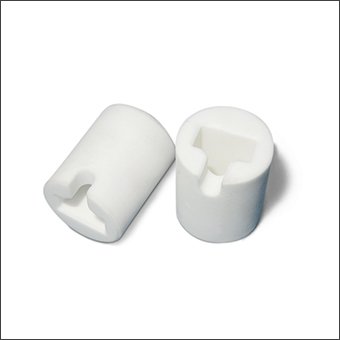
The most widely used engineering ceramic, offering excellent insulation, wear resistance, and cost performance.
Typical Applications
Electrical insulators • Ceramic substrates • Wear parts
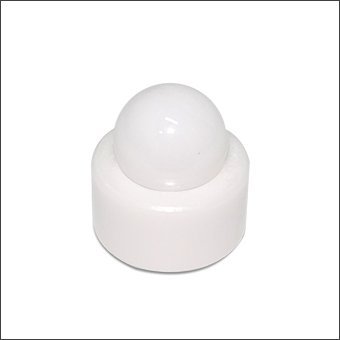
High fracture toughness and wear resistance make zirconia ideal for precision and high-load applications.
Typical Applications
Valve components • Precision wear parts • Medical devices
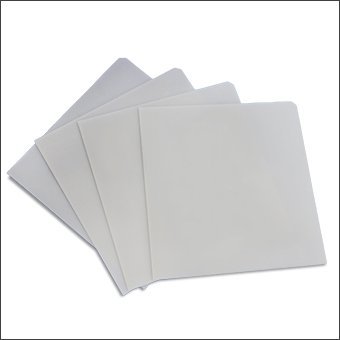
Provides high thermal conductivity with excellent electrical insulation for thermal management.
Typical Applications
Power modules • Electronic substrates • Semiconductor equipment
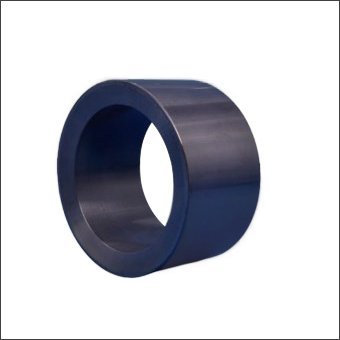
Combines high strength with excellent thermal shock resistance for demanding mechanical applications.
Typical Applications
Ceramic bearings • Structural parts • Automotive components
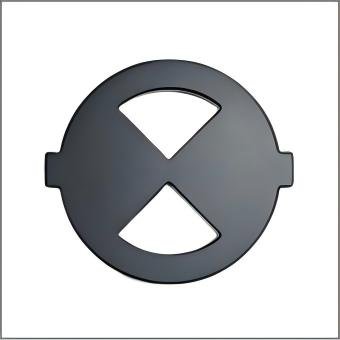
Delivers exceptional hardness, corrosion resistance, and thermal conductivity for harsh environments.
Typical Applications
Mechanical seals • Semiconductor parts • Chemical equipment
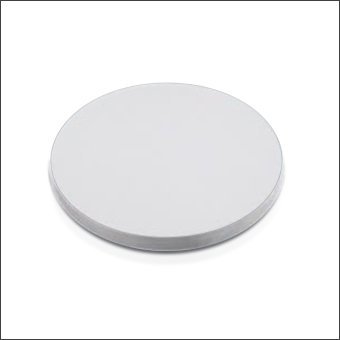
A machinable ceramic with excellent thermal stability, insulation, and chemical resistance.
Typical Applications
Vacuum systems • High-temperature insulation • Molten metal processing
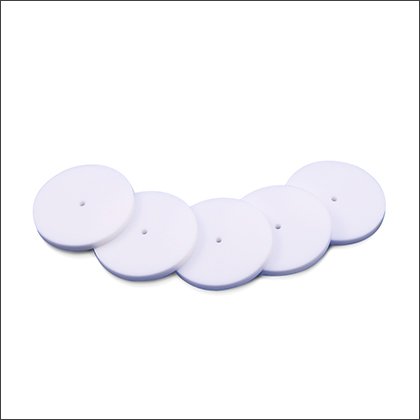
A precision machinable ceramic ideal for rapid prototyping, complex geometries, and low-volume production.
Typical Applications
Vacuum components • Electrical insulators • Custom prototypes
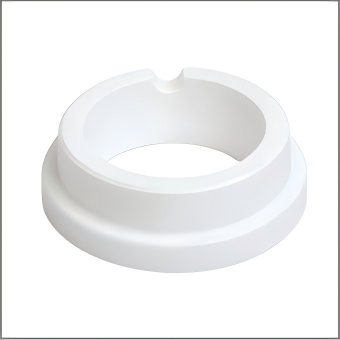
Combines alumina’s hardness with zirconia’s toughness for enhanced wear resistance.
Typical Applications
Seal rings • Valve seats • Wear-resistant components
How to Choose the Right Ceramic Material
Choosing the right ceramic material depends on your application’s operating conditions rather than a single material property. Consider factors such as operating temperature, mechanical load, wear conditions, chemical exposure, electrical requirements, and thermal management before making a selection.
Quick Selection Guide
| If your application requires… | Recommended Material |
|---|---|
| General-purpose insulation and wear resistance | Alumina |
| High fracture toughness and impact resistance | Zirconia |
| Extreme wear and corrosion resistance | Silicon Carbide |
| Dynamic mechanical loading | Silicon Nitride |
| High thermal conductivity with electrical insulation | Aluminum Nitride |
| High-temperature electrical insulation and machinability | Boron Nitride |
| Improved toughness over alumina with excellent wear resistance | ZTA |
Still unsure which material is right for your application? Our engineering team can help you evaluate performance requirements and recommend the most suitable ceramic material. Contact Us
Typical Industrial Applications
Advanced ceramic materials are used in industries that demand superior wear resistance, thermal stability, electrical insulation, corrosion resistance, and long-term reliability.
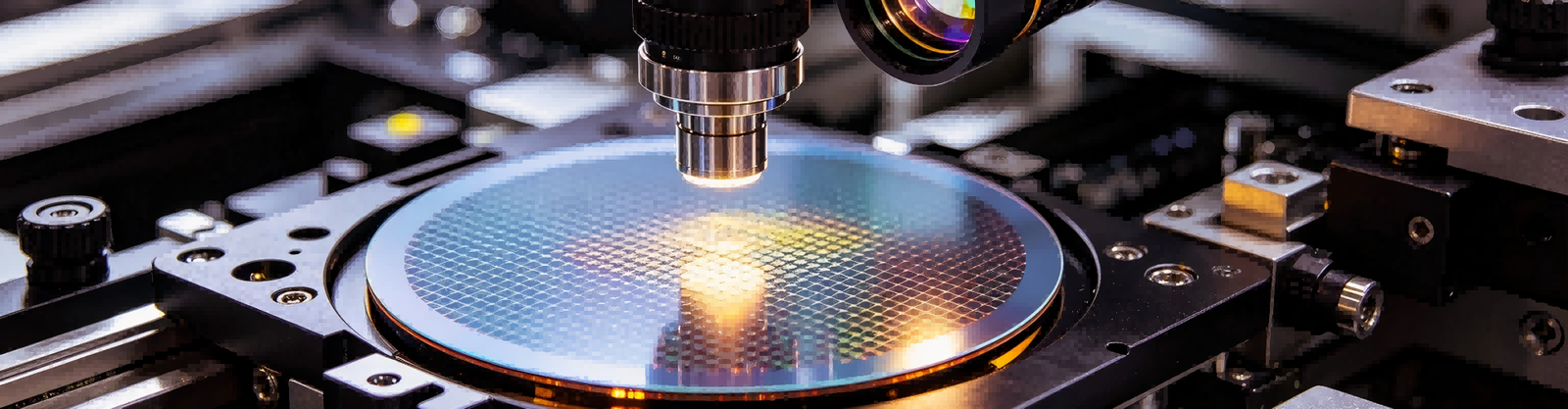
Advanced ceramics provide high purity, plasma resistance, thermal stability, and dimensional accuracy for semiconductor manufacturing.
Common Materials
Al₂O₃ • AlN • SiC

Advanced ceramics combine electrical insulation with efficient heat dissipation for power modules and electronic packaging.
Common Materials
AlN • Si₃N₄ • Al₂O₃

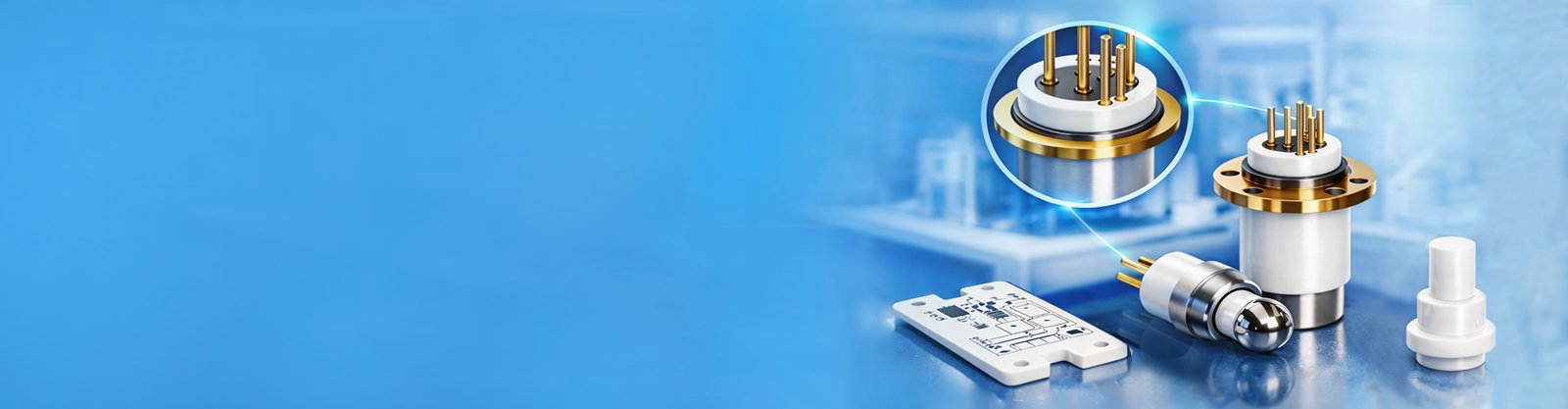
Advanced ceramics deliver excellent electrical insulation, vacuum compatibility, and hermetic reliability in demanding electrical environments.
Common Materials
Al₂O₃ • AlN • BN
Biocompatible ceramics offer excellent wear resistance, chemical stability, and long-term reliability for medical components.
Common Materials
ZrO₂ • Al₂O₃

Advanced ceramics withstand extreme temperatures, wear, and harsh operating conditions while reducing component weight.
Common Materials
Si₃N₄ • SiC • Al₂O₃
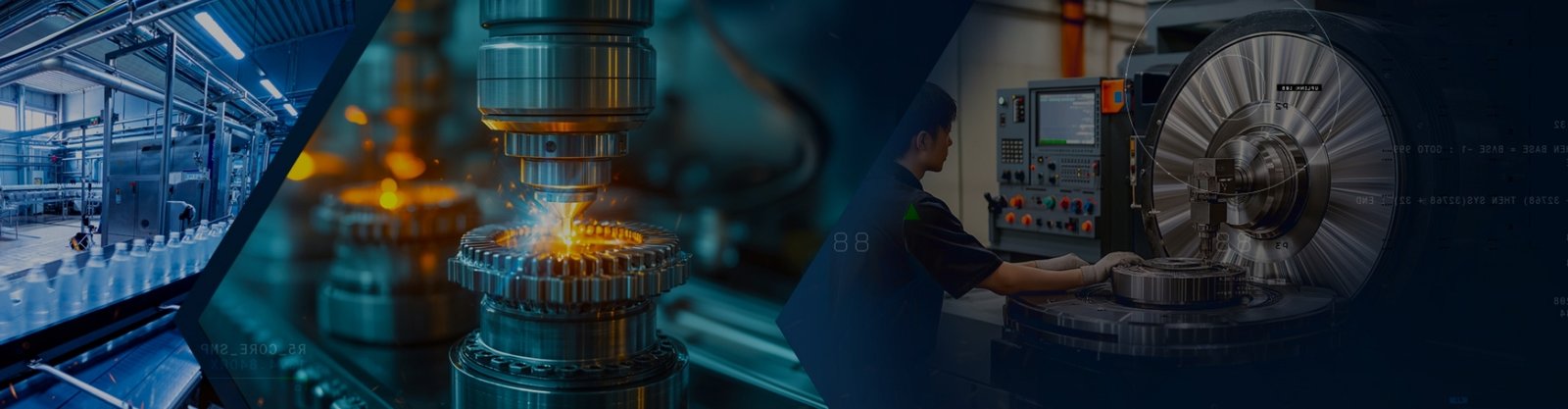
Engineering ceramics improve wear resistance, corrosion resistance, and service life for industrial machinery and processing equipment.
Common Materials
Al₂O₃ • SiC • ZTA • ZrO₂
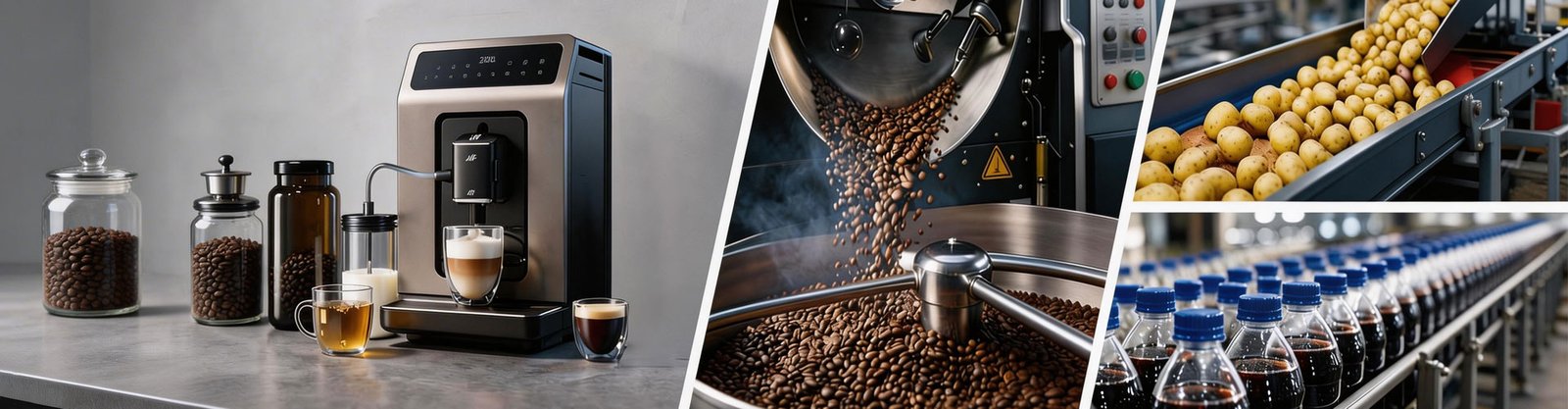
Chemically inert, wear-resistant ceramics help improve hygiene, durability, and product consistency in food processing systems.
Common Materials
Al₂O₃ • ZrO₂
Precision Manufacturing for Advanced Ceramic Components
Selecting the right ceramic material is only the first step. Component performance also depends on manufacturing expertise, precision machining, process control, and quality inspection. At Jinghui, we provide end-to-end manufacturing solutions to help turn material performance into reliable ceramic components.

Dry pressing, isostatic pressing, ceramic injection molding, extrusion, and tape casting for components of various sizes and geometries.

CNC machining, grinding, lapping, polishing, laser cutting, drilling, and threading for tight tolerances and complex designs.

Mo-Mn metallization, nickel plating, brazing, and ceramic-to-metal assemblies for electronic and vacuum applications.

Comprehensive manufacturing capabilities covering alumina, zirconia, silicon carbide, silicon nitride, aluminum nitride, boron nitride, and ZTA ceramics.

Strict dimensional inspection and process control ensure consistent product quality from prototypes to mass production.

From material selection to design optimization and manufacturing, our engineering team helps develop ceramic solutions tailored to your application.
Alumina is the most widely used engineering ceramic due to its balance of cost, electrical insulation, wear resistance, and manufacturing versatility.
Aluminum nitride provides excellent thermal conductivity while maintaining electrical insulation, making it ideal for power electronics and semiconductor applications.
The best choice depends on the operating conditions. Alumina, silicon carbide, and ZTA are commonly selected for wear-resistant components.
Material selection depends on operating temperature, mechanical load, wear conditions, corrosion exposure, electrical requirements, and cost. Our engineers can help evaluate your application.
Yes. We provide custom manufacturing services, including material selection, precision machining, metallization, ceramic-to-metal joining, and quality inspection.