


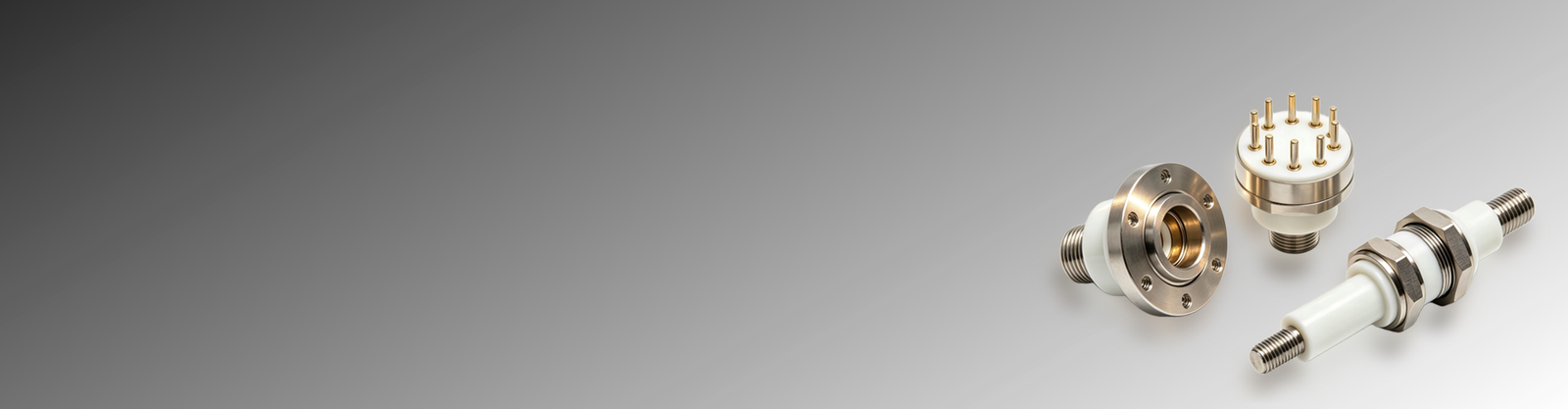
Overview of Ceramic Feedthroughs
What is a Ceramic Feedthrough
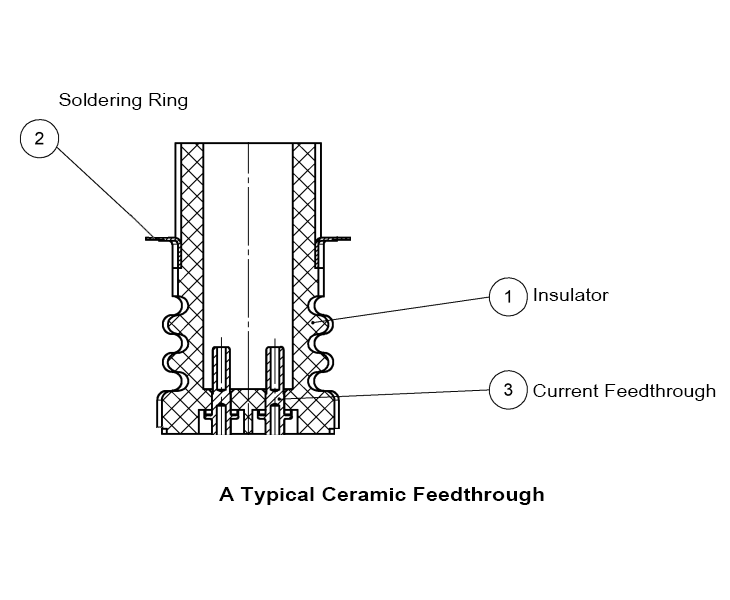
A ceramic feedthrough is a structural component used to transmit electrical signals or current in a sealed environment. It is typically composed of a combination of ceramic and metal, and is used to establish a connection between different media while maintaining a sealed interface.
Why Performance Matters in Real Applications
In a real application, ceramic feedthroughs must not only allow current to flow, but also maintain stable isolation between different electric potentials, while preventing gas or dielectric leakage. This is why electrical conduction, electrical insulation, and hermetic sealing need to be satisfied simultaneously, rather than considered individually.
Under specific operating conditions, these requirements often overlap. For example, in vacuum systems, it’s necessary to minimize leakage risk; under high voltage conditions, long-term stable insulation performance is required; and in environments with significant fluctuations in temperature or mechanical loads, the connection between ceramic and metal must remain reliable. Many problems don’t stem from the materials themselves, but rather from interface or structural design.
An Integrated Ceramic-to-Metal Solution
We focus on the overall implementation rather than a single material or process. We offer fully integrated ceramic-to-metal feedthrough solutions, from ceramic body production to metallization and brazing processes, forming stable and reliable connections. Our experience in metallized ceramics enables us to develop reliable interfaces between ceramic components and metal conductors.
Engineering Guide: How to Design Reliable Vacuum Feedthroughs
Designing a reliable feedthrough requires careful consideration of ceramic materials, sealing structures, electrical requirements, and operating conditions. For a deeper understanding of these factors, see our vacuum feedthrough design guide.
Typical Applications of Ceramic Feedthroughs
Ceramic feedthroughs are widely used in environments requiring both electrical connection and sealing. They provide stable signal and current transmission under vacuum, high voltage, and complex operating conditions, while maintaining the system’s sealing and reliability.
-
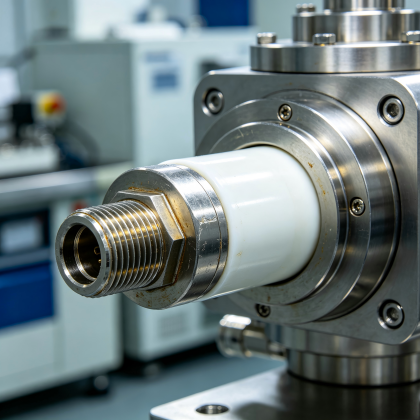 Vacuum Systems
Used for electrical connections in vacuum chambers. Maintains a low leakage rate. Suitable for laboratory and industrial vacuum equipment.
-
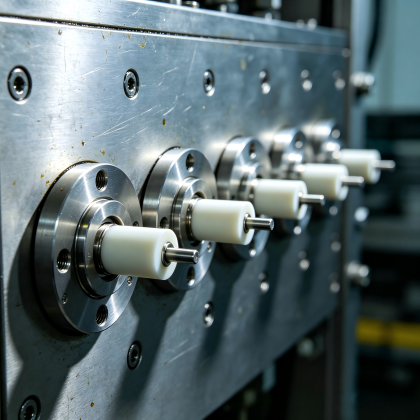 Semiconductor Equipment
Used in semiconductor process equipment. Enables stable electrical connections and meets cleanliness and high reliability requirements.
-
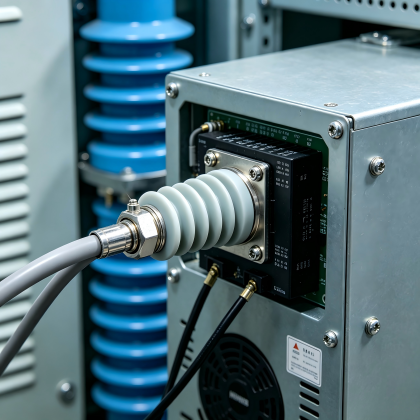 High Voltage Equipment
Used for electrical connections in high-voltage systems. Ensures reliable insulation to prevent breakdown and electrical failure.
-
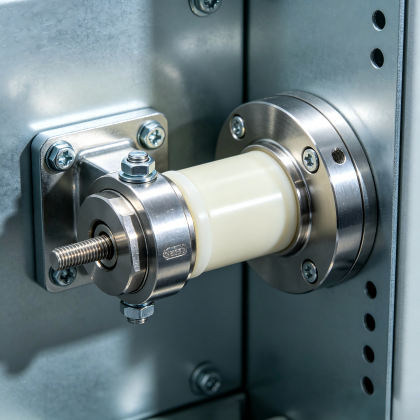 Energy & Battery Systems
Used in energy storage and testing equipment. Maintains stable current transmission and adapts to cyclic operating conditions.
-
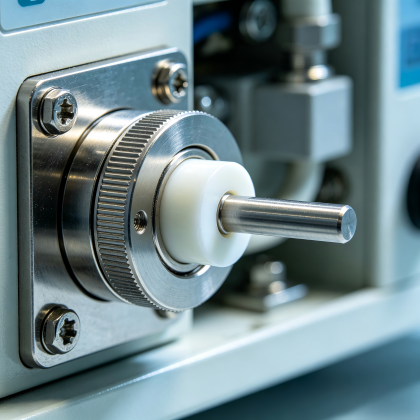 Medical Devices
Used for internal electrical connections in medical devices. Ensures secure sealing and long-term operational stability.
Product Types of Ceramic Feedthroughs
Ceramic feedthroughs come in a variety of configurations, which are primarily distinguished based on electrical requirements and installation methods. Different types are suited for different operating conditions, and no single configuration can cover all applications. When selecting a feedthrough, one typically considers current and voltage first, followed by available space and interface type.
-
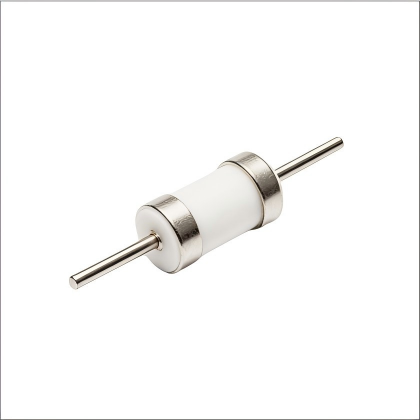 Single-pin Feedthrough
Suitable for single-path electrical connections. Commonly found in simple power or signal leads.
-
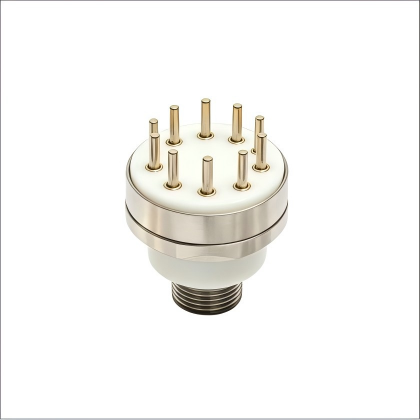 Multi-pin Feedthrough
Suitable for multi-signal or multi-circuit connections. Used in systems with complex interfaces.
-
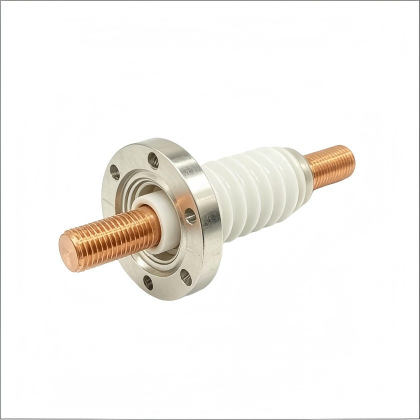 High-current Feedthrough
Suitable for high current transmission scenarios, such as power supply equipment or power systems.
-
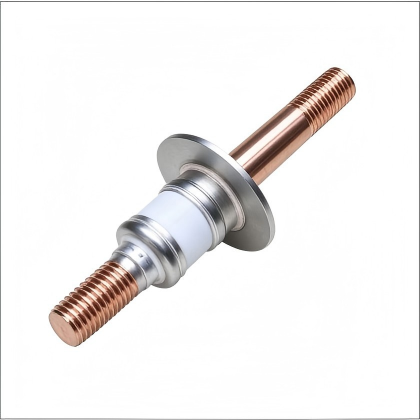 High-voltage Feedthrough
Suitable for high-voltage environments and for equipment requiring stable insulation.
-
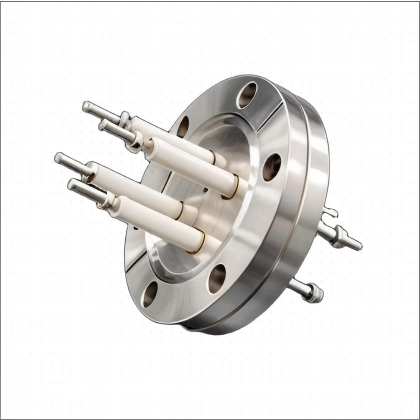 Flanged Feedthrough
Suitable for applications requiring flange mounting. Commonly found in vacuum or sealed systems.
Key Features of Ceramic Feedthroughs
In real applications, the performance of ceramic feedthroughs depends not only on the material itself but also on the structural design and connection method. The following characteristics better reflect their actual performance under complex working conditions.

1. Vacuum Sealing Performance
Minimizes leakage risks in high-reliability systems.
2. Stable Insulation Under High Voltage
Reduces the risk of electrical breakdown during operation.
3. Robust Ceramic-to-Metal Bonding
Ensures mechanical stability over long service cycles.
4. Flexible Customization Options
Adapts to different pin layouts and sealing requirements.
Technical Approach for Ceramic Feedthroughs
A ceramic feedthrough is not a combination of individual components, but a holistic solution involving materials, structure, and connection methods. Actual performance often depends on the compatibility of each component, rather than a single process. Our focus is on integrating these elements to form a stable and reliable connection structure.
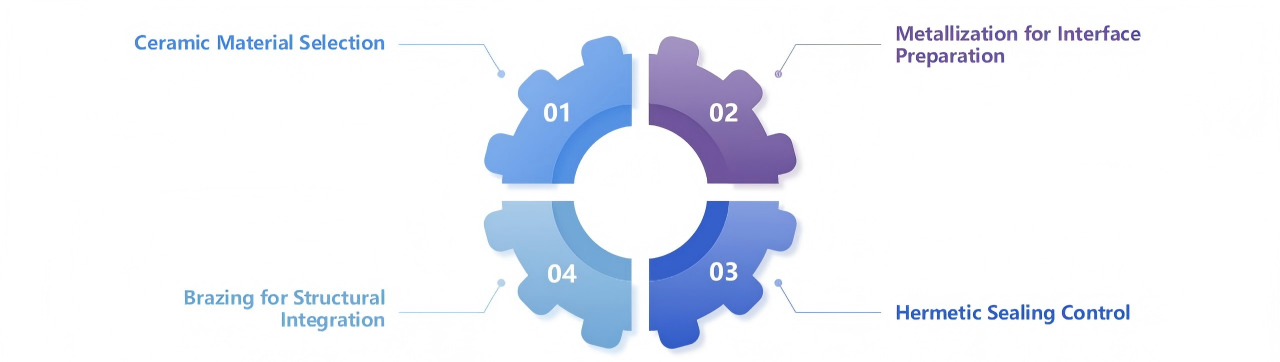
1. Ceramic Material Selection
Select the appropriate ceramic material, such as alumina or aluminum nitride, based on the application to meet requirements for electrical insulation, thermal conductivity, or mechanical strength.
2. Metallization for Interface Preparation
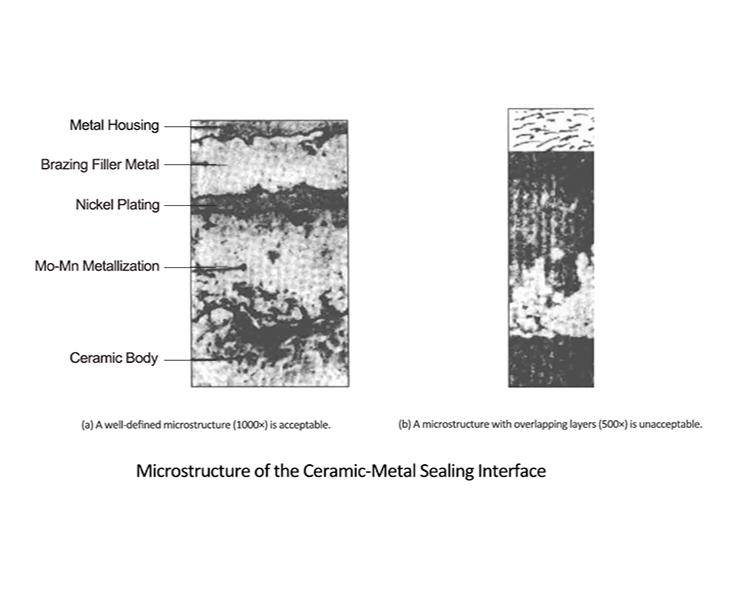
Metallization creates a conductive interface on the ceramic surface, allowing reliable bonding with metal components. For ceramic materials such as alumina, the Mo-Mn metallization process is commonly used to prepare the surface for subsequent joining.
3. Brazing for Structural Integration
Brazing connects ceramic and metal components, providing mechanical strength and electrical continuity. Our ceramic-to-metal brazing technology is optimized for reliable joining of different materials in demanding applications.
4. Hermetic Sealing Control
Through interface control and structural design, we ensure a stable hermetic seal and minimize the risk of leakage.
Key Performance Parameters
The following are typical performance parameters for ceramic feedthroughs. They can be used as a reference for design and selection.
| Parameter | Typical Value | Notes |
| Hermeticity | ≤ 1×10⁻⁹ mbar·L/s | Measured by helium leak test |
| Insulation Resistance | ≥ 1012 Ω | Under standard test conditions |
| Breakdown Voltage | up to 30 kV | Depends on pin spacing and ceramic thickness |
| Operating Temperature | up to 500 ℃ | Depends on material and brazing system |
| Current Capacity | up to 200 A | Depends on conductor material and cross-section |
Note: Typical values are provided for reference only. Actual performance may vary depending on material selection, structural design, and application conditions. Reliability evaluation, including leak testing and electrical testing, can be performed according to project requirements.
Custom Feedthrough Design Options
There are typically no standard ceramic feedthroughs available. They must be designed based on specific operating conditions. Requirements for structure and materials vary depending on voltage, current, and mounting method.
If you have specific drawings or operating condition information, please provide them during our initial discussions so that we can confirm the design direction more quickly.

Options include Kovar, stainless steel, and other materials to match different thermal expansion and conductivity requirements.

Supports adjustment of pin number, arrangement, and spacing to adapt to different circuit and space layouts.

Available in tube, plate, or custom shapes to meet various installation and structural requirements.

Supports a variety of flange types and connection interfaces to facilitate integration with system structures.

The design can be adjusted to meet specific requirements based on operating conditions such as vacuum or high voltage.
Integrated Metallization and Brazing Capabilities
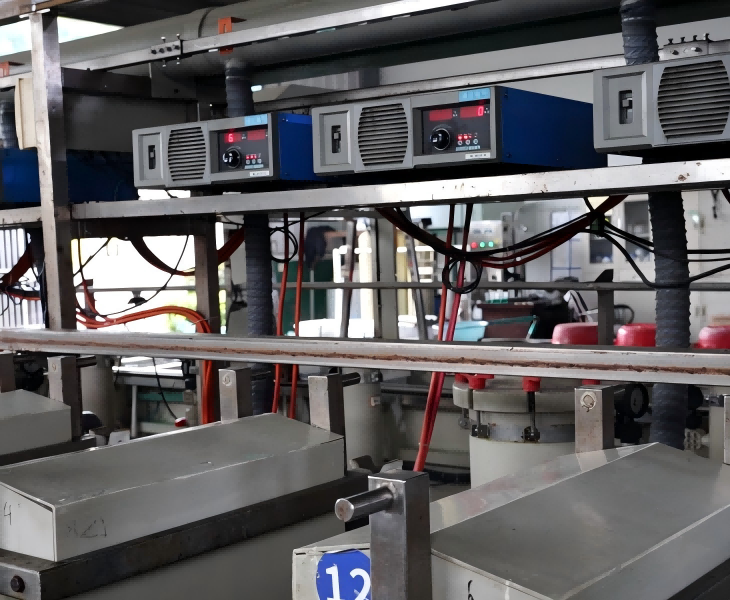
We operate our own in-house production lines for ceramic metallization and brazing, enabling us to complete critical processes internally. This ensures more stable interface control and reduces the uncertainties associated with outsourcing. We can tailor connection solutions to accommodate different materials and structures, which helps ensure greater consistency.
Accumulated Experience in Hermetic Sealing
We have extensive experience in handling hermetic sealing projects, covering vacuum and high-reliability applications. We are familiar with leakage testing methods and acceptance criteria, and have practical experience with common failure points. We are able to proactively mitigate risks throughout the design phase.
From Prototyping to Mass Production Capabilities
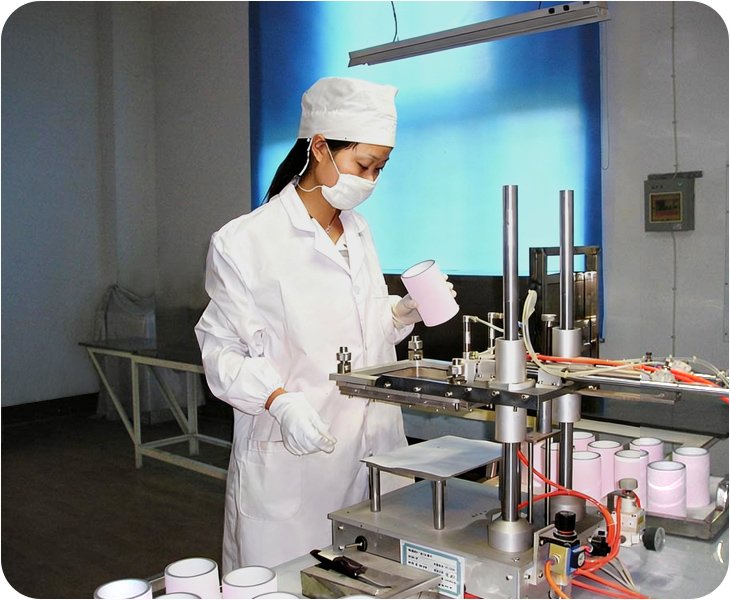
We support small-batch prototyping and can also handle stable mass production. During the prototyping phase, we can quickly validate structural design and parameters. In the mass production phase, we focus on consistency and process control. Delivery schedules are more predictable.
Application-Oriented Design Support
We actively participate in early-stage design discussions rather than simply following provided drawings. We offer structural suggestions based on voltage, current, and installation methods. When necessary, we adjust dimensions and layouts. Our goal is to make the design easier to implement.
We can design hermetic structures tailored to specific application requirements. Our standard products achieve a leakage rate of ≤1×10⁻⁹ mbar·L/s (helium leak testing).
The actual performance depends on the structure, materials, and operating conditions. For critical projects, we recommend confirming performance criteria during the design phase.
Voltage ratings are not fixed values and typically range from several thousand volts to tens of thousands of volts. The specific rating depends on the pin spacing, ceramic thickness, and structural design. We recommend providing details of the actual operating conditions so we can assess a more accurate range.
Yes. Ceramic feedthroughs are commonly used for electrical connections in vacuum systems. With proper design and sealing control, they can meet high-vacuum requirements and even higher standards. The specific grade required must be determined based on the application.
For ceramic feedthroughs, commonly used ceramic materials include alumina and aluminum nitride. Alumina is more versatile and has a more stable cost; aluminum nitride is suitable for applications requiring thermal conductivity. The pin material is typically Kovar or stainless steel, depending on specific requirements.
Yes. Most ceramic feedthroughs need to be designed according to the specific application. They can be customized based on voltage, current, dimensions, and mounting method. It would be helpful if you could provide drawings or details about the operating conditions.
Related Ceramic Solutions
-
Metallized Ceramics
Provides a reliable ceramic surface for metal joining, brazing, and hermetic applications.
-
Ceramic-to-Metal Brazing
Enables strong and stable connections between ceramic and metal components for demanding applications.
-
High Voltage Ceramic Insulators
Designed for electrical insulation in high voltage systems and harsh operating environments.
-
Metallized Ceramic Tubes
Suitable for tubular structures requiring electrical insulation, metal joining, and sealing performance.