


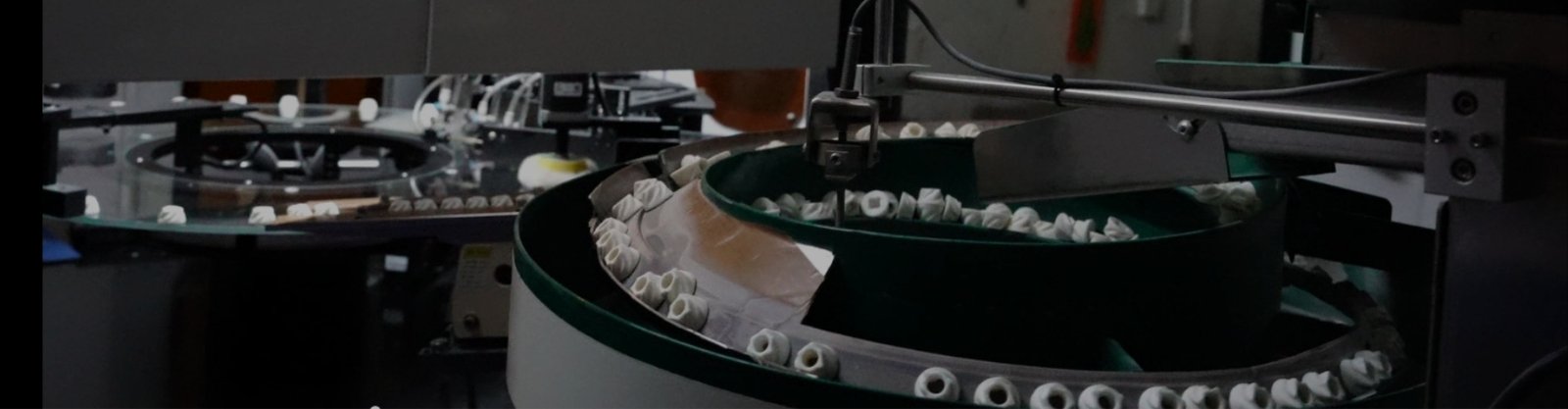
Introduction
Ceramic burrs are precision-engineered grinding components widely used in coffee grinders, spice mills, and salt grinders. They are designed to deliver consistent particle size, long service life, and food-safe operation.
Compared to metal burrs, ceramic burrs offer superior wear resistance, lower heat generation, and neutral taste performance, making them ideal for both consumer and industrial grinding applications.
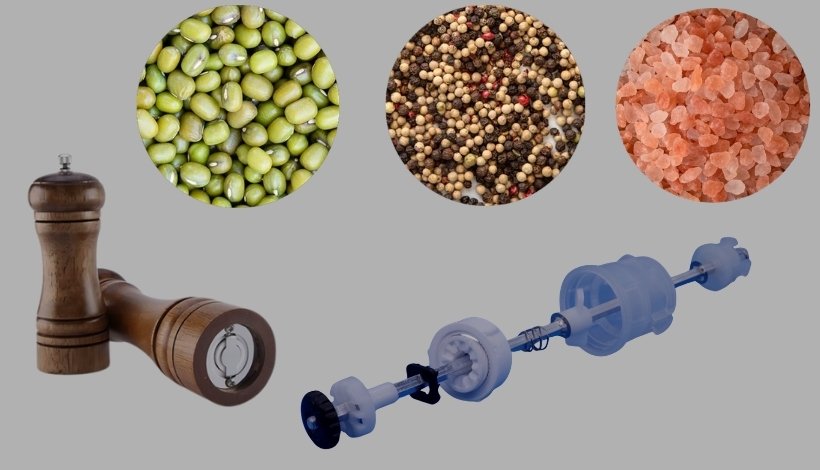
Ceramic Burrs vs Steel Burr for Grinding Technology
In grinding applications, consistency and durability are critical factors. Ceramic burrs provide a reliable solution for both.
| Feature | Ceramic Burr | Steel Burr |
|---|---|---|
| Wear Resistance | Excellent | Medium |
| Heat Generation | Low | High |
| Corrosion Resistance | Excellent | Moderate |
| Taste Impact | Neutral | Possible |
| Lifespan | Long | Shorter |
Conclusion: Ceramic burrs deliver more stable grinding performance and longer service life.
Grinding Mechanism
Grinding with ceramic burrs involves a combination of crushing, shearing, and friction.
Due to their high hardness, ceramic burrs maintain sharp edges for a longer time, ensuring consistent particle size distribution.
Engineering Insight: Grinding consistency directly affects flavor extraction and product quality.
Key Performance Parameters and Design Considerations
Currently, customers mainly have two needs for ceramic grinding core materials: alumina and steatite ceramic.
Alumina ceramic is the most commonly used material, offering high hardness, and good wear resistance. Steatite ceramic is a major alternative to low-cost solutions, but has low mechanical strength and is often used in disposable grinders.

Ensures stable grinding results and consistent product quality.


Ceramic materials are chemically inert and suitable for food-contact applications.

Directly affects grinding efficiency and particle size distribution.

Allows control of grind size for different applications.

Popular Ceramic Grinding Technology
We provide complete ceramics grinding solutions, some common ceramic grinding technologies are listed below, which we will discuss and learn in detail in separate articles.
-
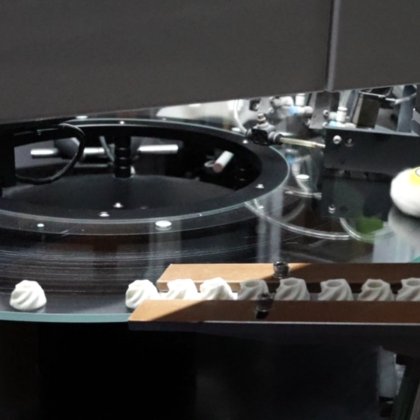 Ceramic vs Steel Grinding Burr
 -
How Ceramic Grinding Mechanisms Work
-
Grinding Consistency Engineering
-
Adjustable Grinding Mechanisms
-
Corrosion Resistance of Ceramic Burrs
-
Salt & Pepper Grinder Design
-
Coffee Grinder Burr Geometry
-
OEM Grinder Mechanism Development
-
Food Safety of Ceramic Burrs
Ceramic Burr Grinding Applications
-
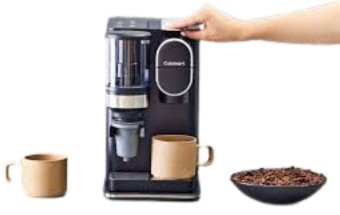 Coffee Grinders
Ensures uniform grinding for consistent coffee extraction.
-
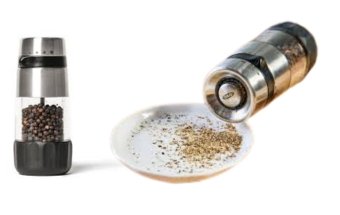 Pepper Mills
Provides efficient grinding with long-lasting performance.
-
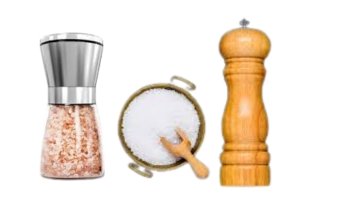 Salt Grinders
Resistant to corrosion and suitable for coarse salt grinding.
-
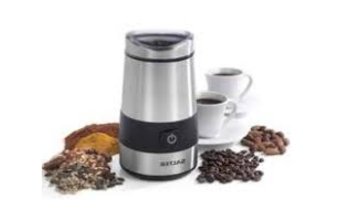 Spice Grinders
Maintains flavor purity without contamination.
Cost Considerations
The cost of ceramic burrs depends on material type, geometry complexity, precision requirements, and production volume.
Engineering Insight: Higher precision and tighter tolerance increase manufacturing cost but improve performance.
Manufacturing Capabilities
We provide complete ceramic burr solutions including:
- Custom burr design and development
- OEM and ODM support
- High-precision grinding
- Food-grade material compliance
- Mass production capability
Ceramic burrs are a key technology for achieving consistent, durable, and food-safe grinding performance.
With advanced materials, precision manufacturing, and optimized design, ceramic burrs provide reliable solutions for a wide range of grinding applications.
Contact us to develop a customized ceramic burr solution for your products.
Ceramic burrs generally offer better wear resistance, lower heat generation, and more stable grinding performance compared to steel burrs. While steel burrs may provide faster grinding in some cases, ceramic burrs are preferred for applications requiring long lifespan and consistent particle size.
Ceramic burrs are chemically inert and do not react with food materials. This ensures that the original flavor of coffee beans, spices, or salt is preserved without metallic contamination.
Ceramic burrs typically last significantly longer than metal burrs due to their superior hardness and wear resistance. The exact lifespan depends on usage conditions, but they can maintain performance over extended periods with minimal wear.
Yes, ceramic materials used in burrs are chemically stable, non-toxic, and suitable for food-contact applications. They meet food safety requirements and are widely used in food processing equipment.
Yes, ceramic burrs can be fully customized in terms of material, size, tooth geometry, and performance requirements. Engineering optimization is often provided to meet specific grinding applications.