


Overview
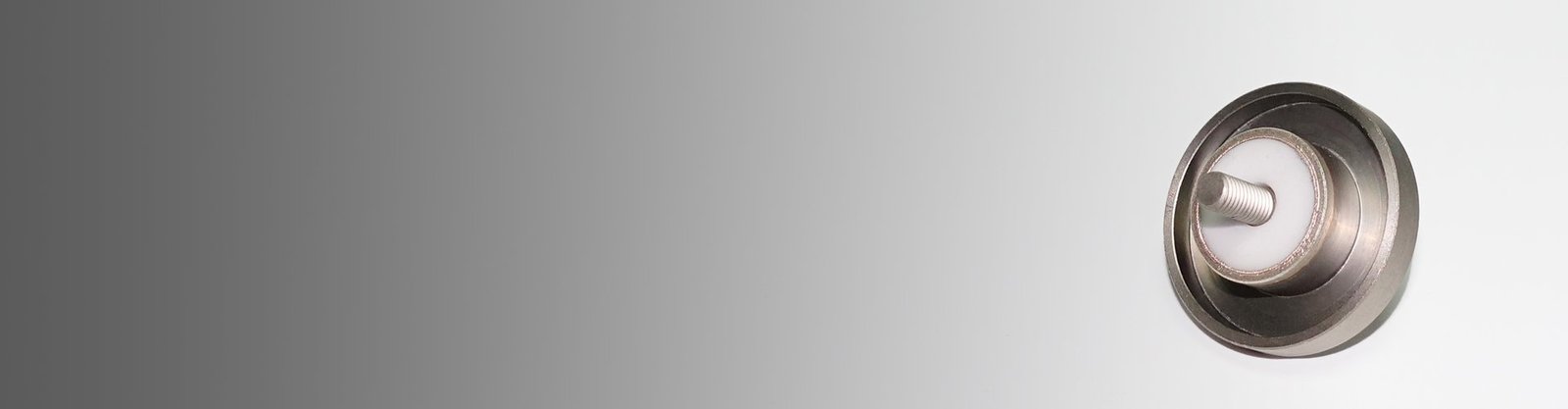
Jinghui manufactures custom metallized ceramic components for applications that require electrical insulation together with a reliable conductive or joining interface.
Our core capability includes ceramic forming and sintering, precision machining, Mo-Mn metallization, nickel plating and ceramic-to-metal brazing. We work with alumina and selected AlN, zirconia and other ceramic materials according to component design and application requirements.
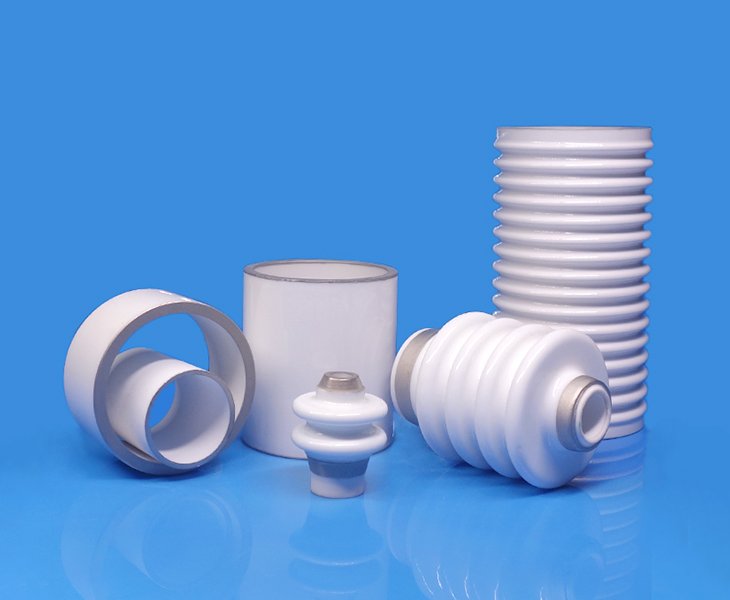
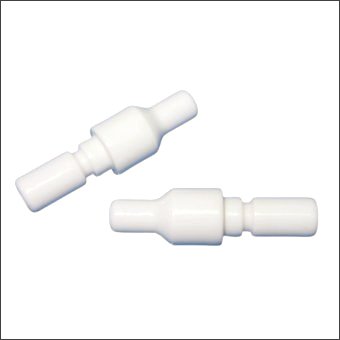
Typical products include metallized ceramic tubes, rings, plates, discs, cylinders, substrates and custom structural components for vacuum, high-voltage, electronic and industrial equipment.
Expert Metallized Ceramics Factory in China
If you’re looking for a manufacturer capable of producing high-quality metallized ceramic components or hermetic ceramic-to-metal assemblies, you’ve come to the right place.
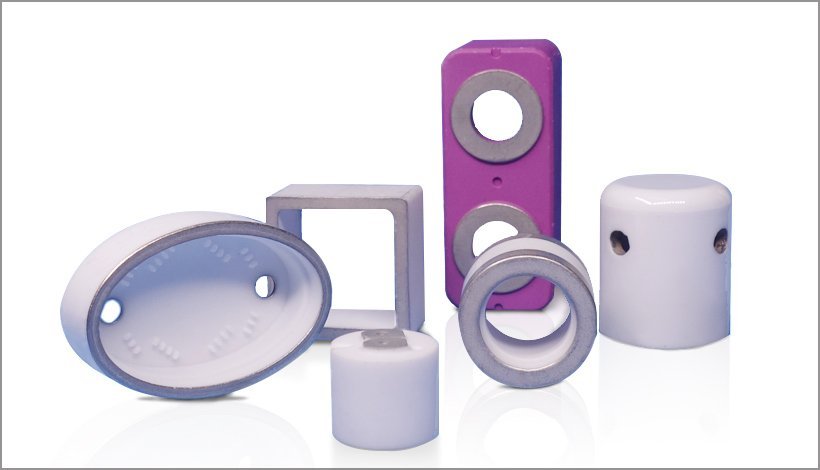
Since 2008, Jinghui has been specializing in the production of custom metallized ceramics. We possess in-house metallization capabilities, allowing us to apply ceramic metallization technology to flat, cylindrical, and various complex-shaped ceramic parts according to your requirements.
The ceramic material should be selected according to the electrical, thermal, mechanical and dimensional requirements of the final component.
| Material | Typical Selection Consideration |
|---|---|
| Alumina (Al₂O₃) | Electrical insulation, dimensional stability and general metallized ceramic applications |
| Aluminum Nitride (AlN) | Higher thermal conductivity where thermal management is important |
| Zirconia (ZrO₂) | Higher fracture toughness for selected structural applications |
Material selection should be confirmed together with metallization, joining method and operating conditions rather than based on one material property alone.
Please feel free to contact us to discuss potential collaborations.
Our Metallized Ceramic Products
We manufacture metallized ceramic components in different shapes and configurations. Metallization can be applied to selected ceramic surfaces according to the electrical, mechanical and joining requirements of the final assembly.
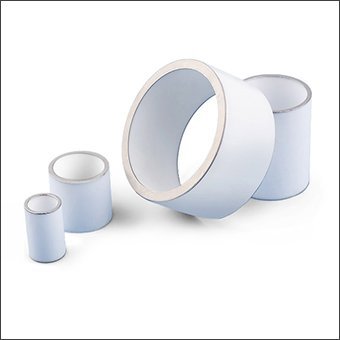
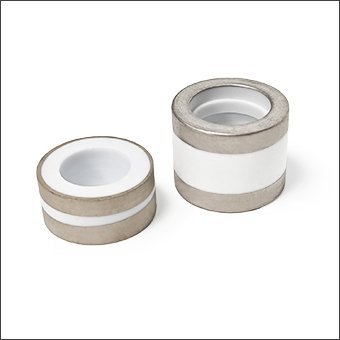
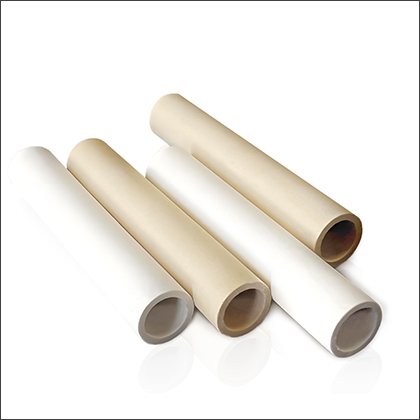
Tubes are the most common form of ceramic metallized parts, generally with both ends metallized.
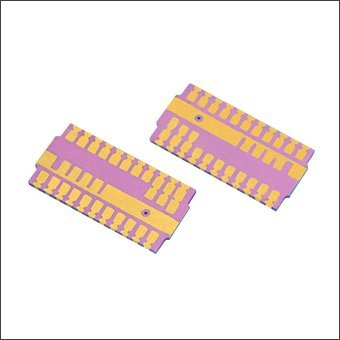
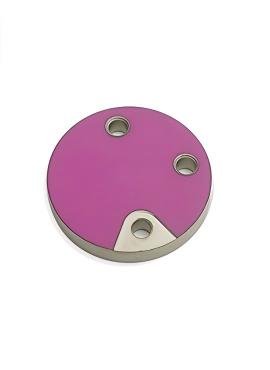
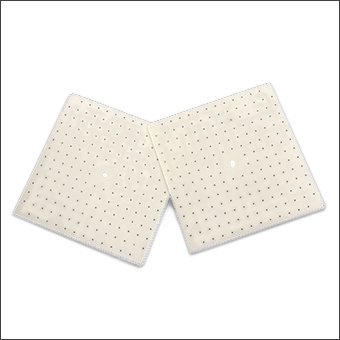
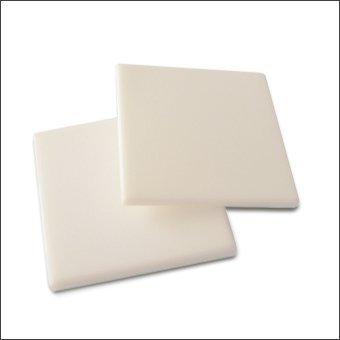
A customized metallization pattern on ceramic plates is typically used as an electrical conductor.
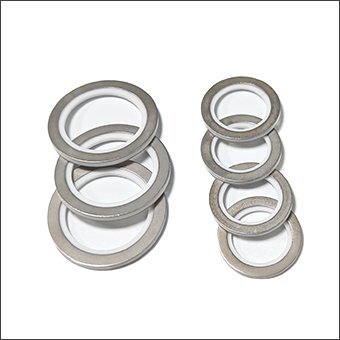
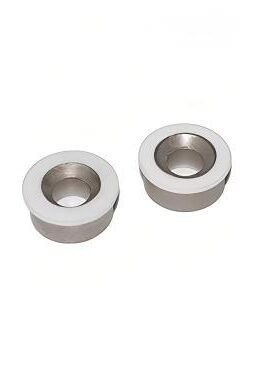
Metallized ceramic rings used as electrical insulators are usually made from 95% or 99% alumina.
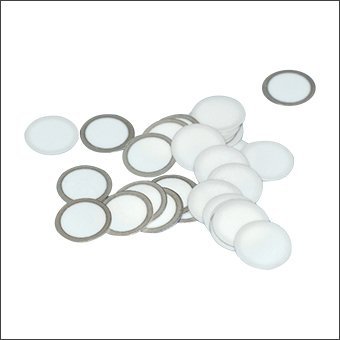
It leverages the excellent vacuum hermeticity achieved by brazing ceramics and metals.
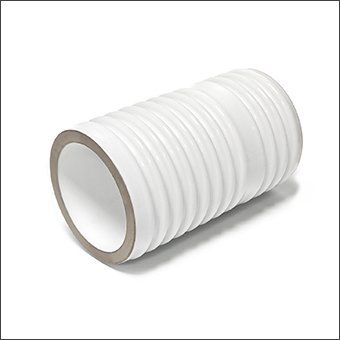
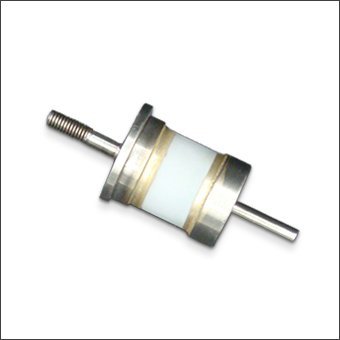
These ceramic cylinders are used in high-voltage, high-current applications or in applications requiring vacuum hermeticity.
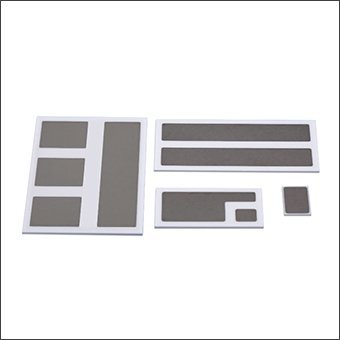
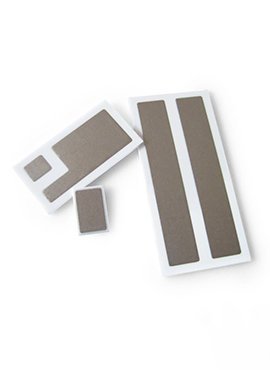
Various simple or complex patterns can be silk-screened onto ceramic substrates, primarily used as PCB bases.
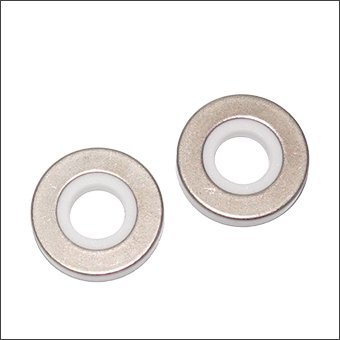
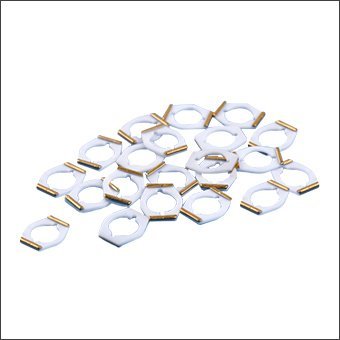
Metallized washers are typically used as intermediate parts for brazing ceramics and metals.
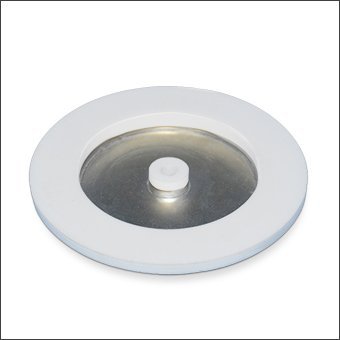
We manufacture a wide range of custom metallized ceramic components for various vacuum electronics applications.
Typical Applications
Metallized ceramic components are used when an application requires ceramic insulation together with electrical connection, metal joining or a controlled sealing interface.
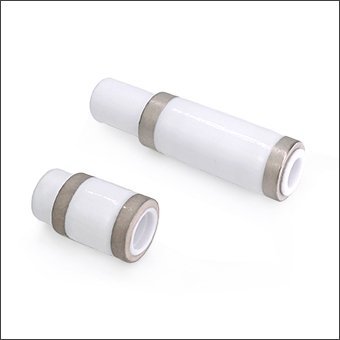
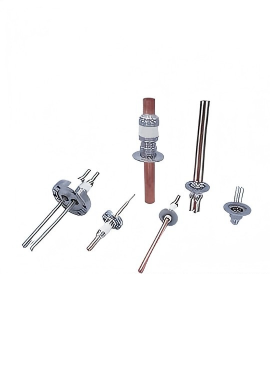
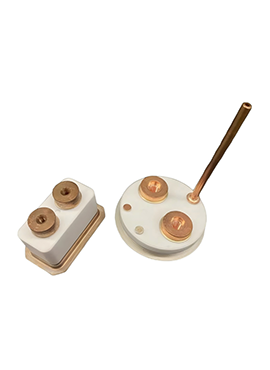
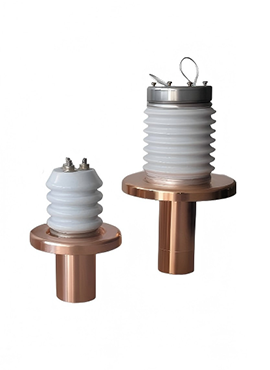
Carries high voltage or current through a vacuum wall to a vacuum device.
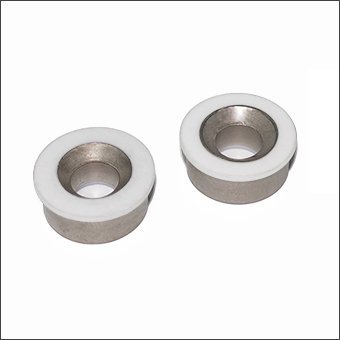
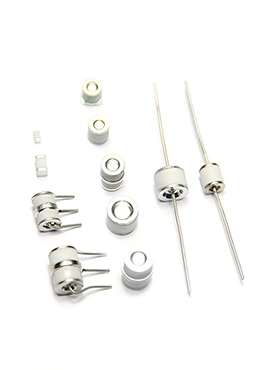
A sealed ceramic tube that protects circuits from power surges
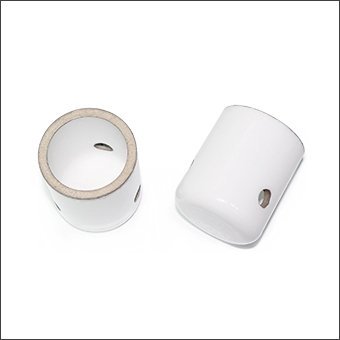
an electromechanical device that switches high voltage circuits.
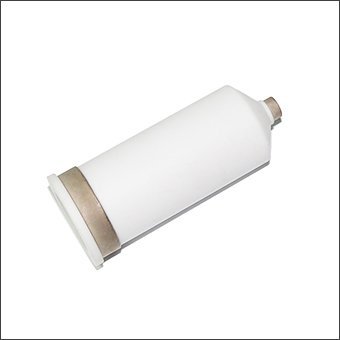
It converts electrical input power into X-rays, are used in medical imaging and other applications.
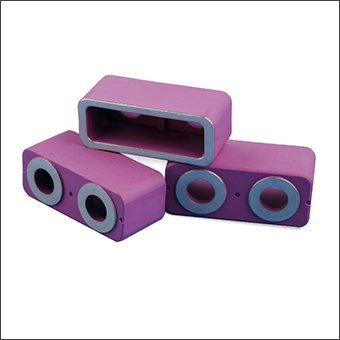
A switch that controls the flow of electricity in an electric vehicle (EV).
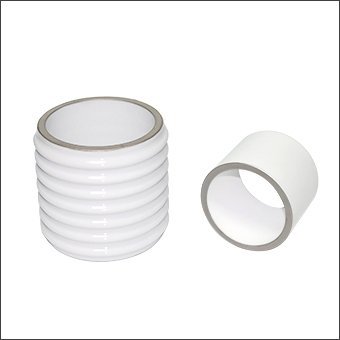
To separate electrical contacts and extinguish the resulting arc.
Used to measure winding temperature of large Motors, Generators, etc.
The Importance of Metallized Ceramics for Vacuum Electronic Devices
Metals are highly conductive and weldable, but they are not insulating and outgas at high temperatures. Ordinary ceramics are insulating, high-temperature resistant, and vacuum-hermetic, but they are not conductive or weldable.
Metallized ceramics, however, combine the advantages of both, achieving both insulation and conductivity, sealing and connectivity, and both heat resistance and thermal conductivity. Without it, vacuum electronic devices like high-power traveling-wave tubes and magnetrons could not operate stably for tens of thousands of hours under harsh conditions.
The importance of metallized ceramics for vacuum electronic devices is primarily reflected in the following aspects.


What We Can Do
Ceramic Materials
94~99% Alumina | AlN | Zirconia
Component Forms
Tube | Cylinder | Ring | Washer | Plate | Disc | Substrate | Custom Geometry
Metallization
Mo-Mn metallization | Selective metallization | End-face metallization | Surface metallization
Plating
Nickel plating | Other options by project
Ceramic-to-Metal Joining
Ceramic + Kovar | Ceramic + Stainless Steel | Ceramic + Copper | Other alloys by requirement
Size and Precision
Typical dimensions and tolerances are project-dependent. Final capability depends on material, geometry, sintering shrinkage, machining requirements and feature location.
Complete Production Capability
The manufacturing flow is : Ceramic Powder → Forming → Sintering → Precision Machining → Metallization → Plating → Brazing → Inspection.
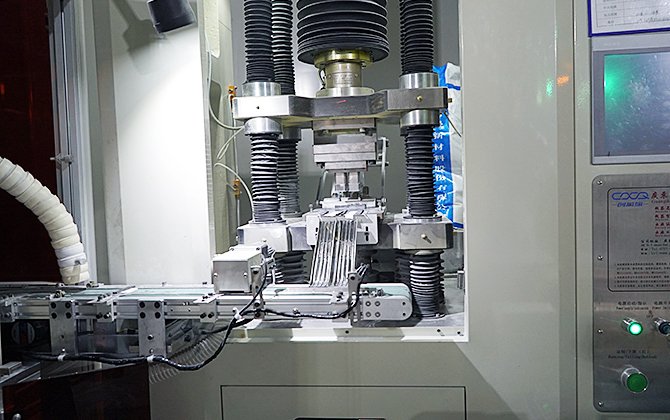
With our selection of ceramic forming machines, parts of any size can be shaped in-house to ensure dimensional consistency. In addition, the sintered ceramic components can be machined with micro-level dimensional tolerance. What’s more, we have our own metalizing & electroplating production line. Integrated production enables cost control and helps us shorten lead times to meet our clients’ urgent needs.
Quality Control
Quality control for metallized ceramic components covers both the ceramic body and the subsequent metallization or joining processes.
Ceramic Body Inspection
Dimensions | Surface defects | Chipping / cracks | Metallization area
Metallization Inspection
Metallization coverage | Layer appearance | Adhesion / bonding quality | Plating condition
Brazed Assembly
Joint appearance | Dimensional inspection | Brazing integrity | Hermeticity testing where specified
Final Inspection
Drawing requirements | Visual inspection | Functional / customer-specific inspection
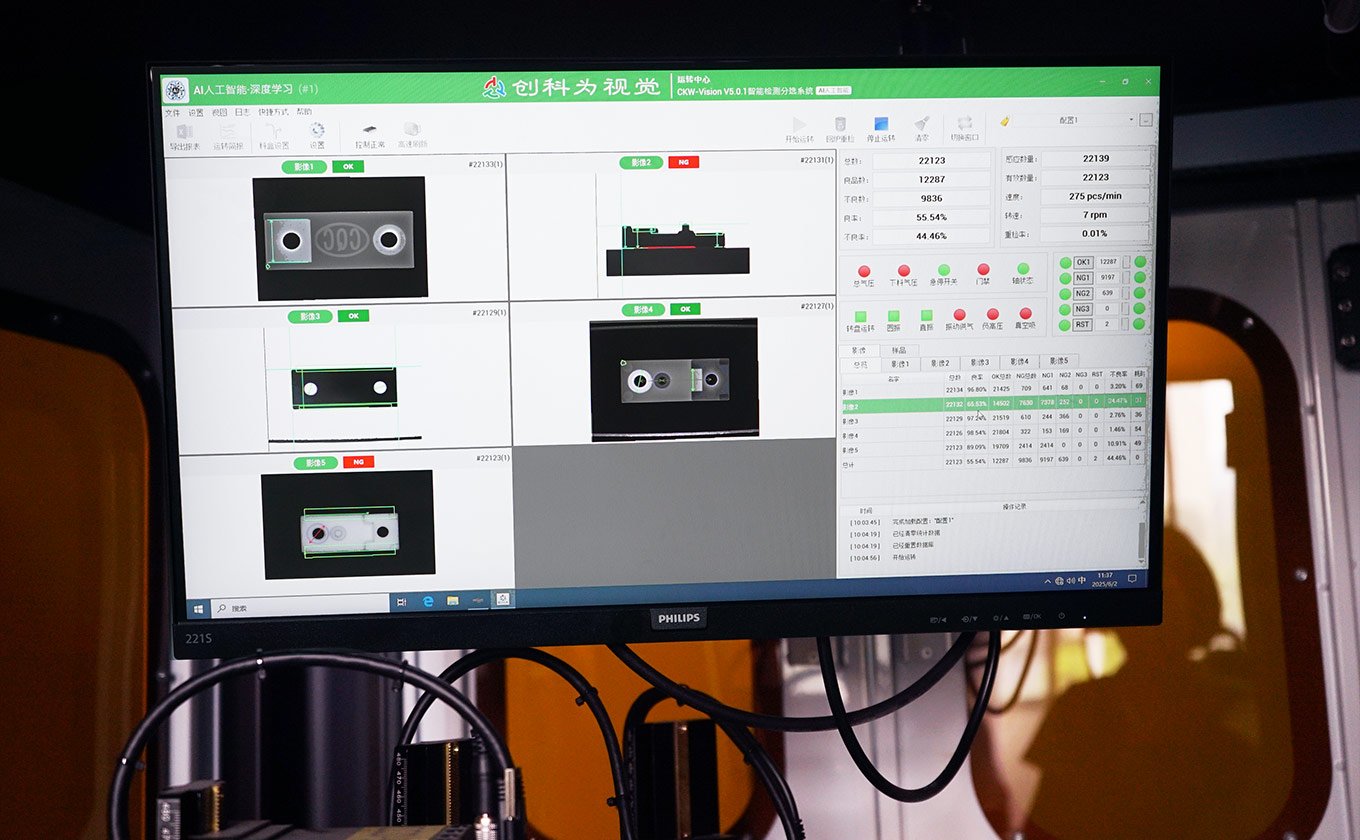
Why Choose Us
We always consider what our customers expect and do only what they truly care about. Born for high-quality metallized ceramics and let’s quality to be measurable and quantifiable.
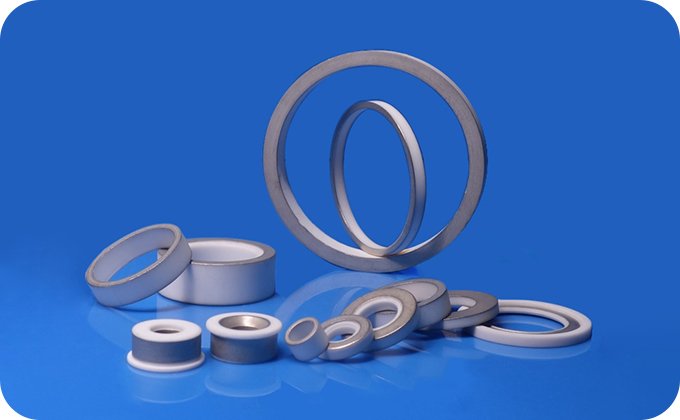
- Custom-built service availability
- R&D to bulk production capability
- Consistency guarantee of quality
- One-stop shopping supply ability
- Fast response to any inquiries within 12 hours
- Attentive and prompt after-sales service
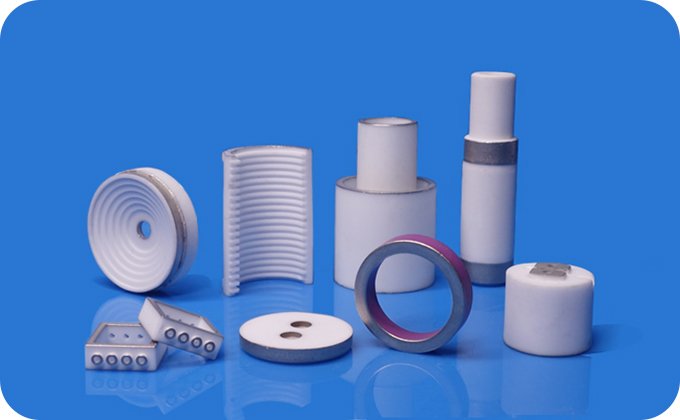
- Affordable mold charge and competitive unit cost
- Low minimum order quantity (MOQ) request
- Fast turnaround times with flexible delivery times
- Competent help and assistance for specialized problems
- Free technical & design consultation service
- Reliable partner for innovation and sustainability

More About Our Metallized Ceramics
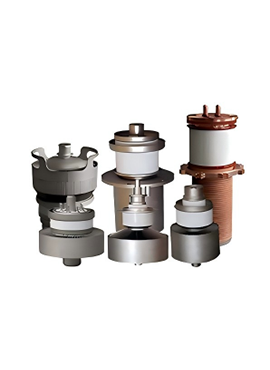
Jinghui provides customized metallized ceramics for applications such as power feedthroughs, gas discharge tubes, power grid tubes, X-ray tubes, and vacuum interrupters.
Alumina ceramics (Al2O3) are our most commonly used base material; other materials, such as zirconia (ZrO2) and aluminum nitride (AlN), are available upon request.
Our most frequently used metallization process is thick-film Mo-Mn metallization. The ceramic metallization process enables ceramic components to possess both insulating and conductive properties. Subsequently, if required, the metallized ceramic parts can be brazed to metal components using a ceramic-to-metal brazing process.
- Technical Data
- Core Advantages
- Metallization Locations
- Main Applications
1. Base Material Properties
| Property | Unit | 94.4% alumina (Al2O3) | 96~99% alumina (Al2O3) | 3YSZ zirconia (ZrO2) | Aluminum nitride (AlN) |
| Density | g/cm3 | ≥3.60 | 3.65~3.80 | ≥6.00 | 3.30 |
| Vickers Hardness | HV | ≥1334 | 1380~1520 | 1230 | 1040 |
| Flexural Strength @ 25°C | MPa | ≥270 | 280~310 | >800 | ≥310 |
| Thermal Conductivity @ 25°C | W/(m·k) | 22 | 24~29 | 3 | 170~230 |
| CTE (Coefficient of Thermal Expansion) | 1×10⁻⁶/℃ | 5~8 | 6.5~8 | 9~11 | 4~6 |
2. Key Parameters of Metallization Layer
| Types of Ceramic Metallization | Mo-Mn and W |
| Typical Thickness of Metallization | Mo-Mn: 10~40 µm, W: 10~30 µm |
| Types of Metal Plating | Nickle (Ni), silver (Ag), and gold (Au) |
| Typical Thickness of Metal Plating | Ni: 2~6 µm, Ag: 3~5 µm, Au: 0.1 µm |
| Ceramic Metallization Method | Hand painting, silkscreen, spray, and needle |
3. Precision and Appearance
| Dimensional Tolerances | ±1% or custom |
| Surface Roughness | Ra≤1.6μm |
| Parallelism/Flatness | Custom |
Through advanced ceramic metallization technology, our metallized ceramic products achieve a high-strength and high-density bond between the ceramic base and the metallized layer. This not only provides excellent mechanical adhesion and superior heat dissipation performance, but also lays a reliable foundation for subsequent ceramic-metal sealing.
1. Extreme Environment Adaptability
- High temperature resistance (>800℃)
- Corrosion resistance (acids, alkalis, molten metals)
- No gas release under high vacuum conditions
2. Electrical and Packaging Advantages
- Enables hermetic packaging
- Low RF loss (for high-frequency applications
3. Ideal Appearance Quality
- Uniform metallization layer, metal coating, and thickness
- Free of cracks, impurity spots, burrs, and contamination
We can apply metallization to the end/side faces of cylindrical ceramic components, through-holes in ceramic plates or rings, specific and discontinuous micro-regions on ceramic surfaces, and the flat surfaces of ceramic substrates. Metallized areas exhibit electrical conductivity, solderability, and enhanced mechanical bonding strength.
Metallized ceramics combine the insulation and heat resistance of ceramics with the conductivity of metals, and are widely used in many high-tech fields. The following are their main application areas:
- Metallized ceramics for vacuum feedthrough
- Hermetically sealed tubing for power electronics and electric vehicle applications
- High temperature and corrosion resistant sensor
- Metalized ceramic substrates used as insulating and heat-dissipating substrates for power electronic modules

What to Include in Your RFQ
The more complete the technical information, the faster we can evaluate manufacturability and prepare an accurate quotation.
Please provide, where available:
1. Drawing or 3D Model
Indicate critical dimensions and tolerances.
2. Ceramic Material
Specify the required ceramic grade if known.
3. Metallization Area
Show where metallization is required and indicate the required pattern.
4. Plating Requirement
Specify nickel plating or other required surface treatment if applicable.
5. Mating Metal
Provide the metal material that will be brazed or joined to the ceramic.
6. Operating Conditions
Temperature, vacuum, voltage, current, pressure, chemical exposure or other relevant conditions.
7. Quantity
Prototype quantity, annual volume or expected order quantity.
8. Inspection Requirements
Specify any critical inspection, test or documentation requirements.
Don’t have a finalized drawing? Send us the available information or a sample. We can review the project requirements first.
Yes. We manufacture custom metallized ceramic components according to customer drawings, 3D models, specifications or reference samples. The ceramic material, component geometry, metallization area and subsequent joining requirements can be reviewed as part of the project.
Alumina is the most commonly used ceramic material for metallized components. AlN, zirconia and other ceramic materials can also be considered when their electrical, thermal or mechanical properties are required by the application.
Our core metallization process is Mo-Mn metallization. The suitable metallization structure and subsequent plating or joining process depend on the ceramic material, metallization area and final assembly requirements.
The application of metallized ceramics for electronics mainly covers:
- Semiconductor packaging and circuit interconnection, such as IC packaging and electronics case tubes.
- Power electronics and thermal management, including IGBT modules, laser diodes, and high-power LEDs.
- High-frequency communication and radio-frequency components, such as RF windows, microwave components, and filters.
- Advanced manufacturing and cutting-edge technologies, such as sensors, various high-voltage and high-current vacuum devices, and 3D printing.
Common forms include tubes, cylinders, rings, washers, plates, discs and substrates. Custom geometries can also be considered based on drawings and manufacturing requirements.
A drawing or sample, ceramic material, metallization area, dimensions and tolerances, mating metal, quantity and application conditions are the most useful starting information. If some information is not yet available, send us what you have and we can review the project first.
Yes! We accept sample orders at the initial cooperation stage or for an R&D case.
There are 2 cases:
- For ceramic parts with a simple design, the delivery will be in 6~7 weeks by express.
- On the other hand, the delivery will be 8~9 weeks when the ceramic parts have a complex shape as well as tight dimensional tolerance.