


Why Reliability Testing Matters
Advanced ceramic components and brazed assemblies are widely used in demanding applications. The harsh operating conditions, such as high voltage, extreme heat, pressure, and long operation time, can affect product reliability. Even small defects probably result in performance failure.
Reliability testing helps verify whether ceramic components can perform well under real-world operating conditions. These are very critical for metallized ceramics, ceramic-to-metal brazing, ceramic substrates, and precision ceramic parts for semiconductor, vacuum systems, medical, and power electronics.
For ceramic grinding cores and related wear-resistant ceramics, reliability testing also evaluates abrasive resistance, hardness stability, and fatigue performance. Proper testing reduces failure risk and improves product consistency, safety, and service life.
Common Failure Modes in Ceramic Components
| Failure Mode | Possible Cause | Recommended Reliability Test |
| Ceramic cracking | CTE mismatch / thermal shock | Thermal cycling |
| Metallization peeling | Poor bonding strength | Peel test / shear test |
| Vacuum leakage | Seal defects | Helium leak test |
| Substrate warpage | Uneven thermal stress | Flatness inspection |
| Electrical breakdown | Insufficient dielectric strength | HV withstand test |
| Grinding core wear | Abrasive particle erosion | Wear resistance test |
Reliability Testing Capabilities
1.Mechanical strength test
● Tensile strength test: It helps verify whether advanced ceramic components can withstand mechanical loading without cracking, fracture, or structural failure during operation.
● Bending /flexural strength test: It helps verify whether advanced ceramic parts can withstand bending stress without cracking or brittle fracture during operation.
● Compressive strength testing: It helps verify whether advanced ceramics can withstand high compressive loads without cracking, crushing, or structural failure.
● Shear strength test: It helps evaluate the bonding reliability of ceramic-to-metal assemblies under mechanical stress and shear loading conditions.
2.Thermal & Thermal Shock Testing
● Thermal cycling test(-55°C to +60°C): It helps verify whether ceramic-to-metal assemblies can survive rapid temperature transitions without cracking, delamination, or vacuum leakage.
● Thermal shock test: It helps verify whether ceramic assemblies can withstand rapid temperature transitions without cracking, delamination, or structural failure.
● High-temperature aging: It helps verify whether ceramic components can maintain long-term structural and functional stability under elevated temperature conditions.
● CTE matching verification: It helps evaluate whether ceramic and metal materials can maintain thermal expansion compatibility without cracking, delamination, or sealing failure during temperature cycling.
3.Electrical Insulation & Dielectric Testing
● Dielectric strength /breakdown voltage: It helps verify whether ceramic substrates and high-voltage ceramic insulators can withstand electrical stress without dielectric breakdown.
● Insulation resistance: It helps verify whether ceramic components can maintain stable electrical insulation performance without leakage current or insulation degradation under operating conditions.
● Dielectric constant & loss tangent: It helps evaluate the high-frequency electrical stability and signal transmission performance of ceramic materials under operating conditions.
● Surface & volume resistivity: It helps evaluate the electrical isolation stability of ceramic materials under humidity, contamination, and high-voltage operating conditions.
4.Hermeticity & Sealing Testing
● Adhesion force test: Adhesion and shear strength tests are used to evaluate the bonding reliability between ceramic and metal surfaces
● Helium leak test: It is used to evaluate hermetic sealing performance and detect microscopic leakage paths. The leakage rate we can test can reach ≤1×10⁻¹⁰ Pa・m³/s.
● Pressure tightness test: It helps verify whether hermetic ceramic assemblies can maintain sealing integrity without leakage or structural failure under pressure conditions.
5.Wear & Hardness Testing
● Wear resistance test: Wear resistance testing helps evaluate long-term grinding durability and surface stability in ceramic grinding cores and ceramic burr components.
● Hardness test: It helps verify whether ceramic components can maintain surface durability and wear resistance under mechanical contact and operating stress.
● Friction coefficient test: It helps evaluate the surface interaction stability and wear behavior of ceramic components under repeated contact and sliding conditions.
6.Dimensional & Visual Inspection
● Dimensional accuracy: It helps verify whether ceramic components meet critical tolerance and assembly requirements without dimensional deviation or fitting issues.
● Flatness & surface roughness: It helps verify whether ceramic components can maintain stable surface quality and assembly performance without warpage, uneven contact, or bonding issues.
● Visual defect inspection: It helps identify surface cracks, chipping, pores, coating irregularities, and other visible defects that may affect the reliability of ceramic components
● Metallization thickness uniformity: It helps verify whether metallised ceramic components maintain consistent coating thickness for stable bonding and sealing reliability
Testing Matrix by Product Type
| Product Type | Critical Reliability Tests |
| Metallized ceramics | Helium leak, peel strength, thermal cycling |
| Ceramic substrates | Dielectric strength, warpage, thermal conductivity |
| Ceramic grinding core | Wear resistance, hardness, fatigue |
| Precision ceramic parts | Dimensional inspection, mechanical strength |
| Ceramic insulators | Insulation resistance, breakdown voltage |
In-house Instruments used for the Reliability Test
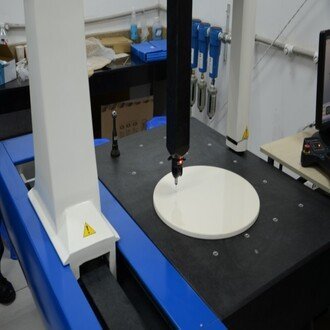
To measure geometric dimensions & tolerances, and complex features
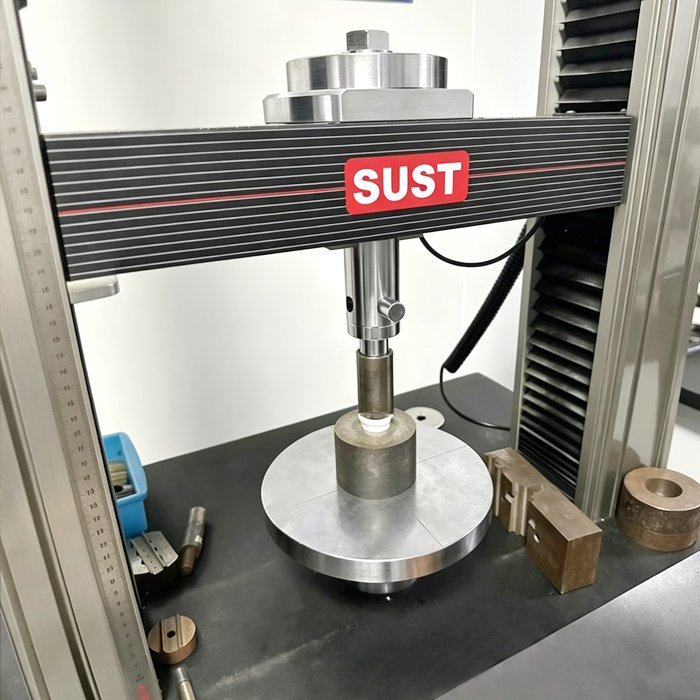
Typically, inspect tensile, compressive, and bending/flexural strength
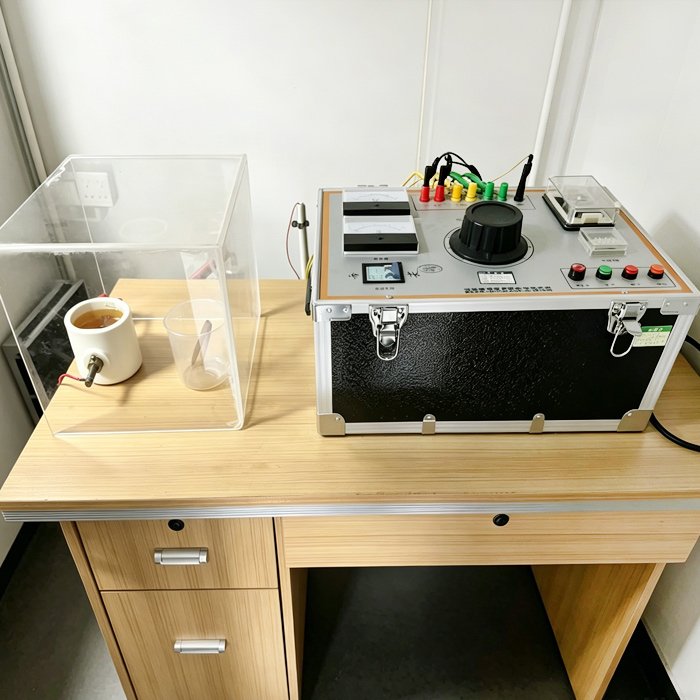
Typically, inspect the dielectric strength and insulation resistance
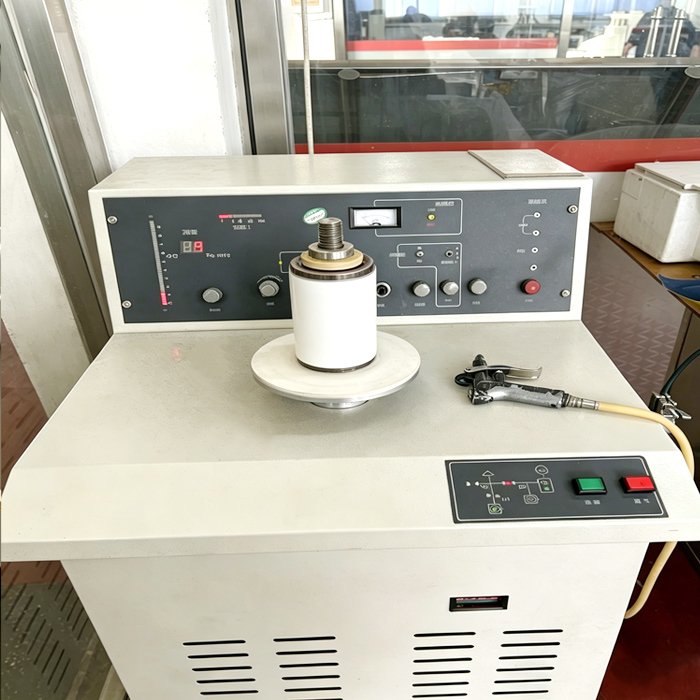
To check the gas leak issue, micro-crack detection, seal integrity, outgassing rate
Testing Standard and Quality Compliance
Our reliability testing procedures are performed according to internationally recognized standards for advanced ceramics, metallized ceramics, ceramic substrates, and ceramic-to-metal assemblies.
Typical testing standards include:
| Testing Category | Typical Standards |
| Mechanical strength testing | ASTM C1161, ASTM C1421 |
| Thermal cycling & shock | IEC 60068, MIL-STD-883 |
| Electrical insulation testing | ASTM D149, IEC 60243 |
| Hermeticity & leak testing | MIL-STD-883 Method 1014 |
| Wear & hardness testing | ASTM G99, ISO 6507 |
| Surface & dimensional inspection | ISO 1101, ISO 4287 |
Reliability-Critical Applications
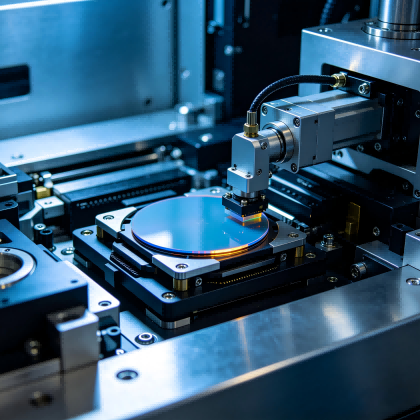
Critical requirements:
- Vacuum sealing
- Plasma resistance
- Thermal stability
Related tests:
- Helium leak test
- Thermal cycling
- Dielectric strength
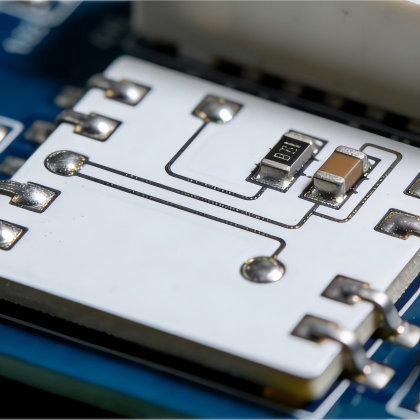
Critical requirements:
- High insulation
- Heat dissipation
- Long thermal cycling life
Related tests:
- Breakdown voltage
- Thermal shock
- Flexural strength
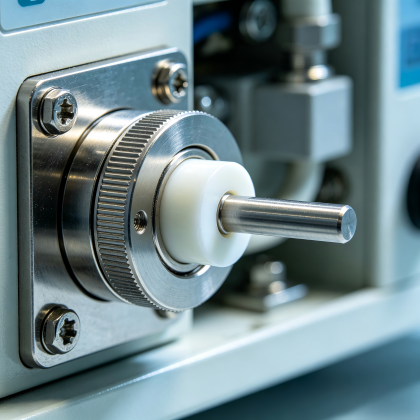
Critical requirements:
- Corrosion resistance
- Electrical insulation
- Precision alignment
Related tests:
- Environmental resistance
- High-voltage resistance testing
- Dimensional Inspection
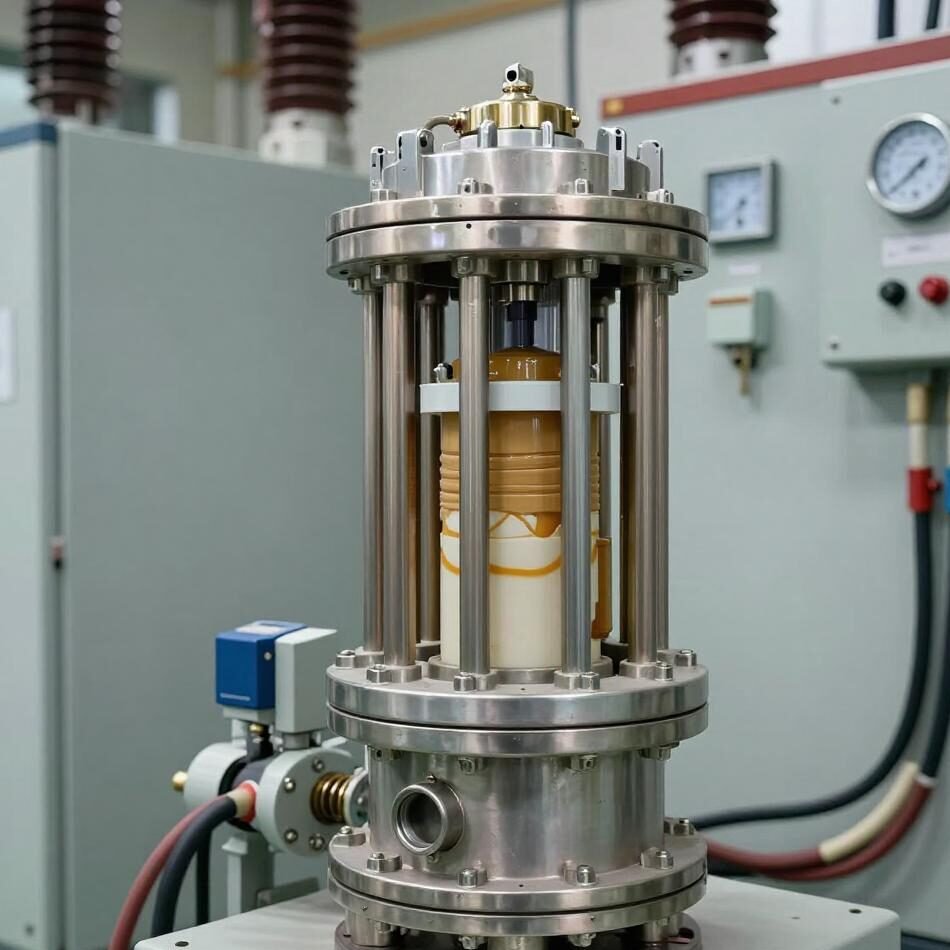
Critical requirements:
- High bonding strength
- Gas leak specification
- Gas pressure requirement
Related tests:
- Adhesion force test
- Helium leak test
- Pressure tightness test
Case Studies
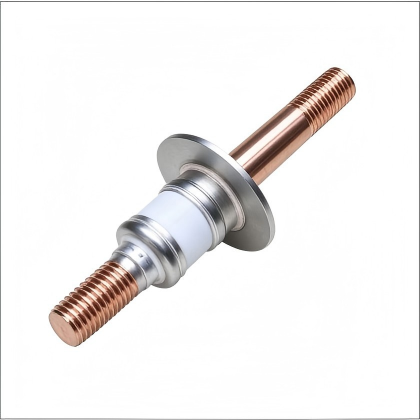
Problem: The end customer found vacuum leakage after thermal cycling.
Root cause: CTE mismatch between Kovar and alumina caused microcracks
Reliability Verification Process:
● Thermal cycling testing
● Helium leak testing
● Adhesion force test
Solution:
● Adjusted metallization thickness
● Optimized brazing profile
● Improved surface preparation
Result: Leak rate improved to <1×10⁻¹⁰ Pa·m³/s and failure reduced.
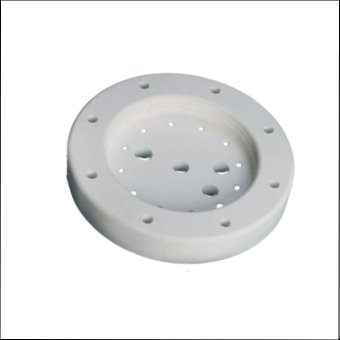
Problem: Several ceramic parts showed dimensional variation and minor edge chipping under high-speed motion. These affected assembly tolerance consistency and caused alignment instability
Root cause: These issues were caused by residual machining stress and insufficient edge strength.
Reliability Verification Process:
● Flexural strength testing
● Dimensional stability inspection
● Check the roughness of the working surface
Solution:
● Adding stress-relief process control
● Changing the sharp edge with a specific radius
● Improved surface roughness of the passaging surface
Result: The dimensional variation and minor edge chipping issues were fixed well.
Ceramic-to-metal seals are often used in vacuum systems, high-voltage devices, power electronics, and hermetic packages where long-term sealing reliability is critical. A small quality issue of ceramic metallization, brazing, or material matching may lead to leakage, cracking, or insulation failure during operation.
To verify ceramic-to-metal seal reliability, multiple reliability tests on metallized ceramic assemblies and ceramic-to-metal brazing components are performed before flowing to our customers. Typical tests include helium leak testing, thermal cycling testing, adhesion strength testing, and pressure tightness verification.
These reliability tests are widely used for vacuum ceramic assemblies, ceramic feedthroughs, ceramic insulators, and other high-reliability metallized ceramics used in semiconductor, aerospace, medical, and power electronics applications.
Vacuum ceramic components are commonly used in semiconductor equipment, vacuum systems, aerospace systems, and high-voltage applications that require long-term sealing and electrical reliability. Any leakage paths or bonding defects, even small cracks, may cause vacuum stability and system performance failure.
To verify reliability, vacuum ceramic components are typically subjected to multiple tests, including helium leak testing, thermal cycling testing, dielectric strength testing, insulation resistance testing, and mechanical strength verification.
These reliability tests help ensure long-term stability for vacuum ceramic assemblies operating in demanding environments.
Thermal shock resistance is typically tested by repeatedly transferring alumina ceramic components between high-temperature and low-temperature environments within a specified time interval. The test evaluates whether the ceramic can withstand sudden temperature changes without visible cracks, delamination, or performance degradation. Thermal cycling and thermal shock testing may also be combined with strength testing or helium leak testing for high-reliability ceramic assemblies.
These tests help verify the long-term reliability of alumina ceramic substrates, vacuum ceramic components, precision ceramic parts, and metallized ceramic assemblies used in semiconductor, aerospace, power electronics, and industrial applications.
Hermetic ceramic packages are used in vacuum systems, semiconductor equipment, aerospace electronics, and other high-reliability applications where long-term sealing performance is critical. Even microscopic leakage may affect vacuum stability, electrical insulation, or internal component protection over time.
The acceptable helium leak rate for hermetic ceramic packages depends on the application, package size, and industry requirements. For many high-reliability metallized ceramics and ceramic-to-metal seal assemblies, a typical helium leak rate requirement is ≤1×10⁻¹⁰ Pa·m³/s. Some applications may use different acceptance criteria according to customer specifications or testing standards.
Helium leak testing is commonly performed on hermetic ceramic feedthroughs, vacuum ceramic components, and ceramic-to-metal brazing assemblies to verify sealing reliability and detect microscopic leakage paths. Testing methods are often performed with reference to standards such as MIL-STD-883 hermeticity testing requirements.
Ceramic metallization peeling after thermal cycling is commonly caused by thermal stress, poor adhesion strength, or CTE mismatch between ceramic and metal alloy materials. During repeated heating and cooling cycles, different thermal expansion may create stress at the bonding interface, which can lead to cracking, delamination, or metallization separation over time.
This issue is especially important for metallized ceramics, ceramic-to-metal seal assemblies, and metallized ceramic substrates used in vacuum systems, power electronics, and high-temperature applications. Improper metallization processes, insufficient surface preparation, or weak ceramic-to-metal bonding may increase the risk of peeling after thermal cycling.
To verify reliability, metallized ceramic assemblies are typically subjected to thermal cycling tests, adhesion strength testing, shear strength testing, and microscopic inspection. These tests help evaluate long-term bonding stability and reduce seal failure risks in high-reliability ceramic components.
Ceramic substrates are widely used in power electronics, semiconductor equipment and other high-voltage applications where stable electrical insulation is critical. Insulation degradation may lead to dielectric breakdown, overheating, or reduced long-term reliability and system lifetime during operation.
To verify insulation reliability, ceramic substrates are typically subjected to dielectric strength testing, insulation resistance testing, surface and volume resistivity measurement, and thermal cycling reliability testing. These tests help evaluate whether alumina ceramic substrates, aluminum nitride substrates, and metallized ceramic substrates can maintain stable electrical performance under high-voltage and thermal-stress conditions.
Additional inspections such as microstructure analysis, metallization adhesion testing, and dimensional inspection may also be performed depending on the application requirements. These reliability tests help ensure long-term stability for ceramic substrates used in power modules, IGBT packages, EV systems, and other high-reliability electronic applications.
Reliability testing standards help ensure that ceramic components can meet the mechanical, thermal, electrical, and sealing requirements of demanding industrial applications. Standardized testing methods also improve consistency, comparability, and long-term product reliability.
Different testing standards are used depending on the product type and application. Common standards for advanced ceramic reliability testing include ASTM standards for mechanical strength and dielectric testing, IEC standards for thermal cycling and environmental testing, and MIL-STD-883 for hermeticity and helium leak testing of metallized ceramics and ceramic-to-metal seal assemblies.
These standards are widely used for ceramic substrates, vacuum ceramic components, metallized ceramic assemblies, ceramic feedthroughs, and high-reliability power electronic packages. Testing methods may also be adjusted according to customer specifications, application environments, and industry requirements.
Ceramic grinding cores are extensively used in pepper and salt mill grinders, coffee grinders, and other grinding mechanisms where long-term wear resistance and stable grinding performance are important. Excessive wear may affect grinding consistency, particle size control, and overall product service life.
To validate long-term wear resistance, ceramic grinding cores are typically subjected to wear resistance, abrasion, hardness, and friction coefficient testing. Repeated grinding simulations may also be performed to evaluate material loss, surface wear, and dimensional stability after extended use cycles. For alumina ceramic grinding cores, testing helps verify long-term grinding durability under different operating conditions.
These reliability tests help improve product consistency and support long-term performance for ceramic grinder mechanisms, coffee grinder ceramic burrs, and OEM ceramic grinding core applications.