


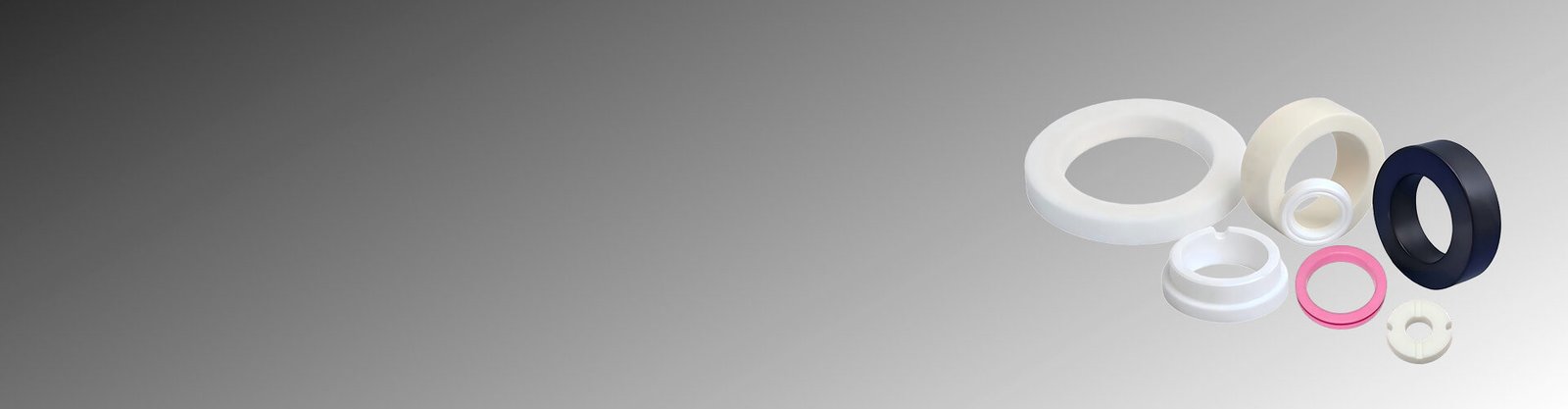
Solving Wear, Corrosion, and Insulation Challenges
What Are Technical Ceramic Rings?
Technical ceramic rings are used in applications where conventional metal or polymer rings cannot provide sufficient wear resistance, chemical stability, electrical insulation, or dimensional accuracy.
By combining exceptional hardness, corrosion resistance, thermal stability, and electrical insulating properties, advanced ceramic materials help improve equipment reliability, extend component service life, and reduce maintenance requirements in demanding operating environments.
Designed for Demanding Operating Conditions
Many industrial systems operate under conditions that accelerate the failure of traditional materials, including elevated temperatures, abrasive wear, corrosive media, electrical voltage, and continuous mechanical stress. Technical ceramic rings are engineered to withstand these challenges while maintaining their dimensional stability and performance over long service periods.
Depending on the material selected, ceramic rings can provide excellent resistance to wear, corrosion, thermal shock, and electrical breakdown, making them suitable for applications where reliability and precision are critical.
Typical Functions and Applications
Technical ceramic rings can serve a variety of functions, including sealing, guiding, positioning, insulating, and bearing support. Common applications include pumps and valves, semiconductor equipment, automation systems, electrical and high-voltage assemblies, vacuum equipment, and other precision industrial machinery.
We manufacture custom ceramic rings in a wide range of materials and dimensions, including alumina, zirconia, silicon nitride, silicon carbide, aluminum nitride, and more. Components can be produced according to customer drawings, samples, or specific performance requirements.
Available Ceramic Materials
We manufacture ceramic rings in a variety of engineering ceramic materials to meet different mechanical, thermal, and electrical requirements.
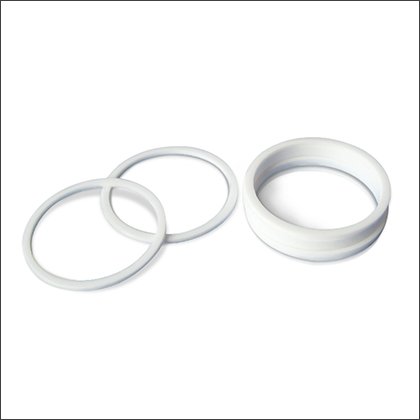
Alumina is one of the most widely used engineering ceramics due to its excellent hardness, wear resistance, electrical insulation, and cost-effectiveness.
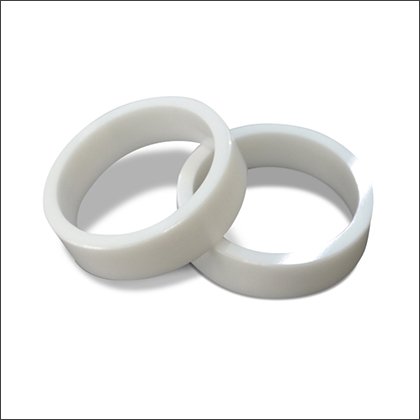
Zirconia offers exceptional fracture toughness and strength compared with most ceramic materials.
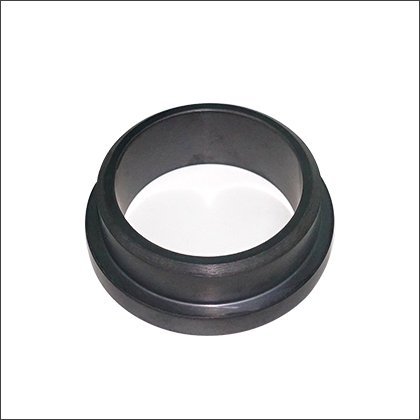
Silicon nitride combines high strength with low density and excellent thermal shock resistance.
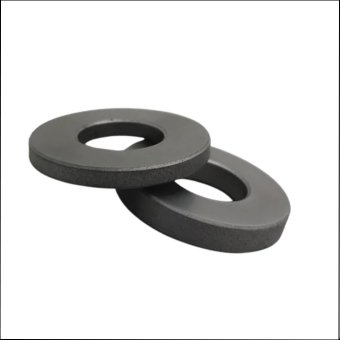
Silicon carbide provides outstanding hardness, corrosion resistance, and thermal conductivity.
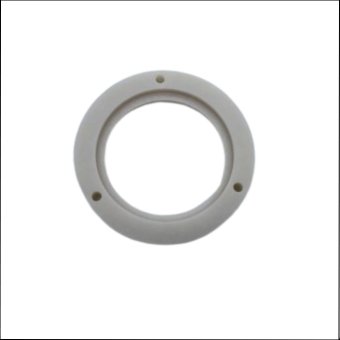
Additional materials include: Aluminum Nitride (AlN), Machinable Glass Ceramic, Steatite, and Mullite.
Types of Ceramic Rings We Manufacture
We supply a wide range of custom ceramic ring components designed for different industrial functions and operating environments.
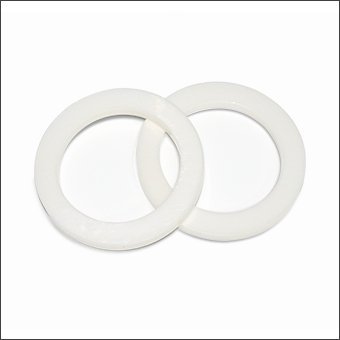
Used in mechanical seals, pumps, valves, and fluid control systems where wear resistance, corrosion resistance, and dimensional stability are critical.
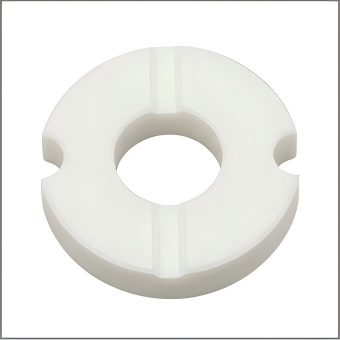
Designed for high-speed and high-load rotating systems, offering low friction, high wear resistance, and excellent thermal stability.
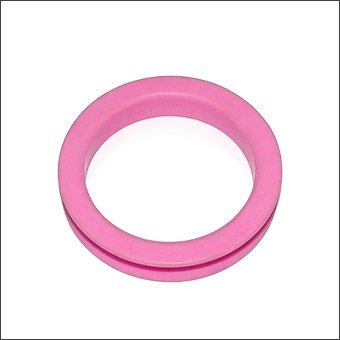
Used to guide wires, fibers, rods, and moving components in precision machinery while minimizing friction and wear.
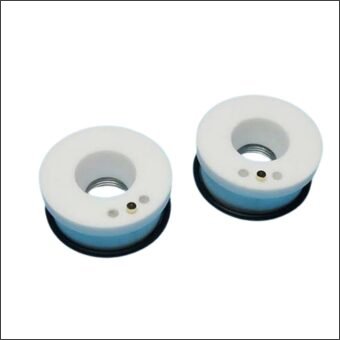
Used for precise alignment and positioning of components in industrial equipment, automation systems, and precision mechanical assemblies.
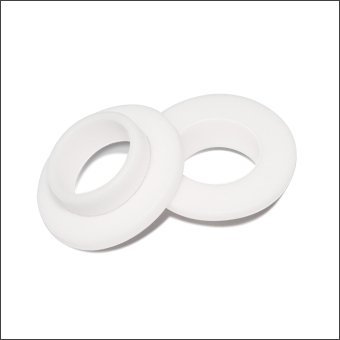
Provide excellent electrical insulation and are widely used in high-voltage equipment, vacuum systems, and electronic assemblies.
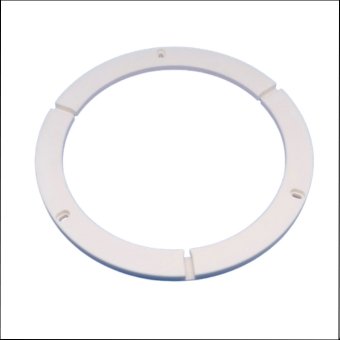
Manufactured according to customer drawings or specifications, including geometries, tolerances, and application-specific performance requirements.
Advantages of Technical Ceramic Rings
Technical ceramic rings offer a unique combination of mechanical, thermal, and electrical properties that make them suitable for demanding industrial environments where conventional materials fail. Their performance advantages directly translate into longer service life, improved reliability, and reduced maintenance costs in critical equipment.

Technical ceramics are significantly harder than most engineering metals, making them suitable for abrasive operating conditions.

Most ceramic materials exhibit excellent resistance to acids, alkalis, solvents, and other aggressive media.

Materials such as alumina provide excellent dielectric properties for electrical applications.

Ceramic rings maintain dimensional stability under elevated temperatures where plastics and many metals may deform.

Precision grinding and machining allow tight tolerances and superior surface finishes.
Typical Applications
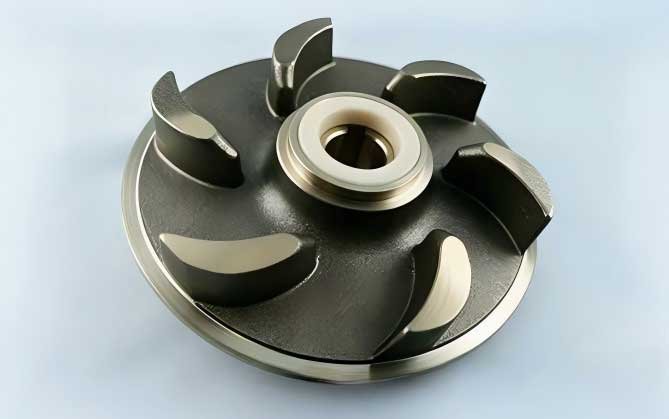
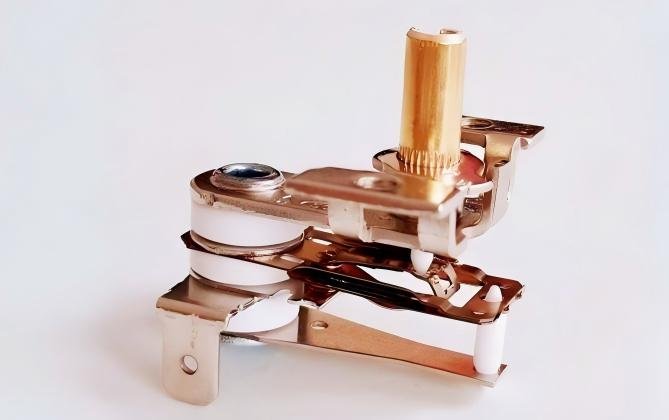
Technical ceramic rings are used in a wide range of industrial applications where wear resistance, corrosion resistance, electrical insulation, dimensional stability, or high-temperature performance are required. Depending on the material and design, ceramic rings can serve as sealing, guiding, positioning, insulating, or support components in demanding operating environments.
1. Industrial Equipment
Ceramic rings are widely used in industrial machinery as wear-resistant, positioning, guiding, and sealing components. Their high hardness and dimensional stability help improve equipment reliability while reducing maintenance and replacement frequency.
2. Electrical & High-Voltage Systems
In electrical and high-voltage applications, ceramic rings provide excellent electrical insulation, arc resistance, and thermal stability. They are commonly used as insulating and spacing components in high-voltage assemblies, vacuum systems, and electrical equipment.
3. Semiconductor Equipment
Ceramic rings are used in semiconductor manufacturing equipment where cleanliness, dimensional precision, and resistance to heat and chemical exposure are critical. They can function as insulating, positioning, or support components within precision process systems.
4. Chemical Processing
For chemical processing equipment exposed to corrosive media, ceramic rings offer excellent chemical resistance and long-term stability. They are commonly used in pumps, valves, sealing assemblies, and other components operating in aggressive environments.
5. Aerospace Applications
Advanced ceramic rings are used in selected aerospace systems requiring lightweight materials, high-temperature stability, wear resistance, and dimensional accuracy. Their ability to maintain performance under demanding operating conditions makes them suitable for specialized precision applications.
Custom Manufacturing Capabilities
We offer complete manufacturing services for custom ceramic rings, including:
- Material selection support
- Precision machining
- CNC grinding
- Surface polishing
- Prototype production
- Volume manufacturing
Available dimensions range from miniature precision rings to large industrial ceramic rings.
We can manufacture parts according to customer drawings, samples, or technical requirements.
Related Ceramic Components
-
-
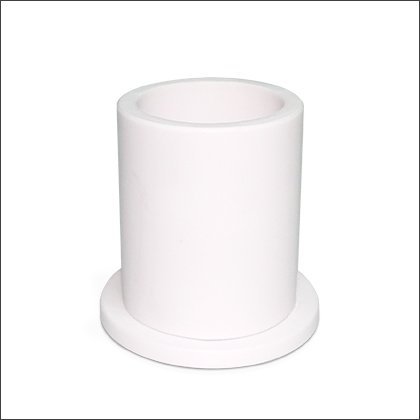
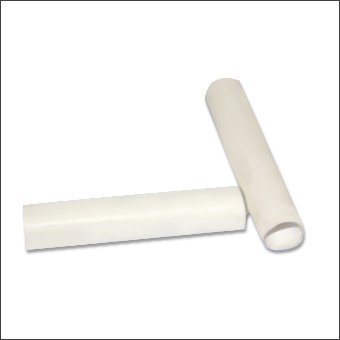 Ceramic Sleeves
Precision ceramic sleeves for protection and wear reduction.
-
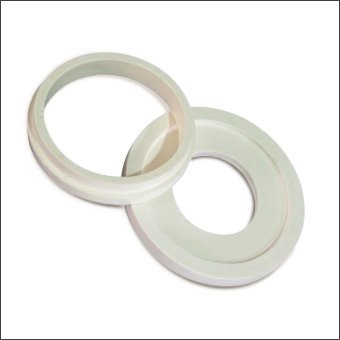
-
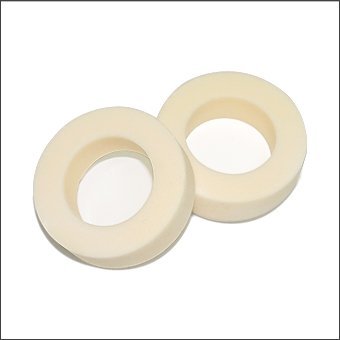
Ceramic washers for insulation, load distribution, corrosion resistance.
-
-
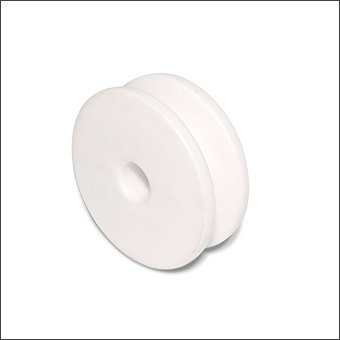
Why Choose Us
- Extensive experience in technical ceramics
- Multiple advanced ceramic materials available
- Precision machining capabilities
- Flexible production quantities
- Global export experience
Our engineering team works closely with customers to develop ceramic ring solutions optimized for performance, cost, and manufacturability.
We manufacture ceramic rings in a variety of advanced ceramic materials, including alumina (Al₂O₃), zirconia (ZrO₂), silicon nitride (Si₃N₄), silicon carbide (SiC), aluminum nitride (AlN), and machinable ceramics. Material selection depends on the application’s requirements for wear resistance, corrosion resistance, electrical insulation, temperature resistance, and mechanical strength.
Yes. We specialize in custom ceramic components and can manufacture ceramic rings based on customer drawings, samples, or technical specifications. Custom dimensions, tolerances, surface finishes, and material grades are available.
We manufacture a wide range of ceramic ring components, including seal rings, bearing rings, guide rings, insulating rings, positioning rings, and other custom ring geometries for industrial applications.
Alumina and silicon carbide are commonly selected for wear-resistant applications due to their high hardness and abrasion resistance. For applications requiring both wear resistance and higher fracture toughness, zirconia may be a suitable choice.
The achievable tolerance depends on the material, dimensions, and manufacturing process. Through precision grinding and machining, tight tolerances can be achieved for applications requiring accurate positioning, sealing, or assembly.
Material selection should be based on the application’s operating conditions, including wear, temperature, corrosion, electrical requirements, mechanical loads, and dimensional tolerances. Our engineering team can recommend the most suitable material based on your specific requirements.