


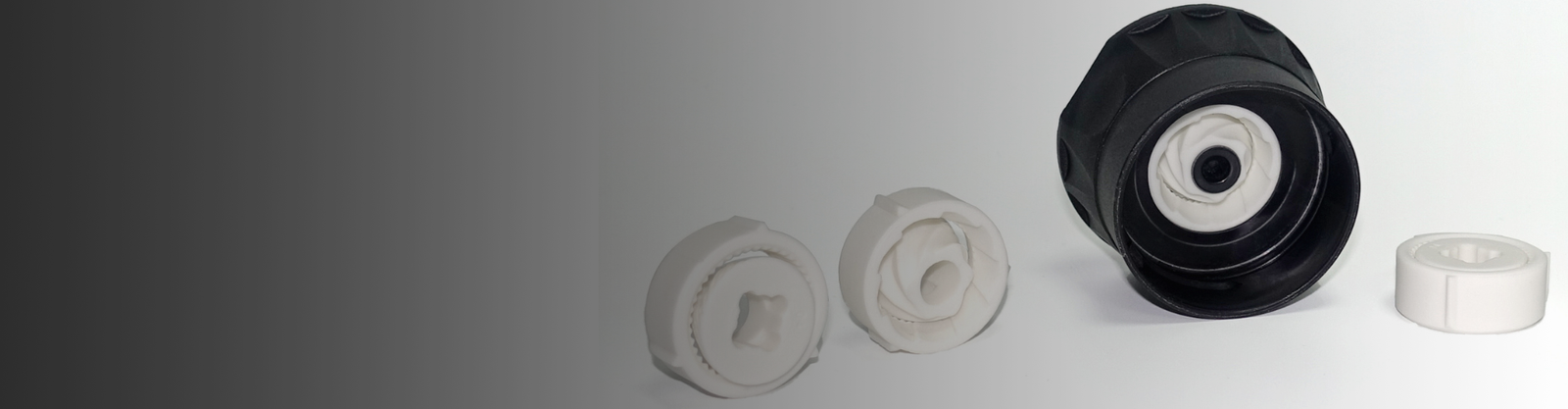
Overview
We manufacture ceramic grinding burrs for OEM products, with customization based on drawings, samples and application requirements. Our team reviews the required geometry, critical dimensions, mounting features and production quantity before confirming manufacturing feasibility.
For guidance on burr geometry, grinding performance and common failure modes, visit our Ceramic Burr Technology Hub.
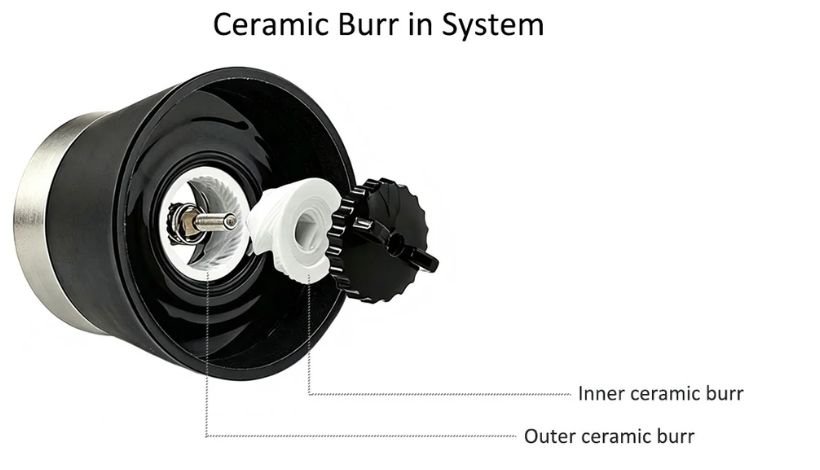
OEM Ceramic Burr Manufacturing
A ceramic burr must fit the intended grinder mechanism and meet the application’s dimensional and functional requirements. We review each project according to the drawing, sample, critical dimensions and expected production volume.
Drawing & Sample-Based Customization
We can review customer drawings or samples to identify the required geometry, key dimensions, mounting features and inspection requirements.
Burr Geometry & Mounting Features
Depending on the design and manufacturing feasibility, customization may include outer diameter, inner diameter, thickness, tooth profile and mounting interfaces.
Prototype & Repeat Production
Prototype and production requirements are evaluated according to design complexity, tooling needs, quantity and inspection requirements. Production arrangements are confirmed after technical review.
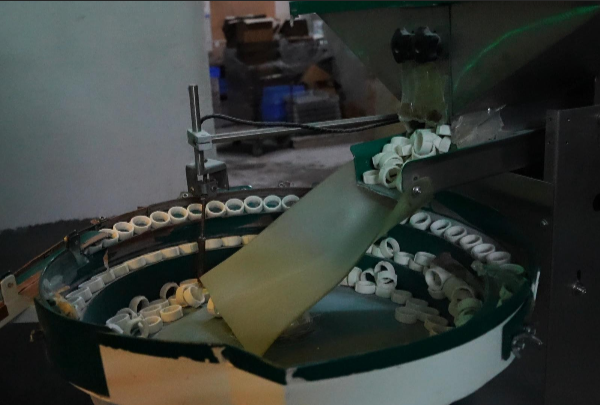
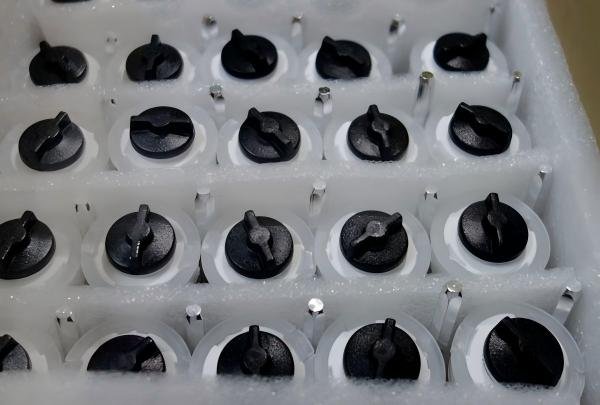
Dimensional Inspection
Critical dimensions and specified features can be checked against the agreed drawing and inspection requirements. Available inspection methods and inspection frequency should be confirmed for each project.
OEM Project Support
Please provide the expected application, annual demand, target quantity and any packaging or labeling requirements so that we can evaluate the appropriate supply arrangement.
Ceramic Materials for Grinding Burrs
Material selection depends on the burr design, grinding application, required wear behavior, mechanical loading and manufacturing requirements. We review material suitability as part of the overall product design rather than selecting a ceramic grade by hardness alone.
Alumina Ceramic (Al₂O₃)
Available for selected grinding burr applications where wear resistance, dimensional consistency and manufacturing cost need to be balanced.
Zirconia Ceramic (ZrO₂)
Available for selected designs where higher fracture toughness may be required. Suitability depends on the burr geometry and operating conditions.
Steatite Ceramic
Available for selected legacy applications and existing customer programs, subject to material and manufacturing review.
Need help selecting a material? Send us your drawing, sample and application details for review.
Custom Dimensions & Product Specifications
Ceramic burr dimensions and tolerances depend on the design, material, manufacturing process and assembly requirements. We review critical dimensions before confirming the final specification.
Depending on the product, the specification review may cover:
- Outer diameter, inner diameter and overall thickness
- Tooth profile and grinding geometry
- Mounting holes and interface features
- Critical dimensions and specified tolerances
- Surface condition and edge requirements
- Inspection criteria and sampling requirements
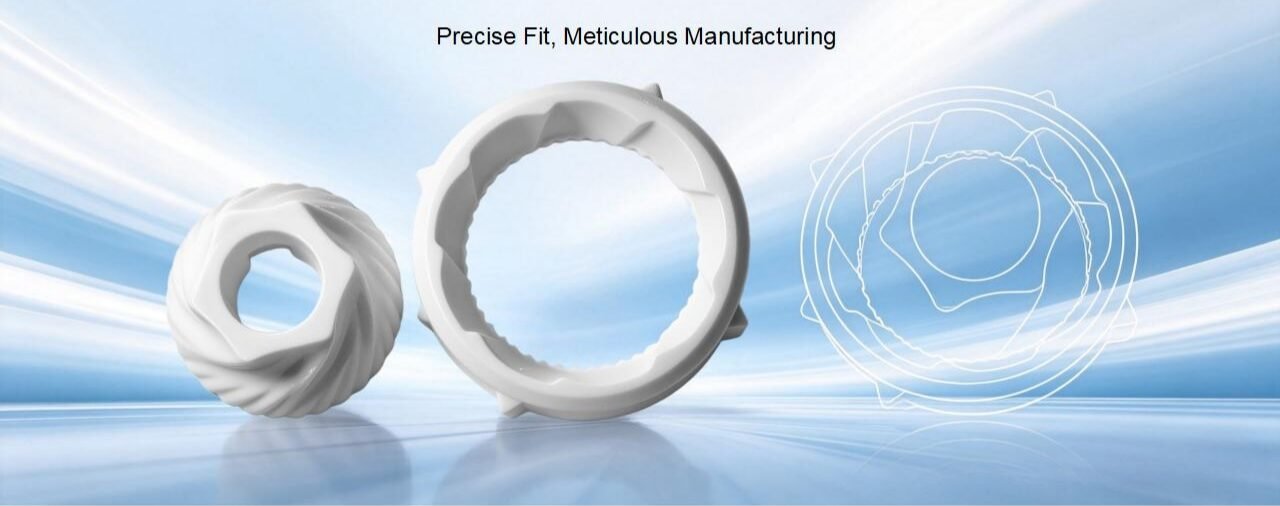
Standard products may have defined specifications, while customized products are reviewed against the approved drawing or sample. Final tolerances and inspection requirements should be agreed before production.
For a quotation, please provide a drawing or sample and identify the dimensions that are critical to assembly or grinding performance.
Ceramic Burr Applications
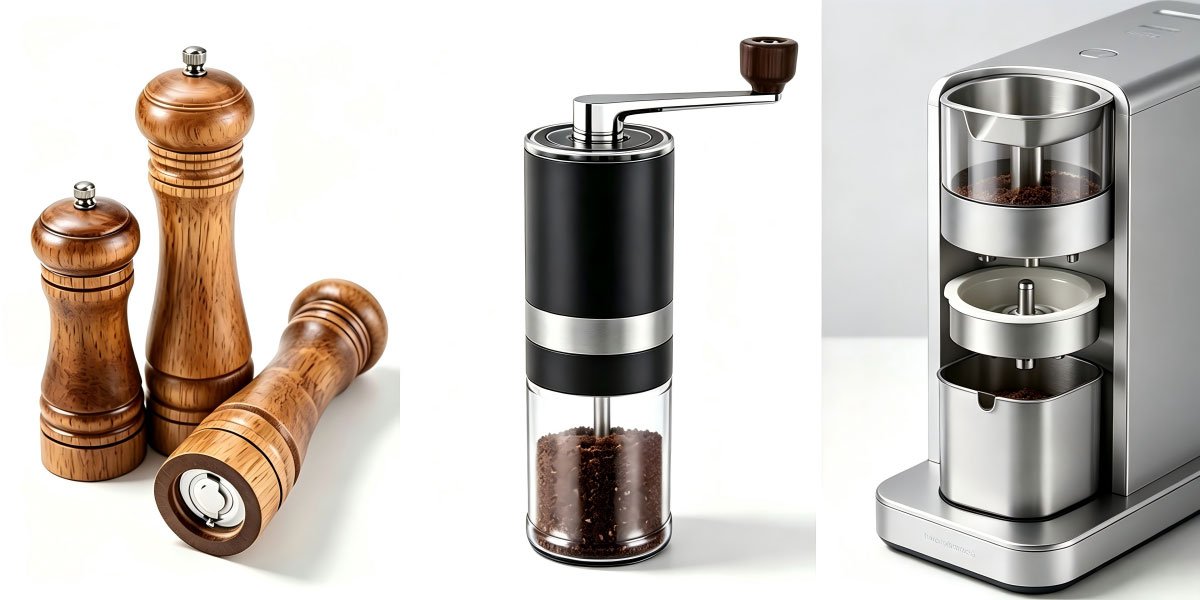
Our ceramic grinding burrs are developed for compatible grinding systems. Product suitability depends on the feed material, grinder design, required output and operating conditions.
Pepper & Salt Mills
Ceramic burrs for selected pepper and salt grinding mechanisms, with product selection based on the grinder design and mounting requirements.
Spice & Seasoning Grinders
Custom burr designs can be reviewed for compatible spice and seasoning applications, subject to material and geometry requirements.
Coffee Grinding Systems
Ceramic burr components may be considered for selected coffee grinder designs. Availability and suitability should be confirmed against the required grinding performance and grinder configuration.
Other Custom Grinding Applications
For applications outside the standard product range, please share the feed material, target output, operating conditions and expected quantity for an initial feasibility review.
Ceramic Burr Product Types
We offer different ceramic burr designs for various grinding systems. To understand the differences between flat burr and conical burr structures, please read our ceramic burr types explained: flat vs conical burr.
In addition to our regular ceramic burr production, we also offer private label support. Please contact us for details if you require it.
-
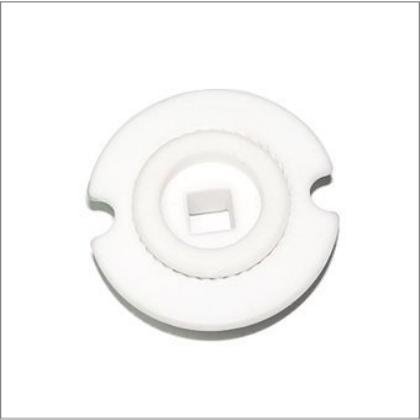 Conical Ceramic Burr for Pepper & Salt Mills
Designed for consistent grinding performance in spice applications.
View Product -
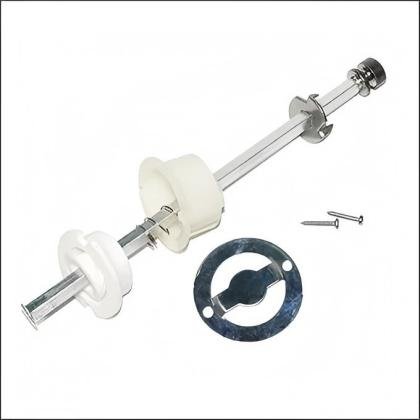 Pepper Mill Grinder Mechanism
Standard ceramic grinding mechanism for OEM pepper mill systems.
View Product -
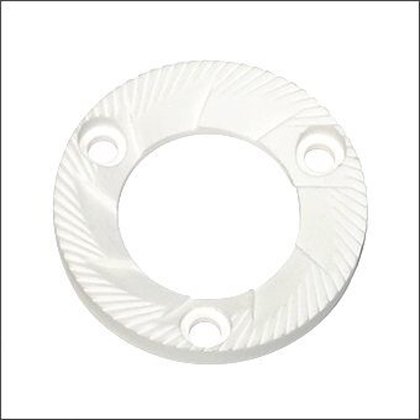 Coffee Grinder Ceramic Burr (OEM Custom)
Custom ceramic burrs designed for coffee grinding systems.
View Product
Manufacturing Quality & Inspection
For OEM ceramic burrs, quality requirements should be defined around the product drawing, critical dimensions and intended application.
Our project review focuses on the agreed product requirements, including:
- Verification of critical dimensions
- Inspection of specified geometry and mounting features
- Review of visible surface defects and edge condition
- Confirmation of material and product specifications
- Inspection records or documentation where agreed for the project
Inspection methods and frequency depend on the product design, quantity and customer requirements. Any special inspection plan or reporting format should be confirmed before production.
Quality Requirements for Food-Contact Applications
For applications involving pepper, salt, coffee or other food materials, please specify the destination market and required food-contact standards. Relevant material declarations, test reports or compliance documents must be reviewed for applicability to the specific product and its intended use.
Why Work with Jinghui
Choosing a ceramic burr supplier involves more than comparing material properties or unit prices. The supplier must understand the product drawing, manufacturing requirements and intended assembly.

Jinghui is a China-based manufacturer of advanced ceramic components, with experience across ceramic grinding burrs and other customized ceramic products.

We review drawings, samples and critical dimensions before confirming the proposed manufacturing approach.

Inspection items and acceptance criteria can be defined around the agreed drawing and the requirements of each OEM project.

We evaluate prototype and production requirements according to project complexity, quantity and manufacturing feasibility.

Providing clear drawings, application details and expected volumes helps both parties confirm the product requirements before production begins.
From Drawing to Production
1. Submit Your Requirements
Provide a drawing, sample or existing product reference, together with the application and expected quantity.
2. Engineering Review
We review the geometry, critical dimensions, material requirements, mounting features and inspection criteria.
3. Confirm Specifications
The proposed material, drawing requirements, tolerances, quantity and inspection arrangements are confirmed before production.
4. Prototype or Sample Evaluation
Where required and available, prototype samples can be used to review dimensional conformity and fit with the intended grinder mechanism.
5. Production & Inspection
Production proceeds according to the confirmed requirements, with agreed inspection and documentation arrangements.
6. Repeat Orders
For repeat orders, the approved specification and any agreed quality requirements provide the basis for subsequent production.
Looking for a Ceramic Burr OEM Supplier?
Send us your drawing, sample or product requirements. We will review the required dimensions, material, mounting features and expected quantity to determine the next steps for your project.
Yes. We review customer drawings or samples to evaluate the required geometry, critical dimensions, mounting features and manufacturing feasibility. Final specifications are confirmed before production.
Material availability depends on the product design and application. Alumina is available for selected grinding burr programs, while zirconia and steatite may be considered for specific customer requirements. Please confirm the material requirement when requesting a quote.
Customization may include overall dimensions, inner and outer diameters, thickness, tooth profile and mounting features, subject to design review and manufacturing capability.
Prototype and production requirements can be reviewed according to project scope, quantity and manufacturing feasibility. Please provide your expected order quantity and annual demand so that we can assess the appropriate manufacturing approach.
Please provide a 2D drawing or sample, material requirements, critical dimensions and tolerances, application, expected quantity and any specific inspection or food-contact documentation requirements.
Supply scope depends on the project. Please specify whether you require ceramic burr components only or a complete mechanism including other components. Availability should be confirmed before quotation.
Available documentation depends on the specific material, product and applicable requirements. Please specify the target market and required standard so that the relevant documents can be checked before order confirmation.
Yes, we support OEM/ODM private label manufacturing and can customize packaging and labeling according to customer brand requirements.