


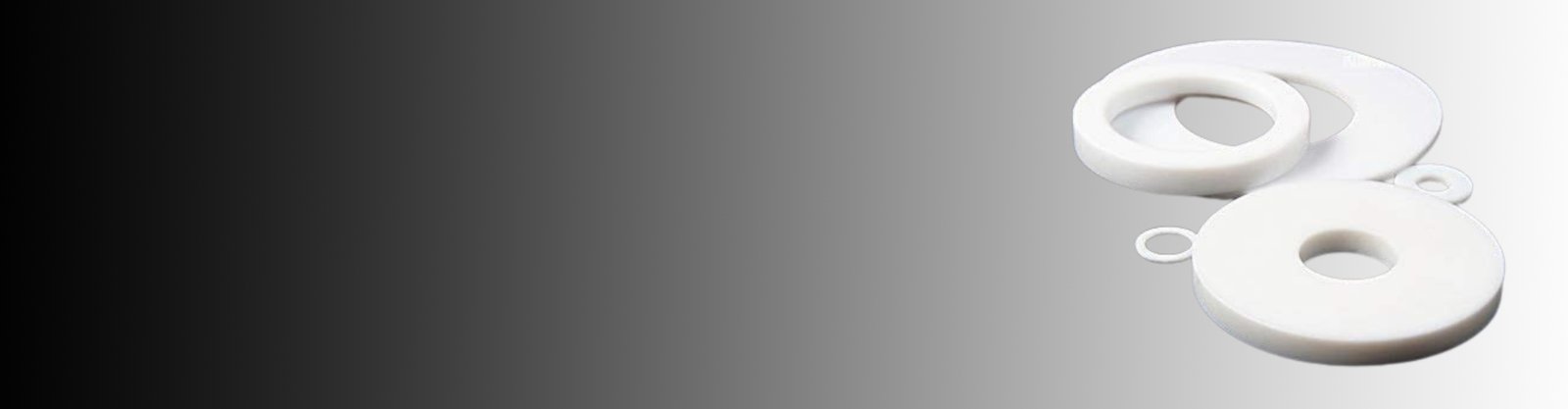
Typical SPECs
Ceramic washers can be manufactured in a wide range of dimensions depending on application requirements. The ceramic materials commonly used for ceramic washers are mainly alumina and zirconia.
| Parameter | Typical Range |
|---|---|
| Outer Diameter (OD) | 5 mm – 50 mm |
| Inner Diameter (ID) | 2 mm – 30 mm |
| Thickness | 0.5 mm – 5 mm |
| Tolerance | ±0.02 mm |
| Surface Roughness | Ra 0.4 – 1.6 μm |
Custom dimensions and tolerances are available based on customer drawings or technical requirements.
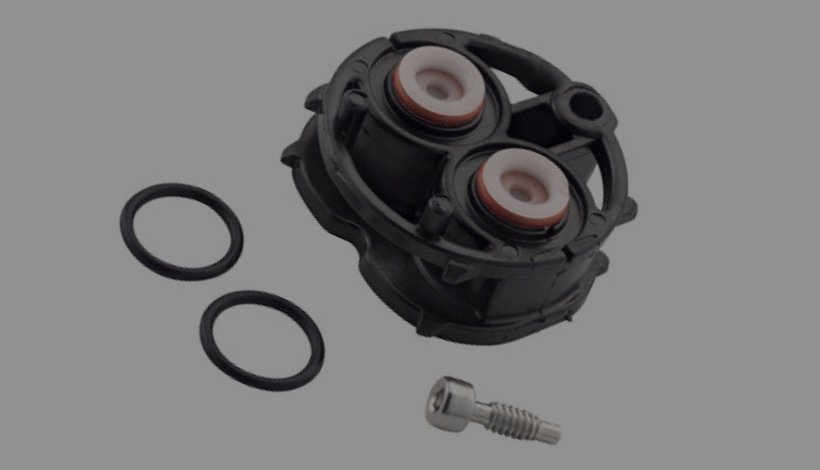
High-Temperature & Electrical Insulating Ceramic Washers
Ceramic washers are precision-engineered components used to distribute load, provide electrical insulation, and protect assembly surfaces in mechanical and electrical systems. Compared with metal or plastic washers, ceramic washers offer superior resistance to high temperatures, corrosion, and electrical conductivity.
Manufactured from advanced ceramic materials such as alumina, zirconia, and steatite, ceramic washers are widely used in electronics, electrical equipment, industrial machinery, and high-temperature applications.
At Jinghui Industry, we manufacture high-precision ceramic washers with tight dimensional tolerances and excellent surface finish, supporting both standard and customized specifications for demanding industrial environments.
Product By Features
Our ceramic washers are customized according to customer needs with different characteristics. Below are some representative products. As long as you provide drawings or samples, we can make a 1:1 replica.
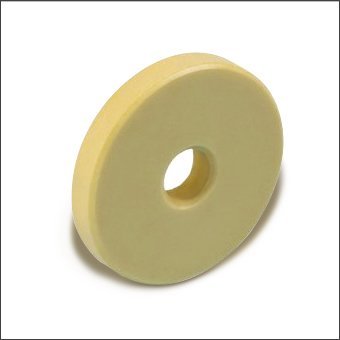
High-temperature stability (1,200°C) and fracture toughness.
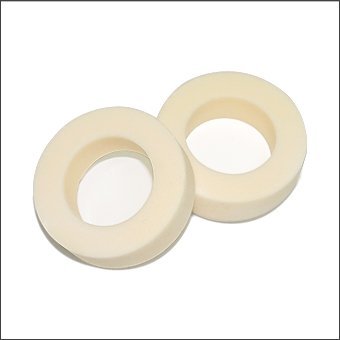
Ultra-high insulation (>10¹⁴ Ω·cm) for high-voltage systems and electronic components.
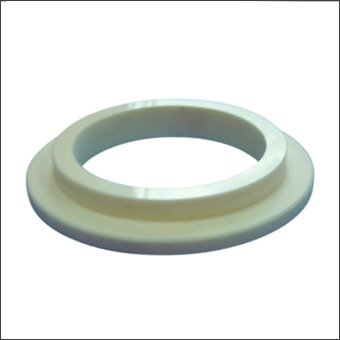
Corrosion-resistant sealing in chemical pipelines and acidic/alkaline environments.
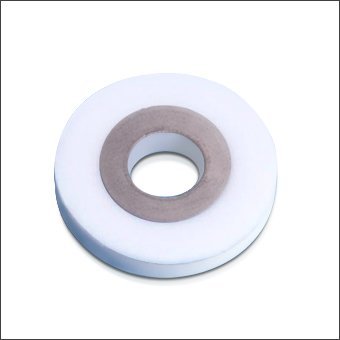
Brazable metal coating (Cu/Ag) for vacuum feedthroughs and RF devices.
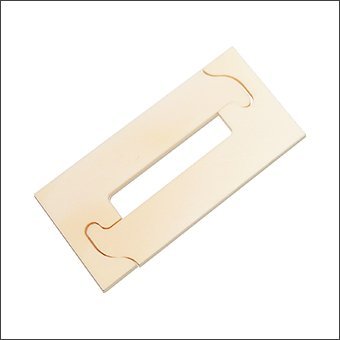
Split design for easy installation in confined spaces and maintenance-heavy equipment.
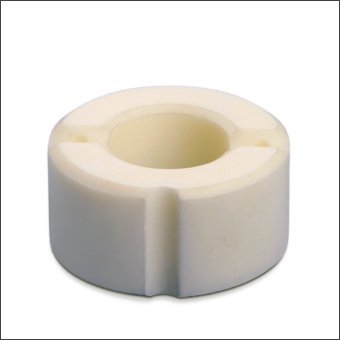
Enhanced load-bearing capacity for high-pressure sealing applications.
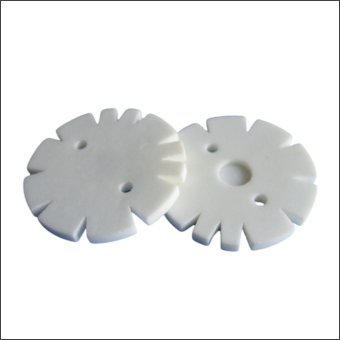
Distributes stress evenly in aerospace fasteners and automotive suspension systems.
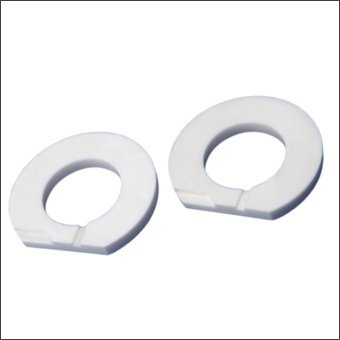
Reduces friction and improves lubrication retention in rotating equipment and pumps.
Product By Materials
The performance of a ceramic washer largely depends on the material used. Several advanced ceramic materials are commonly used for manufacturing ceramic washers.
-
 Alumina Ceramic Washers (Al₂O₃)
Alumina is the most widely used material for ceramic washers due to its excellent balance of properties.
Advantages include:
- High electrical insulation
- Excellent hardness and wear resistance
- High temperature capability
- Good corrosion resistance
- Cost-effective manufacturing
Typical alumina purity levels include 95%, 96%, and 99% Al₂O₃.
-
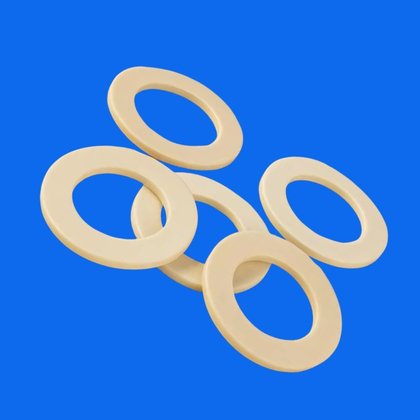 Zirconia Ceramic Washers (ZrO₂)
Zirconia ceramics provide significantly higher mechanical strength and fracture toughness compared with alumina.
Advantages include:
- High mechanical strength
- High fracture toughness
- Good wear resistance
- Excellent thermal shock resistance
Zirconia ceramic washers are often used in applications requiring higher mechanical load capacity.
-
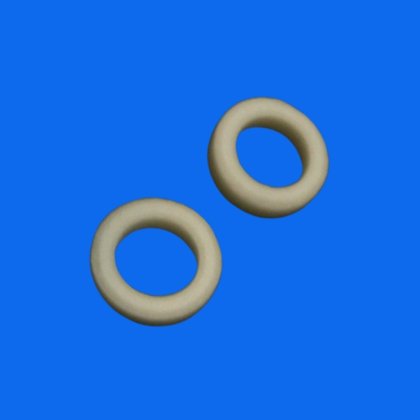 Steatite Ceramic Washers
Steatite ceramics offer excellent electrical insulation and cost advantages, making them widely used in electrical and electronic components.
Typical advantages include:
- Excellent electrical insulation
- Good dimensional stability
- Cost-effective production
Steatite washers are commonly used in electrical terminals and electronic assemblies.
Key Features
Whether it is wear, high temperature, high pressure or corrosive environment, ceramic washers can stably exert their excellent performance and meet the stringent industrial needs.

The high hardness of advanced ceramics provides excellent wear resistance, making ceramic washers suitable for long-term use in demanding industrial environments.

Ceramic washers can withstand temperatures far beyond the limits of plastics or polymers. Depending on the material, ceramic washers may operate at temperatures exceeding 1000°C.

Ceramic washers are highly resistant to chemical corrosion and oxidation, allowing them to operate in harsh chemical environments.

Advanced ceramic materials have extremely high electrical resistivity, making ceramic washers ideal for insulating bolts, screws, and mounting hardware in electrical systems.

Ceramics maintain stable dimensions even under high temperatures, ensuring reliable performance in precision assemblies.

Self-lubricating properties reduce maintenance costs.
Types of Ceramic Washers
Depending on application requirements, ceramic washers may be produced in several configurations.
Flat ceramic washers are the most common type. They are used for load distribution and electrical insulation in mechanical assemblies.
These washers are specifically designed to provide electrical isolation between fasteners and conductive surfaces.
Precision washers are manufactured with tighter tolerances and improved surface finish for high-precision assemblies.
Designed for extreme temperature environments such as furnaces and heating systems.
Applications of Ceramic Washers
Ceramic washers are widely used across many industries where insulation, high temperature resistance, and corrosion resistance are required.
Electronics Industry
Ceramic washers are commonly used in electronic equipment to insulate mounting hardware and protect sensitive components. Typical uses include:
- PCB mounting insulation
- electronic module assembly
- component protection
Electrical Equipment
Ceramic washers are used in electrical systems where electrical isolation is required. Typical applications include:
- high-voltage equipment
- electrical terminals
- power distribution systems
Industrial Machinery
Ceramic washers are used in industrial equipment where high temperature resistance and corrosion resistance are required. Applications include:
- industrial equipment assemblies
- mechanical mounting structures
- high-temperature machinery
Semiconductor Equipment
Advanced ceramic washers are also used in semiconductor manufacturing equipment due to their chemical resistance and high temperature stability.
Related Products
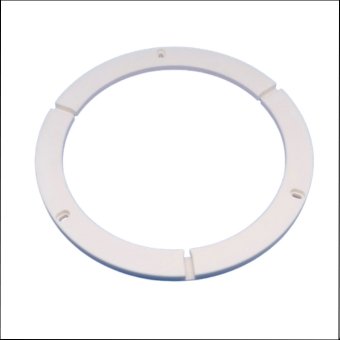
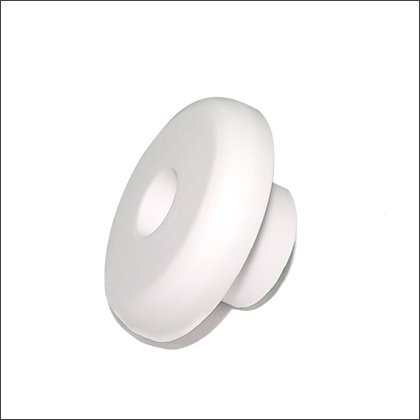
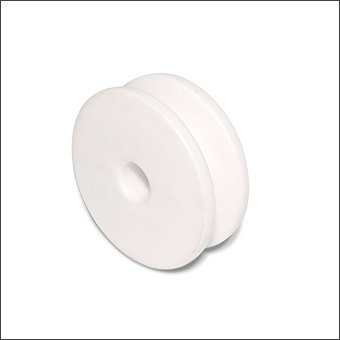
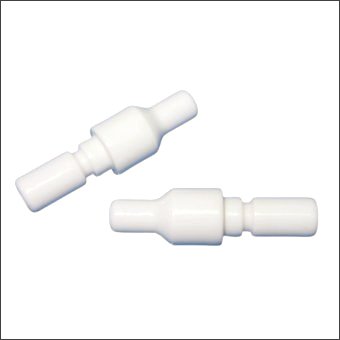
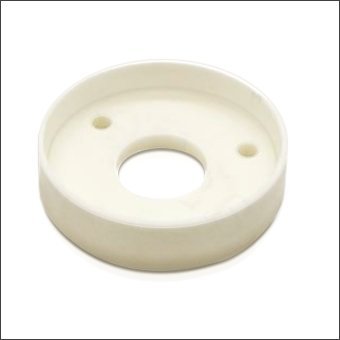
Design Considerations for Ceramic Washers
When selecting ceramic washers for industrial applications, several design factors should be considered.
Load Distribution
The washer diameter should be selected to distribute the load evenly and prevent stress concentration.
Thickness Selection
Washer thickness should be sufficient to prevent cracking under load.
Surface Contact
Flat and smooth contact surfaces help ensure even load distribution and prevent damage to ceramic components.
Material Selection
Material selection should match the operating environment, including temperature, mechanical load, and chemical exposure.
Ceramic Washer Quality Control
To ensure reliable performance, ceramic washers undergo several quality inspection processes.
Typical inspection items include:
- dimensional measurement
- surface defect inspection
- strength testing
- electrical insulation testing
Strict quality control ensures that ceramic washers meet industrial performance standards.
If you are looking for high-quality ceramic washers for industrial applications, Jinghui Industry can provide reliable solutions. Contact us today to discuss your project requirements or send us your drawings for a quotation.
Ceramic washers are used to distribute load and provide electrical insulation in mechanical and electrical assemblies.
Yes. Ceramic washers can withstand very high temperatures depending on the ceramic material used.
Ceramic washers excel in corrosive settings due to their chemical inertness. For example, alumina ceramics can withstand HCl and NaOH, maintaining their structural integrity, whereas stainless steel will corrode. In chemical processing plants, ceramic washers reduce replacement frequency by 70% and eliminate contamination risks. Their non-porous surface also prevents bacterial growth, critical for pharmaceutical applications.
The surface finish of ceramic washers can usually reach Ra 0.2-1.6μm (alumina/zirconia materials), depending on the forming process and post-processing.
The surface finish of standard dry-pressed parts is generally Ra 1.0-1.6μm, while hot pressing or injection molding combined with precision polishing can achieve an ultra-smooth surface of Ra 0.2-0.8μm.
Whether polishing is required depends on the application scenario: for general sealing and insulation purposes (such as electronic component washers), the original surface can meet the requirements; but in high-precision sealing (such as vacuum systems), fluid equipment or occasions where friction needs to be reduced, polishing is recommended.