


Introduction
Metallized ceramics combine the electrical, thermal, mechanical and chemical properties of technical ceramics with a metalized surface that enables reliable joining to metal components.
This technology is widely used where ceramic insulation, dimensional stability, electrical performance and reliable ceramic-to-metal joining are required. The appropriate metallization and joining method depends on the ceramic material, metal counterpart, operating environment, geometry and reliability requirements.
Explore the fundamentals of ceramic metallization, Mo-Mn metallization, ceramic-to-metal brazing, hermetic sealing, material selection, testing and common failure modes.
What Are Metallized Ceramics
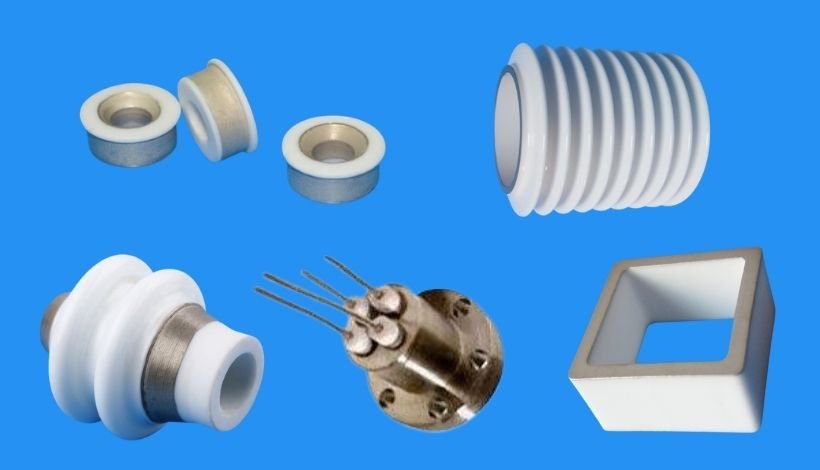
Metallized ceramics are ceramic components with a metallic layer applied to selected ceramic surfaces to facilitate subsequent ceramic-to-metal joining processes.
This technology is widely used in hermetic electronic packaging, vacuum systems, power electronics, aerospace components, medical devices, and high-reliability industrial applications where both electrical insulation and metallic connectivity are required.
Ceramics such as alumina (Al₂O₃), aluminum nitride (AlN), and zirconia offer excellent insulation, corrosion resistance, thermal stability, and high-temperature performance. However, these ceramic materials cannot be directly brazed with most metals because ceramic surfaces are inherently non-wettable.
Metallization solves this problem by creating an intermediate metallic interface between the ceramic and the metal component, allowing strong, stable, and hermetic ceramic-to-metal seals.
Today, metallized ceramics are essential in applications requiring:
- Hermetic sealing
- Vacuum integrity
- High-voltage insulation
- Thermal management
- High-temperature reliability
- Electrical conductivity
- Long-term mechanical stability
Ceramic Metallization Process
The metallization process creates a controlled metalized interface on the ceramic surface. Process selection and parameter control depend on the ceramic material, metallization system, component geometry and final joining requirements.

The ceramic body is manufactured to the required geometry and material specification. Surface condition and dimensional accuracy can influence the subsequent metallization and joining processes.

The ceramic surface is prepared before metallization. Cleaning and surface conditioning help provide a suitable interface for the metallization layer.

A selected metallization system is applied to the required ceramic surfaces. The metallization pattern, coverage and process parameters are controlled according to the component design.

For processes such as Mo-Mn metallization, controlled thermal treatment is used to develop the metallized layer and its interaction with the ceramic surface.

Additional metal plating may be applied depending on the subsequent joining process and application requirements. Nickel, silver or gold plating can be considered for different assembly conditions.

The metallized ceramic is joined to a compatible metal component using a suitable brazing system and controlled thermal cycle.

Depending on the application, inspection may include dimensional inspection, visual inspection, metallization adhesion evaluation, electrical testing, brazing inspection and hermeticity testing.
Metallization Methods
Different metallization technologies are available for ceramic components. The appropriate method depends on the ceramic material, component geometry, joining method, electrical requirements, production volume and reliability requirements.
| Metallization Method | Typical Characteristics | Considerations |
|---|---|---|
| Mo-Mn Metallization | Traditional metallization system widely used for ceramic-to-metal joining | Suitable process control and subsequent plating may be required |
| Thin-Film Metallization | Uses deposited thin metal layers to create controlled conductive surfaces | Layer structure, surface preparation and deposition process must be considered |
| Direct Metallization | Forms a metal layer directly on the ceramic surface through a selected process | Material compatibility and process conditions are important |
Mo-Mn Metallization
Mo-Mn metallization is widely used for ceramic components designed for reliable ceramic-to-metal joining. The process forms a metallized interface on the ceramic surface and can be followed by plating and brazing.
Thin-Film Metallization
Thin-film processes can provide controlled metal layers for applications requiring defined electrical or joining surfaces. The selection of deposition technology depends on the ceramic material, required layer structure and final application.
Direct Metallization
Direct metallization technologies can create a conductive metal layer on selected ceramic surfaces without relying on the same process sequence as traditional Mo-Mn systems. The appropriate process should be evaluated according to ceramic composition, surface condition and joining requirements.
There is no single metallization method that is suitable for every ceramic component. Need help selecting a metallization process? Contact our engineering team .
Key Parameters and Design Considerations
Reliable ceramic-to-metal assemblies require more than selecting a metallization method. The ceramic material, metallization layer, metal component, brazing system and operating environment should be evaluated as an integrated system.

Alumina, aluminum nitride, zirconia and other technical ceramics have different thermal, electrical and mechanical properties. Material selection should start from the requirements of the final application.

A significant mismatch in thermal expansion can generate stress during heating and cooling. The effect depends on the component geometry, joining structure, materials and thermal cycle.

The metallized layer must provide a stable interface for subsequent joining. Surface preparation, metallization coverage, thermal treatment and process control can all influence the quality of the interface.

Nickel, silver, gold or other plating systems may be selected according to the joining process and application requirements. Plating adhesion and surface condition should be controlled before brazing or assembly.

The brazing alloy and thermal cycle should be compatible with both the metallized ceramic and metal component. Joint design, clearance, heating rate, peak temperature and cooling conditions can influence the final assembly.

For sealed vacuum or pressure-sensitive assemblies, hermeticity may be a critical performance requirement.
The appropriate leak-testing method should be selected according to the product structure and required sensitivity.

The ceramic surface condition and dimensional accuracy can affect assembly fit, metallization consistency and brazing quality. Critical dimensions should be defined according to the actual joining structure rather than specified independently from the assembly.
Joint geometry, clearance, contact area and stress distribution can influence brazing quality and long-term reliability. Ceramic and metal components should be designed as an integrated assembly rather than as independent parts.
Why Conventional Brazing Often Requires Ceramic Metallization
Many conventional brazing systems do not readily wet ceramic surfaces in the same way they wet metallic surfaces. For this reason, a metallization layer may be used to create a suitable metallic interface for subsequent brazing.
Key reasons include:
-
Poor Wettability
Molten filler metals tend to form large contact angles on ceramic surfaces instead of spreading uniformly.
Poor wetting results in:
- Weak bonding
- Voids
- Leakage paths
- Low adhesion strength
-
Chemical Inertness
Ceramic materials are chemically stable oxides or nitrides.
This stability provides corrosion resistance and insulation performance but also prevents direct metallurgical bonding with metals.
-
Thermal Expansion Mismatch
Ceramics and metals often have significantly different coefficients of thermal expansion (CTE).
During heating and cooling cycles, thermal mismatch may generate:
- Residual stress
- Cracking
- Delamination
- Hermetic leakage
Proper material matching is critical in metallized ceramic engineering.
Metallized Ceramics Engineering Decision Guide
Selecting a metallized ceramic component can be approached through five basic engineering questions. The earlier these requirements are defined, the easier it is to optimize the ceramic design and joining process together.

Start with the required electrical, thermal, mechanical, chemical and dimensional properties.

Identify the metal component, joint geometry and joining location.

Choose a suitable metallization process based on the ceramic material and subsequent joining requirements.

Review CTE, thermal cycling, joint geometry, mechanical loading and operating temperature.

Determine the required dimensional inspection, metallization evaluation, brazing inspection, electrical testing and hermeticity testing.
Metallized Ceramics Engineering Articles
We provide complete metallized ceramics solutions, please explore practical engineering topics related to ceramic metallization, ceramic-to-metal joining, hermetic sealing, material selection and failure analysis. we will discuss and learn in detail in separate articles.
Browse all metallized ceramics articles →
- Metallization Processes
- Ceramic-to-Metal Sealing
- Hermetic Reliability & Failure Analysis
- Materials & Applications
A Quick Guide for Metalized Ceramics
This guide breaks down everything you need to know—from what metalized ceramics are to how they can solve critical design challenges.
Browse Article →
Moly-Manganese Metallization Process
Understand the basic process sequence, material considerations and role of Mo-Mn metallization in ceramic-to-metal joining.
Browse Article →
Gold vs Nickel Plating on Ceramics
Nickel or gold plating is often required to improve solderability, brazing reliability, corrosion resistance, or wire bonding performance.
Browse Article →
Active Brazing vs. Mo-Mn Metallization
Compare two different approaches to joining ceramics with metals and understand when each approach may be considered.
Browse Article →
CTE Matching in Ceramic-to-Metal Seals
Learn why thermal expansion compatibility matters and how material and joint design influence thermal stress.
Browse Article →
Three Critical Interfaces in Ceramic-to-Metal Sealing
Understand common failure mechanisms in ceramic-to-metal sealed assemblies.
Browse Article →
Metallization Porosity Affects Hermetic Performance
Metallization porosity refers to the volume fraction of microscopic voids present within the metallized layer deposited on a ceramic surface.
Browse Article →
Ceramic-to-Metal Hermetic Seal Failure
This article focuses on analyzing the key factors affecting the reliability of metal-ceramic airtight structures.
Browse Article →
Nickel Plating Delamination on Metallized Ceramics
Explore possible causes of nickel plating delamination and the relationship between surface preparation, metallization and plating.
Browse Article →
Long-Term Reliability of Brazed Ceramic Assemblies
Explore the factors that influence the reliability of ceramic-to-metal brazed joints during long-term service.
Browse Article →
Helium Leak Testing & Hermetic Standards Explained
Understand the principles of helium leak testing and why it is used for sensitive hermetic assemblies.
Browse Article →
Material Selection Guide for Metallized Ceramics
Compare key considerations when selecting alumina, aluminum nitride, zirconia and other technical ceramics for metallized applications.
Browse Article →
Metallized Alumina vs Metallized AlN
The selection between metallized alumina and metallized AlN is fundamentally determined by system-level thermal design and structural constraints, rather than the superiority of a single material property.
Browse Article →
Vacuum Feedthrough Engineering Guide
Vacuum feedthroughs transmit electrical, thermal, or mechanical signals across vacuum boundaries while maintaining hermetic integrity.
Browse Article →
Related Metallized Ceramic Products
-
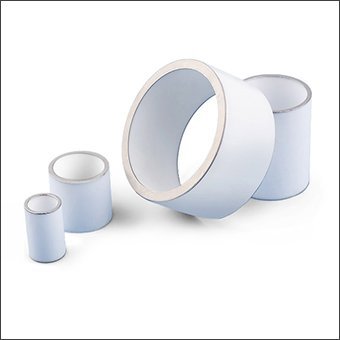
Ceramic tubes with selected metallized surfaces for ceramic-to-metal joining.
-
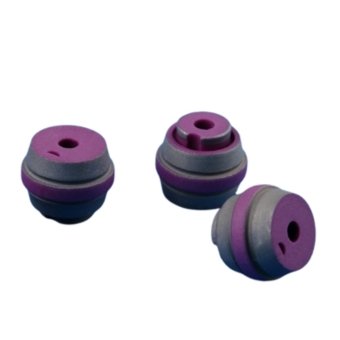
Insulating ceramic components with engineered conductive or joining interfaces.
-
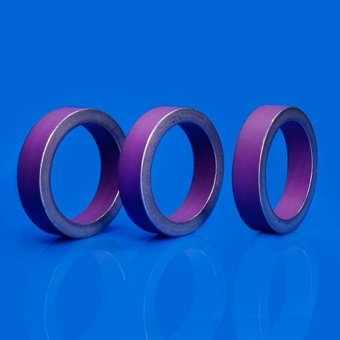
Circular ceramic components designed for sealing and metal joining applications.
-
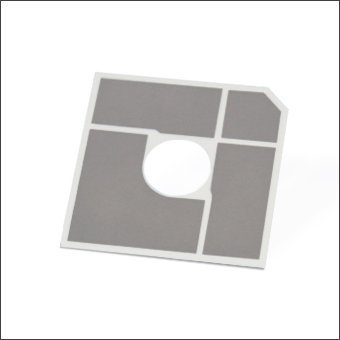
Ceramic substrates with metallized surfaces for electronic and power-related applications.
-
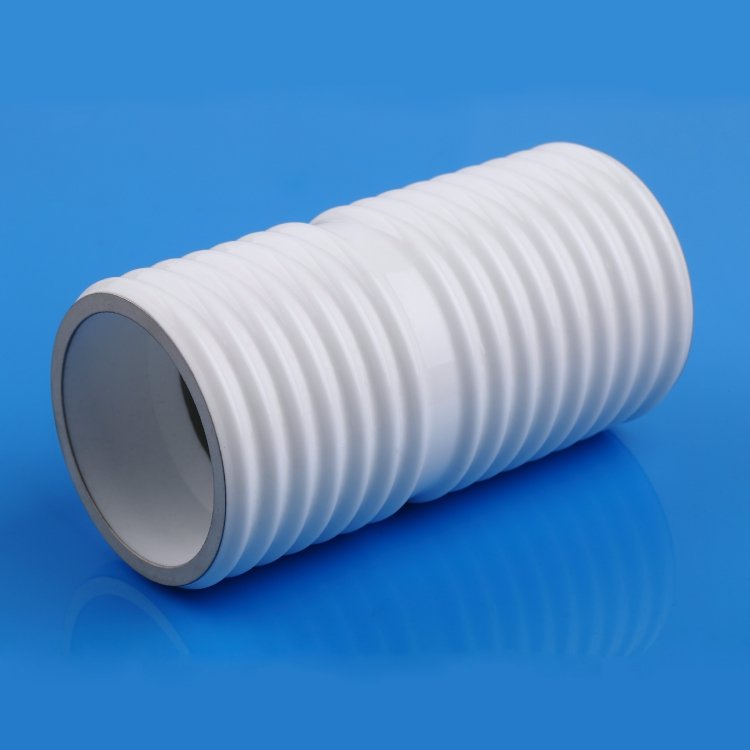
Cylindrical components with customized metallization patterns.
-
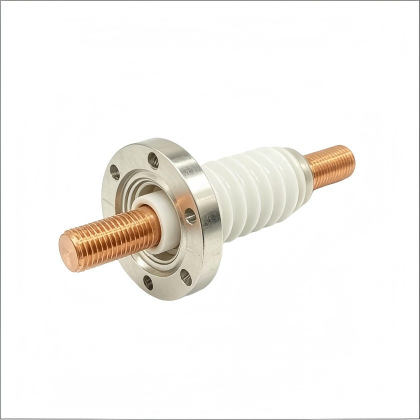
Ceramic and metal assemblies designed for electrical or hermetic feedthrough applications.
Metallized Ceramic Manufacturing Capabilities
Metallized ceramic manufacturing requires coordinated control of ceramic processing, precision machining, surface preparation, metallization, plating, brazing and inspection.
Our related manufacturing capabilities include:
- Ceramic material preparation
- Forming and pressing
- High-temperature sintering
- Precision grinding
- CNC machining
- Lapping and polishing
- Surface preparation
- Ceramic metallization
- Nickel, silver and gold plating
- Ceramic-to-metal brazing
- Dimensional inspection
- Electrical and performance testing
- Inspection and Testing Coordination
The manufacturing process is selected according to the ceramic material, component geometry, metallization system and final assembly requirements.
Explore Ceramic Manufacturing Capabilities →
Need a Custom Metallized Ceramic Solution?
Every ceramic-to-metal assembly has its own material, geometry, joining and reliability requirements.
Send us your drawing, specification or application requirements. Our engineering team can review:
- Ceramic material selection
- Metallization method
- Metallization area and pattern
- Metal counterpart
- Brazing or joining method
- CTE compatibility
- Dimensional requirements
- Hermeticity requirements
- Surface finishing and plating
- Production requirements
Metallized ceramics should be designed as part of the complete joining system—not as an isolated ceramic component.
Understanding the relationship between ceramic material, metallization, plating, brazing, metal selection, thermal expansion and inspection can help prevent many problems before production begins.
Explore the technology resources above or contact our engineering team to discuss your application.
Some ceramic-to-metal joining technologies can join ceramics without a conventional pre-metallization step, depending on the ceramic material, active brazing system and joint design. However, traditional brazing systems generally require a suitable metallic interface on the ceramic surface. The correct approach depends on the ceramic, metal, brazing alloy and performance requirements.
Mo-Mn metallization is a ceramic metallization technology commonly used to create a metalized surface suitable for subsequent plating and ceramic-to-metal brazing. The process typically involves applying a metallization system to selected ceramic surfaces followed by controlled thermal treatment. The exact process depends on the ceramic material, component geometry and required joining performance.
Mo-Mn metallization and active brazing represent different approaches to ceramic-to-metal joining. Mo-Mn uses a metallized ceramic surface as an interface for subsequent joining, while active brazing uses an active element in the brazing alloy to promote wetting and bonding with ceramic surfaces. Selection depends on material compatibility, geometry, production requirements and application conditions.
Nickel plating can be used as an additional surface layer over metallization to provide a suitable interface for subsequent brazing or assembly. Its role depends on the metallization system, brazing alloy and final application. Plating adhesion and surface condition are important because defects at the plating interface can affect the reliability of the final assembly.
Hermeticity testing is used to determine whether a sealed ceramic-to-metal assembly meets its specified leakage requirement. Helium leak testing is one commonly used method for sensitive hermetic assemblies. The test method and acceptance criteria should be defined according to the product structure, application and applicable customer or industry requirements.
Metallization delamination can have multiple causes, including ceramic surface condition, contamination, metallization process control, thermal treatment, material compatibility, mechanical stress and subsequent plating or brazing processes. Failure analysis should examine the complete interface rather than assuming that the metallization layer itself is the only cause.
Ceramics and metals may expand at different rates during heating and cooling. Differences in coefficient of thermal expansion can generate stress within the joint, particularly during thermal cycling. The actual effect depends on the material combination, joint geometry, dimensions, brazing process and operating conditions.
A technical drawing is the best starting point. Please provide the ceramic material or required properties, dimensions and tolerances, metallization areas, metal material, joining method if known, operating temperature, electrical or hermeticity requirements and annual or project quantity. Our engineering team can then review the design and recommend a suitable manufacturing and joining process.