


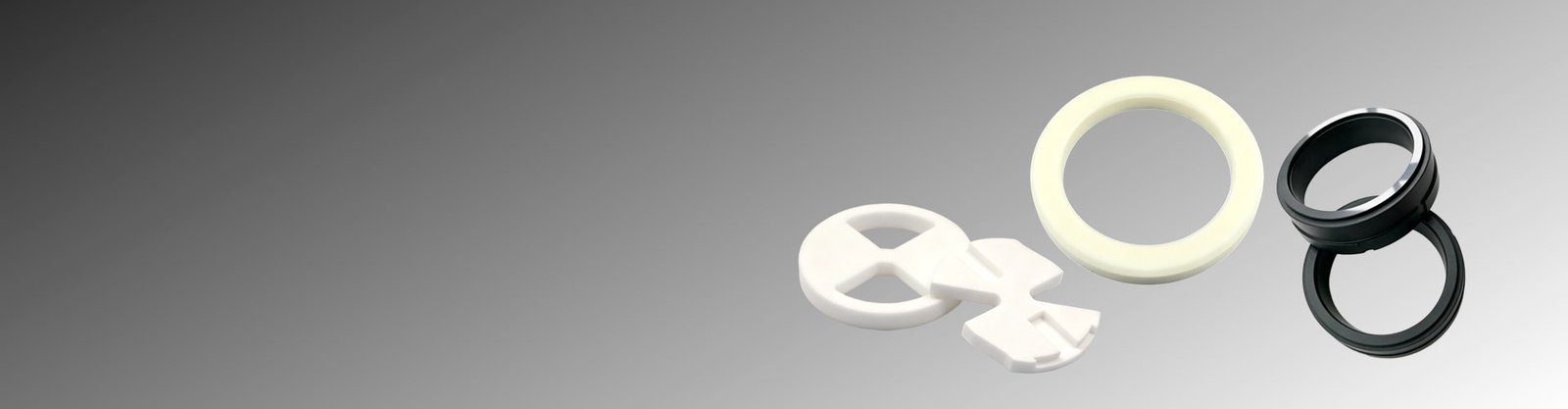
Why Use Ceramic Seal Rings
What Are Ceramic Seal Rings and Why Are They Used
Ceramic seal rings are precision-engineered components used to create sealing interfaces in static or dynamic sealing systems. They are typically manufactured from advanced technical ceramics and machined to tight dimensional tolerances to ensure accurate fit and consistent sealing performance.
In many industrial systems, seal rings play a critical role in controlling the passage of liquids, gases, or process media between mating surfaces. Because sealing performance often depends on the quality and stability of the sealing interface, the material used for the seal ring can have a significant impact on overall system reliability.
For applications that require high precision, dimensional stability, and long-term performance, ceramic materials are often selected as an alternative to conventional sealing materials.
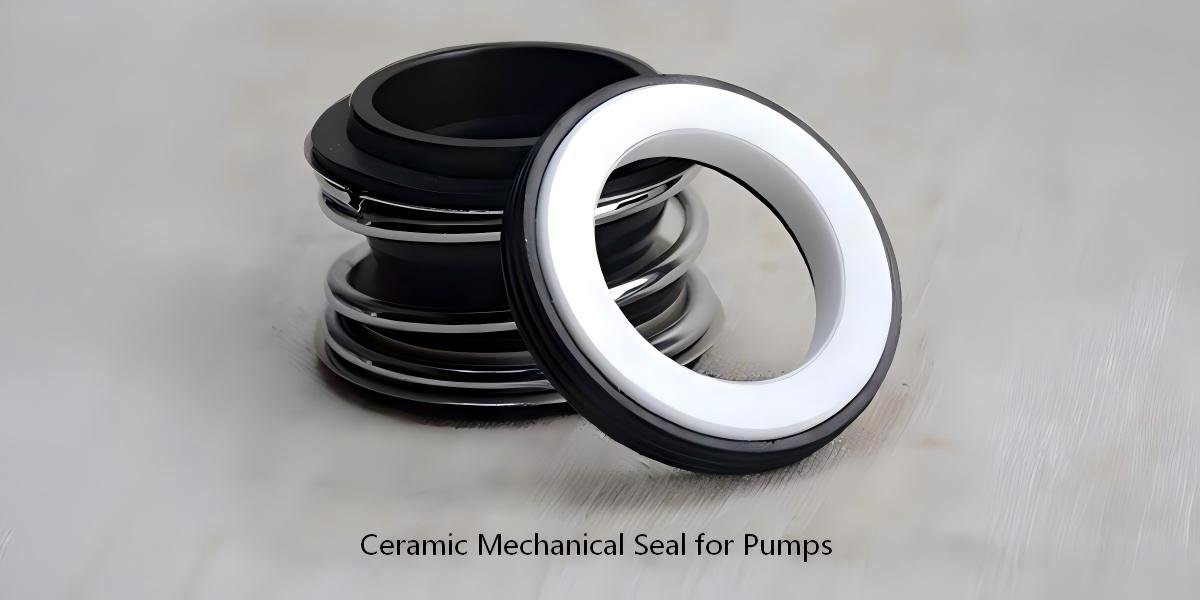
Common Challenges with Conventional Seal Materials
Traditional seal ring materials such as metals, polymers, and carbon-based components can experience wear, corrosion, thermal deformation, or surface damage over time. These issues may lead to leakage, reduced efficiency, unplanned downtime, and increased maintenance costs.
Industries handling abrasive slurries, corrosive chemicals, high-purity fluids, or elevated temperatures often require sealing solutions capable of withstanding conditions that exceed the limitations of conventional materials.
| Property | Ceramic | Stainless Steel | Engineering Polymers |
| Hardness | Excellent | Good | Limited |
| Wear Resistance | Excellent | Good | Moderate |
| Corrosion Resistance | Excellent | Good | Excellent |
| Temperature Resistance | Excellent | Good | Moderate |
| Dimensional Stability | Excellent | Good | Moderate |
| Electrical Insulation | Excellent | Poor | Excellent |
| Service Life | Long | Medium | Medium |
How Ceramic Seal Rings Improve Performance
Advanced ceramic materials offer a unique combination of properties that make them well suited for critical sealing applications. Their high hardness helps resist abrasive wear, while excellent corrosion resistance allows them to perform reliably in chemically aggressive environments. In addition, their dimensional stability and low deformation characteristics contribute to consistent sealing performance and longer service life.
By reducing wear-related failures and extending maintenance intervals, ceramic seal rings can help improve equipment reliability and lower overall operating costs.
Typical Applications
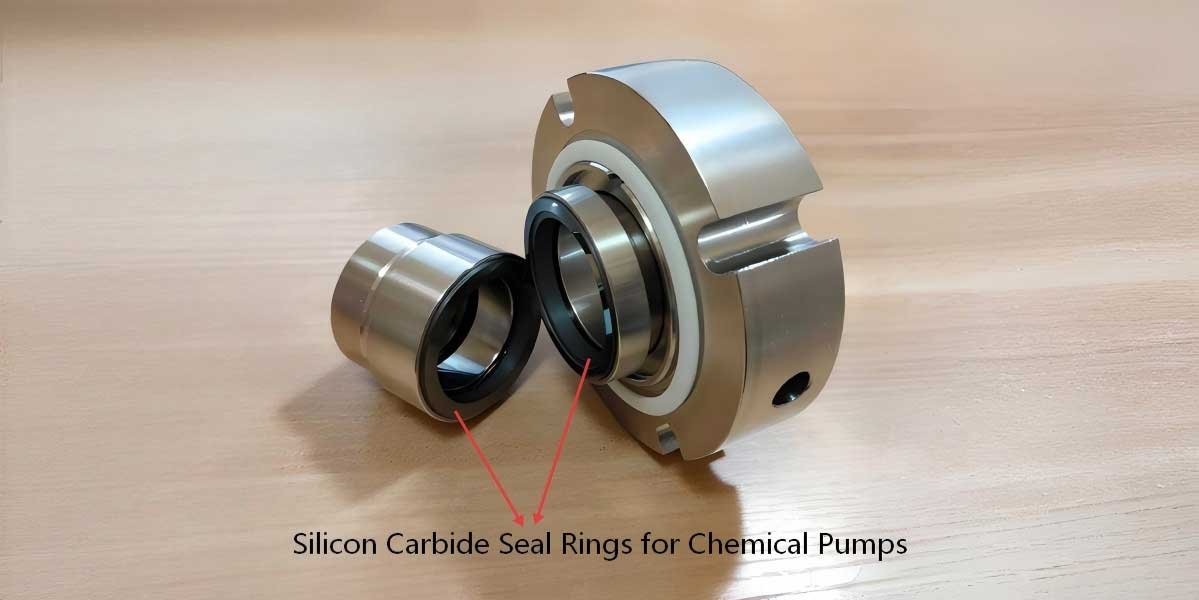
Ceramic seal rings are widely used in mechanical seals, pumps, valves, compressors, chemical processing equipment, water treatment systems, pharmaceutical machinery, and other industrial applications where sealing performance, durability, and reliability are essential.
Key Features of Ceramic Seal Rings
Ceramic seal rings combine high-performance material properties with precision manufacturing to ensure reliable operation in demanding sealing systems. Their key characteristics can be grouped into three functional categories:
Mechanical Performance
- High hardness for excellent resistance to surface wear and abrasion
- Precision-ground and lapped sealing faces for stable contact and low leakage
- Excellent dimensional stability under mechanical load and rotation
- High stiffness to maintain structural integrity in dynamic sealing conditions
Operational Performance
- Suitable for continuous-duty and high-speed rotating equipment
- Reliable sealing performance under long-term operating cycles
- Reduced wear-related failure frequency, minimizing maintenance downtime
- Extended service life in industrial pump, valve, and mechanical seal systems
Chemical Performance
- Outstanding resistance to acids, alkalis, solvents, and aggressive process media
- Non-reactive surface behavior suitable for high-purity and corrosive environments
- Stable performance in chemically intensive operating conditions
Ceramic Materials Selection for Seal Rings
Selecting the right ceramic material is critical to achieving optimal sealing performance, service life, and cost efficiency. Different operating conditions require different material characteristics such as wear resistance, toughness, thermal stability, and chemical resistance.
Material Selection Guidance
- Choose Alumina for cost-effective general-purpose sealing
- Choose Zirconia for impact-prone or mechanically demanding conditions
- Choose Silicon Carbide for abrasive, high-wear environments
- Choose Silicon Nitride for high-temperature and high-speed applications
For optimal performance, material selection should be based on operating pressure, temperature, media type, and mechanical load conditions.
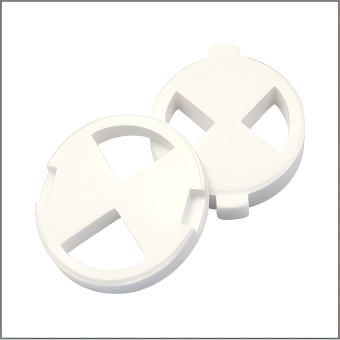
For General Industrial Sealing Applications
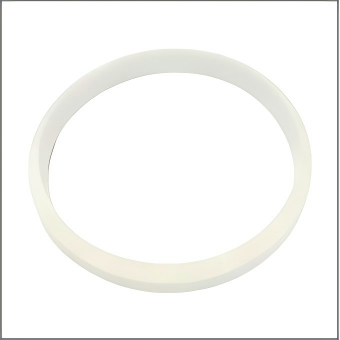
For High Mechanical Load or Impact Conditions
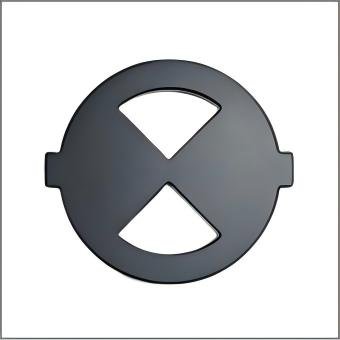
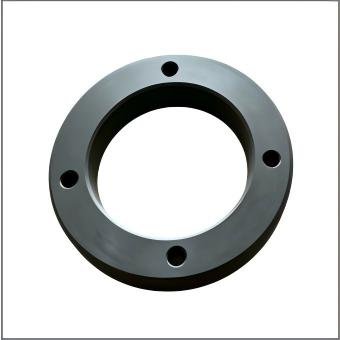
For High Temperature and High Strength Applications
Types of Ceramic Seal Rings We Manufacture
We manufacture ceramic seal rings in various configurations to meet the requirements of rotating, stationary, and custom sealing systems.
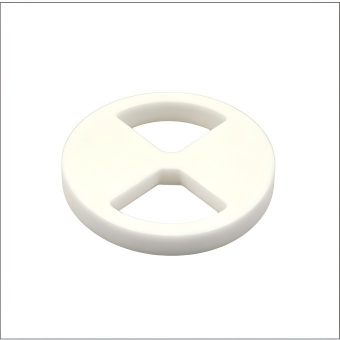
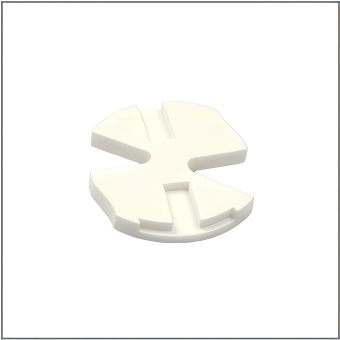
Engineered for rotating shafts and dynamic sealing conditions.
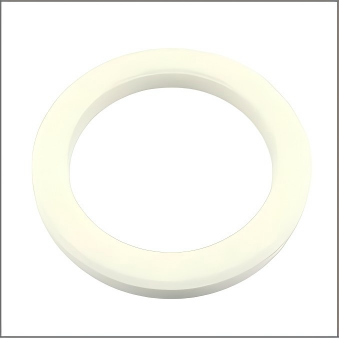
Provide precision face contact for reliable sealing performance.
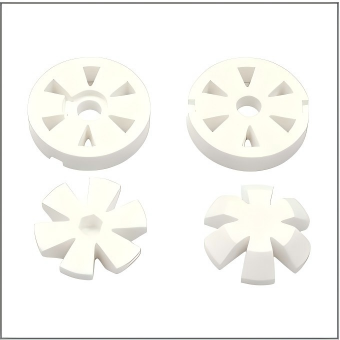
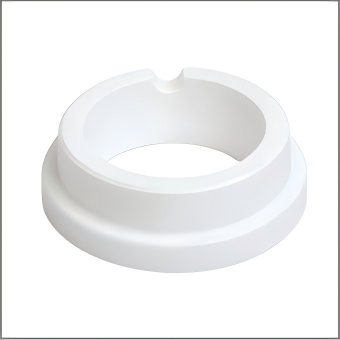
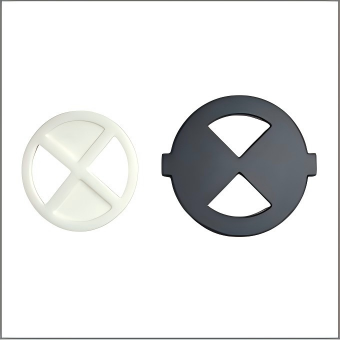
Tailored to unique application and performance requirements.
Typical Applications
Ceramic seal rings are used in sealing systems that require reliable performance under wear, corrosion, temperature variation, and continuous operation.
1. Mechanical Seal Systems
Precision sealing faces for reliable leakage control and long service life.
2. Industrial Pumps
Resist wear and maintain sealing performance in demanding pump applications.
3. Valves and Flow Control Equipment
Provide stable sealing in corrosive and abrasive process environments.
4. Compressors and Rotating Equipment
Support reliable sealing under high-speed and continuous operation.
5. Chemical Processing Equipment
Suitable for aggressive chemicals and challenging process media.
6. Water and Wastewater Treatment Systems
Improve sealing reliability in continuous-duty fluid handling equipment.
7. Food and Pharmaceutical Processing Equipment
Ideal for clean, wear-resistant, and chemically stable sealing applications.
8. Energy and Industrial Process Systems
Designed for demanding operating conditions and extended service cycles.
Typical Specifications
Ceramic seal rings used in mechanical seal systems are manufactured to meet strict dimensional and surface quality requirements to ensure reliable sealing performance, low leakage, and long service life in rotating equipment.
1. Dimensional Capabilities
- Outer Diameter: 2 – 180 mm
- Inner Diameter: 0.5 – 250 mm
- Thickness: 0.5 – 25mm
- Roundness: 0.1mm (for precision sealing faces)
- Flatness: ≤002 mm (lapped sealing surfaces)
2. Surface Finish
- Sealing Face Roughness: up to Ra 0.1μm (mirror polishing)
3. Tolerance Control
- General dimensional tolerance:±0.1 mm ~ ±0.3 mm
- Precision sealing components: up to ±0.05mm (depending on geometry and material)
4. Material Stability Requirements
- High dimensional stability under pressure and rotational load
- Maintains flatness and sealing integrity during continuous operation
- Suitable for high-speed mechanical seal environments
5. Application-Oriented Quality Focus
These specifications are not general ceramic standards, but are specifically designed and controlled for mechanical seal applications.
Custom Manufacturing Capabilities
From prototype development to volume production, we provide custom ceramic seal rings tailored to your application requirements.

Material selection and design review based on application requirements.

Custom production from drawings, CAD files, or technical specifications.

Tight tolerances and precision sealing surfaces for critical applications.

Grinding, lapping, and polishing for enhanced sealing performance.

From prototypes to large-scale production with consistent quality.

Comprehensive inspection to ensure dimensional accuracy and reliability.
We manufacture ceramic seal rings in alumina, zirconia, silicon carbide, and silicon nitride, with material selection based on operating conditions and performance requirements.
Ceramic seal rings are widely used in pumps, valves, compressors, chemical processing equipment, water treatment systems, and other industrial sealing applications.
Yes. Ceramic materials offer excellent resistance to many acids, alkalis, solvents, and aggressive process media, making them suitable for corrosive environments.
Yes. We provide custom manufacturing based on drawings, samples, CAD files, or specific application requirements.
The best material depends on the operating environment. Alumina is commonly used for general applications, while silicon carbide is often preferred for severe wear and demanding sealing conditions.
Yes. Precision grinding, lapping, and polishing are available to achieve the surface finish required for sealing performance.
MOQ depends on the material, dimensions, and manufacturing process. We support both prototype quantities and volume production projects.
Related Ceramic Products
-
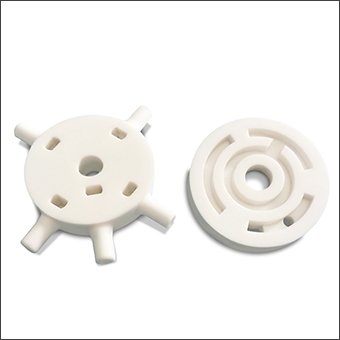
Precision ceramic parts for valves, flow control, and sealing systems.
-
-
-
-
-
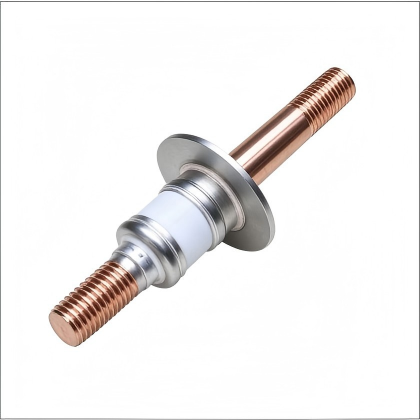
Hermetic ceramic-to-metal components for vacuum and electrical sealing systems.