


Overview
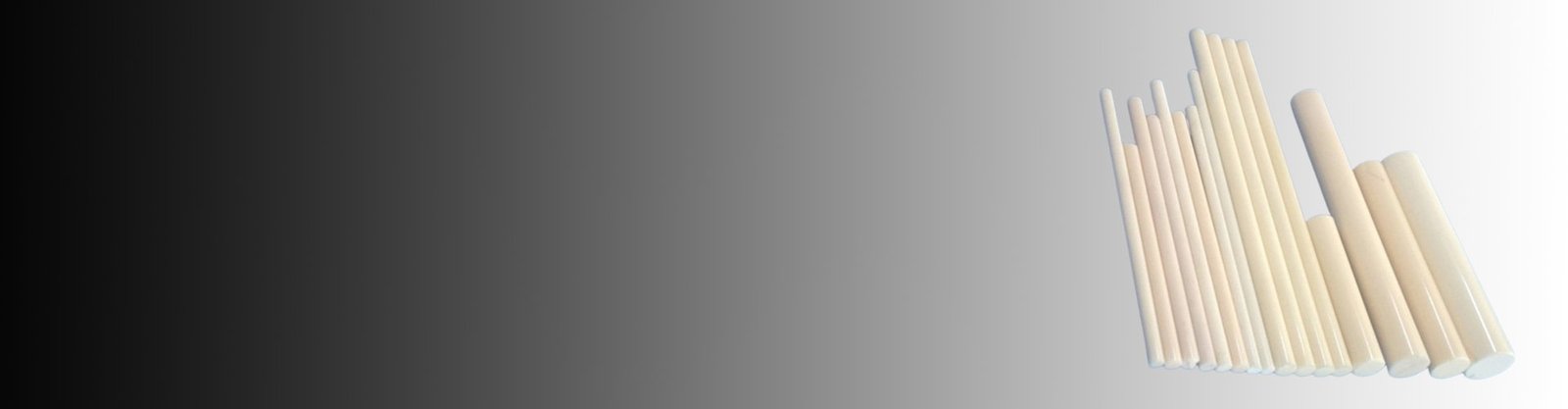
Jinghui manufactures custom alumina ceramic rods for applications requiring electrical insulation, hardness, wear resistance and dimensional stability. From standard solid rods to precision-ground components, we supply alumina rods in customer-specified diameters, lengths and geometries.
Key options:
- Different alumina grades and dimensions
- Solid round rods and custom cross-sections
- Precision grinding and surface finishing
- Machined features based on technical drawings
- Prototype and production orders
Custom Alumina Rods Manufactured to Your Specifications
Alumina ceramic rods are solid ceramic components made primarily from aluminum oxide (Al₂O₃). They are widely selected when a component needs to maintain hardness, electrical insulation and resistance to wear or elevated temperatures.
Unlike metal rods, alumina rods do not conduct electricity and do not suffer from metallic corrosion. Their high hardness makes them suitable for contact and sliding applications where surface wear is a concern. They can also serve as insulating supports, positioning elements and structural parts in equipment operating under demanding conditions.
Jinghui supplies alumina rods for both general industrial use and drawing-based custom applications. Depending on the required dimensions and tolerances, rods can be supplied in a formed or machined condition.
If your design includes a specified diameter, length, straightness, surface finish or end geometry, send us your drawing for a manufacturability review.
Alumina Rods by Features
We supply solid alumina rods in different configurations to meet varying component requirements. The following are typical product forms. Actual availability depends on material grade, dimensions and manufacturing feasibility.
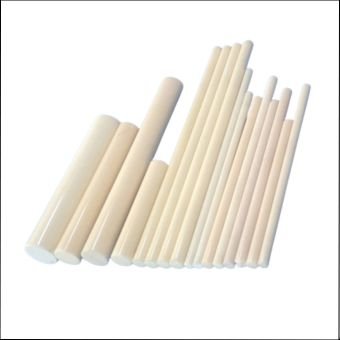
Solid cylindrical rods for general industrial applications. Suitable for use as insulating pins, support elements and wear-resistant components.
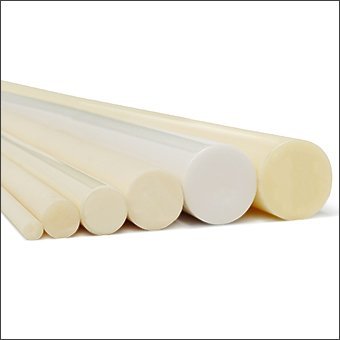
Rods with ground outer diameters to meet specified dimensional requirements. Suitable for applications where diameter consistency and surface quality are important.
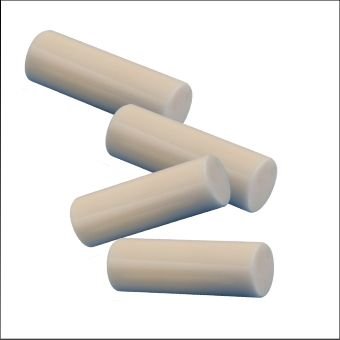
Surface-finished rods for applications requiring a smoother contact surface. The achievable finish depends on the material grade, geometry and polishing process.
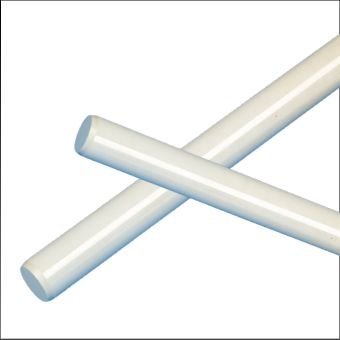
Rods with chamfered or rounded edges to facilitate assembly and reduce sharp-edge damage during handling.
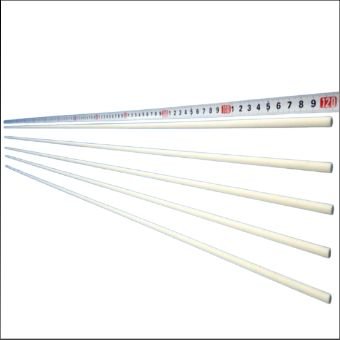
These long, solid cylindrical rods are designed for specialized industrial applications and can serve as insulating rods, connecting rods, or wear-resistant components.
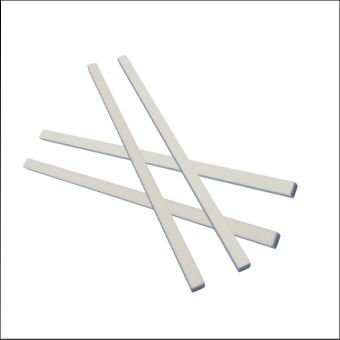
The outer cross-section is square, making it suitable for parts with specific assembly requirements.
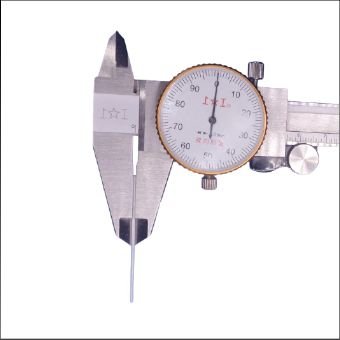
Used in certain micro or small-scale devices for applications requiring electrical insulation, high hardness, wear resistance, and corrosion resistance.
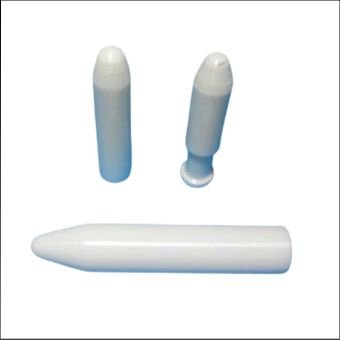
Non-standard rod geometries, including specified end features, grooves, steps or other machined details, subject to drawing review.
Choose the Right Alumina Grade for Your Application
Alumina rods are available in different purity grades. The appropriate grade depends on the required electrical, mechanical, thermal and dimensional properties, as well as the operating environment and cost target.
Common material options include:
| Alumina Grade | General Characteristics | Typical Considerations |
|---|---|---|
| 95% Alumina | Good balance of mechanical properties, insulation and cost | General industrial components |
| 96% Alumina | Widely used electrical insulating ceramic | Insulating pins, supports and equipment components |
| 99% Alumina | Higher alumina content and good wear resistance | Precision and demanding industrial applications |
| 99.5% / 99.7% Alumina | High-purity options for applications with more demanding material requirements | Confirm property and processing requirements with our engineers |
The values and performance of alumina ceramics can vary with powder composition, forming method, sintering conditions and test standards. A higher alumina percentage does not automatically mean that a grade is the best choice for every application.
When selecting an alumina rod, consider:
- Required electrical insulation performance
- Contact pressure, bending load and impact risk
- Wear conditions and mating material
- Operating temperature and temperature variation
- Chemical exposure and cleaning environment
- Dimensional tolerance and surface finish
- Total component cost and expected service life
If you are unsure which grade to specify, provide your application details and we can help review the material options.
Why Use Alumina Ceramic Rods?
Alumina is one of the most widely used engineering ceramic materials because it combines several useful properties for industrial components.

Alumina is an electrical insulating material and is commonly used in components that require electrical separation or insulating support. Actual insulation performance depends on material grade, temperature, moisture and operating conditions.

Alumina has high hardness and can provide good resistance to abrasive wear. It is worth considering for pins, guides and contact components exposed to repeated friction. However, the performance of a rod in a wear application also depends on contact pressure, surface finish, alignment and the material of the mating part.

Alumina maintains its structural and insulating characteristics at elevated temperatures. The practical operating temperature of a finished component depends on its grade, load, thermal cycling, atmosphere and installation conditions.

Alumina offers resistance to many chemical environments and does not rust like steel. Chemical compatibility should nevertheless be checked against the specific acid, alkali, concentration, temperature and exposure time.

Alumina has a relatively low coefficient of thermal expansion compared with many metals. This can be beneficial where dimensional changes with temperature need to be considered. Design allowances are still necessary for thermal expansion and assembly conditions.

Alumina is hard but brittle. It is less tolerant of impact, tensile stress and sudden mechanical loading than many metals. Sharp corners, thin sections, unsupported spans and uneven clamping can increase the risk of fracture.
For this reason, component design and installation are just as important as material selection.
Precision Machining and Customization
Precision Machined Alumina Rods Based on Your Drawings
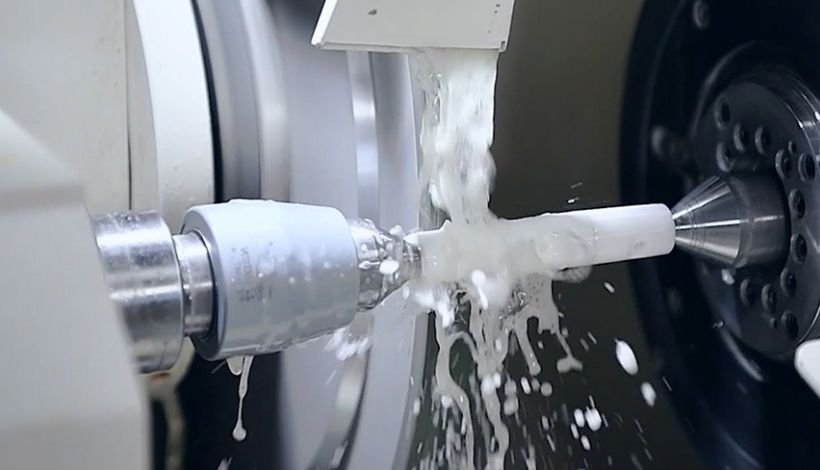
For applications requiring more than a standard ceramic blank, secondary machining can be considered to achieve the specified dimensions and functional features.
Depending on the rod geometry and technical requirements, available machining operations may include:
- Centerless or cylindrical grinding: For controlling the outer diameter and improving roundness.
- Surface grinding: For machining specified end faces or reference surfaces.
- Chamfering: For improving edge conditions and assembly.
- Polishing: For applications requiring a smoother surface.
- Cutting to length: For producing rods to specified overall lengths.
- Custom machining: For selected grooves, steps, holes or other features, subject to feasibility review.
Ceramic machining is different from metal machining. The hardness and brittleness of alumina require suitable diamond tools, controlled processing conditions and careful handling.
Not every feature can be economically machined on every rod size. Long, slender rods, small diameters, deep features and tight geometric tolerances may require additional engineering review.
Send us your drawing to check the achievable tolerances and manufacturing route.
Dimensional Control and Inspection
For ceramic rods, nominal diameter and length are only part of the specification. Depending on the assembly and operating conditions, other dimensional and surface requirements may also affect component performance.
When preparing a drawing or purchase specification, consider identifying the following:
| Inspection Item | Why It Matters |
|---|---|
| Outer diameter | Determines fit, clearance and contact conditions |
| Overall length | Affects assembly position and working stroke |
| Diameter tolerance | Controls dimensional consistency |
| Straightness | Important for long or rotating rod applications |
| Roundness / cylindricity | Relevant to precision fitting and rotation |
| End-face flatness | May affect seating and contact |
| Surface roughness | Influences friction and contact behavior |
| Chamfer and edge condition | Helps avoid edge interference and handling damage |
Inspection methods should be selected according to the feature, tolerance and measurement requirements. Critical dimensions should be clearly identified on the drawing.
Jinghui can review your dimensional requirements before quotation to help determine whether the proposed geometry and tolerances are suitable for ceramic manufacturing.
Alumina Rod vs. Metal Rod
Alumina ceramic rods and metal rods serve different engineering purposes. The right choice depends on the component’s operating conditions rather than a simple comparison of material properties.
- Comparison Items
- When to Consider Alumina
- When Metal May Be More Suitable
| Consideration | Alumina Ceramic Rod | Metal Rod |
|---|---|---|
| Electrical conductivity | Electrical insulator | Usually electrically conductive |
| Hardness | High hardness | Varies by alloy and heat treatment |
| Wear behavior | Good potential for abrasive wear resistance | Depends on alloy, coating and surface treatment |
| Corrosion | Resistant to many chemical environments | Depends on metal and protective treatment |
| Temperature | Suitable for selected high-temperature applications | Depends on alloy and operating conditions |
| Impact tolerance | Brittle; sensitive to impact and tensile stress | Generally more tolerant of impact |
| Machining | Requires specialized ceramic machining | Generally easier to machine |
| Weight | Depends on alumina grade and dimensions | Depends on metal type |
- Electrical insulation is required.
- High surface hardness is important.
- Wear or corrosion is a major concern.
- The component operates at elevated temperatures.
- The design can accommodate ceramic brittleness.
- The component experiences significant impact or bending.
- Ductility and toughness are essential.
- The design requires extensive threads or complex machining.
- The component must tolerate deformation rather than fracture.
In some assemblies, a ceramic rod can also be combined with metal fittings or holders. The connection design should account for differences in thermal expansion and the brittle nature of ceramics.
Typical Applications
Alumina rods can be considered for industrial equipment where electrical insulation, hardness, wear resistance or high-temperature performance is required.
Electrical Insulation Components
Used as insulating pins, support rods and electrical isolation elements in equipment where conductive metal components are unsuitable.
Industrial Machinery and Automation
Potentially used as positioning pins, wear-resistant contact elements and support components in mechanisms. The design should account for impact loads and mounting conditions.
High-Temperature Equipment
Used as selected support or insulating components in heating systems, furnaces and thermal-processing equipment, subject to the actual temperature and atmosphere.
Wear-Related Components
Suitable for consideration in applications involving sliding contact or abrasive wear, provided that contact stress, counterface material and lubrication conditions are properly evaluated.
Laboratory and Process Equipment
May be used as insulating or structural elements in equipment exposed to heat or selected chemical environments.
Why Work with Jinghui Ceramic?
Your Custom Alumina Rod Manufacturing Partner
Jinghui focuses on custom advanced ceramic components for industrial customers. We work with customer drawings and application requirements to review material selection, component geometry and machining needs.
For alumina rod projects, our support can include:
- Drawing-based quotation: Review 2D drawings, 3D models or dimensioned sketches.
- Material selection support: Discuss suitable alumina grades based on electrical, mechanical and operating requirements.
- Custom dimensions: Evaluate specified diameters, lengths and end configurations.
- Secondary machining: Review grinding, cutting, chamfering and other feasible finishing requirements.
- Project communication: Clarify critical dimensions, inspection requirements and order details before production.
Our objective is not simply to supply a ceramic blank, but to help customers obtain a rod component that fits the intended assembly and operating conditions.
An alumina ceramic rod is a solid rod-shaped component made primarily from aluminum oxide (Al₂O₃). It is commonly selected for electrical insulation, high hardness, wear resistance and use in selected high-temperature environments. The appropriate grade and dimensions depend on the intended application.
Common industrial alumina grades include 95%, 96%, 99% and higher-purity options such as 99.5% or 99.7%. Availability depends on the required dimensions and manufacturing route. The best grade should be selected according to the required properties and operating conditions rather than purity percentage alone.
Yes. Custom projects can be reviewed based on 2D drawings, 3D models or dimensioned sketches. Please specify the material grade, diameter, length, tolerances, surface finish, quantity and any special features. We will review manufacturability before confirming the quotation.
Precision grinding can be considered for controlling the outer diameter and improving dimensional consistency. The achievable tolerance depends on rod diameter, length, geometry, material condition and inspection requirements. Please provide a drawing for a project-specific assessment.
Polishing may be available for selected rod geometries and applications. The achievable surface finish depends on the material grade, dimensions and process. If surface roughness is critical, specify the required Ra value and the measurement location on your drawing.
Alumina is used in many high-temperature industrial applications. However, the maximum practical operating temperature of a rod depends on its grade, mechanical load, atmosphere, thermal cycling and installation conditions. Please share the actual operating environment for material assessment.
Selected features such as grooves, steps or holes may be achievable through secondary ceramic machining. Feasibility depends on the rod dimensions, feature size, depth, position and required tolerances. Complex features should be reviewed using a detailed drawing.
To prepare an accurate quotation, please provide the material grade, rod diameter, overall length, dimensional tolerances, surface finish, end details, order quantity and application conditions. A 2D drawing or 3D model is especially helpful for custom-machined parts.
Alumina is hard and wear-resistant but brittle compared with most metals. It can be damaged by impact, tensile stress, uneven clamping or sudden temperature changes. The design should consider support, clearance, edge geometry and assembly loads.