

Introduction
Poor adhesion and uneven coverage in ceramic metallization can result not only from the metallization process itself, but also from the condition of the ceramic surface before processing.
Ceramic metallization involves specific interface-forming mechanisms. Residues, contamination, and surface defects may affect the uniformity and bonding quality of the metallized layer. It is therefore important to assess the ceramic surface before it enters the metallization process.
This article focuses on ceramic surface preparation before metallization and answers one key question: What should be checked on a ceramic surface before metallization, and why?
Why Is Surface Preparation Important?
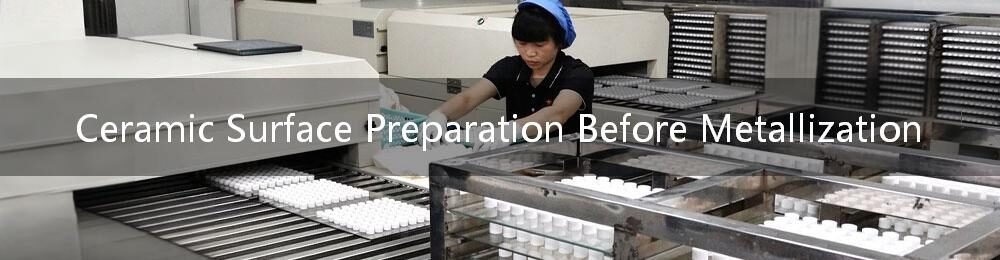
After sintering, grinding, cleaning, or handling, ceramic components may carry organic residues, dust, or mold-release agents. They may also contain microcracks or pits. Even minor surface contamination or defects can affect the quality and consistency of the metallized layer.
Even a small amount of fingerprint oil may reduce local wettability and interfere with uniform metallization coverage, while a microcrack that is invisible to the naked eye may become a stress concentration point during thermal cycling and compromise interfacial bonding.
Ceramic surface preparation is therefore more than simply washing a component. Its purpose is to bring the surface into a condition that can be reliably processed by the selected metallization method. If an unsuitable surface condition is not identified beforehand, rework or scrapping may be the only options later in production.
Four Surface Conditions to Check Before Metallization
Rather than explaining how grinding and polishing are used to control Ra, this section focuses on how to determine whether the existing ceramic surface is suitable for the selected process.
Surface Cleanliness
Contaminants can be broadly divided into organic substances, such as oils and fingerprints, and inorganic particles, such as dust and machining debris. Organic contamination can alter the surface condition and interfere with wetting or subsequent layer formation, depending on the metallization process. Inorganic particles can create localized barriers at the interface.
Where appropriate for the process, water-film continuity can be used as an auxiliary check of surface wettability and cleanliness. If the water film breaks or retracts noticeably, further assessment may be needed to determine whether surface contamination is present. For critical applications, inspection methods and acceptance criteria should be selected for the specific ceramic material and metallization process.
Surface Roughness
Not every metallization process requires a smoother surface. The required surface roughness should be determined by the selected metallization method and its validated process requirements. For more information on substrate surface finishing, see our guide to ceramic substrate grinding and polishing.
Surface Defects and Integrity
Microcracks may be difficult to detect by visual inspection, yet they can compromise component integrity or contribute to interfacial failure during subsequent thermal cycling. Chipped edges and pits may also lead to incomplete metallization coverage. For high-reliability applications, visual inspection combined with low-magnification microscopy is a basic step. Particular attention should be paid to edges and hole walls on ceramic components that have undergone machining or laser cutting, where the risk of microcracks may be higher.
Material-Specific Considerations
Different ceramic materials have different surface characteristics and different levels of resistance to cleaning media. Pretreatment requirements for alumina depend on the specific metallization process. For aluminum nitride (AlN), particular attention should be paid to surface changes that may result from moisture exposure or cleaning media. For silicon nitride, the effects of surface treatment on grain-boundary phases and surface integrity should be evaluated. Pretreatment should therefore be selected according to the material and process requirements rather than applying a single cleaning or roughening procedure to all ceramics.
Common Ceramic Surface Preparation Steps
The following are examples of common surface preparation steps. The specific sequence, cleaning media, and process conditions should be selected according to the ceramic material, type of contamination, and subsequent metallization process, and should be validated.
- Removal of dust and loose residues by ultrasonic cleaning, where suitable
- Degreasing with an appropriate cleaning solution
- Rinsing with deionized water
- Drying
- Controlled handling
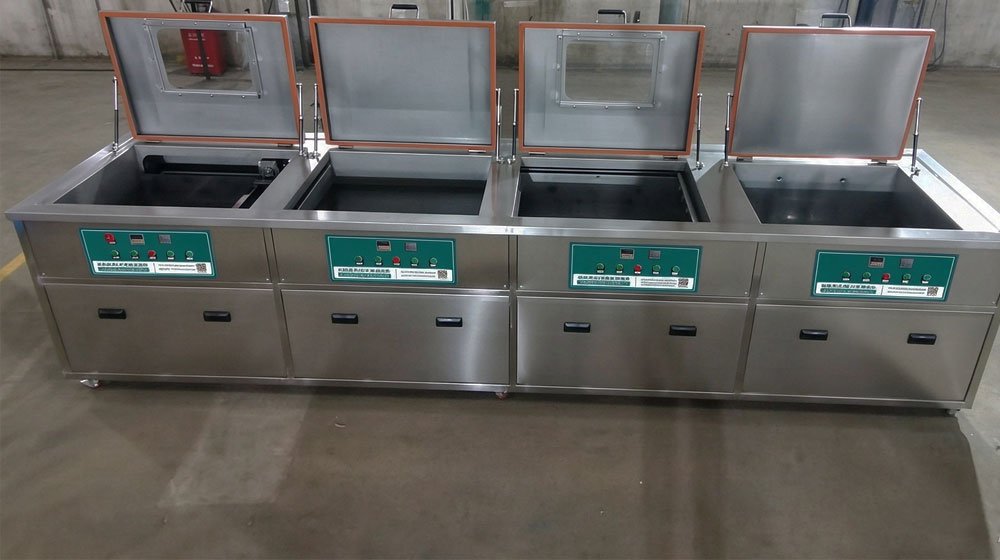
Drying is easy to overlook. If water spots remain, dissolved salts may leave localized contamination on the surface. Controlled handling is also essential: touching a cleaned component with bare hands can reintroduce fingerprint oils. Using clean gloves and minimizing the time between cleaning and metallization can help prevent recontamination and maintain the prepared surface condition.
Pretreatment Considerations for Different Metallization Processes and Ceramic Materials
Different metallization processes and ceramic materials require different surface preparation approaches. The points below focus only on what to check before processing, not on the detailed steps of each process.
Mo-Mn metallization: Before coating, check the cleanliness, surface integrity, and consistency of the ceramic surface to reduce the risk that contamination or localized defects will affect the formation and bonding quality of the metallized layer. For a detailed explanation of the process, see our guide to the Mo-Mn metallization process.
Thick-film metallization: Before coating, pay attention to surface cleanliness and particle contamination. Contaminants may interfere with uniform paste application and affect the quality of the metallized layer formed during subsequent firing.
Thin-film metallization: A high level of surface cleanliness is essential before sputtering. Fine particles can interfere with film deposition and may contribute to pinhole formation.
Aluminum nitride (AlN): Evaluate the compatibility of cleaning media and surface treatment conditions with the material. Moisture exposure and unsuitable chemical treatments may alter the surface condition. Pretreatment procedures should therefore be validated specifically for AlN rather than transferred directly from alumina processes.
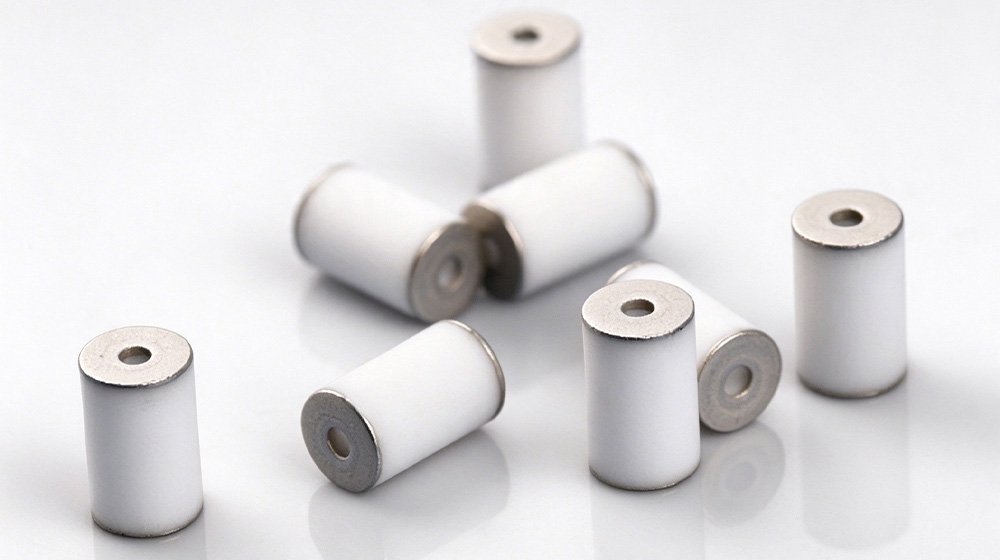
The appropriate surface preparation depends on the ceramic material, the selected metallization method, and the requirements of the final application. Jinghui manufactures metallized ceramic components for a range of industrial applications, with material and process options selected according to project requirements.
Common Surface Preparation Mistakes to Avoid
Cleaning without inspection: Focusing only on cleaning while overlooking microcracks and chipped edges may leave defects that become sites for stress concentration, cracking, or delamination during thermal cycling.
Assuming a smoother surface is always better: Surface finish requirements vary by metallization method. The required surface condition should be determined by the selected process rather than by pursuing maximum smoothness.
Recontamination after cleaning: Handling components with bare hands may introduce fingerprint oils, which can lead to localized coverage defects in processes sensitive to surface contamination. Surface contamination is one of several factors that may affect coating adhesion. For a closer look at related failure mechanisms, read our article on nickel plating delamination on metallized ceramics.
Applying thick-film criteria to thin-film processes: Fine particles that are acceptable in one process may compromise thin-film continuity and, in certain applications, increase the risk of hermeticity failure
Frequently Asked Questions
Q1. Does ceramic need to be polished before metallization?
Not necessarily. Polishing requirements depend on the metallization method, the required surface finish, and the application. Some processes require a smoother surface, while others can accommodate different surface textures. The key is to meet the surface requirements of the selected metallization process rather than polishing the ceramic by default.
Q2. How can you check ceramic surface cleanliness before metallization?
Surface cleanliness can be assessed using inspection methods appropriate to the material and process. Visual inspection can identify visible residues and particles, while wettability checks may provide additional information where applicable. For critical applications, the inspection method and acceptance criteria should be validated for the specific ceramic material and metallization process.
Q3. Does AlN require the same surface preparation as alumina?
Not necessarily. Alumina and aluminum nitride have different material characteristics and may respond differently to cleaning media and surface treatments. The preparation procedure should therefore be selected and validated for the specific material and metallization process rather than transferring an alumina procedure directly to AlN.
Conclusion
Effective ceramic surface preparation before metallization starts with controlling the surface condition. Because requirements vary by ceramic material and metallization process, pretreatment procedures should be tailored to the specific application. Proper preparation provides a consistent starting point for subsequent metallization and brazing and helps reduce variability in downstream processing.