


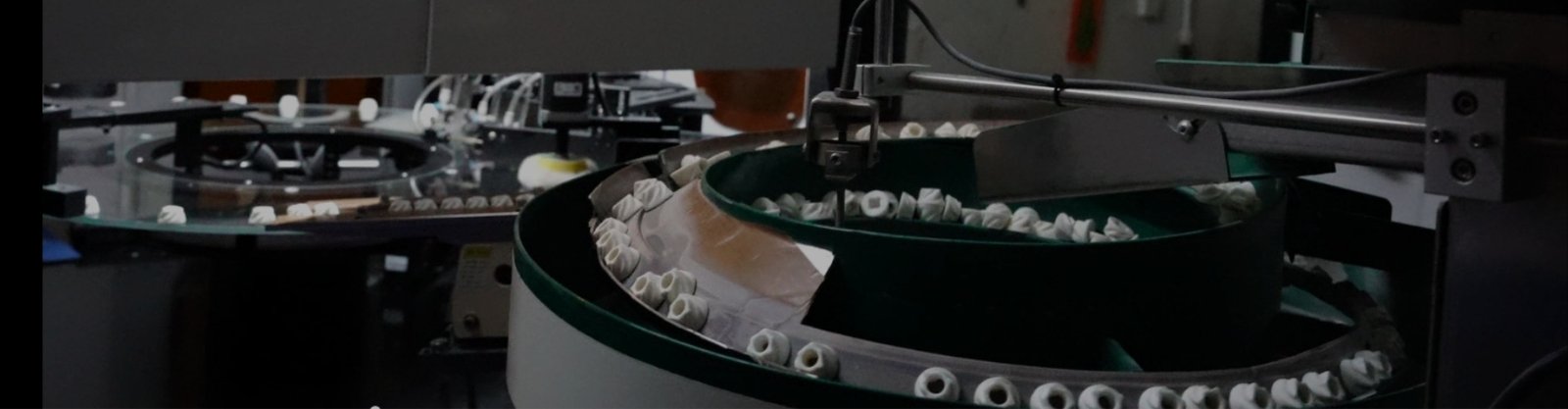
Introduction
Ceramic burrs performance is determined by more than ceramic material alone. Grinding results depend on the interaction between material properties, burr geometry, dimensional accuracy, surface condition, alignment, adjustment mechanism and operating conditions.
A ceramic burr may have high hardness and good wear resistance, yet still produce inconsistent grinding if its tooth geometry, dimensional control or assembly alignment is not properly matched to the grinding system.
This technology hub explains the engineering factors behind ceramic grinding systems—from how particles are broken between the burrs to how geometry, tolerance, wear and assembly affect the final grinding result.
Use this hub to understand how ceramic burrs are designed, manufactured, evaluated and troubleshot.
Understanding Ceramic Grinding
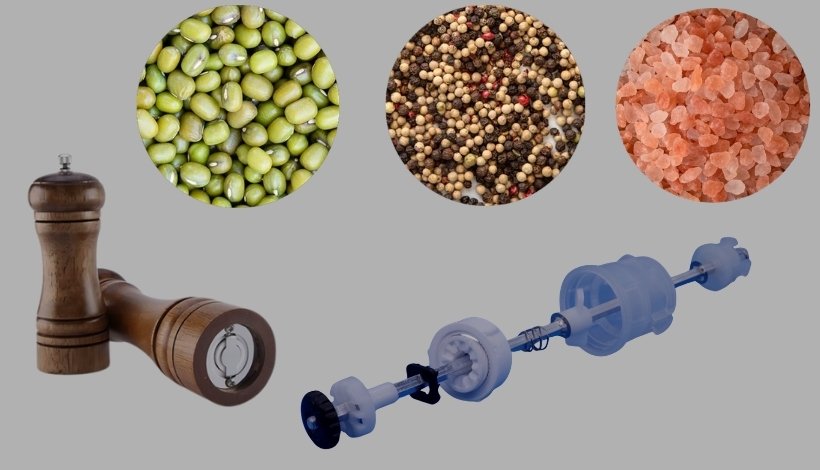
Ceramic burrs generate grinding action through a combination of crushing, shearing and friction.
As the material enters the grinding zone, the gap between the inner and outer burr surfaces gradually reduces. Particle size is influenced by the burr geometry, grinding gap, material properties and movement through the grinding zone.
A simplified grinding process can be understood as:
Feed Material → Crushing → Shearing → Friction → Particle Breakage → Particle Size Distribution
The final particle distribution is therefore not determined by burr material alone.
Key Engineering Factors
- Burr geometry
- Grinding gap
- Tooth profile
- Material properties
- Burr alignment
- Dimensional accuracy
- Surface condition
- Adjustment mechanism
- Operating conditions
Engineering Insight:Grinding consistency is a system-level result, not a material property alone.
What Determines Ceramic Burr Grinding Performance
A practical way to evaluate ceramic burr performance is to consider the complete engineering chain:
Material → Geometry → Tolerance → Surface → Alignment → Adjustment → Operating Conditions
Each factor can influence grinding behavior. A high-quality ceramic burr therefore needs to be evaluated as part of the complete grinding system.
Engineering Principle:The objective is not to maximize every parameter. The objective is to achieve the required grinding performance with a balanced combination of material, geometry, tolerance and assembly.

Hardness, wear behavior, strength and fracture resistance

Grinding efficiency and particle-size distribution

Consistency of grinding gap and dimensional repeatability

Friction, wear and material flow

Stability of the grinding gap during rotation

Control of coarse and fine grinding

Load, speed, feed material and usage environment
Ceramic Burr Material Selection
Ceramic material selection should start with the grinding requirements rather than material hardness alone.
For many ceramic grinding applications, alumina provides a practical balance of hardness, wear resistance, dimensional stability and manufacturing cost.
Steatite may be considered for applications where cost and application requirements allow a lower-performance material option.
Material selection should consider:
- Required wear life
- Grinding load
- Impact risk
- Dimensional stability
- Grinding speed
- Food-contact requirements
- Manufacturing cost
- Production volume
Material Selection Principle:Select the material according to the required grinding conditions—not simply the material with the highest nominal performance.
For food-contact applications, the selected ceramic grade and complete grinding assembly should be evaluated against the applicable regulatory and customer requirements.
Burr Geometry & Grinding Design
Burr geometry determines how material enters, moves through and exits the grinding zone.
Important design features include:
- Tooth profile
- Tooth height
- Groove geometry
- Inner and outer diameter
- Grinding gap
- Feed opening
- Discharge path
- Mounting interface
Flat vs. Conical Burrs
Flat and conical burrs use different grinding geometries and therefore create different mechanical and spatial conditions inside the grinding system.
Flat burrs use two opposing grinding surfaces.
Conical burrs use an inner cone rotating inside a matching outer burr.
The appropriate geometry depends on the required particle distribution, available installation space, grinding load, adjustment method and target application.
Engineering Principle:Burr geometry should be designed together with the complete grinder mechanism, not as an isolated ceramic component.
Tolerance, Alignment & Assembly
Dimensional accuracy becomes especially important when two ceramic burrs work together. Small variations in critical dimensions can affect:
- Grinding gap
- Concentricity
- Burr alignment
- Rotational stability
- Adjustment repeatability
- Wear distribution
The ceramic burr itself may meet its drawing requirements, yet the complete grinding system can still perform poorly if the burrs are not correctly aligned after assembly.
Important Assembly Factors:
Burr Geometry + Dimensional Tolerance + Shaft Alignment + Housing Position + Adjustment Mechanism
These factors should be evaluated as one system.
Engineering Insight:Grinding consistency depends not only on how accurately the burr is manufactured, but also on how accurately the complete mechanism is assembled.
Wear, Surface Condition & Service Life
Ceramic burr wear is not only a question of how much material has been removed.
Wear can gradually change the geometry of the grinding teeth and therefore alter the grinding gap, particle distribution and grinding efficiency.
A simplified wear relationship is:
Wear → Geometry Change → Grinding Gap Change → Particle Distribution Change
Important wear-related factors include:
- Material hardness
- Abrasive content of the feed material
- Tooth geometry
- Surface condition
- Grinding load
- Operating frequency
- Foreign-object impact
Surface condition also matters. Rough or damaged areas can change friction and material flow, while local damage at tooth edges may accelerate further wear or chipping.
Engineering Principle:Service life should be evaluated by maintaining required grinding performance—not simply by the number of operating cycles.
Ceramic Burr Failure Modes
Ceramic burr failures can originate from material, geometry, machining, assembly or operating conditions. When a ceramic burr fails, the cause should not be assigned to material quality immediately. A more useful investigation sequence is:
Material → Geometry → Manufacturing → Machining → Assembly → Operating Conditions → Failure
This approach helps separate the original cause from secondary damage.

Possible factors:material properties, stress concentration, machining damage, assembly stress

Possible factors:sharp edges, impact, handling, foreign objects

Possible factors:excessive load, impact, geometry, material behavior

Possible factors:burr alignment, geometry, wear, adjustment

Possible factors:tooth profile, grinding gap, wear, material characteristics

Possible factors:wear, surface condition, geometry, operating conditions
Ceramic Burr Manufacturing Considerations
Ceramic burr manufacturing involves more than forming and sintering. A typical manufacturing sequence is:
Material Preparation → Forming → Sintering → Precision Machining → Surface Finishing → Inspection → Assembly
Each stage can influence the final grinding performance. Key Manufacturing Considerations is:
Forming
The initial geometry and material distribution influence subsequent dimensional stability.
Sintering
Ceramic shrinkage and microstructural development must be controlled to achieve repeatable dimensions and material properties.
Precision Machining
Grinding and other finishing processes are used to control critical dimensions, tooth geometry and surface condition.
Inspection
Critical dimensions, surface condition and structural integrity should be verified according to the function of the burr.
Assembly
The final grinding mechanism must maintain the designed relationship between inner and outer burrs.
Engineering Principle: The final performance of a ceramic burr is the result of the complete manufacturing and assembly process—not one individual production step.
Ceramic Burr Engineering Articles
Explore detailed engineering topics related to burr design & grinding principles, performance & failure analysis,materials & manufacturing.
Browse all ceramic burr engineering articles →
- Burr Design & Grinding Principles
- Performance & Failure Analysis
- Materials & Manufacturing
Ceramic Grinding Core Guide
Ceramic burr guide: materials, design & OEM solutions
Browse Article →
Flat vs. Conical Ceramic Burrs
A comparison of grinding geometry, operating characteristics and design considerations.
Browse Article →
Adjustable Ceramic Grinding Mechanism Selection Guide
Material, burr geometry, adjustment systems and OEM design considerations.
Browse Article →
Why Does a Ceramic Burr Crack? Root Causes Explained
A structured approach to identifying cracking and chipping mechanisms.
Browse Article →
Why Does a Pepper Grinder Produce Uneven Powder?
Possible causes related to burr geometry, alignment, wear and adjustment.
Browse Article →
What Determines Ceramic Burr Grinding Performance?
Why material is only one part of the grinding performance equation.
Browse Article →
What Determines the Cost of a Ceramic Grinding Burr?
Material, geometry, machining, tolerance, tooling and production-volume factors.
Browse Article →
Conical Burr Grinder Ceramic vs Steel
Explore the differences between ceramic burrs and steel burrs, their advantages and limitations, and how to choose the right one for your needs.
Browse Article →
Ceramic vs Steel Grinding Burr
Ceramic burr vs stainless steel burr: which burr material is better for grinders
Browse Article →
Application Requirements
-
 Coffee Grinding
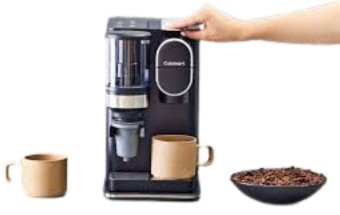
Particle-size consistency, adjustment repeatability
-
 Pepper Grinding
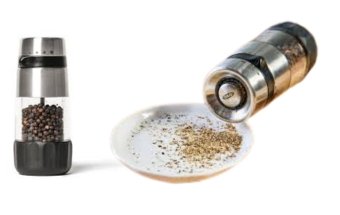
Grinding range, corrosion resistance, durability
-
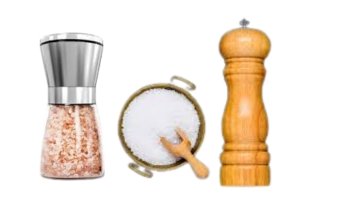 Salt Grinding
Corrosion resistance, material compatibility
-
 Spice Grinding
Material compatibility, particle control
-
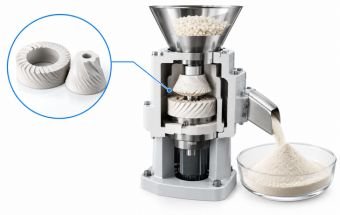 Industrial Powder Grinding
Wear, geometry, throughput and process stability
Grinding Performance Troubleshooting
When grinding performance changes, the most useful approach is to start from the observed symptom and work backward through the grinding system.
| Symptom | Possible Areas to Check |
|---|---|
| Uneven particle size | Burr geometry, alignment, wear, adjustment |
| Excess fine powder | Tooth profile, grinding gap, wear |
| Reduced throughput | Burr wear, material feed, geometry, surface condition |
| Increased operating torque | Grinding gap, alignment, material load, friction |
| Burr chipping | Edge geometry, impact, foreign objects, assembly stress |
| Burr cracking | Stress concentration, machining damage, assembly or operating load |
| Unstable adjustment | Thread, spring force, assembly tolerance, burr alignment |
Troubleshooting Principle: Do not replace the ceramic burr immediately when a grinding problem occurs. First determine whether the root cause is related to:
Burr → Mechanism → Assembly → Material → Operating Condition
This can prevent unnecessary component replacement and help identify the actual source of performance variation.
A ceramic burr should be designed together with the complete grinding mechanism. If you are developing a new grinder or experiencing inconsistent grinding performance, send us your drawing, sample, burr dimensions, grinding material and target particle size.
Our engineering review can focus on:
- Burr geometry
- Material selection
- Critical dimensions
- Grinding gap
- Alignment
- Machining requirements
- Surface condition
- Assembly considerations
Contact us for engineering consultation, burr design optimization, and customized ceramic grinding component manufacturing support.
Ceramic burr performance depends on material, burr geometry, dimensional accuracy, surface condition, alignment, adjustment mechanism and operating conditions.
Tooth geometry and grinding clearance determine how material is crushed and sheared inside the grinding zone, which influences the resulting particle-size distribution.
Uneven grinding may be related to burr geometry, dimensional variation, misalignment, wear, adjustment instability or changes in the feed material.
Cracking can result from stress concentration, impact, machining damage, assembly stress, material characteristics or operating conditions.
Wear can gradually change tooth geometry and grinding clearance, which may alter particle-size distribution and grinding efficiency.
Alignment is important because the relative position of the inner and outer burrs affects the stability of the grinding gap during operation.
Material should be selected according to wear requirements, load, impact risk, dimensional stability, food-contact requirements, manufacturing cost and production volume.
Start with the observed grinding symptom and evaluate the burr, geometry, alignment, assembly, material and operating conditions systematically.