

Introduction
Textile ceramic guides are critical wear-resistant components widely used in modern textile machinery. They guide yarn, wire, filament, fiber, and thread smoothly during winding, spinning, twisting, weaving, and drawing processes. Compared with metal guides, ceramic guides provide significantly better wear resistance, surface smoothness, corrosion resistance, and long-term dimensional stability.
However, one of the most common questions from textile manufacturers is:“How long should textile ceramic guides actually last?”
The answer depends on multiple factors, including ceramic material selection, yarn type, surface roughness, machine speed, operating environment, and maintenance conditions.
This article explains the expected service life of textile ceramic guides, the main factors affecting durability, common failure modes, material comparisons, and how to maximize guide lifetime in textile production systems.
What Are Textile Ceramic Guides?
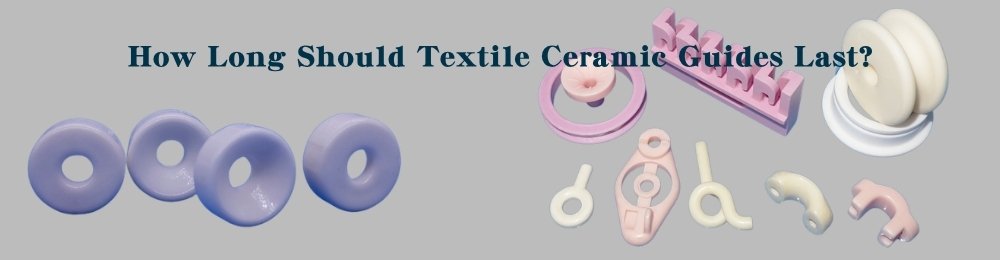
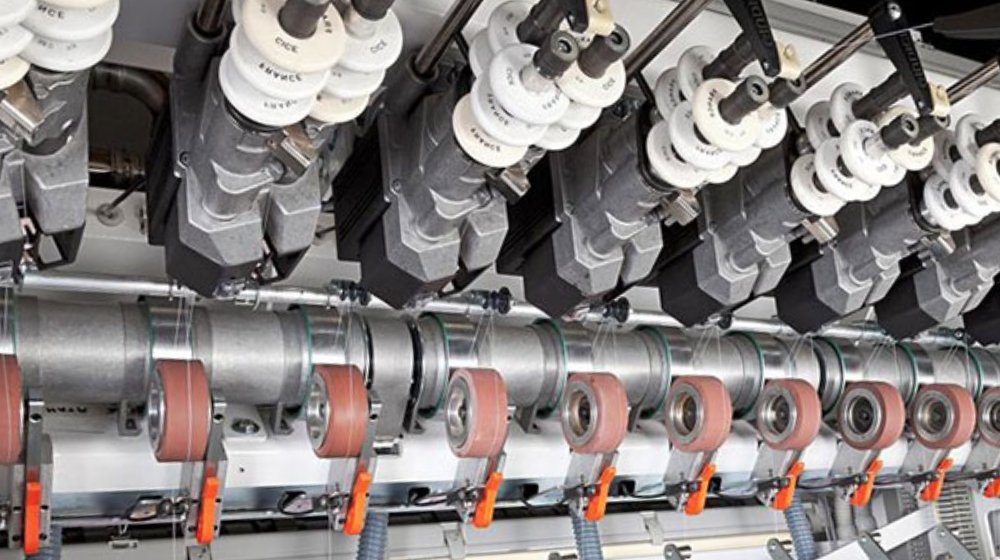
Textile ceramic guides are precision ceramic components used to control yarn movement while minimizing friction and wear. They are commonly installed in:
- Spinning machines
- Winding machines
- Texturizing equipment
- Knitting machines
- Wire drawing systems
- Fiber processing lines
Typical textile ceramic products include:
- Yarn guides
- Eyelets
- Ceramic rollers
- Ceramic hooks
- Tension guides
- Thread guides
- Traverse guides
How Long Should Textile Ceramic Guides Last?
Under normal operating conditions, high-quality textile ceramic guides can typically last:
| Application Condition | Typical Service Life |
|---|---|
| Standard textile yarn production | 1–3 years |
| High-speed filament processing | 6–24 months |
| Glass fiber or metal wire processing | 3–12 months |
| Premium polished alumina guides | 2–5 years |
| Zirconia ceramic guides | Often longer under high-friction conditions |
In many textile factories, ceramic guides can operate continuously for millions of yarn-contact cycles before replacement becomes necessary.
However, actual lifetime depends heavily on wear conditions and operating parameters.
Key Factors Affecting Textile Ceramic Guide Lifetime
1. Ceramic Material Selection
Different ceramic materials provide different wear resistance and toughness.
Common materials include:
| Material | Characteristics |
|---|---|
| Alumina (Al₂O₃) | Excellent wear resistance and cost-effectiveness |
| Zirconia (ZrO₂) | Higher toughness and crack resistance |
| Titania Ceramics | Improved anti-static properties |
| Silicon Nitride | High toughness for specialized applications |
High-purity alumina ceramics are currently the most widely used textile ceramic material.
2. Yarn Type and Abrasiveness
Different yarn materials generate different wear behavior.
Highly abrasive materials include:
- Glass fiber
- Carbon fiber
- Metal wire
- High-strength synthetic yarns
These materials can significantly shorten guide lifetime if improper ceramic materials are used.
3. Surface Roughness
Surface finish directly affects yarn friction and wear.
A smoother ceramic surface:
- Reduces yarn damage
- Minimizes friction heat
- Improves running stability
- Extends service life
High-end textile ceramic guides may achieve surface roughness below Ra 0.05 μm.
4. Machine Speed
Higher yarn speed increases:
- Friction
- Heat generation
- Surface wear
- Impact stress
Ultra-high-speed textile equipment requires ceramics with superior polishing quality and thermal stability.
5. Installation and Alignment
Improper installation may create uneven yarn contact, causing localized wear and premature failure.
Correct alignment is essential for maximizing ceramic guide life.
Common Failure Modes of Textile Ceramic Guides
Typical failure modes include:
- Surface groove wear
- Edge chipping
- Microcracks
- Surface roughening
- Thermal damage
- Fracture from impact
Most failures originate from excessive friction, contamination, poor alignment, or accidental impact.
Alumina vs Zirconia Textile Ceramic Guides
| Property | Alumina | Zirconia |
|---|---|---|
| Hardness | Higher | Moderate |
| Toughness | Moderate | Higher |
| Wear Resistance | Excellent | Excellent |
| Impact Resistance | Moderate | Better |
| Cost | Lower | Higher |
How to Extend Textile Ceramic Guide Lifetime
Recommended practices include:
- Selecting suitable ceramic materials
- Maintaining ultra-smooth surfaces
- Regular cleaning and inspection
- Preventing yarn contamination
- Ensuring correct alignment
- Avoiding excessive mechanical impact
- Using optimized yarn tension
Preventive maintenance can significantly reduce unexpected downtime.
Why Are Ceramic Guides Better Than Metal Guides?
Compared with metal guides, ceramic guides provide:
- Longer wear life
- Lower friction
- Better corrosion resistance
- Improved yarn quality
- Higher dimensional stability
- Reduced maintenance frequency
This is why advanced textile machinery increasingly uses ceramic wear components.
FAQ
Q1:What is the best ceramic material for textile guides?
A:High-purity alumina is the most widely used material due to its excellent wear resistance and cost performance, while zirconia is preferred for higher-impact conditions.
Q2:How do ceramic guides reduce yarn damage?
A:Ultra-smooth ceramic surfaces reduce friction and heat generation, minimizing yarn abrasion and improving yarn consistency.
Q3:When should textile ceramic guides be replaced?
A:Guides should be replaced when visible groove wear, surface roughness increase, yarn damage, or unstable tension occurs.
Conclusion
Textile ceramic guides play a critical role in modern textile manufacturing by improving wear resistance, yarn quality, and production stability. Their service life depends on material selection, operating conditions, machine speed, and maintenance practices.
With proper ceramic material selection and preventive maintenance, high-quality textile ceramic guides can deliver reliable long-term performance while reducing downtime and operational costs.