

Introduction
In textile manufacturing, even a small component can have a major impact on production efficiency. There are many cases where yarn breakage, inconsistent tension, or excessive wear caused unexpected downtime and quality issues.
One of the most overlooked components is the yarn guide. When the wrong material is used, friction increases, wear accelerates, and yarn quality drops.
This is why ceramic guide components are widely used in modern textile machinery.
What Are Ceramic Guide Components in Textile Machinery
Ceramic guide components are wear-resistant parts used to guide yarn or thread along a controlled path in textile machines. Their main function is to reduce friction, maintain yarn stability, and prevent damage during high-speed operation.
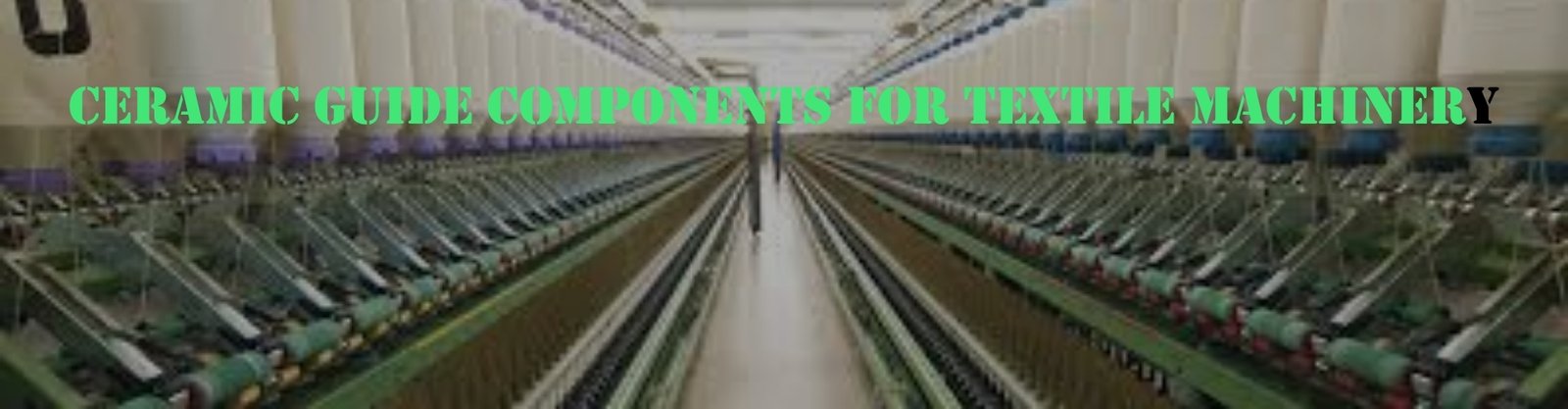
Common types include ceramic eyelets, yarn guides, guide rollers, and thread guide pins. In our experience, the performance of these small components directly affects yarn quality and machine efficiency.
Why Use Ceramic Instead of Metal or Plastic
In many textile applications, traditional materials such as metal or plastic cannot meet long-term performance requirements. Ceramic materials offer several key advantages.
Second, the surface of ceramic components can be polished to a very smooth finish, reducing friction and yarn damage.
Third, ceramics maintain stability under high temperature and high-speed conditions.
you can ref the following performance comparison table.
| Property | Ceramic Guide | Metal Guide | Plastic Guide |
|---|---|---|---|
| Wear resistance | Very high | Medium | Low |
| Surface smoothness | Excellent | Moderate | Good |
| Lifetime | Long | Medium | Short |
| Yarn protection | Excellent | Medium | Low |
Common Materials Used in Ceramic Guides
Alumina ceramic is the most widely used material due to its balance between cost and performance.
Zirconia offers better toughness and smoother surface, making it suitable for high-end applications.
Silicon carbide is used in extreme conditions due to its superior wear resistance.
| Application Condition | Recommended Material | Reason |
|---|---|---|
| High-speed spinning | Zirconia | Smooth surface |
| General textile use | Alumina | Cost-effective |
| Extreme wear environment | Silicon Carbide | Maximum durability |
Selecting the right ceramic guide depends on several factors.
First, consider yarn type. Different fibers behave differently under friction. Second, consider machine speed. High-speed machines require smoother surfaces. Third, consider wear conditions. Heavy-duty applications require stronger materials. From my experience, early communication with manufacturers can prevent many problems.
Applications and Types of Ceramic Guide Components
Ceramic guide components are used across various textile machines. In spinning machines, they help maintain consistent yarn tension. In weaving machines, they guide yarn accurately through complex paths. In knitting machines, they reduce friction and prevent yarn breakage.
Different textile machines require different guide structures.
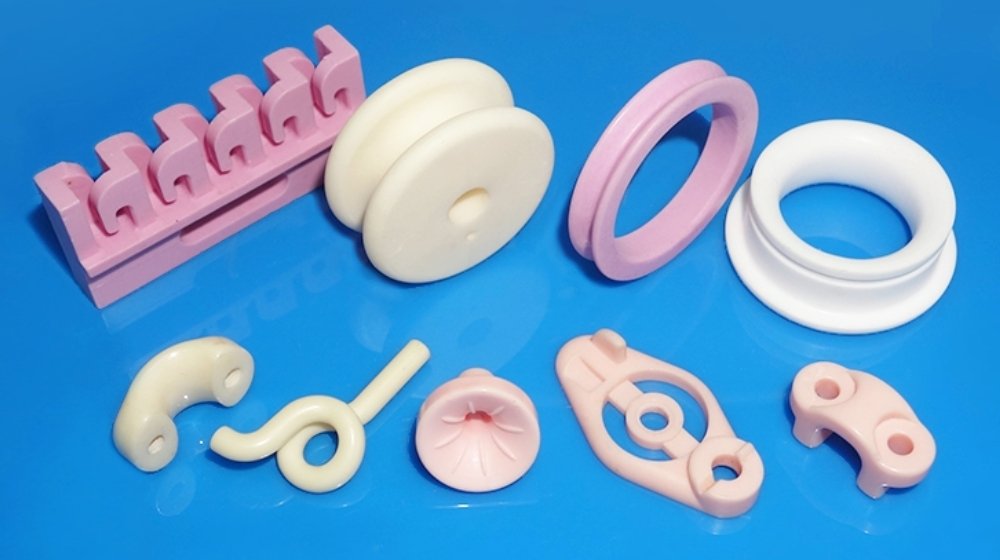
Ceramic eyelets are the most common type, used for guiding yarn through a fixed path. Slotted guides are designed with an opening, making it easier to insert yarn. Guide rollers are used in high-speed systems where friction must be minimized. Thread guide pins are used in smaller or precision guiding applications.
You can ref following table for “types of ceramic guides components ” .
| Type | Feature | Application |
|---|---|---|
| Ceramic Eyelet | Closed loop | Standard guiding |
| Slotted Guide | Open slot | Easy threading |
| Guide Roller | Rotating | High-speed machines |
| Thread Guide Pin | Small size | Precision control |
From my observation, selecting the correct structure is just as important as choosing the material.
Common Problems in Textile Yarn Guiding
| Problem | Cause | Ceramic Solution |
|---|---|---|
| Yarn breakage | High friction | Smooth ceramic surface |
| Fast wear | Low hardness | High hardness ceramic |
| Noise | Rough contact | Polished surface |
| Tension instability | Poor guiding | Precision ceramic design |
Practical Engineering Insight
In many textile projects I have worked on, the biggest issue is not the machine itself but the small guiding components. Yarn breakage is one of the most common issues. It is often caused by rough surfaces or improper guide angles. Wear grooves may appear after long-term use. Noise can also increase due to friction.
Solutions include using higher-grade ceramics, improving surface finish, and optimizing design.
FAQ Section
Q1:What is the main advantage of ceramic yarn guides?
A:Ceramic yarn guides provide superior wear resistance and a smoother surface compared to metal or plastic guides. This reduces friction and significantly lowers yarn breakage during high-speed operation. In long-term use, they also help reduce maintenance frequency and improve production stability.
Q2:How long do ceramic guides last?
A:The lifespan of ceramic guides depends on operating conditions, but in most industrial applications, they last several times longer than metal guides. In high-wear environments, ceramic components can extend service life from months to years.
Q3:Do ceramic guides reduce yarn breakage?
A:Yes, ceramic guides reduce yarn breakage by providing a smoother surface and more stable guiding path. Lower friction means less stress on the yarn, which directly improves production efficiency and product quality.
Conclusion
Ceramic guide components play a critical role in modern textile machinery by improving durability, reducing friction, and enhancing production efficiency. By selecting the right material and design, manufacturers can significantly reduce downtime and improve product quality.
Related Articles:
Alumina vs Zirconia in High-Speed Textile Applications
How Long Should Textile Ceramic Guides Last
Why Do Ceramic Guides Wear Too Fast
Reducing Yarn Breakage with High-Precision Ceramic Guides