


Why Metallization Quality Affects Hermetic Seal Reliability
Typical Applications
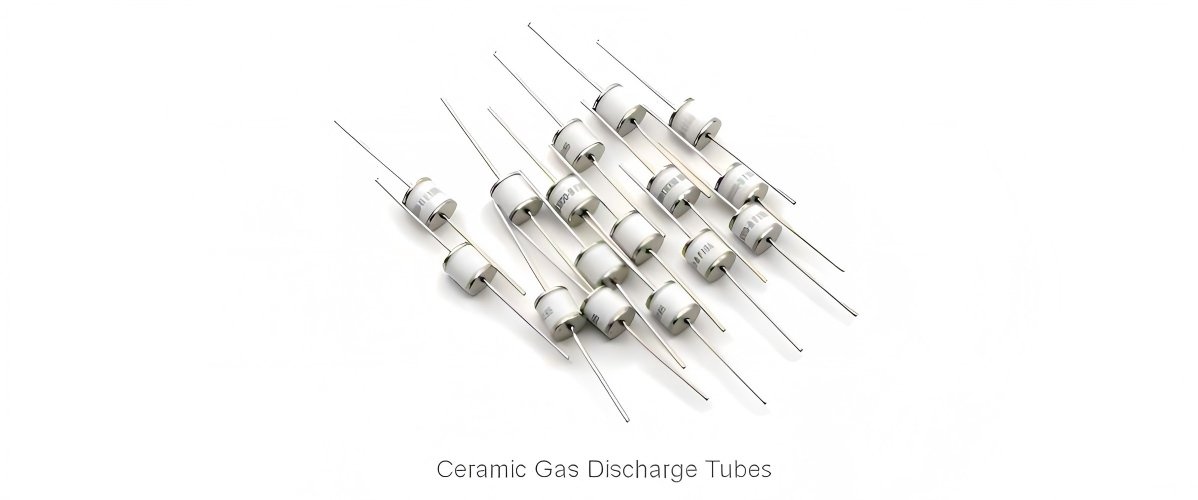
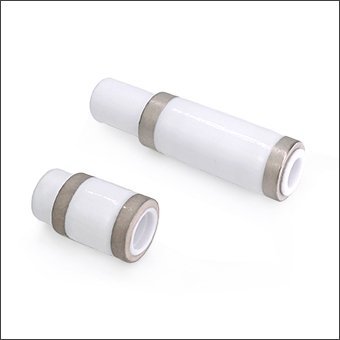
Metallized alumina ceramics are commonly used in gas discharge tubes, surge protection devices, and other ceramic-to-metal sealing assemblies.
Metallization and Sealing Process
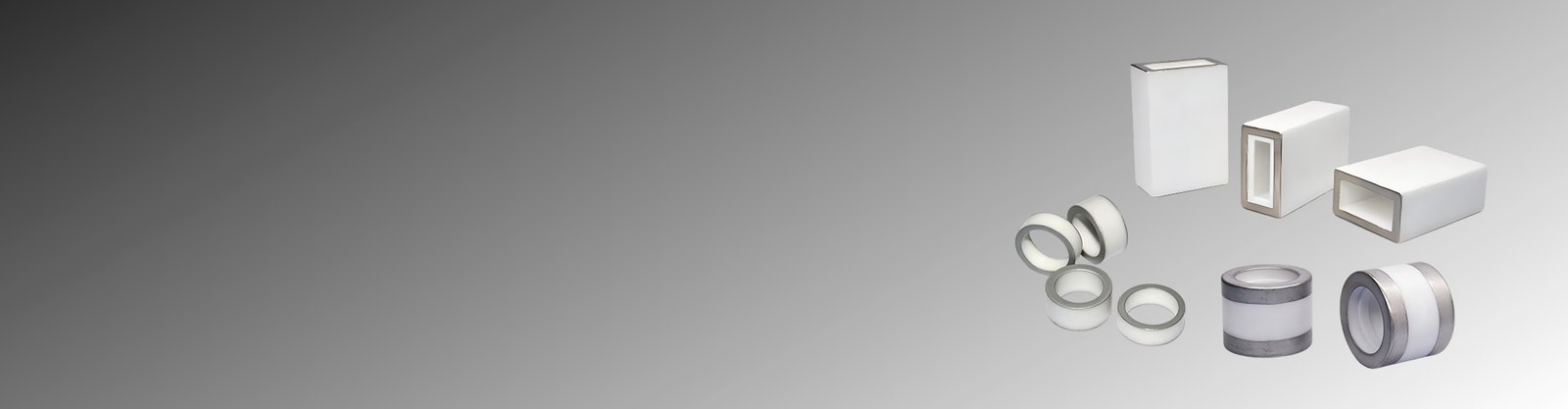
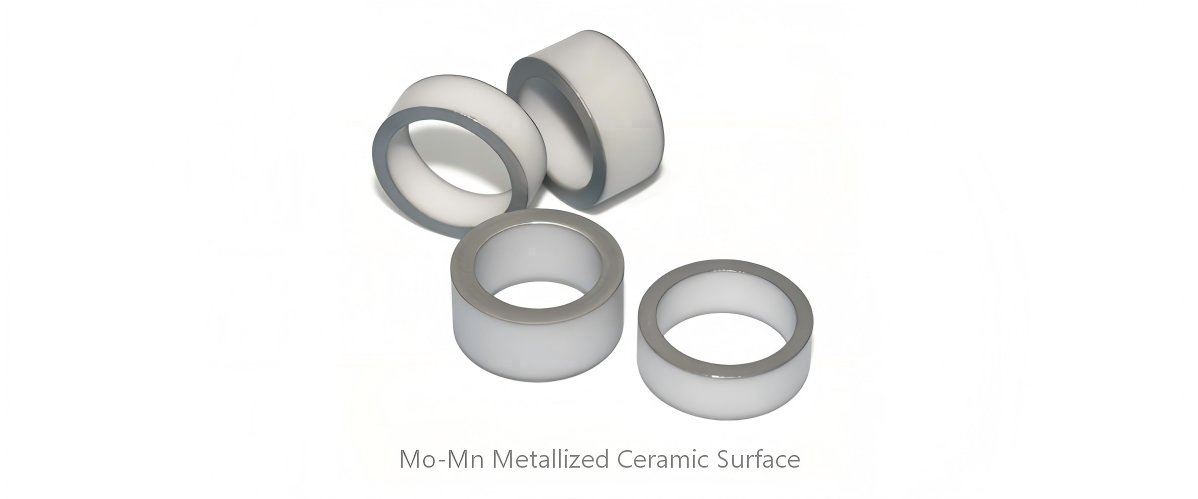
Alumina ceramics cannot be directly brazed to metal components. A Mo-Mn metallized layer is therefore applied to the ceramic surface, followed by nickel plating when required. This metallized layer creates the bonding interface necessary for brazing and hermetic sealing.
Key Requirements for Metallized Ceramics
For reliable sealing performance, metallized ceramic components typically require:
- Consistent metallization coverage
- Stable adhesion strength
- Good brazing compatibility
- Tight dimensional tolerances
Common Failure Risks in Ceramic-to-Metal Sealing
Ceramic-metal sealing structures used in gas discharge tubes typically need to withstand long-term high-voltage pulses, thermal cycling, and sealed gas environments. Therefore, the quality of the metallization layer, the ceramic processing condition, and the consistency of the sealing process directly affect device reliability.
Common sealing failure risks in practical applications include:
1. Insufficient Metallization Layer Adhesion
If the metallization layer and ceramic are not bonded stably, localized peeling or interface failure may occur during subsequent brazing or thermal cycling, affecting electrode connection reliability.
2. Poor Solder Wetting
Insufficient uniformity of the metallization layer, surface contamination, or abnormal plating may prevent the solder from stably wetting the sealing area, leading to risks of incomplete soldering, voids, or localized leakage.
3. Cracking Due to Thermal Expansion Mismatch
There are differences in the coefficients of thermal expansion (CTE) between ceramic, metal, and solder. If the sealing structure design or process control is inadequate, stress cracks may occur after cooling or thermal cycling.
4. Hermeticity Failure Caused by Microcracks
Small-sized ceramic components may develop microcracks that are difficult to observe directly during grinding, metallization, or assembly. These defects may evolve into leakage risks after prolonged use.
5. Sealing Fatigue After Thermal Cycling
Under long-term pulsed discharge and temperature variation conditions, the sealing area may gradually experience interface fatigue, metallization layer aging, or a decline in sealing performance.
Therefore, for GDT applications, stable metallization quality, appropriate material matching, and consistent sealing processes are generally more important than simply increasing material strength.
Design Considerations
In the ceramic-metal sealing structure of gas discharge tubes, material selection, dimensional design, and sealing area control directly affect the final hermeticity and long-term reliability.
For GDT ceramic components, the following factors typically need to be considered during the design phase:
-
1. Thermal Expansion Matching
Differences in CTE between ceramics, metals, and brazing alloys can generate stress during cooling and thermal cycling. Proper material matching helps reduce cracking risks and improve seal reliability.
-
2. Metallization Area Design
The size, location, and edge quality of the metallized area influence solder wetting and stress distribution. Well-designed metallization patterns help achieve more stable and consistent sealing performance during brazing and assembly processes.
-
3. Sealing Surface Dimensions and Tolerance Control
Dimensional accuracy of sealing surfaces directly affects assembly fit and brazing quality. Strict control of key features such as end faces, holes, and concentricity is required.
-
4. Surface Condition and Cleanliness
Surface roughness, cleanliness, and plating quality can significantly affect solder wetting and hermeticity. Consistent surface conditions help improve sealing stability and process repeatability.
-
5. Thermal Cycling and Long-Term Reliability
Repeated temperature fluctuations and electrical discharges can place stress on sealing interfaces. Long-term reliability depends on maintaining stable sealing performance throughout the product lifecycle.
Alumina Ceramic Materials for Hermetic Sealing
Alumina ceramics are widely used in the GDT industry due to their excellent insulating properties, high-temperature resistance, and sealing stability.
Materials of different purities typically correspond to different application requirements:
| Material | Characteristics | Typical Use |
| 95% Alumina | Good balance between processability and cost | General-purpose GDT |
| 96% Alumina | Balance of overall performance | Mainstream industrial-grade GDT |
| 99% Alumina | Higher insulation performance and hermetic stability | High-reliability or high-voltage applications |
Manufacturing & Quality Control
Ceramic components used in gas discharge tubes are typically characterized by small dimensions, tight tolerances, and sensitive sealing areas. Therefore, dimensional consistency, surface condition, and metallization stability during the manufacturing process directly impact the final sealing quality.
1. During the manufacturing process, we focus on:
- Uniformity of the metallization layer
- Consistency of coating thickness
- Cleanliness of the sealing area
- Control of dimensions and concentricity
- Stability of metallization layer adhesion
2. Depending on project requirements, we can also provide:
- Metallization adhesion testing
- Visual defect inspection
- Cross-sectional analysis
- Support for hermeticity-related processes
For small-sized or high-reliability sealing structures, special attention must be paid to interface stability and the risk of microcracks after thermal cycling to enhance long-term hermetic reliability
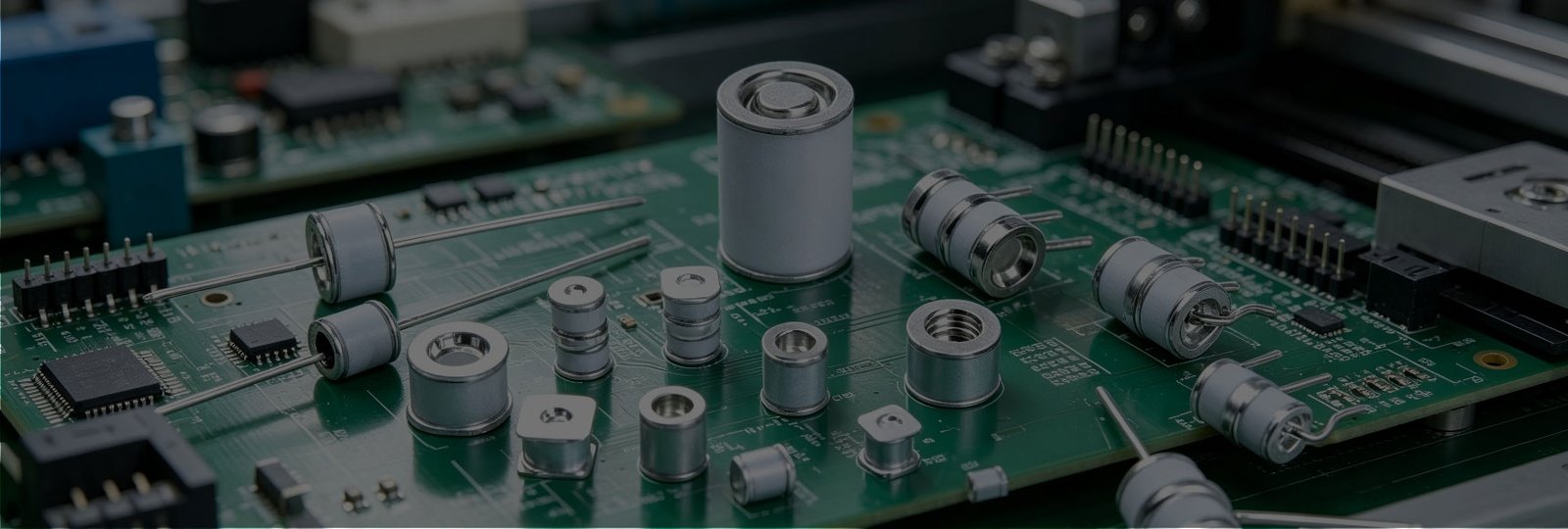
Most GDTs use alumina ceramics, with 96% alumina being a common industrial solution. High-reliability products may use 99% alumina.
Ceramic cannot be directly brazed to metal electrodes. Metallization and nickel plating enable subsequent brazing and hermetic sealing, resulting in a reliable ceramic-to-metal connection.
Metallized ceramics used in GDT typically undergo high-temperature sintering followed by brazing. Therefore, the material, metallizationl layers, and coating systems must possess good thermal stability.
Common risks include:
- Insufficient metallization adhesion
- Poor solder wetting
- Thermal expansion mismatch
- Microcracks leading to leakage
- Seal fatigue after thermal cycling
Therefore, metallization quality and seal process control are usually more important than material properties alone.
Related Products
-
-
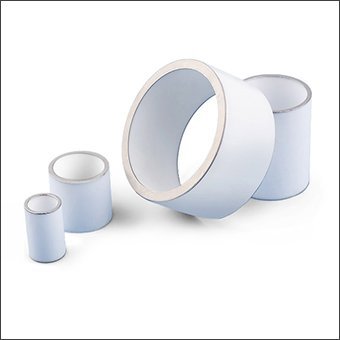
Used in ceramic-to-metal sealing and electrical insulation assemblies.
-
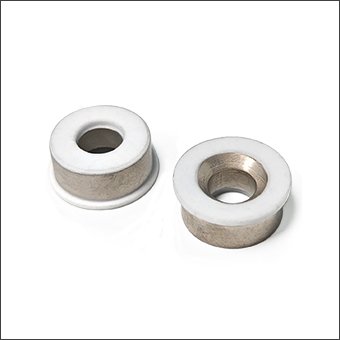
Precision sealing rings for reliable hermetic ceramic-to-metal joining.
-
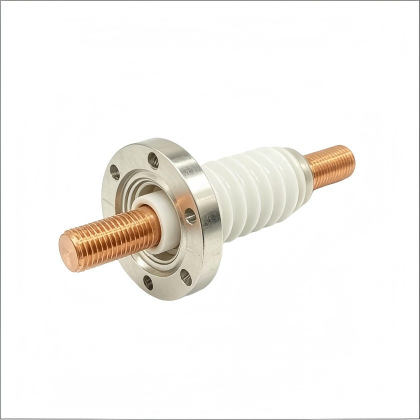
Vacuum-tight electrical transmission for hermetic and high-reliability assemblies.
-
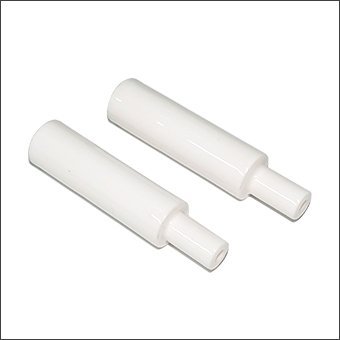
For electrical isolation and hermetic sealing applications.