



Metal Ceramic X-ray Tubes Overview
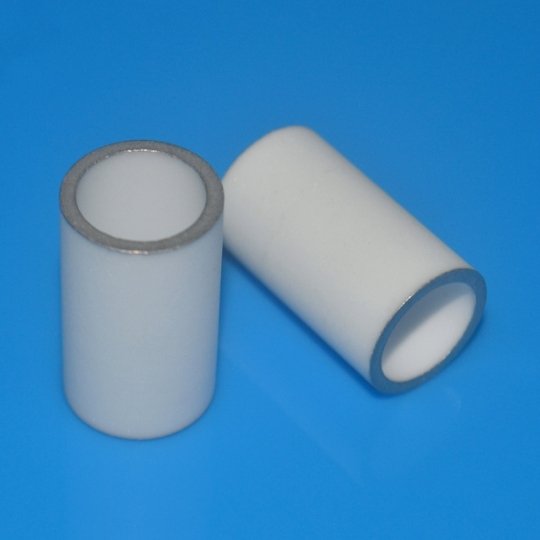
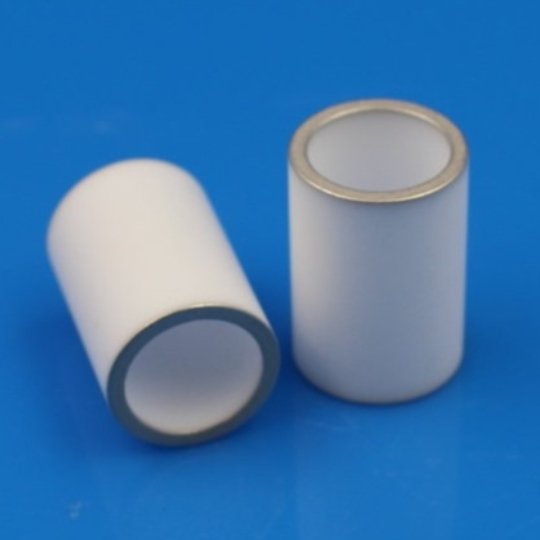
Metal ceramic X-ray tubes are high-reliability vacuum devices designed for stable X-ray generation under demanding conditions. By combining ceramic insulation with metal sealing, these tubes offer superior mechanical strength, thermal stability, and long-term hermetic performance compared with conventional glass tubes.
Metal ceramic X-ray tubes are high-reliability vacuum devices designed for stable X-ray generation under demanding conditions. By combining ceramic insulation with metal sealing, these tubes offer superior mechanical strength, thermal stability, and long-term hermetic performance compared with conventional glass tubes.
Metal ceramic X-ray tubes operate based on electron acceleration and X-ray generation physics. Electrons emitted from the cathode are accelerated under high voltage and strike the anode target, producing X-rays through both bremsstrahlung and characteristic radiation.
The underlying physical mechanism follows Bremsstrahlung, which is fundamental to all X-ray tube technologies.
Key Advantages
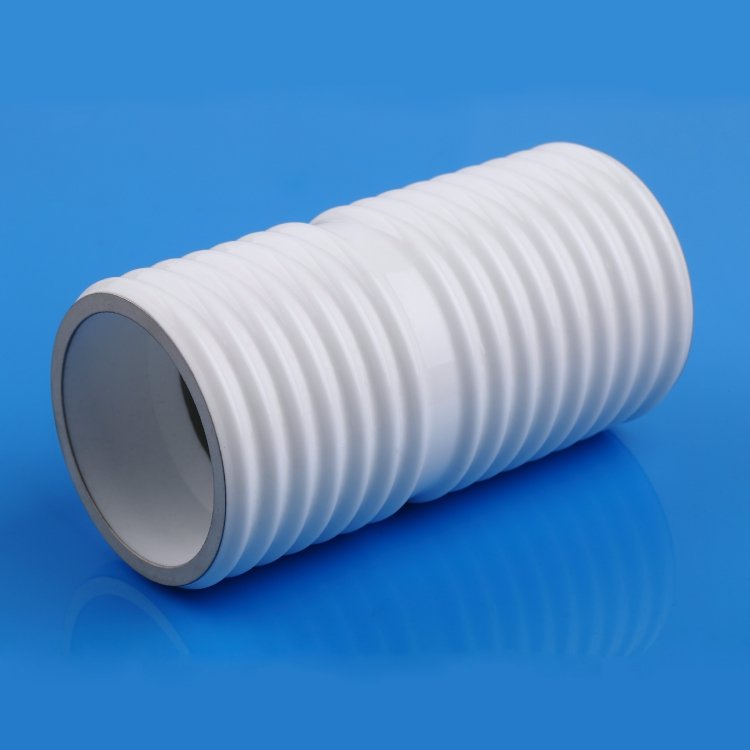
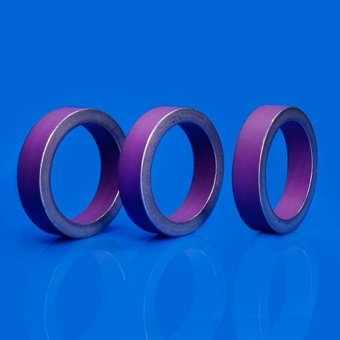
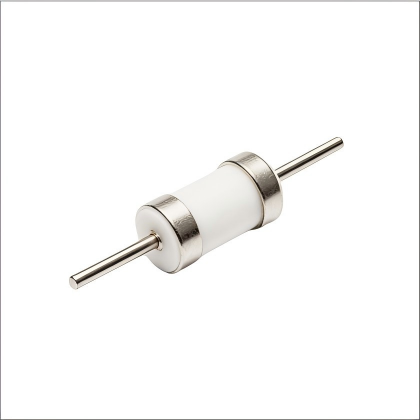
A typical metal ceramic X-ray tube consists of the key components: cathode, anode, ceramic insulator, metal housing and vacuum sealing.

Metal-ceramic brazed structures ensure long-term vacuum stability and low leakage rates.

Ceramic materials offer higher strength compared with glass, reducing the risk of breakage.

Suitable for high-power and continuous operation conditions.

Alumina ceramics provide excellent dielectric properties.

Ensuring vacuum integrity is critical for X-ray tube performance. Helium leak testing is commonly used to verify hermetic sealing and long-term reliability.
Customization Capability
We support customized solutions based on application requirements, including:
- Tube voltage and power design
- Target material selection
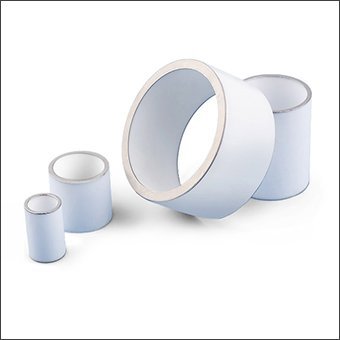
- Ceramic geometry and insulation structure
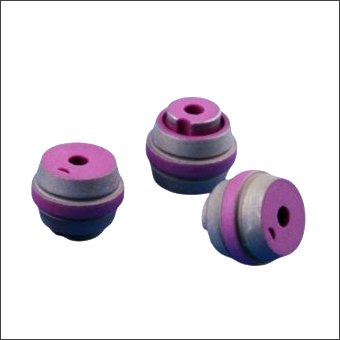
- Hermetic sealing solutions
Ensure the reliability and performance of your X-ray systems with high-quality metal ceramic X-ray tubes.
Contact us for technical consultation and customized solutions.
Metal ceramic structures provide significantly better mechanical strength, thermal stability, and long-term hermetic sealing compared with traditional glass tubes. This is especially important in high-power or high-reliability applications where glass may degrade, crack, or lose vacuum integrity over time.
The performance of an X-ray tube is mainly determined by tube voltage, current, focal spot size, and vacuum level. These parameters directly influence X-ray energy, intensity, resolution, and stability. Proper design and material selection are also critical to ensure consistent performance over time.
A high vacuum environment ensures that electrons can travel efficiently from the cathode to the anode without scattering. If the vacuum level degrades, it can lead to unstable output, increased noise, and even electrical discharge, significantly reducing tube lifetime.
High-reliability X-ray tubes typically require leak rates at or below 1×10⁻⁹ mbar·L/s to maintain vacuum stability over time. This level is commonly referenced in standards such as MIL-STD-883, though exact requirements may vary depending on application conditions.