


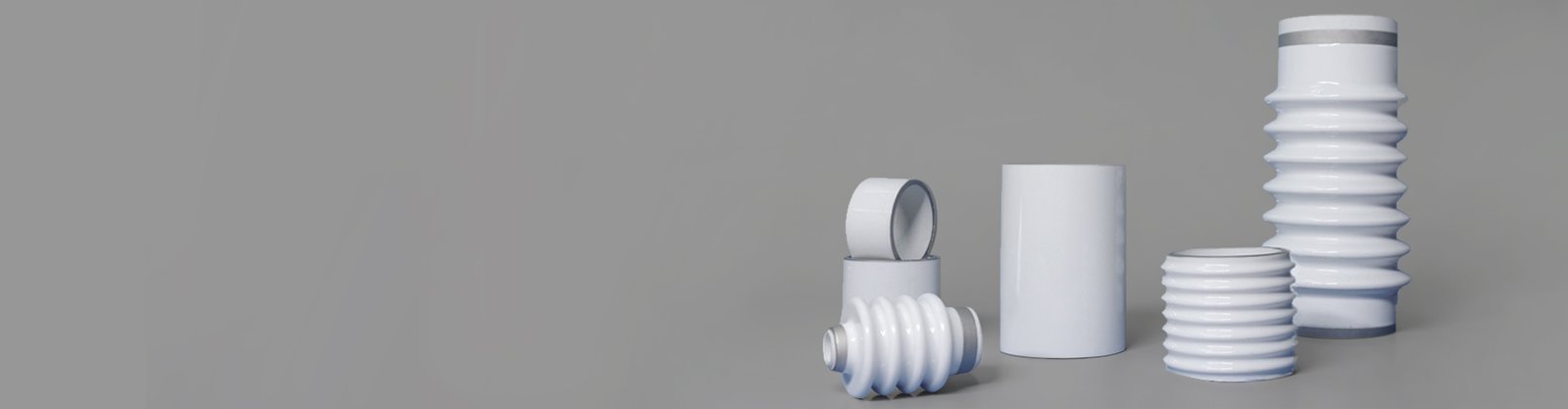
Overview of Metallized Ceramic Cylinder
What is a Metallized Ceramic Cylinder
Metallized ceramic cylinders are high-purity alumina components bonded with a Mo-Mn metallic layer, then covered with nickel plating on the specific surface. It enables a long-lasting, vacuum-tight, and robust joint between multiple alloys by brazing. These ceramic components combine high mechanical durability, high voltage insulation, and ideal thermal performance, serving as a core part in vacuum interrupters (short for VI), high-voltage circuit breakers (short for VCB), and insulated feedthrough devices.
Ceramic Cylinder vs Common Ceramic Tube
| Comparison Dimension | Metallized Ceramic Cylinder | Common Metallized Tube |
| Size | Large size, large diameter, large wall thickness | Miniaturization, small caliber, compact design |
| Design Differences | Corrugated /bellows-type ceramic body | Plain straight tube |
| Surface Treatment | Surface glazing is required for the high voltage | Not needed, priority to ensuring airtightness and low leakage. |
| Metalization and Sealing Design Differences | Wide band metalization around both ends | The metallization area is narrower with a more concise scope |
Key Features

- High volume resistivity
- High dielectric breakdown strength up to 120kV
- Ideal creepage and surface flashover resistance

- High bending strength, compressive up to 320MPa
- High compressive strength
- High hermetic bonding strength

- Good thermal conductivity from 24 ~ 30 W/m.k
- Thermal shock resistance from -55℃ to +125℃
- High temperature stability up to 1500°C

- CTE matching with stainless steels, copper, and Kovar
- Hermetical sealing level ≤ 1×10⁻¹¹ Pa·m³/s
- Interface bonding≥ 120MPa
Typical Applications
Metallized ceramic cylinders are often used in applications where high voltage, large-scale hermetic sealing systems, and a vacuum & airtight boundary are all required.
-
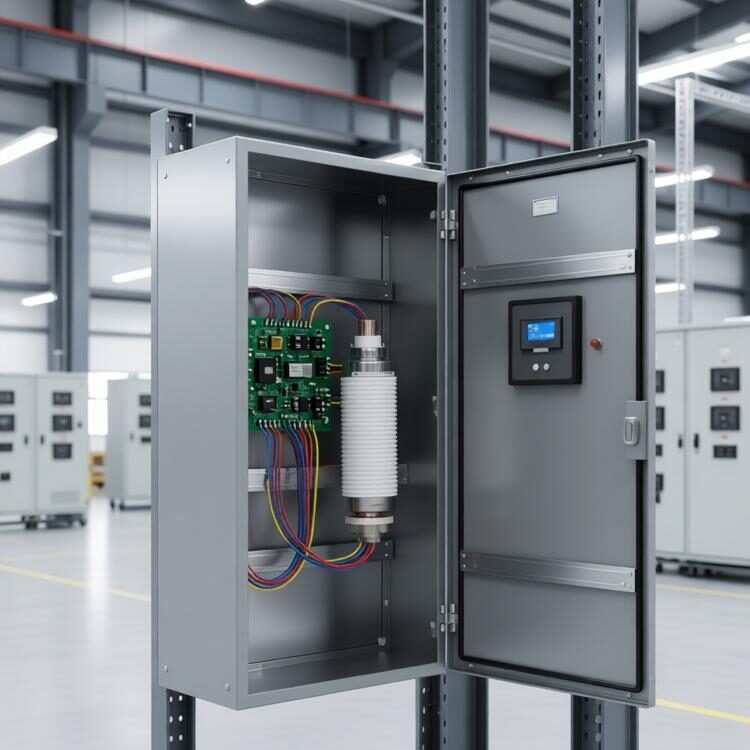 Vacuum Interrupter
Alumina metallized ceramic cylinders can meet primary electrical insulation and mechanical integrity, as well as form a vacuum-tight seal after brazing with metal parts in vacuum interrupters.
-
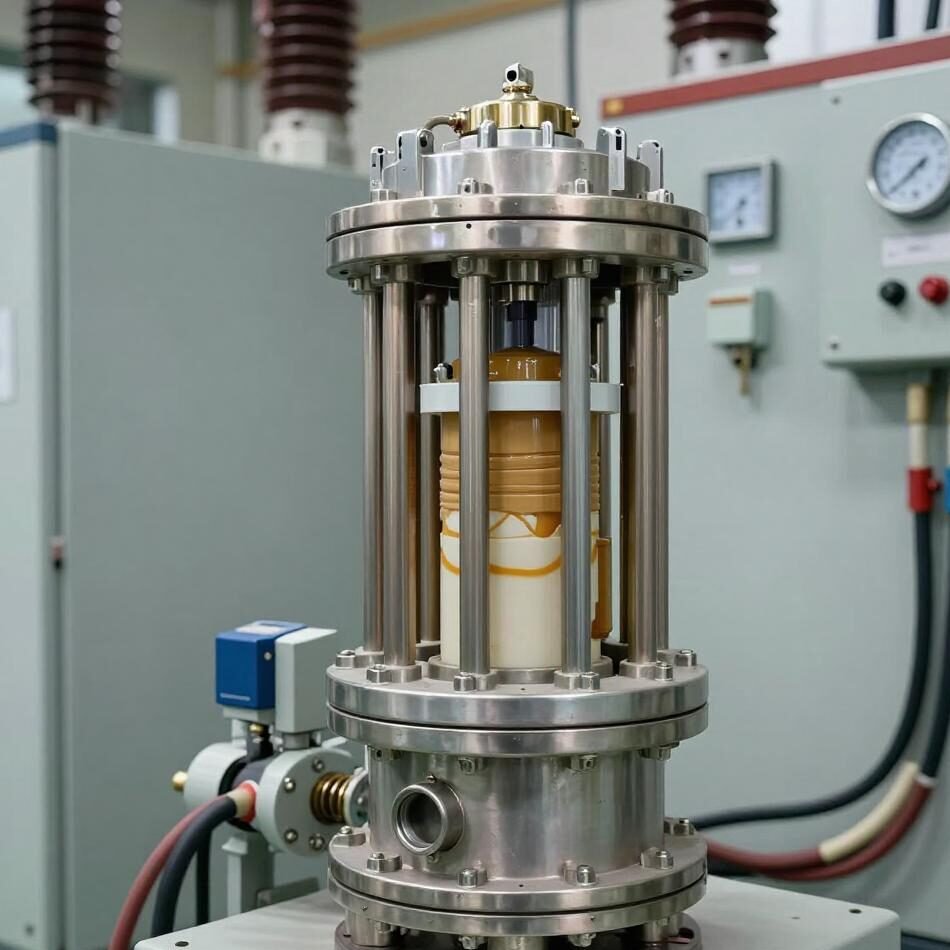 Vaccum Circuit Breaker
Ceramic cylinders are an ideal choice for a vacuum seal shell in a vacuum circuit breaker; they also work as a reliable mechanical support. The metallized interface on ceramic components offers an electrical and brazed joint from ceramic to metal.
-
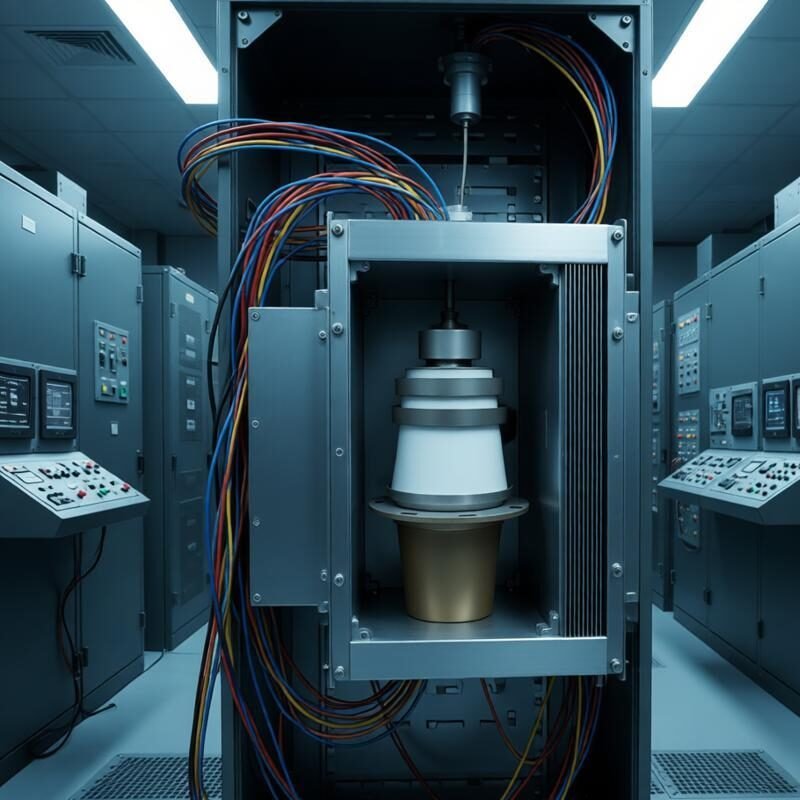 High-power Vacuum Electron Tube
The metallized ceramic cylinder is a structural boundary element in high-power vacuum electron tubes, which reliably connects the “metal electrode system” with the “high vacuum and high voltage environment”.
Material Options for Metallized Ceramic Cylinders
Different applications have different requirements for thermal conductivity, strength, and cost, so the materials for metallized ceramic plates need to be selected according to the application.
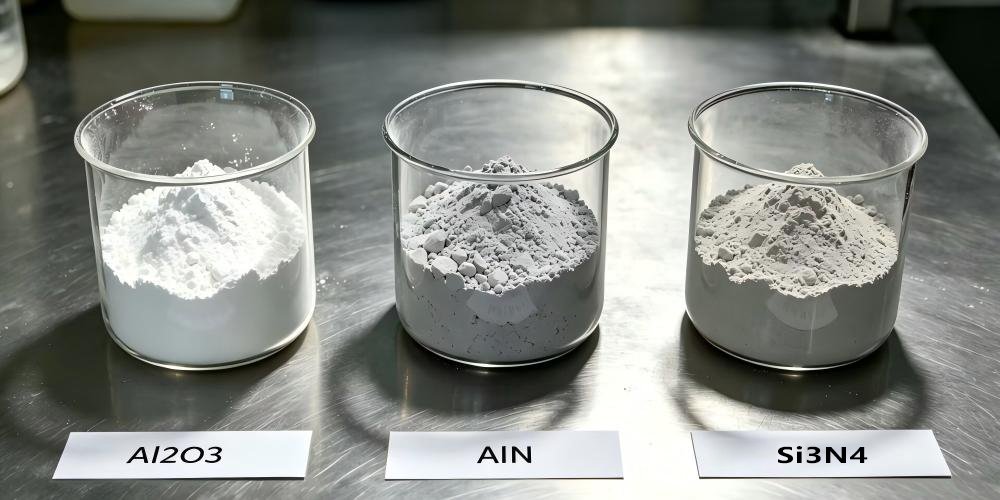
1. Alumina (Al2O3)
It has proven high-purity alumina as the raw material for the metallized ceramic cylinders, including the performance, long-term stability, and cost feasibility for high-volume demands.
2. Aluminum nitride (AlN)
The aluminum nitride will be used when very fast heat dissipation is essential; however, the cost will be much higher than alumina, as well as more complex metallization control
3. Zirconia (ZrO2)
Zirconia is generally not used for high-voltage vacuum sealing due to its lower electrical resistivity. So it’s not recommended for metallized ceramic cylinders.
Available Metallization & Plating
We provide an optional typical structure of metallized ceramic cylinders, as well as a diversity of ceramic solutions in terms of sizes, dimensional tolerance, the metallization design, and distribution.
1. Metallization type:
● First layer as Mo/Mn with a thickness range from 20 microns to 40 microns,
2. Plating
After metallizing, then covered with nickel plating with a thickness of 2~6 microns.
How to choose right Metallized Ceramic Cylinder
Choosing the right metallized ceramic cylinder involves not only considering the material and size dimensions, but also taking into account the electrical needs, vacuum sealing, thermal stress, structural dimensions, and process feasibility in practical applications as essential factors.
-
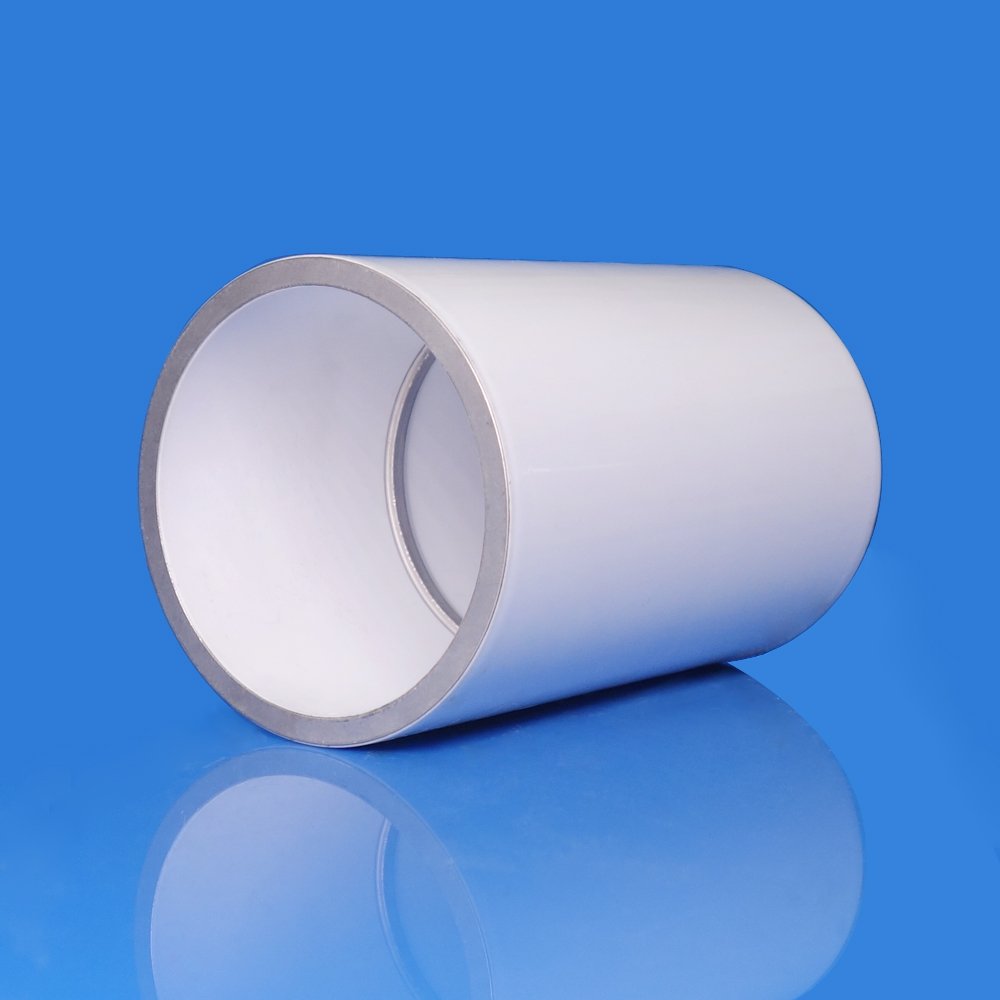 Straight Alumina Ceramic Cylinder
If the main functions of the ceramic cylinder are sealing and structural support, and the device is used in a vacuum environment with controllable electric fields, then the straight type is a proper choice. Typical applications: electron tubes and vacuum capacitors
-
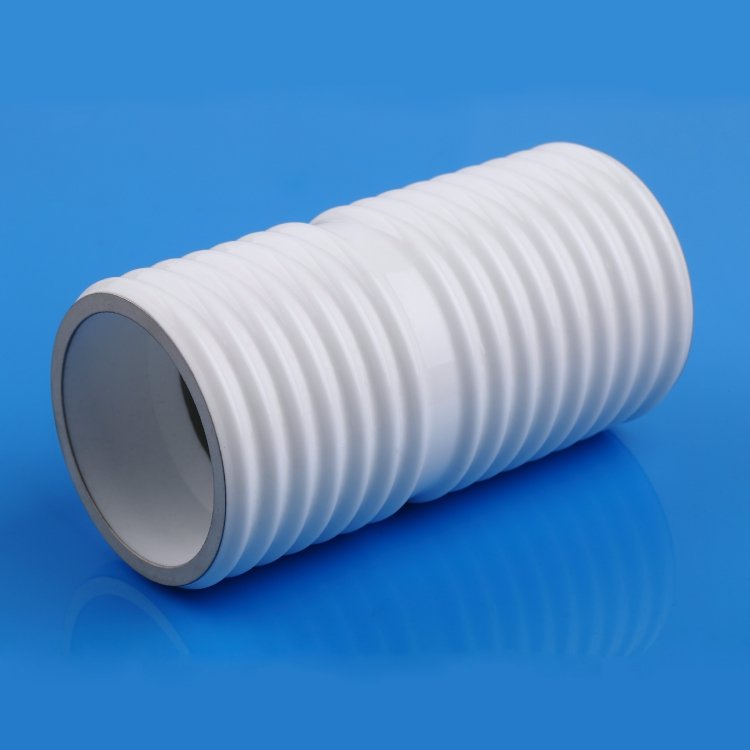 Corrugated Alumina Ceramic Cylinder
If a ceramic cylinder needs to consider the long creepage distance under high voltage and is used in an air environment, to prevent contamination, the corrugated type is an ideal choice. Typical applications include: circuit breakers and high voltage relays.
-
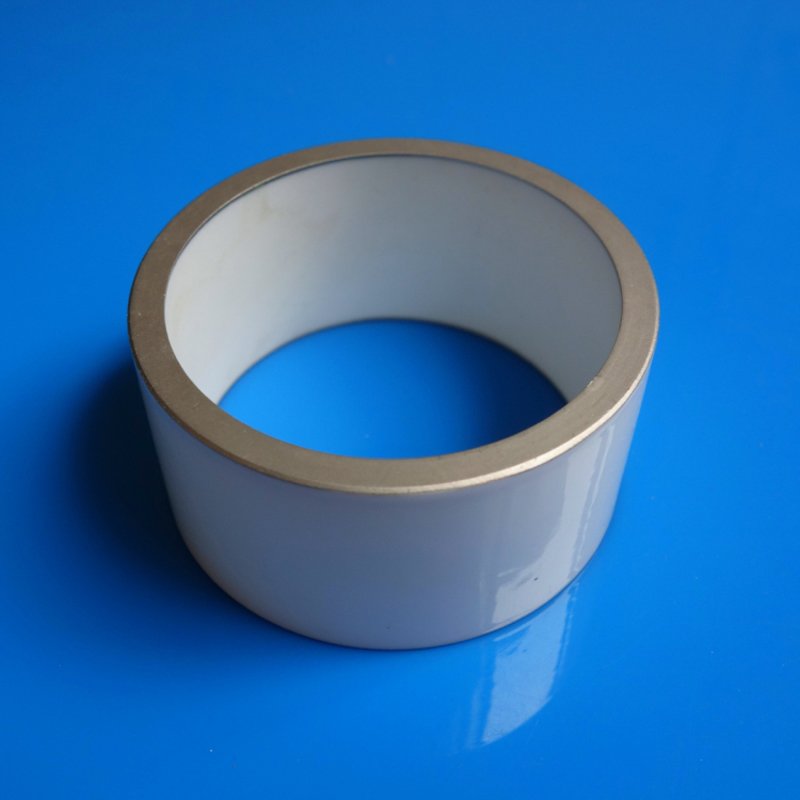 Aluminum Nitride Ceramic Cylinder
If ceramic cylinders are used in vacuum applications and are related to high power, they require continuous and rapid heat dissipation, as well as a high frequency of thermal cycles. The aluminum nitride cylinder needs to be carefully evaluated.
Our Manufacturing Capabilities
The dimensions, design, size tolerance, and performance of the metallized ceramic cylinder, if the supplier can meet them, will directly influence the final vacuum interrupters and high-voltage vacuum circuit breakers.

●Thin wall capability: T(thickness)/D (outer diameter) ﹤ 0.06
● Complex geometry: corrugated and stepped design available

● Control points: adhesion strength, coating thickness uniformity
● Metallization areas: both ends, partial ext. & int. cylindrical surfaces

● Compatible with brazing, such as AgCu, AuCuTi filler
● Leak rate: can be < 1×10⁻⁹ mbar·L/s, or better

● The tolerance after fine grinding can be ±0.10mm
● Straightness: It can reach 0.50mm after fine grinding

● 96% and 99% alumina as regular material
● Aluminum nitride is optional, but not common

● Metallization adhesion test
● Helium leak testing
Use Scenario
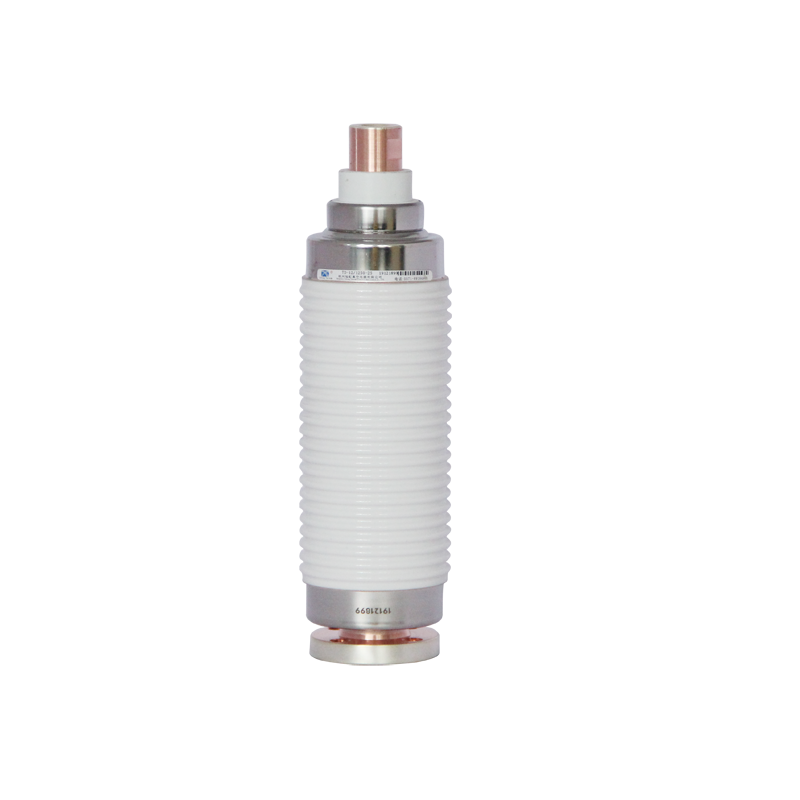
- Application: Electric Vacuum Interrupter
- Material: 96% alumina
- Metallization: Mo-Mn + Ni
- Result: leak rate < 1×10⁻⁹ mbar·L/s
Yes, we can customize dimensions, complex geometries, and different tolerance levels per drawing.
Sample Phrase: 7~8 weeks are needed, as it will take around 3~4 weeks to prepare the bespoke mold and fixture.
Repeat orders: The goods can be ready in 6~7 weeks.
The primary sealing method we have is “vacuum brazing” between ceramic cylinders and metal components.
The hermeticity level we can ensure is better than < 1×10⁻⁹ mbar·L/s. The gas leak test must be implemented on every batch before shipping.
Yes, we support small batch prototyping to meet customers’ initial or R&D stage needs. Once samples are approved, a minimum order quantity is needed, especially for customized types.