


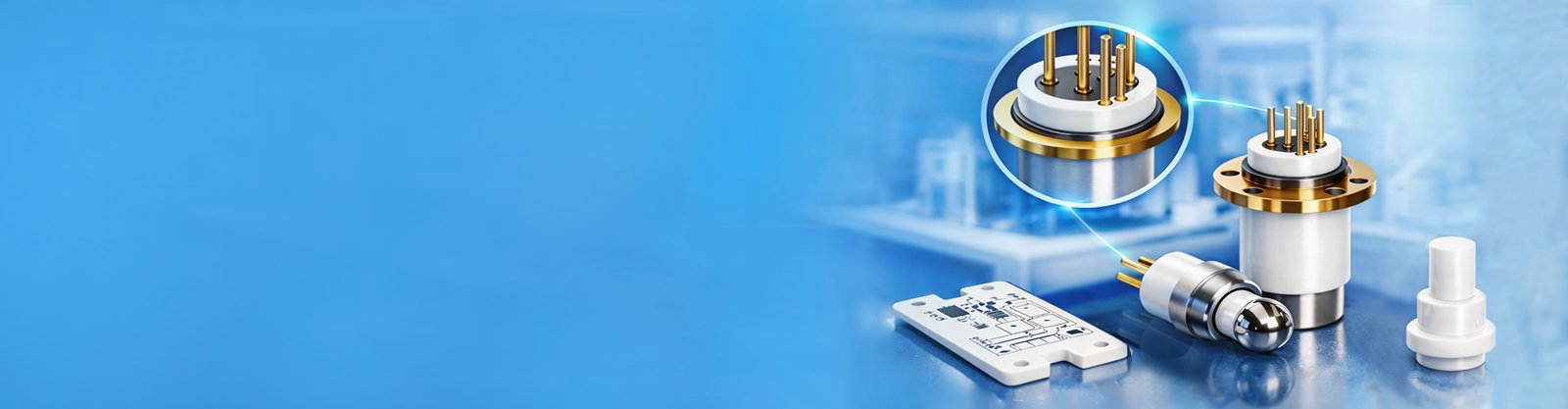
Ceramic Solutions for Medical instrumentation
Biocompatible is one of the inherent attributes of advanced ceramics; it is ideal for use in medical instruments and devices. In addition, advanced ceramics take advantage of their high strength, insulation, and resistance to corrosive environments, low weight, and customized complex geometries with high precision after machining. They help medical equipment to obtain more accurate diagnostic data, ensure the machine’s operation is more reliable, and prolong their service lifetime.
Industry Challenges in Medical Instruments and Devices
Traditional metal and high polymer materials encounter huge challenges in some medical instruments
● Poor chemical inertness: They are prone to corrosion and aging, even causing allergies because of the release of ions
● Insufficient abrasion resistance: they are easy to wear, especially in the sliding biological structures
● Low mechanical strength: high polymers can’t offer enough mechanical strength in demanding uses
● Electromagnetic: The magnetic property of metallic materials that can interfere with the imaging result because of artifacts
The shortages of these materials above can directly affect biosafety, long-term stability, and adaptability to extreme operating conditions.
Why Advanced Ceramics
Advanced ceramics possess intrinsic properties for engineered solutions to these challenges:
● Chemical stability: Don’t undergo chemical reactions in most acidic or alkaline conditions; they have excellent biocompatibility.
● Super wear resistance: They are much harder than metals and polymers, and have a low coefficient of friction.
● High mechanical strength: They offer unmatched hardness, compressive, flexural strength, and fracture toughness.
● Non-magnetic & image compatibility: All advanced ceramics are free of magnetic, It will not interfere with MRI and CT images.
Product Solutions
We supply a broad range of ceramic components tailored for medical instruments and devices.
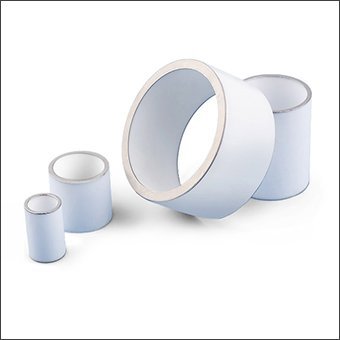
● Main Features: Excellent electrical insulation, leak-proofness
● Key applications: Ideal for vacuum interrupters, vacuum feedthroughs
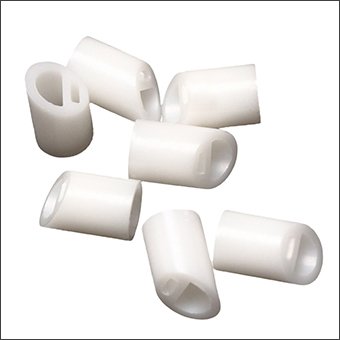
● Main Features: High-voltage resistant, corrosion-resistant
● Key applications: Analytical devices, laser ceramics, power tubes
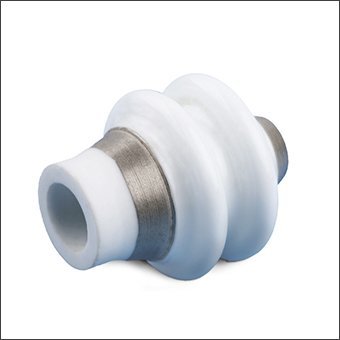
● Main Features: Good bonding strength and gas tightness
● Key applications: X-ray tubes, RF windows, photo multipliers
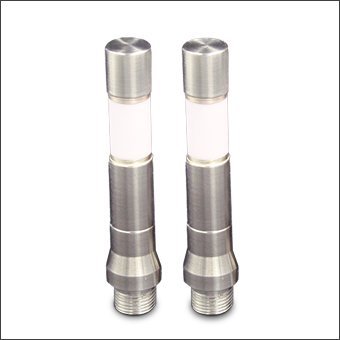
● Main Features: Good seal hermeticity, robust brazing force
● Key applications: Medical imaging, medical laser & analytical equipment
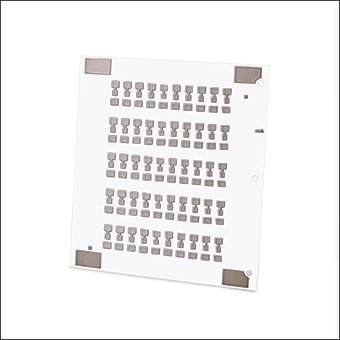
● Main Features: Dielectric strength, reliability, and high voltage and corrosive resistance
● Key applications: Medical electrical insulation devices, medical lasers, and drug delivery systems
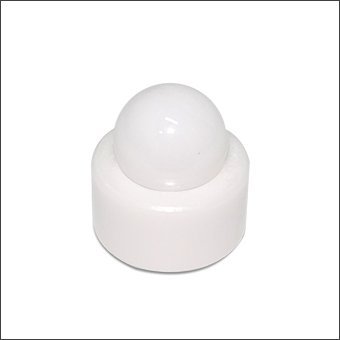
● Main Features: Precision tolerance dimensions, wear resistance, and chemical stability
● Key applications: Infusion Pump, syringe Pump, biochemical analyser, blood analyser
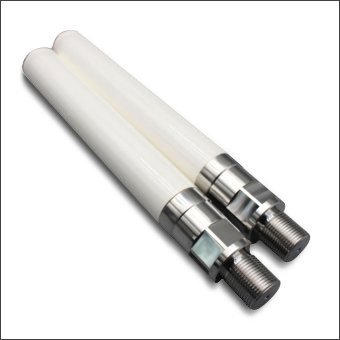
● Main Features: Precise dosage control, wear resistance, and chemical inertness
● Key applications: Infusion pumps, diagnostic analyzers, and pharmaceutical filling equipment
Application Case Studies
The following are typical application cases in the semiconductor equipment field, demonstrating the actual performance and reliability of our ceramic solutions under harsh operating conditions.
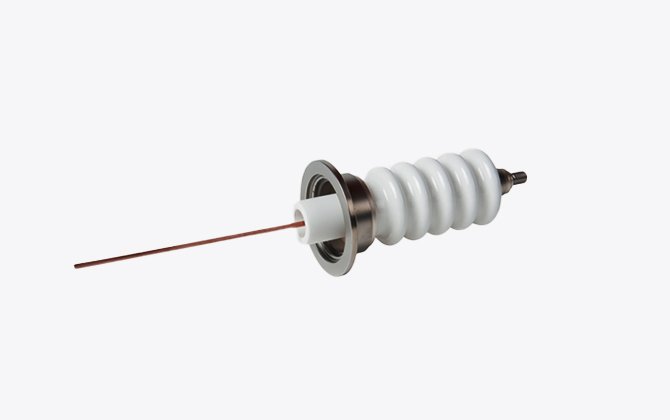
● Customer challenge:
The gas leakage and electrical breakdown issue, and long-term reliability
● Our Solution:
95% or higher purity alumina ceramic with metallization, and brazed ceramic assemblies
● Result / Value:
The Leak rate < 1×10⁻⁹ mbar·L/s and lifetime can last for 8~10 years with stable performance
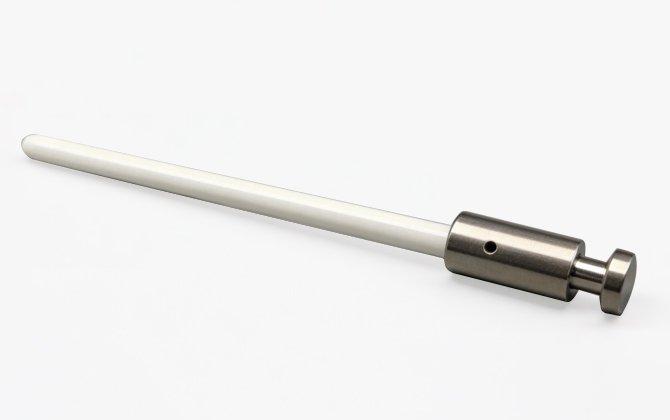
● Customer challenge:
It’s prone to wear that affects the dosing accuracy; meanwhile, it suffers from reliability issues
● Our Solution:
Using high-purity alumina up to 99.8% and zirconia to make ceramic components
● Result / Value:
The lifetime will extend to 5~10 times longer than metal and plastic parts, and proven dosing accuracy
Yes, our advanced ceramic components meet medical-grade requirements because of their high strength, superb wear resistance, excellent chemical inertness, and electrical insulation.
We can supply raw material datasheet, MSDS, and other related documents to ensure them to reach your requirements.
👉 If you have any specific regulatory or application requirements, please feel free to talk to our engineering team.
The selection of ceramic material depends on your practical applications and working conditions. The following are three typical materials for your reference:
● Aluminum oxide ( Al2O3): General usage with good electrical insulation, the most cost-effective option
● Zirconium oxide (ZrO2): Best fracture toughness in advance ceramic family, the best option for dental
● Aluminum nitride(AlN): It has very high thermal conductivity, ideal for high-power electronics for quick cooling
👉 Not sure of your specific applications, kindly share with us the details of your application, and we will help you to make the right choice on ceramic material.
Yes, all of our ceramic parts can withstand sterilization. High-temperature resistance and corrosion resistance are inherent properties of advanced ceramics. Therefore, ceramic parts are suitable for repeated sterilization cycles.
👉Please let us know your sterilization conditions, and we can confirm material compatibility.
There are many advantages of advanced ceramics in comparison with metals or plastics:
● Excellent wear resistance with low friction
● Superb chemical stability in harsh environments
● Best electrical breakdown in extra-high voltage
● Long-term dimension and shape stability
The merits make ceramic components extend the service life span of medical devices and instruments.
We can offer extra-precision machining capabilities, such as high-precision fine grinding and CNC machining.
The best tolerance we can achieve is ±0.001mm; however, it depends on the geometries and materials.
👉Please send us the technical prints for our study and evaluation. We will let you know the tolerance feasibility with our capability.
Exactly. We can produce customized parts based on our customers’ drawings. Our capabilities cover:
● Various custom complex shapes
● Precision machining
● Ceramic metallizing and brazing with metals
We also support Design for Manufacturability to optimize performance and cost.
👉Please provide us with your technical drawing or concept, and we will get back to you in 12 hours with our proposals.
Lead time usually lies in the complexity and volume of ceramic components.
Prototyping: typically 4~5 weeks
Bulk orders: typically 5~6 weeks
When the demand is stable, we can build safety stock to shorten the lead time to support our customers’ urgent needs.
Yes, we support prototyping and small batches when the project is at the R&D stage or pilot production.
We can make the low-volume parts by experimental mold or via machining, to get the samples in a short term.