


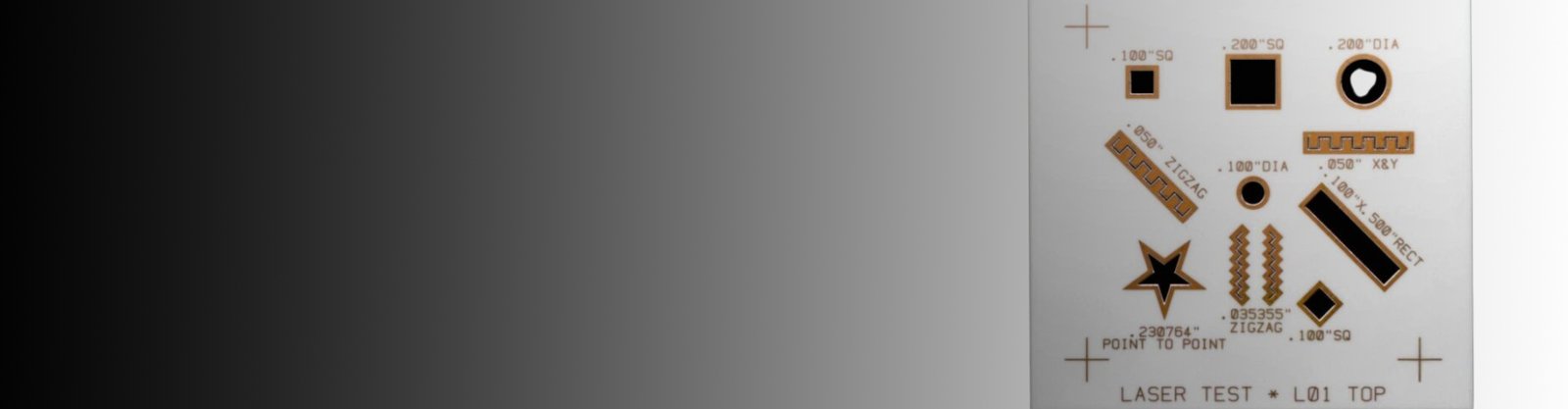
Why Use Laser Processing for Ceramics
Advanced ceramics offer exceptional properties such as high temperature resistance, electrical insulation, chemical stability, and wear resistance. However, these same properties also make ceramic materials difficult to machine.
Laser technology offers several advantages compared with conventional machining processes.
Key advantages include
-
Non-contact machining that reduces mechanical stress
-
Excellent dimensional accuracy
-
Ability to produce micro features and small holes
-
Minimal tool wear
-
Reduced risk of micro-cracking
-
Small heat affected zone when parameters are optimized
Because of these advantages, laser processing has become an important method for manufacturing high-precision ceramic components.
Product By Features
At JH Ceramics, we provide professional laser machining services for advanced ceramic materials, supporting both prototype development and mass production of precision ceramic components.
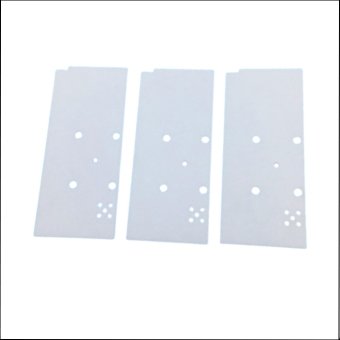
Ceramic Materials Suitable for Laser Processing
Laser machining can be applied to a wide range of advanced ceramic materials. Common materials include:

Widely used for electronic substrates, insulating components, and wear-resistant parts.

High-strength structural ceramic with excellent fracture toughness.

High thermal conductivity ceramic commonly used in power electronics.

Extremely hard ceramic with outstanding thermal stability.

Excellent thermal shock resistance and electrical insulation properties.


Applications of Laser Machined Ceramic Components
Laser machined ceramic components are widely used in many advanced industries. Typical applications include:

-
ceramic substrates
-
insulating components
-
electronic packaging parts

-
sensor housings
-
precision insulating components

-
precision ceramic micro components
-
surgical equipment parts

-
wear resistant ceramic components
-
high temperature insulating parts
Laser Cutting of Ceramics
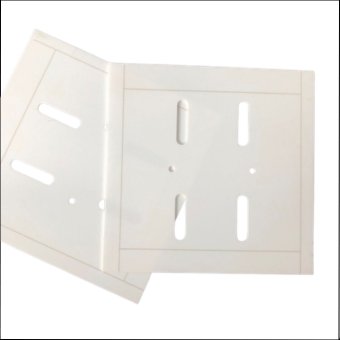
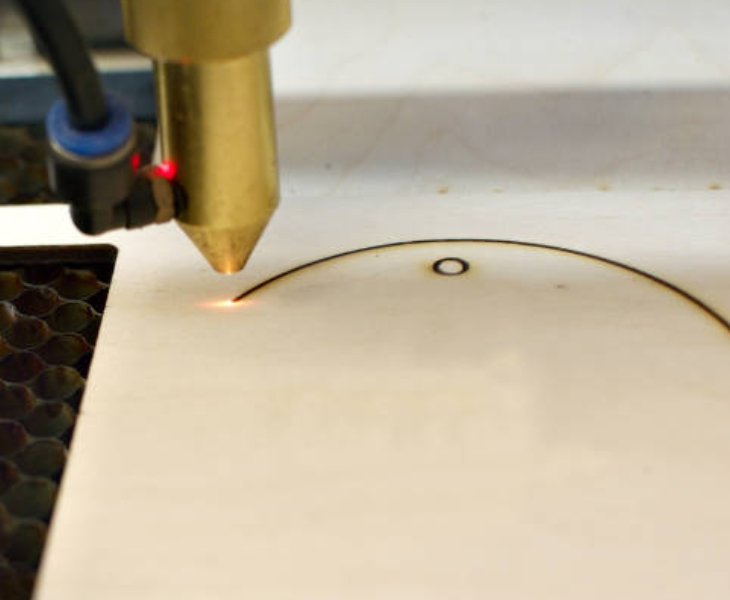
Laser cutting is widely used to produce complex shapes in ceramic substrates, plates, and thin components. Compared with mechanical cutting methods, laser cutting can achieve smoother edges and higher dimensional accuracy.
Typical applications include:
-
Ceramic substrates
-
Thin ceramic plates
-
Electronic ceramic components
-
Insulating ceramic parts
Laser cutting is particularly suitable for thin ceramic materials and precision structural components.
Laser Drilling of Ceramics
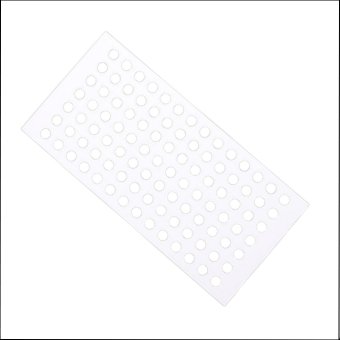
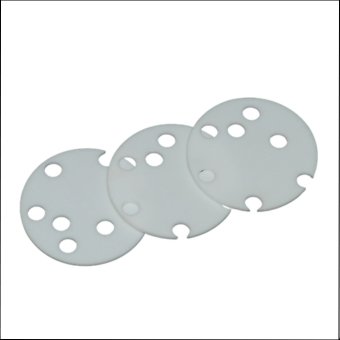
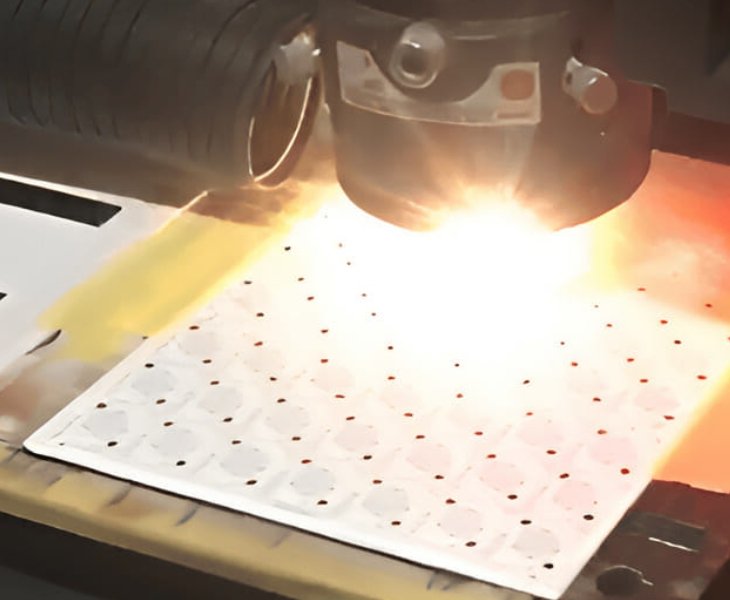
Laser drilling allows the creation of high-precision micro holes in ceramic materials that are difficult to process using conventional drilling tools.
Depending on the material and thickness, laser drilling can produce holes with diameters as small as several tens of microns.
Typical applications include:
-
Sensor components
-
Electronic packaging substrates
-
Microfluidic ceramic components
-
Vacuum electronic components
Laser drilling is commonly used in high-density electronic packaging and sensor technologies.
Laser Marking of Ceramics
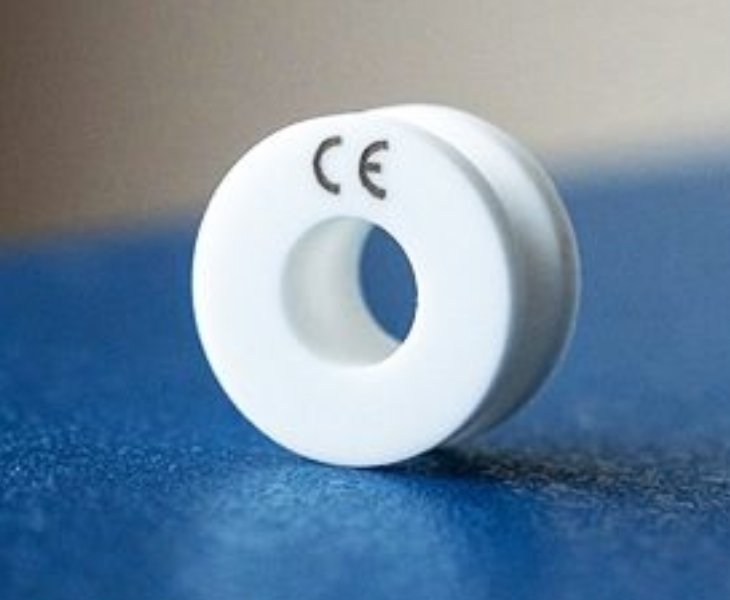
Laser marking is widely used for adding permanent identification marks on ceramic components. The process creates high-contrast and durable markings without using inks, coatings, or chemical additives.
Typical markings include:
-
Serial numbers
-
Traceability codes
-
Product identification marks
-
Logos and technical markings
Laser marking ensures long-term durability even in high temperature or harsh industrial environments.
Laser Scribing of Ceramics
Laser scribing is used to create controlled grooves or separation lines on ceramic substrates. This technique is commonly used in electronic ceramic manufacturing and semiconductor packaging.
Laser scribing allows precise depth control and helps reduce mechanical damage to the ceramic material.
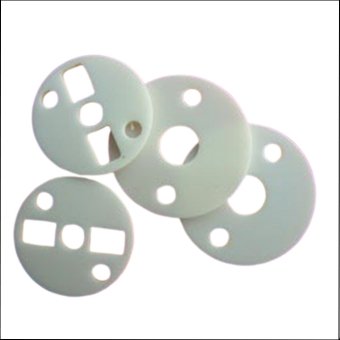
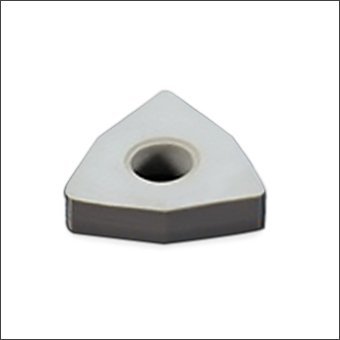
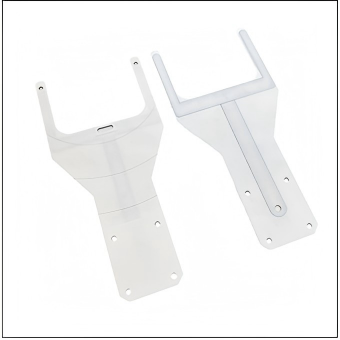
Related Ceramic Products
Why Choose JingHui Ceramics
JingHui Ceramics specializes in the manufacturing and precision machining of advanced ceramic components.
Our capabilities include:
-
advanced ceramic material manufacturing
-
precision CNC ceramic machining
-
laser cutting and drilling
-
ceramic metallization
-
ceramic to metal brazing
With extensive experience in engineering ceramics, we provide reliable solutions for demanding industrial applications.
Custom Laser Ceramic Components
If you are looking for precision laser machining of advanced ceramic materials, our engineering team can help develop customized solutions based on your application requirements.
Contact us today to discuss your custom ceramic component project.
Yes. Many advanced ceramics such as alumina, zirconia, silicon carbide, and aluminum nitride can be processed using laser cutting technology. Laser cutting provides high precision and minimizes mechanical stress compared with traditional machining methods.
Yes. Laser machining is particularly suitable for brittle materials like ceramics because it is a non-contact process. It reduces the risk of chipping or cracking that can occur during conventional machining.
Laser drilling allows the creation of micro holes and high aspect ratio holes that are difficult to produce using traditional drilling tools. It is widely used in electronics, sensors, and semiconductor components.
Yes. Laser marking creates permanent, high-contrast markings on ceramic surfaces without using inks or chemicals. The marks are resistant to wear, heat, and chemical exposure.
When proper parameters are used, laser machining creates minimal heat affected zones and maintains the mechanical properties of ceramic components.