


Introduction
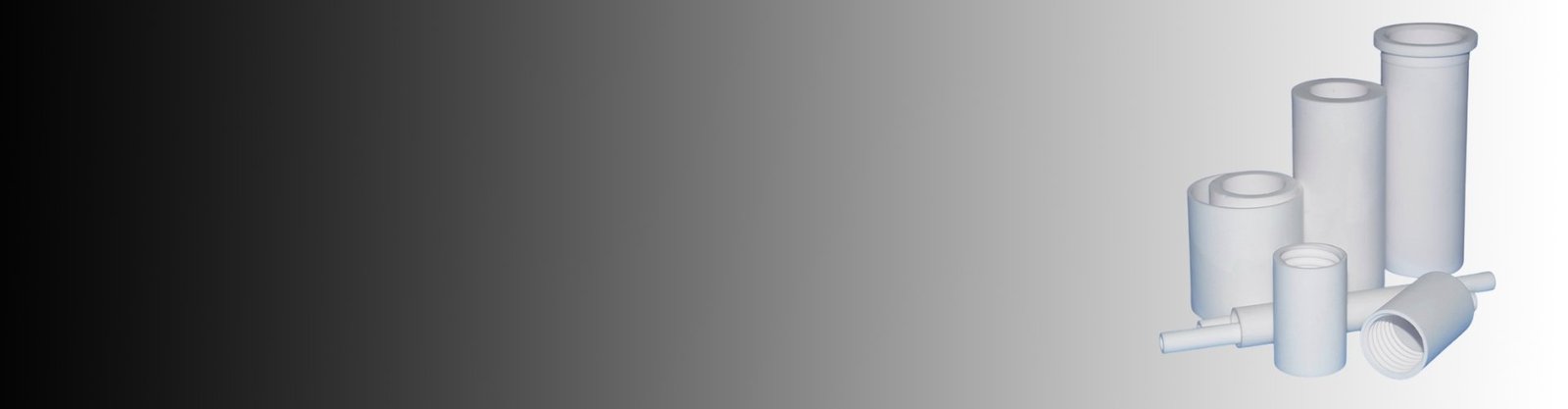
Jinghui manufactures custom ceramic tubes for industrial equipment and engineering applications. We support a range of tube geometries, including straight tubes, multi-bore tubes, flanged tubes, closed-end tubes and other drawing-based designs.
Material selection, dimensions and secondary machining are reviewed according to your application requirements. Whether you need a ceramic insulating tube, a protective tube or a precision component for an equipment assembly, our team can assess manufacturing feasibility based on your drawings or samples.
Key Capabilities
- Custom ceramic tube geometries and dimensions
- Alumina, zirconia and selected advanced ceramic materials
- Precision grinding and secondary machining for selected designs
- Drawing-based OEM manufacturing
- Sample development and production quotation
Custom Ceramic Tube Manufacturing
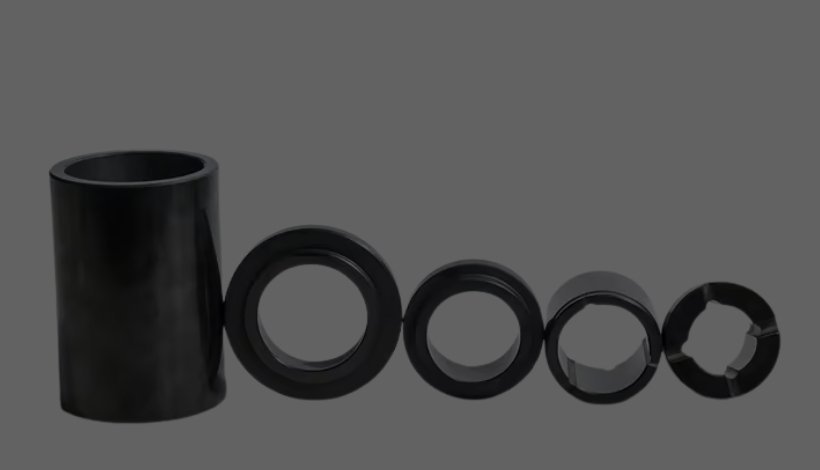
Jinghui is a China-based manufacturer of advanced ceramic components, established in 2008. Our manufacturing experience covers ceramic forming, sintering, precision grinding, CNC machining and other secondary processing operations for selected ceramic components.
For ceramic tubes, we work with customers to review material grades, tube geometry, dimensional requirements and production methods before confirming a manufacturing plan. This is particularly important for thin-wall tubes, multi-bore structures, flanged designs and components requiring tight dimensional control.
Our support includes:
- Material and design review: Assessing material suitability and the manufacturability of your tube design.
- Custom geometry: Reviewing round, shaped, multi-bore, flanged and closed-end structures according to the drawing.
- Secondary machining: Evaluating grinding, polishing or other machining operations where required.
- OEM production: Supporting drawing-based development, sample evaluation and repeat production.
- Application-oriented communication: Reviewing the operating environment and critical dimensions before quotation.
Ceramic Tubes by Material
Different ceramic materials offer different combinations of electrical, thermal, mechanical and chemical properties. The right choice depends on the working temperature, thermal cycling, mechanical loading, electrical requirements and surrounding media.
Jinghui supports selected ceramic tube materials according to product design and manufacturing feasibility.
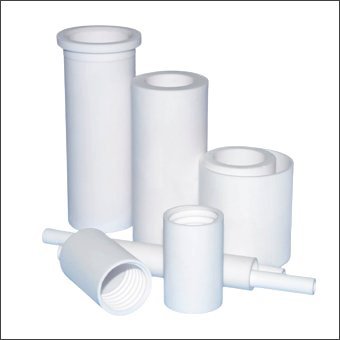
Alumina is widely used for ceramic tubes requiring electrical insulation, wear resistance and thermal stability. Different alumina grades are available in the technical ceramics market, while the appropriate grade for a specific tube depends on its application and manufacturing requirements.
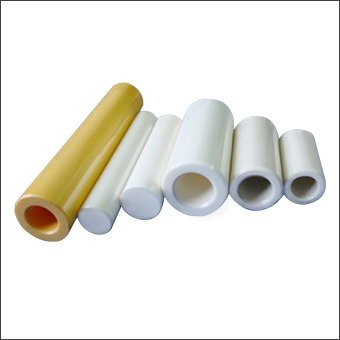
Zirconia is considered for designs requiring higher fracture toughness than many conventional oxide ceramics. Its suitability depends on the zirconia grade, stabilization system, geometry and operating conditions. Custom zirconia tubes can be evaluated for applications.
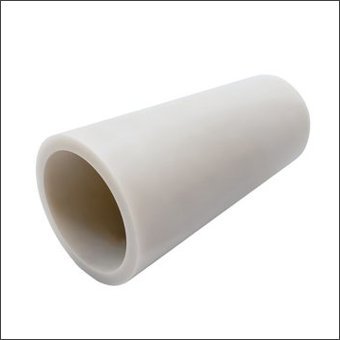
AlN offers high thermal conductivity while maintaining electrical insulation. It may be considered where heat transfer and electrical isolation are both important. The suitability of AlN for a tubular component depends on its geometry, thermal conditions and manufacturing feasibility.
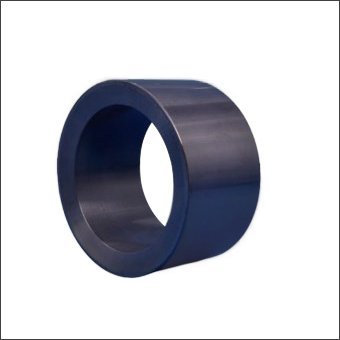
Silicon nitride is known for its mechanical strength, thermal shock resistance and wear performance in suitable grades and operating conditions. The appropriate grade and tube design should be reviewed against the actual service environment.
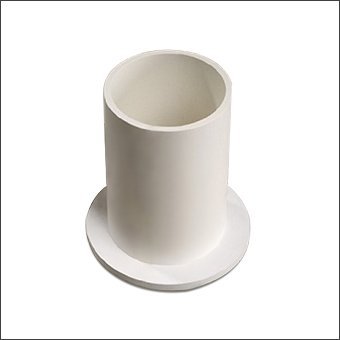
Boron nitride is available in different grades with distinct thermal, electrical and machining characteristics.When assessing high-temperature or electrically insulating applications, please provide the operating environment and required dimensions for a suitability review.
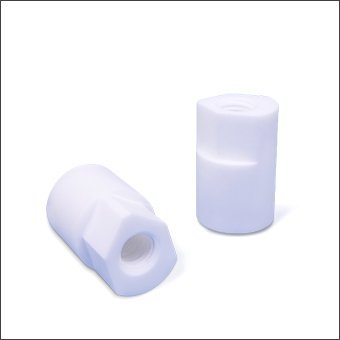
Machinable glass ceramic materials, including MACOR-type materials where available, may be considered for components requiring machining of complex features. Their use depends on material availability, dimensions and the required properties of the finished part.
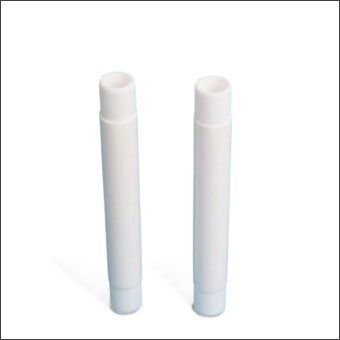
Zirconia-toughened alumina is a composite ceramic material developed to improve fracture toughness compared with conventional alumina formulations. The actual performance depends on composition, processing and component design.
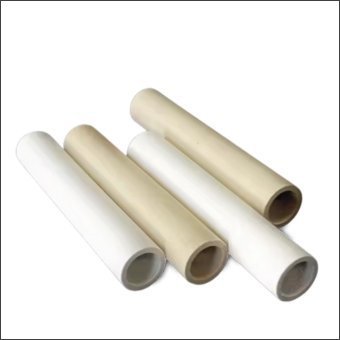
Mullite is used in selected thermal and electrical applications because of its combination of thermal stability and electrical properties. It may be considered for protective tubes and other components where the operating conditions suit the material.
Custom Ceramic Tube Designs
Ceramic tubes are not limited to straight, open-ended cylinders. The geometry can be adapted to the installation method, electrical isolation requirements, fluid or gas path, and mechanical interfaces of the final assembly.
Jinghui reviews custom tube structures based on drawings, samples and manufacturing feasibility.
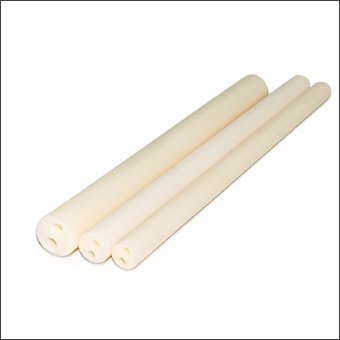
Two internal passages in one ceramic body. The bore spacing, wall thickness and overall geometry need to be evaluated together to reduce the risk of cracking and dimensional variation.
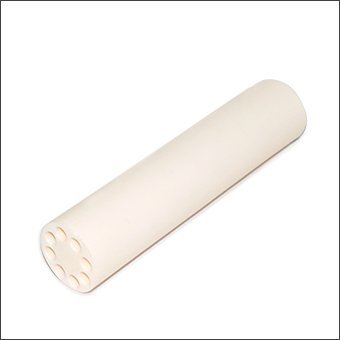
Multiple passages can be incorporated into a single component where the design and forming process allow. The number, diameter and spacing of the bores should be specified in the drawing.
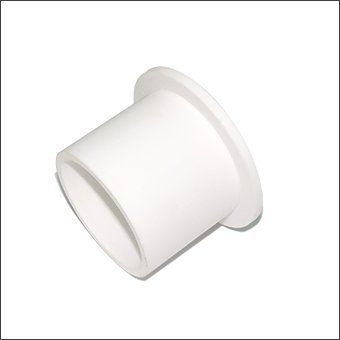
Flanged ends can support mounting, positioning or assembly requirements. Flange thickness, transition geometry and contact surfaces should be reviewed as part of the complete design.
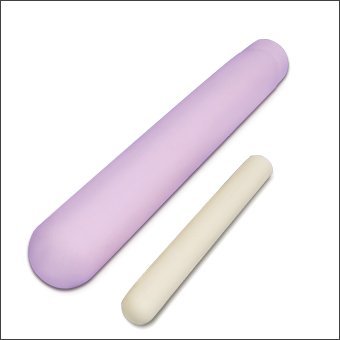
Closed-end designs may be used where one end needs to be protected or isolated. The closed-end geometry, wall thickness and internal dimensions must be considered together.
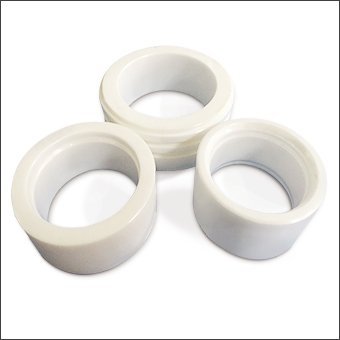
Grinding and polishing can be evaluated where the design requires controlled dimensions, surface finish or specific contact surfaces. The achievable result depends on material, geometry and the machining allowance.
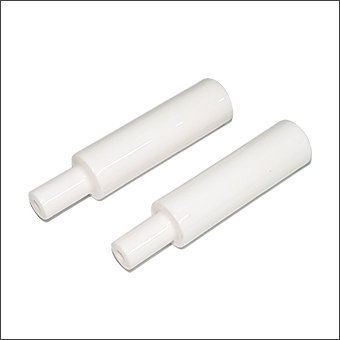
A glaze may be considered for selected products when it is compatible with the material and service environment. The coating requirement and relevant performance expectations should be agreed before production.
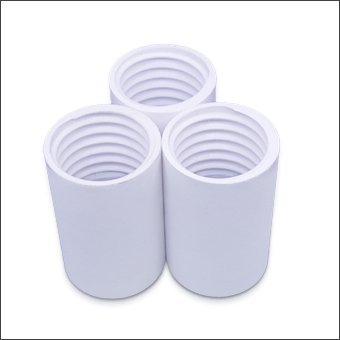
Threaded features require careful assessment because ceramics are hard and brittle compared with metals. Thread dimensions, engagement length, installation method and mechanical loading should be considered before confirming feasibility.
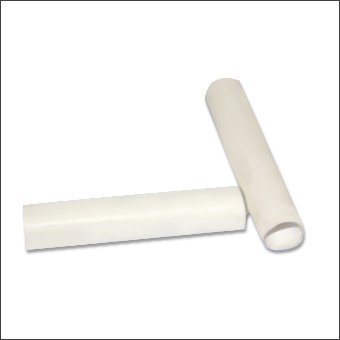
Thin-wall designs require particular attention to forming, sintering shrinkage, handling and secondary machining. Feasibility depends on the material, tube length, diameter, wall thickness and production method.
Ceramic Tubes for Industrial Applications
The required ceramic material and geometry depend on the actual operating conditions. The following are application areas where ceramic tubes may be used, subject to material suitability and design review.
-
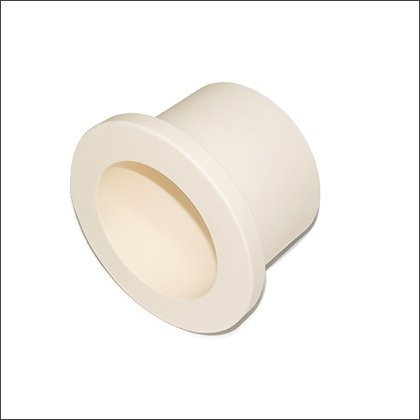
Ceramic tubes may serve as protective tubes, insulating components or other furnace-related parts. Selection should consider operating temperature, atmosphere, thermal cycling and the possibility of thermal shock.
-
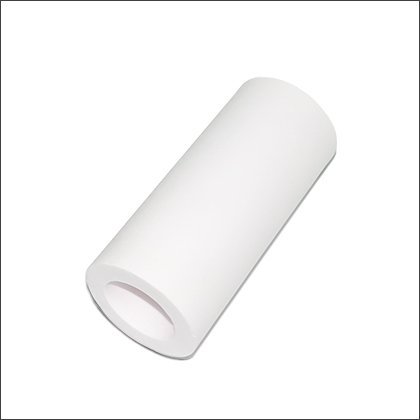
Ceramic tubes can provide electrical insulation in suitable designs. Voltage requirements, creepage distance, wall thickness, surface condition and the surrounding environment should be considered together.
-
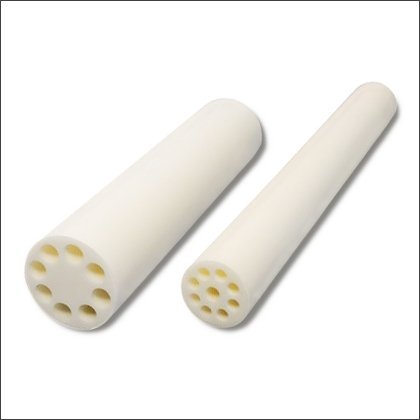
Protective ceramic tubes can help isolate temperature sensors from the surrounding environment. Material selection depends on the temperature, atmosphere, chemical exposure and sensor configuration.
-

Selected ceramic tubes or insulating components may be used in electronic assemblies. Dimensional requirements, electrical properties and assembly interfaces should be specified in the drawing.
-
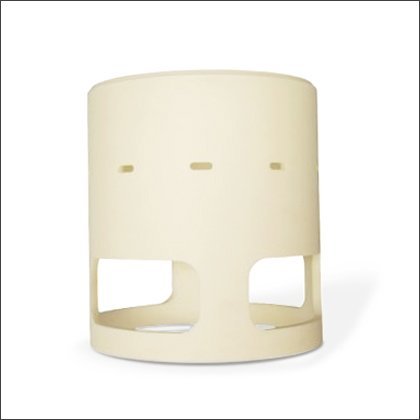 Semiconductor Equipment
Ceramic components may be used in selected semiconductor equipment where electrical insulation, thermal stability or resistance to specific process environments is required. Actual suitability depends on the material grade, process chemistry, cleanliness requirements and equipment design.
-
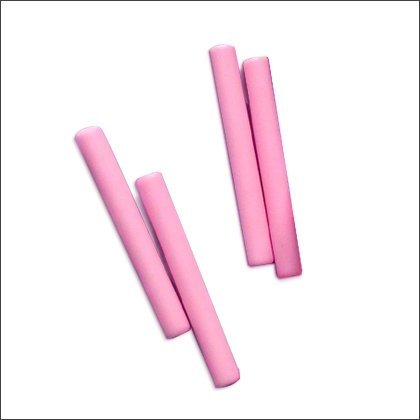
Depending on the design, ceramic tubes may also be considered for electrical insulation, thermal protection, positioning or other mechanical functions in industrial assemblies.
Ceramic Tube Manufacturing and Secondary Machining
The manufacturing route for a ceramic tube depends on the material, geometry, dimensions, production quantity and required tolerances. Forming and sintering establish the basic component geometry, while selected designs may require additional machining to meet the drawing.
Our manufacturing review may cover:
- Forming method and geometry feasibility
- Sintering shrinkage and dimensional allowance
- Outer diameter, inner diameter, length and wall thickness
- Bore position, spacing and concentricity requirements
- End-face geometry and flange dimensions
- Grinding, polishing or other secondary machining
- Inspection method for critical dimensions
What Dimensions Should You Specify?
For an accurate quotation, provide the following information where applicable:
Material grade, Outer diameter (OD), Inner diameter (ID), Overall length, Wall thickness, Number and diameter of bores, Bore spacing, Flange or closed-end geometry, Dimensional tolerances, Surface finish, Operating environment, Annual or batch quantity.
Important: Achievable tolerances depend on the ceramic material, component dimensions, geometry, machining method and inspection requirements. Please identify the critical dimensions on your drawing so they can be reviewed individually.
How to Choose a Ceramic Tube
The best ceramic tube is not necessarily the one made from the hardest material or the one with the highest nominal temperature rating. Selection should be based on the complete operating environment and the component’s function.
Before choosing a material or finalizing a drawing, consider the following:

Specify the normal operating temperature, peak temperature, exposure duration and whether the component experiences repeated heating and cooling.

If the tube is used as an electrical insulator, identify the voltage, surrounding medium, geometry and relevant insulation requirements.

Provide the chemical composition, concentration, atmosphere and exposure conditions where possible. Compatibility should be reviewed for the selected material grade.

Consider installation forces, vibration, impact, bending and contact loads. Ceramic components are generally less tolerant of impact and tensile loading than many metals.

Identify the dimensions that affect assembly, alignment, sealing or performance. This helps determine whether secondary machining and additional inspection are necessary.

Prototype quantities, small batches and recurring production can involve different tooling and process considerations. Share the expected quantity and forecast where available.
Related Ceramic Components
-
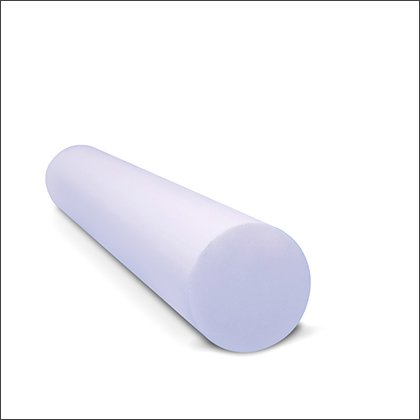
For structural, insulating or positioning functions.
-
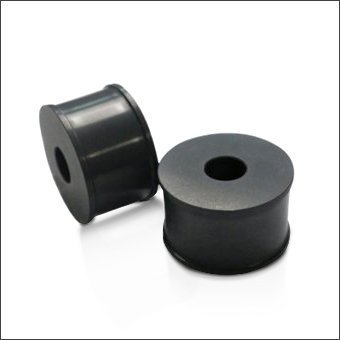
For selected conveying or guiding applications.
-
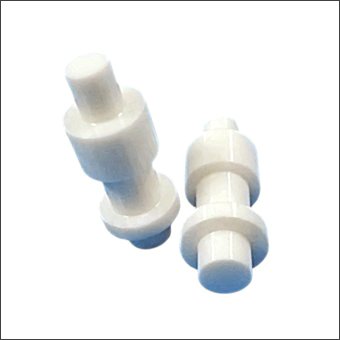
Custom ceramic shafts according to design requirements.
-
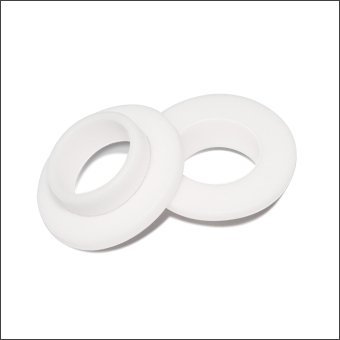
Ceramic components for spacing and electrical isolation.
-
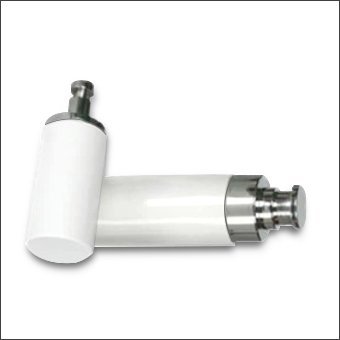
Precision ceramic components for selected mechanical systems.
Quality Control for Custom Ceramic Tubes
Quality requirements should be defined according to the function of the ceramic tube and the risks associated with its application. A general visual inspection alone may not be sufficient for components with tight dimensional or assembly requirements.
Depending on the product and agreed specification, inspection planning may cover:
- Visual inspection for chips, cracks and surface defects
- Dimensional inspection of critical features
- Outer and inner diameter measurements
- Length and wall-thickness measurements
- Bore position and geometry checks
- Surface finish inspection where specified
- Documentation and inspection records as agreed
The inspection method and acceptance criteria should be agreed before production, particularly for thin-wall, multi-bore or precision-machined designs.
Request a Quote for Custom Ceramic Tubes
Have a drawing, sample or application requirement? Send us the available information and our team can review the material, geometry and manufacturing requirements before quotation.
To help us assess your project efficiently, please include:
- Your drawing or sample photos
- Required ceramic material, if known
- Critical dimensions and tolerances
- Operating temperature and environment
- Prototype or production quantity
- Any special inspection or documentation requirements
Alumina and zirconia are among the materials used for ceramic tubes. Other materials, such as aluminum nitride, silicon nitride, boron nitride, ZTA and machinable glass ceramic, may be considered depending on product requirements and manufacturing feasibility. Please specify the required material grade when requesting a quotation.
Custom designs can be reviewed based on 2D drawings, 3D files or physical samples. Manufacturing feasibility depends on the material, geometry, dimensions, tolerances and production quantity. We recommend identifying critical dimensions and application conditions when submitting your design.
The feasible size range depends on the material and forming method, as well as the tube’s length, wall thickness and geometry. Very small bores, thin walls, long tubes and large diameters may require different manufacturing and machining approaches. Please provide your dimensions for an individual assessment.
There is no single tolerance that applies to every ceramic tube. Achievable tolerances depend on material, dimensions, geometry, manufacturing route and secondary machining. Please identify critical dimensions on the drawing so that feasible tolerances and inspection methods can be reviewed before production.
Selected ceramic tubes can undergo secondary machining, such as precision grinding or polishing, depending on material and design. Because sintered ceramics are hard and can be brittle, the machining method and allowance must be reviewed carefully. Not every geometry or tolerance is suitable for every material.
Please provide the material grade, drawing or sample, outer diameter, inner diameter, length, wall thickness, critical tolerances, surface requirements, operating environment and estimated quantity. If you have special inspection or documentation requirements, include them with your inquiry.
There is no single maximum operating temperature for all ceramic tubes. The usable temperature depends on the material grade, atmosphere, load, exposure duration, thermal cycling and the component design. Please describe your actual operating conditions so that the material can be evaluated appropriately.
Sample development can be discussed according to the design, tooling requirements and manufacturing process. Please provide the drawing or sample, material requirements and expected production quantity so that the development route can be reviewed.
A complete drawing should identify the material, dimensions, tolerances, geometry, surface requirements and any critical assembly interfaces. For complex applications, operating temperature, atmosphere, chemical exposure and mechanical loading should also be described.