


Introduction
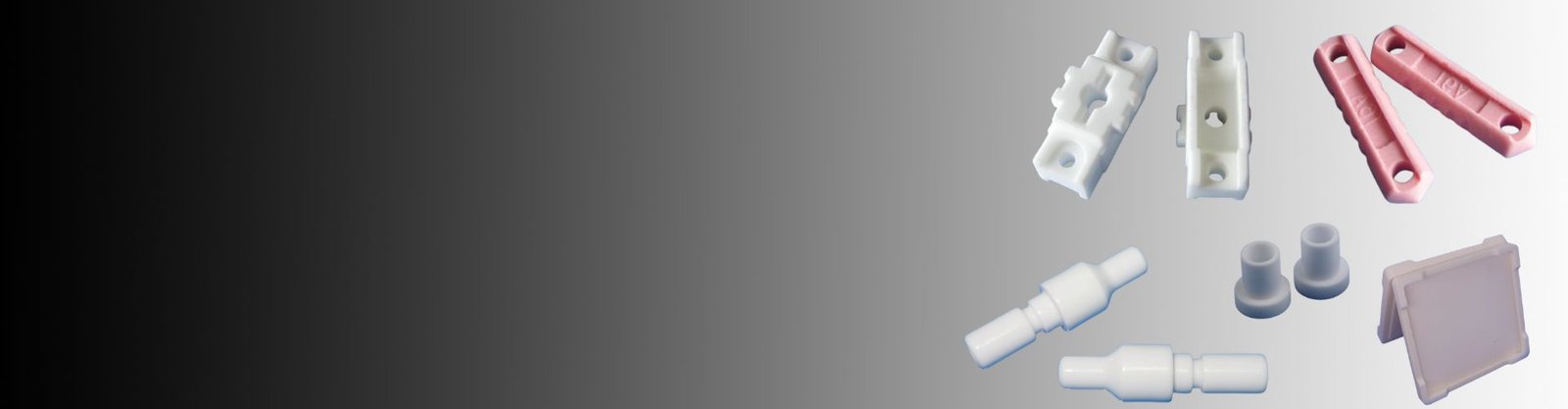
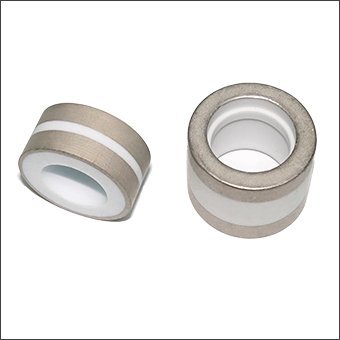
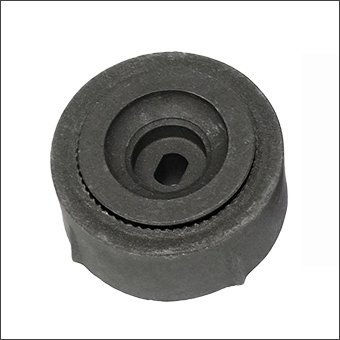
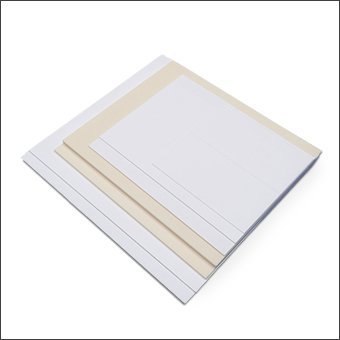
In our product classification and definition, metallized ceramics, ceramic burrs, ceramic substrates, and precision-machined ceramics are ceramic products with distinctive characteristics. However, other customized products are clearly not included in these four categories, and we classify them as customized industrial ceramics.
Custom industrial ceramics are engineered ceramic components designed to provide exceptional wear resistance, electrical insulation, corrosion resistance, and thermal stability in demanding industrial environments. Compared with metals and polymers, industrial ceramics offer longer service life and superior performance under harsh operating conditions.
Common Ceramic Materials for Industrial Ceramics
The most widely used engineering ceramic material.
Features:
- Excellent insulation
- Good wear resistance
- Cost-effective
- Stable performance
Known for high toughness and crack resistance. Applications include precision mechanical and sealing components.
An economical ceramic material commonly used in electrical insulation applications.
Industrial Ceramic Product Categories
Different ceramic materials are selected based on application requirements.
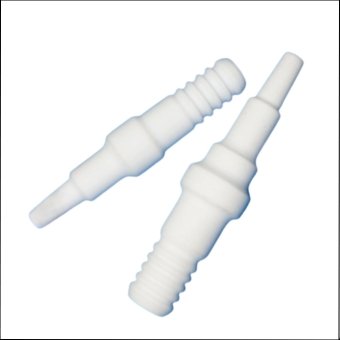
Spark plug ceramics provide electrical insulation and thermal resistance in ignition systems.
Applications:
- Automotive spark plugs
- Small engines
- Industrial engines
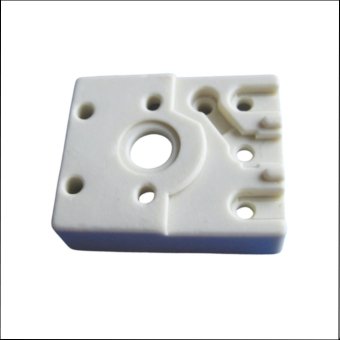
Used in heating systems and temperature control devices.
Advantages:
- High temperature resistance
- Electrical insulation
- Corrosion resistance
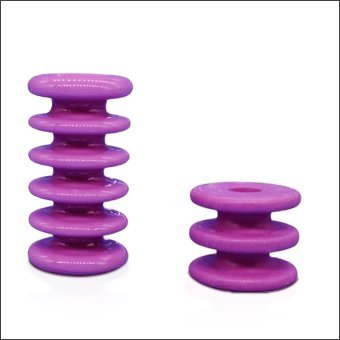
Ceramic rollers provide excellent wear resistance and dimensional stability.
Applications:
- Textile machinery
- Conveyor systems
- Battery production equipment
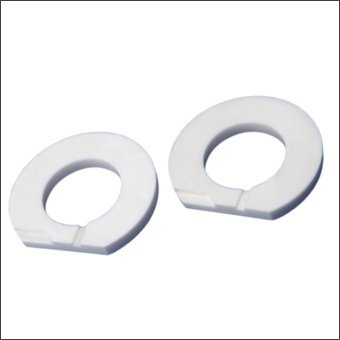
Used for insulation, spacing, and wear protection.
Applications:
- Electrical equipment
- Semiconductor systems
- Industrial assemblies
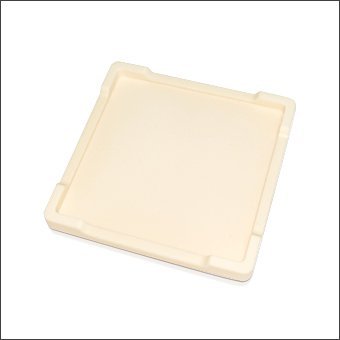
Ceramic crucibles are designed for high-temperature melting and material processing.
Suitable for:
- Metal melting
- Laboratory testing
- Material analysis
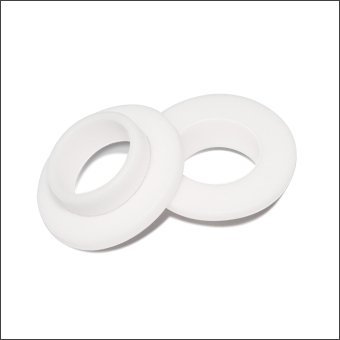
Provide electrical isolation and dimensional positioning.
Applications:
- Electronics
- Power equipment
- Vacuum systems
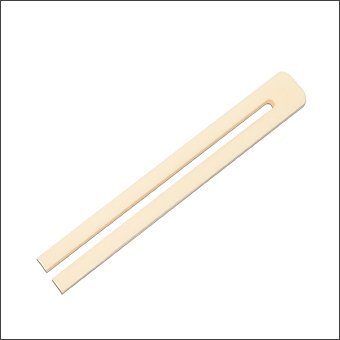
One of the most common ceramic electrical components.
Applications:
- High-voltage equipment
- Sensors
- Heating systems
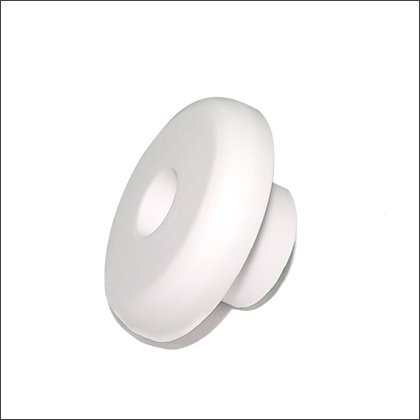
Used in rotating and sliding systems requiring wear resistance.
Benefits:
- Low wear
- Long service life
- Corrosion resistance
Full-process Quality Control
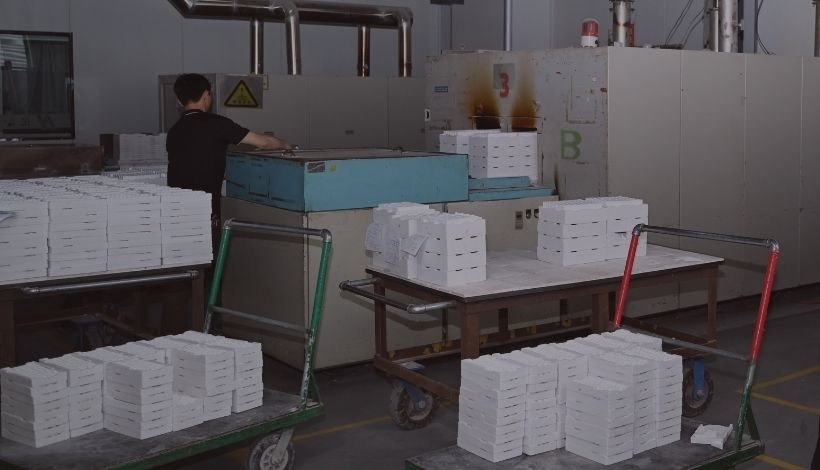
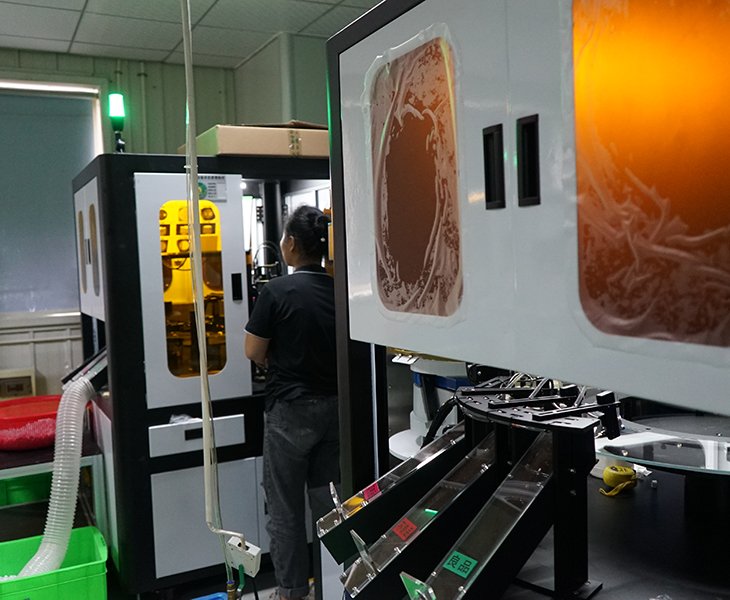
We are an ISO 9001 certified company, and we implement integrated and strict control over the entire production process. From raw materials to manufacturing to shipment, every stage of production undergoes multiple inspection procedures—including incoming material inspection, first article inspection, self-inspection, mutual inspection, patrol inspection, and final inspection—to ensure quality compliance.
High-precision Machining Equipment
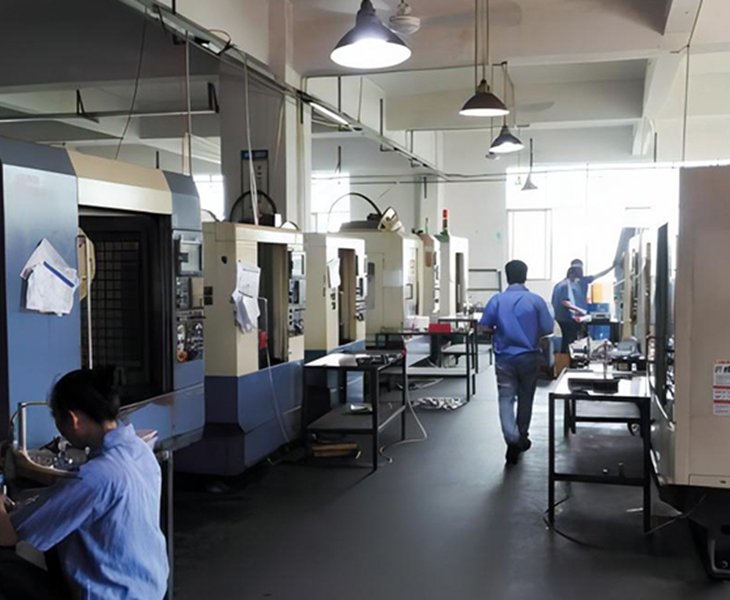
We are equipped with high-precision machining equipment such as CNC lathes, grinders, milling machines, drilling machines, polishing machines, and cutting equipment. We select appropriate equipment and machining technologies based on the requirements of the ceramic parts, ensuring both production efficiency and high-quality machining. For example, in grinding, the processes we commonly perform include flat grinding, cylindrical grinding, internal grinding, and centerless grinding.
High-precision Testing Instruments
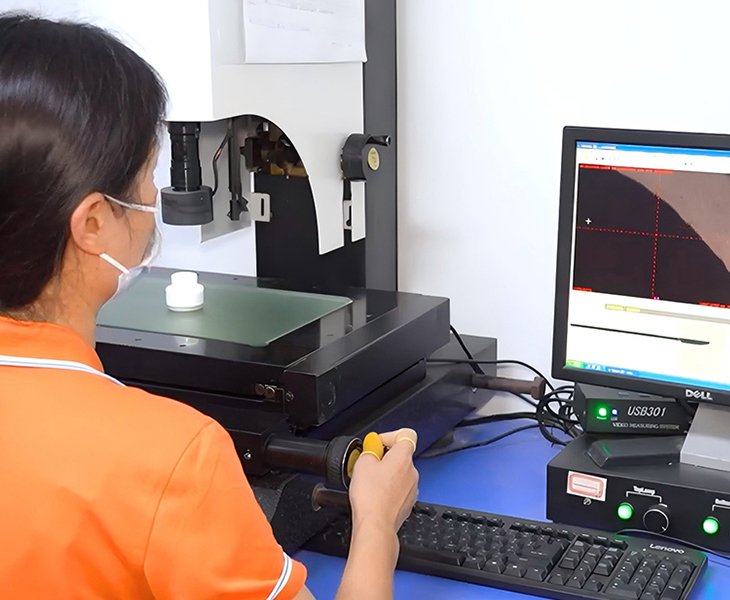
We are equipped with high-precision testing instruments such as electron microscopes, optical measuring machines, coordinate measuring machines, height gauges, surface roughness testers, densitometers, laser grain analytical instruments, coating thickness gauges, mechanical strength testers, and resistance meters. These instruments can accurately measure the dimensions, surface quality, mechanical properties, and other parameters of ceramic parts, ensuring that products meet design requirements.
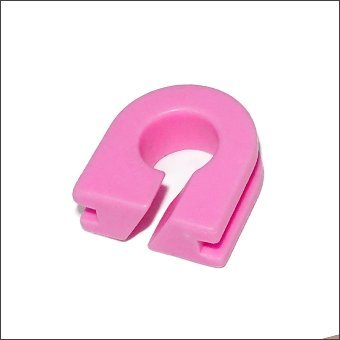
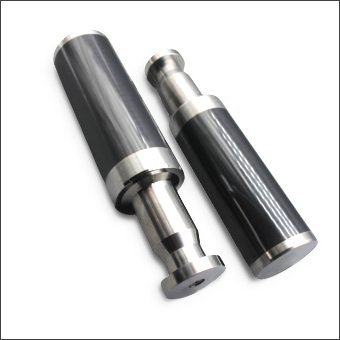
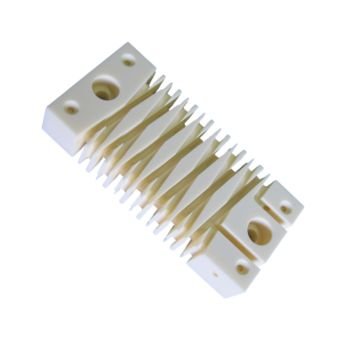
Custom Ceramic Components
We provide full customization services for industrial ceramics. Custom geometries can be manufactured according to drawings or technical specifications:
-
custom dimensions
-
material selection
-
tight tolerances
-
surface finishing
-
complex geometries
Our engineering team works closely with customers to optimize designs for manufacturability and performance.
Why Choose Jinghui
– 18+ years of experience in precision ceramic machining
– Tolerances up to ±0.001 mm
– Surface roughness Ra ≤ 0.1 μm
– ISO 9001 certified manufacturing
– Fast lead time: samples in 7–10 days
– Flexible MOQ for prototyping and mass production
We are committed to delivering high-quality precision ceramic components for global customers.
Industrial ceramic components are engineered parts manufactured from advanced ceramic materials such as alumina, zirconia, and steatite. They are widely used where electrical insulation, wear resistance, corrosion resistance, or high-temperature stability are required. Compared with traditional metal components, ceramics often provide longer service life and improved reliability in demanding industrial environments.
Alumina ceramic offers an excellent balance between cost and performance. It provides good electrical insulation, wear resistance, chemical stability, and mechanical strength while remaining relatively economical. Because of this combination of properties, alumina is one of the most widely used ceramic materials across industrial, electrical, and electronic applications.
Yes. Industrial ceramic components can be customized according to customer drawings, material requirements, dimensional tolerances, and application conditions. Different forming and machining technologies can be selected depending on the complexity of the design and production volume requirements.
Industrial ceramics are widely used in electrical insulation systems, semiconductor equipment, pumps and valves, laboratory instruments, thermal processing equipment, textile machinery, and industrial automation. Their ability to withstand wear, heat, and corrosion makes them suitable for a broad range of demanding engineering applications.
Material selection depends on operating temperature, mechanical load, wear conditions, electrical requirements, and budget considerations. Alumina is typically selected for general industrial applications, zirconia for higher toughness requirements, and steatite for economical electrical insulation applications. Engineering evaluation is recommended before final material selection.