



Why Technical Ceramics Solve Vacuum & High Voltage Challenges
Vacuum and high-voltage environments place extreme demands on material properties. Components must withstand strong electric fields, thermal fluctuations, and strict vacuum conditions, where conventional materials such as metals and polymers often fail. Technical ceramics, with their unique combination of properties, provide a reliable solution for these critical applications.
Electrical Breakdown and Insulation Failure
Under high voltage, materials are prone to dielectric breakdown, leading to insulation failure and system instability. Technical ceramics such as alumina and aluminum nitride offer high dielectric strength and excellent electrical insulation, ensuring consistent performance even under intense electric fields.
Surface Tracking and Creepage Issues
In high-voltage systems, surface discharge and tracking can occur along insulation paths, especially in compact designs. Ceramics exhibit superior resistance to surface tracking and allow for optimized creepage distance design, reducing the risk of electrical failure.
Outgassing in Vacuum Conditions
Materials used in vacuum environments must minimize outgassing to maintain system integrity and prevent contamination. Technical ceramics are inherently low in outgassing, making them highly suitable for high and ultra-high vacuum applications.
Thermal Stress and Material Deformation
Rapid temperature changes and thermal gradients can induce stress, leading to cracking or deformation. Ceramics provide excellent thermal stability and, in the case of materials like silicon nitride, strong resistance to thermal shock, ensuring long-term reliability.
Hermetic Sealing Challenges
Achieving reliable hermetic sealing between ceramics and metals is critical in vacuum and high-voltage systems. Advanced ceramic materials support metallization and brazing processes, enabling robust, leak-tight seals that maintain performance over time.
Applications in Vacuum & High Voltage Systems
Technical ceramics are widely used in vacuum and high-voltage systems where reliable electrical insulation, stable hermeticity, and long-term reliability are critical. They enable safe and consistent operation under extreme electrical and environmental conditions.
-
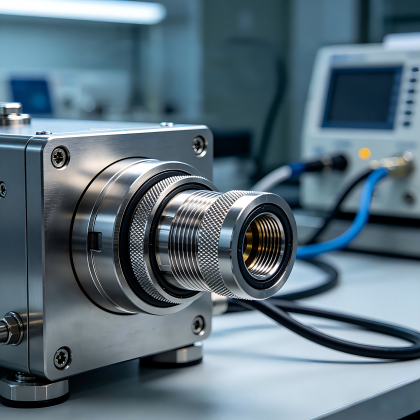 Vacuum Electrical Interfaces
Enable electrical and signal transmission across vacuum boundaries while maintaining full vacuum integrity.
-
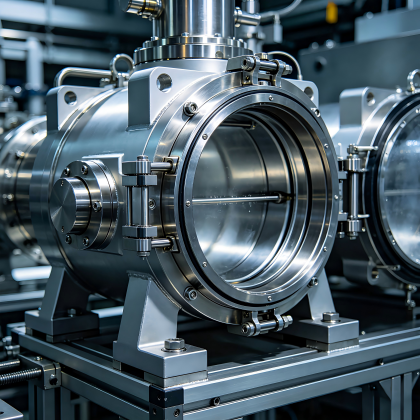 Vacuum Structural Stability Interfaces
Maintain mechanical and dimensional stability under vacuum conditions with minimal outgassing. Support long-term reliability of sealed systems.
-
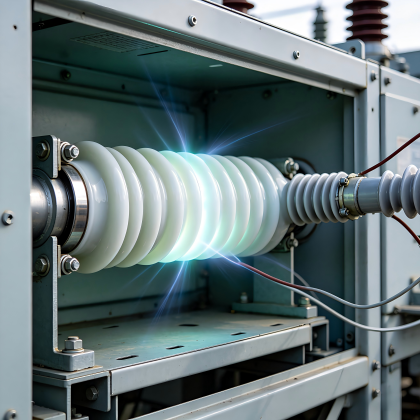 High Voltage Insulation Interfaces
Provide reliable electrical isolation under strong electric field stress. Prevent breakdown and surface discharge failure.
-
 High Voltage Electrical Stability Interfaces
Ensure stable electrical insulation performance under continuous or pulsed electrical stress. Improve system safety and operational reliability.
-
 Thermal-Mechanical Stability Interfaces
Maintain structural integrity under combined electrical, thermal, and mechanical stress. Reduce failure risk in extreme operating conditions.
-
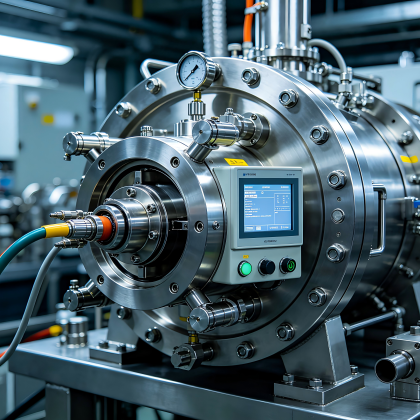 Extreme Environment Functional Interfaces
Ensure consistent performance where vacuum, high voltage, and thermal load coexist. Deliver long-term reliability in demanding conditions.
Ceramic Solutions for Vacuum & High Voltage Systems
In vacuum and high-voltage systems, technical ceramics typically exist as critical functional components. They play core roles in electrical insulation, hermetic support, and structural stability. Below are representative ceramic solutions commonly found in such extreme operating conditions.
-
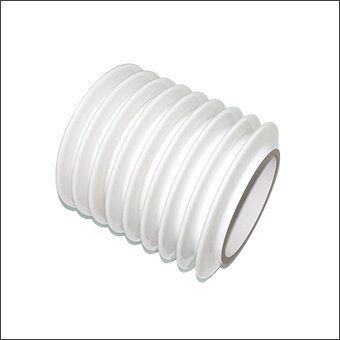 Vacuum Feedthrough Insulator
Establish a reliable insulation and signal path between a vacuum and an electrical system. Ensure stable transmission of power and signals.
-
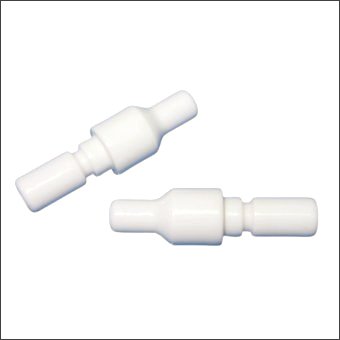 High Voltage Ceramic Insulator
Provide stable electrical isolation in strong electric field environments. Effectively prevent breakdown and surface discharge failure.
-
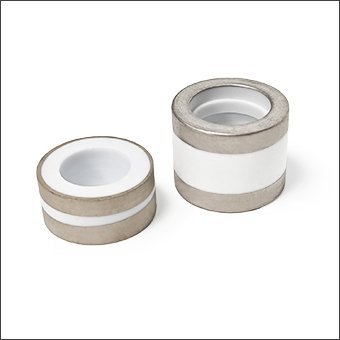 Vacuum Structural Ceramic
Maintain long-term structural stability and low gas evolution characteristics under vacuum conditions. Provide a reliable mechanical support foundation for sealing systems.
-
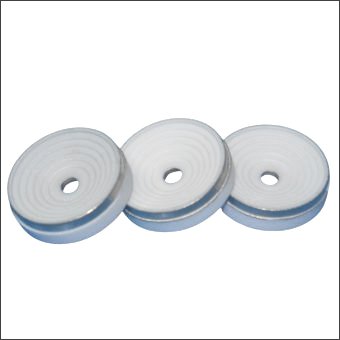 Metallized Ceramic Component
Achieve hermetically sealed connections between ceramics and metals. Ensure long-term operation of high-voltage and vacuum systems.
-
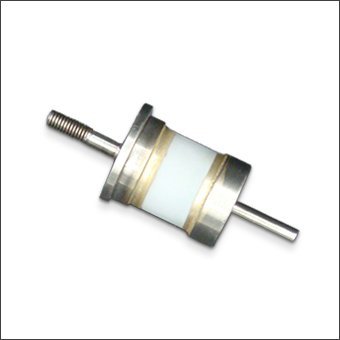 Brazed Ceramic Assembly
Achieve high-strength sealing connections under extreme temperature and stress environments. Suitable for high-reliability vacuum and high-voltage applications.
-
 Precision Insulating Ceramic Part
Provide precise insulation support in complex electric fields and mechanical structures. Balance dimensional stability and long-term reliability.
Materials for Vacuum & High Voltage
Different vacuum and high-voltage applications require ceramic materials with specific electrical, thermal, and mechanical properties. The following are the most commonly used technical ceramics for these demanding environments.
-
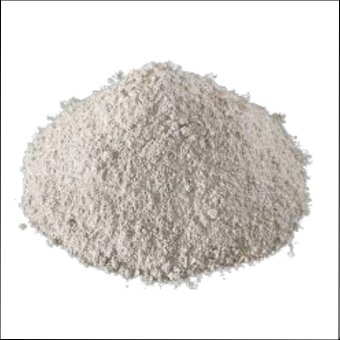 Alumina (Al₂O₃)
The most commonly used electrical insulation and structural ceramic material. Offer excellent insulation, stability, and cost-effectiveness.
-
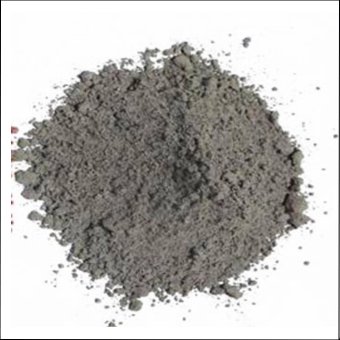 Aluminum Nitride (AlN)
High thermal conductivity combined with excellent electrical insulation. Ideal for high-power and thermal management applications.
-
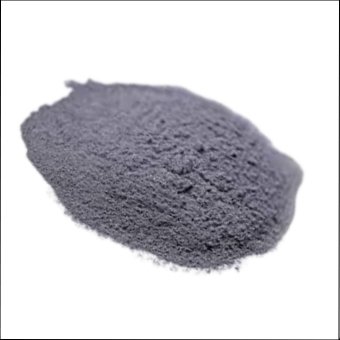 Silicon Nitride (Si₃N₄)
High mechanical strength with excellent thermal shock resistance. Suitable for demanding structural and high-reliability applications.
Precision Forming and Complex Structure Manufacturing Capabilities
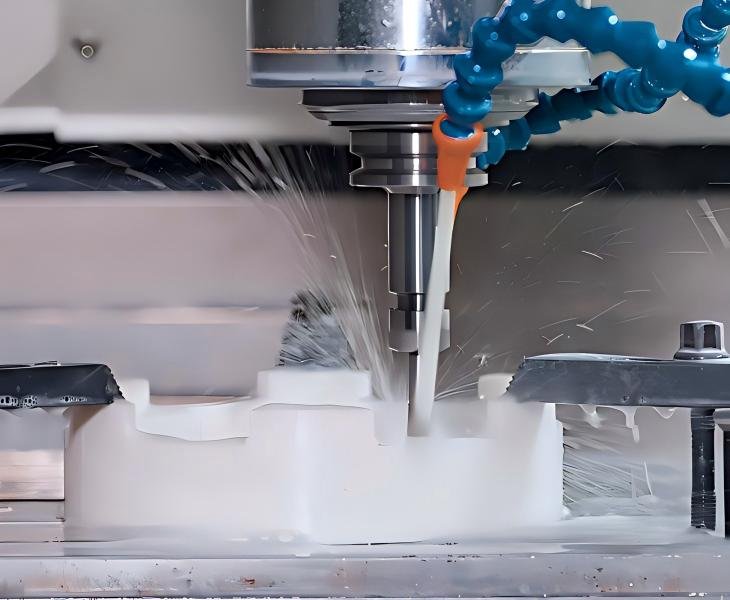
We possess a variety of ceramic forming capabilities, including dry pressing, tape casting, and subsequent precision machining, enabling the realization of designs with different sizes and complex structures. Through engineered control of the forming and sintering processes, we ensure that our products meet the application requirements of vacuum and high-voltage systems in terms of structural realization and assembly adaptability.


Metallization and Ceramic-to-Metal Integration Capabilities
We possess mature ceramic metallization capabilities, enabling the creation of stable metallization layers on ceramic surfaces for effective connections with metal components. This supports subsequent brazing and sealing processes, providing a crucial structural foundation for vacuum sealing and high-voltage electrical interfaces.
Precision Machining Capabilities and Assembly Compatibility
For demanding applications, we offer high-precision ceramic machining capabilities, including control over flatness, dimensional tolerances, and critical mating surfaces. This ensures our products can be directly applied to vacuum systems and high-voltage equipment, reducing assembly complexity and improving system integration efficiency.
Quality Assurance
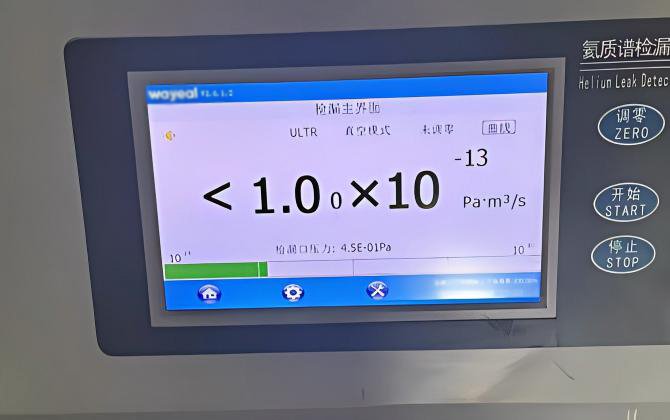
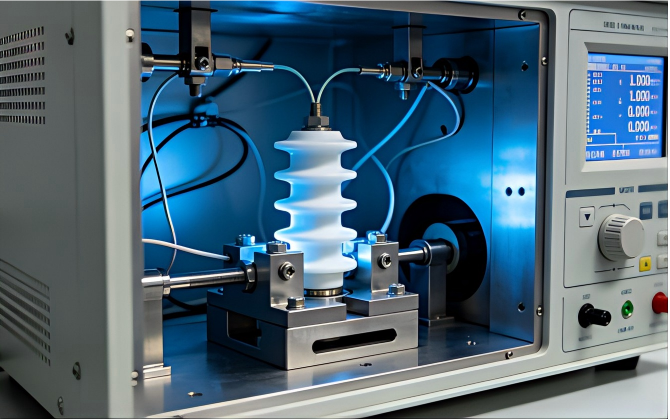
From manufacturing capability to performance validation, quality assurance ensures every part performs as expected. We have established a systematic quality control system focusing on the key risk points in vacuum sealing and high-voltage insulation applications. Through rigorous testing methods and comprehensive process management, we ensure that every batch of ceramic products exhibits stable and verifiable performance.
1. Hermeticity Verification (Helium Leak Testing)
To meet the critical requirements of vacuum applications, we perform helium leak testing to verify the hermeticity of our products, enabling the detection of even the smallest leakage paths. This method effectively evaluates the sealing integrity of ceramic bonded interfaces, ensuring that the products maintain stable sealing performance in long-term vacuum environments.
2. Electrical Insulation Property Verification
In high-voltage applications, we conduct dielectric strength and electrical insulation property tests on ceramic materials to evaluate their ability to withstand strong electric fields. By simulating the electrical stresses encountered in actual operating environments, we verify that the materials will not experience breakdown or insulation failure during long-term operation.
3. Material Property Consistency Verification
We conduct standardized performance testing and data recording for key materials to ensure that their electrical, thermal, and mechanical properties meet application requirements. Through data comparison and control, we reduce the risks associated with performance variation.
4. Batch Management and Consistency Control
We have established a batch traceability and data management mechanism to continuously monitor key indicators. This ensures that different batches of products maintain stable consistency in terms of performance and reliability.
Application Case Studies
In vacuum and high-voltage systems, material and structural design directly impact equipment reliability. The following case studies demonstrate how we address key challenges in practical applications through engineering optimization.

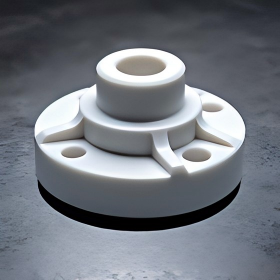
- Challenge: In a high-voltage vacuum environment, the original feedthrough components exhibited micro-leakage and partial discharge, affecting system stability.
- Solution: High-purity alumina ceramics were used, and the metallization and sealing structure were optimized. Simultaneously, the insulation design was improved to reduce electric field concentration.
- Results: Hermeticity and electrical insulation performance were significantly improved. No further leakage or discharge issues occurred during operation, and system stability was enhanced.
- Challenge: Under thermo-electric coupling conditions, ceramic structural components exhibit cracking and insulation performance variation, impacting equipment reliability.
- Solution: Optimize material selection and structural design, and improve machining accuracy in critical mating areas to reduce stress concentration.
- Results: The product remains stable under thermal cycling and high-voltage conditions, without cracking or insulation performance variation, resulting in significantly improved reliability.
While ceramics themselves have extremely low permeability, vacuum hermeticity primarily depends on the sealing structure between the ceramic and metal (such as metallization and brazing processes). High-reliability vacuum hermeticity can be achieved through appropriate design and process control.
Alumina ceramics are the most commonly used high-voltage insulation materials. They offer excellent electrical insulation properties and stability. For applications requiring higher thermal conductivity, aluminum nitride ceramics are a suitable choice. For high-strength applications and structures requiring high reliability, silicon nitride ceramics are recommended.
Voltage withstand capability depends on the type of material, thickness, structural design, and surface condition. Generally speaking, technical ceramics can operate reliably in applications ranging from several thousand volts to tens of thousands of volts or even higher, but this must be evaluated based on the specific design.
Yes, we provide technical support for ceramic metallization and brazing processes. We can achieve reliable connections between ceramics and metals to meet the requirements of vacuum-sealed and high-voltage electrical interface applications.
The choice depends primarily on the application requirements: alumina ceramics are suitable for general-purpose electrical insulation and cost-sensitive applications; aluminum nitride ceramics are suitable for applications requiring high thermal conductivity; and silicon nitride ceramics are suitable for high-strength and thermal shock environments.
High-purity technical ceramics themselves have extremely low gas evolution rates, but surface contamination or sealing materials may affect overall vacuum performance. Therefore, cleaning and process control are necessary to reduce the risk.
Metallized ceramics are used to achieve reliable connections between ceramics and metals (such as hermetic sealing and feedthroughs), whereas all-ceramic structural components primarily serve electrical insulation and structural support functions and do not involve metal-to-ceramic interfaces.
When properly designed and made from suitable materials, technical ceramics exhibit excellent long-term stability. Performance degradation is typically associated with electric field concentration, contamination, or failure at the sealing interface, rather than aging of the material itself.