


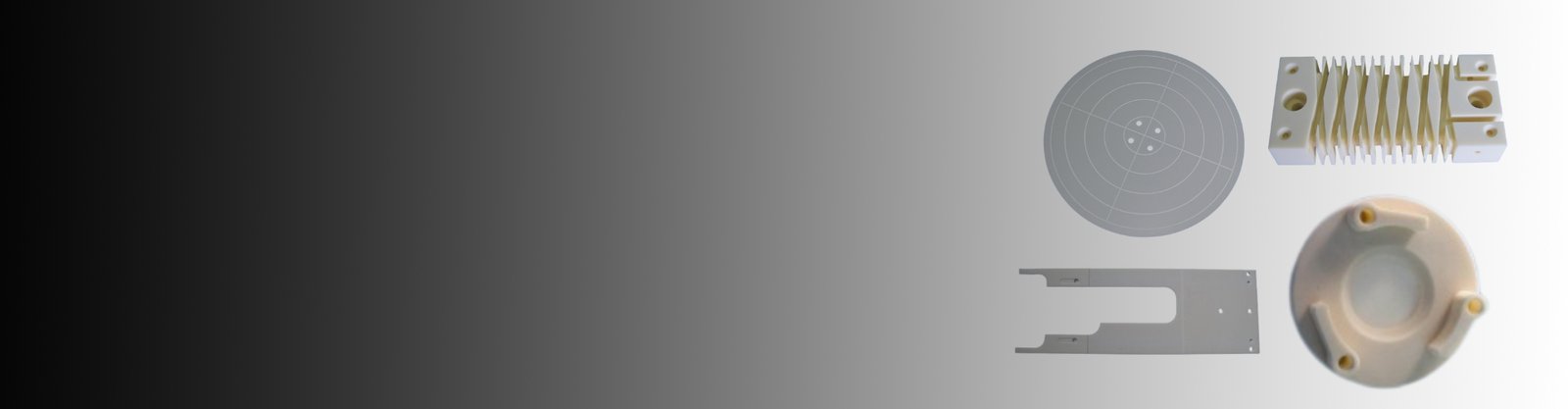
Introduction
Precision ceramic components are high-performance parts manufactured from advanced ceramic materials and finished through precision machining processes such as grinding, lapping, and polishing. These components are widely used in industries requiring high accuracy, electrical insulation, wear resistance, and thermal stability.
As a professional precision ceramic components manufacturer, Jinghui Ceramic provides:
– Dimensional Accuracy: Up to ±0.001 mm for selected features and applications
– Complex geometry machining
– For selected components and features surface finish : Ra ≤ 0.1 μm
– Rapid prototyping and mass production
Our custom ceramic components are widely used in semiconductor equipment, medical devices, electronics, and high-temperature industrial systems.
Custom Ceramic Components for Industrial Applications
Precision ceramic components refer to engineered parts made from sintered advanced ceramics and further processed to achieve precise dimensions, surface finishes, and functional performance.
Precision ceramics are used when conventional metals or polymers cannot provide the required combination of wear resistance, electrical insulation, temperature resistance, chemical stability or dimensional stability.
Our focus is not simply supplying standard ceramic shapes. We manufacture ceramic components around the customer’s actual requirements—including material, geometry, critical dimensions, surface finish, quantity and inspection requirements.
Typical components include:
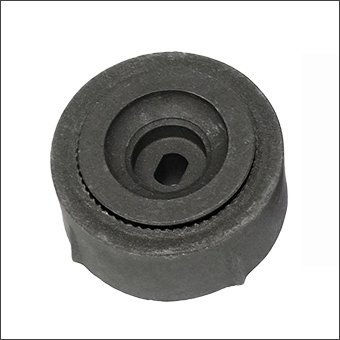
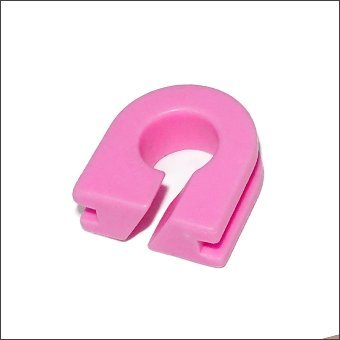
Ceramic Tubes,Ceramic Plates,Ceramic Rings,Ceramic Rods,Ceramic Bushings,
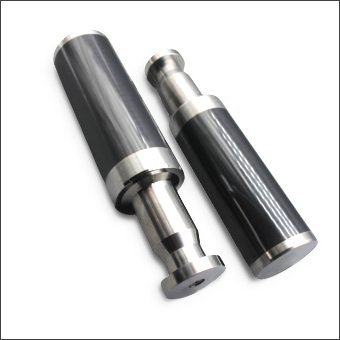
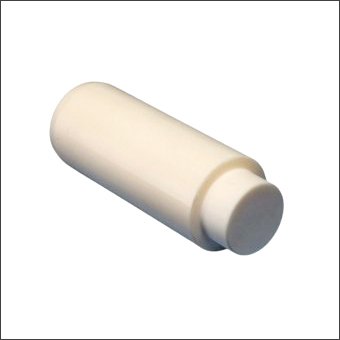
Ceramic Shafts,Ceramic Plungers,Ceramic Nozzles,Ceramic Insulators,Ceramic Spacers,
Ceramic Rollers,Ceramic Valve Components,Ceramic Sensor Housings,Other Custom Industrial Ceramic Parts
Precision Ceramic Components by Material
Different ceramic materials provide different combinations of mechanical, thermal, electrical and chemical properties. We manufacture precision components from a range of advanced ceramics according to the requirements of the application and component geometry.

-
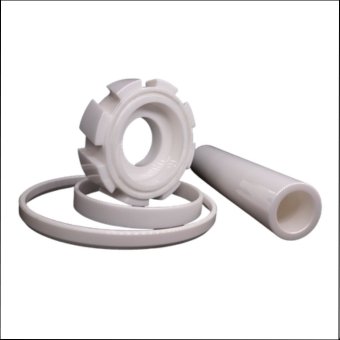
most widely used
-
excellent insulation
-
cost-effective
-
high strength and toughness
-
suitable for mechanical load
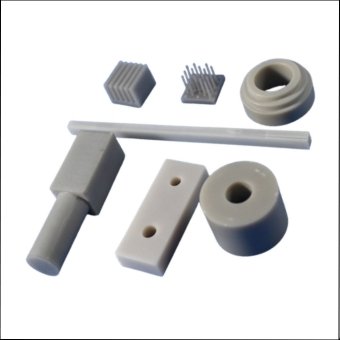
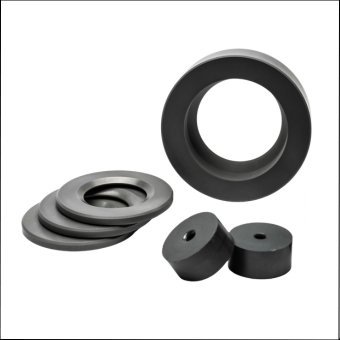
-
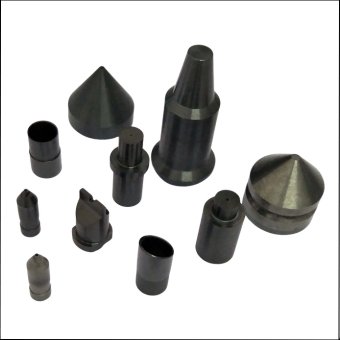
semiconductor properties
-
resistant to high temperatures and corrosion
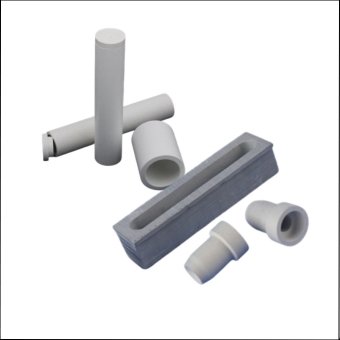
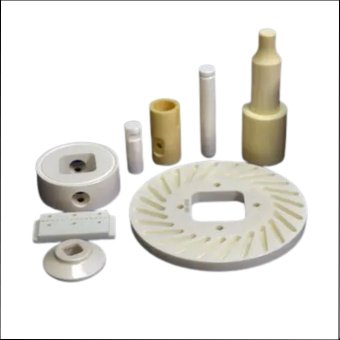
-
good hardness and toughness
-
for wear-resistant components
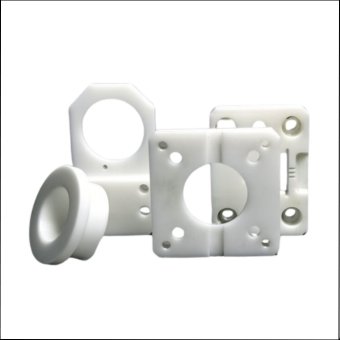
Precision Ceramic Components by Shape
We manufacture both relatively simple ceramic geometries and customized components with multiple machined features.
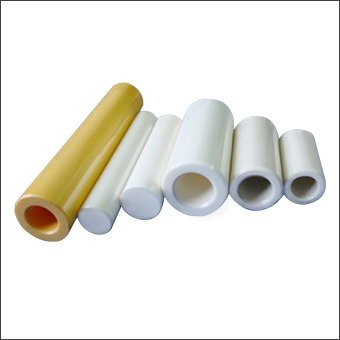
Ceramic tubes are cylindrical components used for insulation, protection, and fluid or gas transport in high-temperature environments.
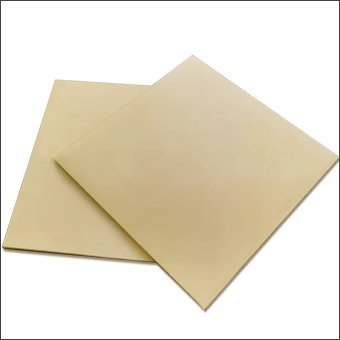
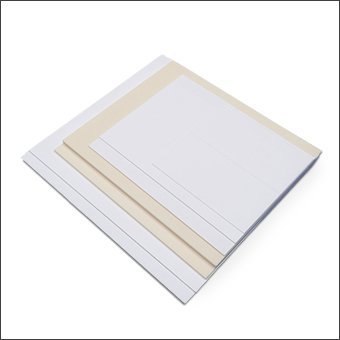
Ceramic plates are flat components widely used as substrates, insulating layers, and structural supports.
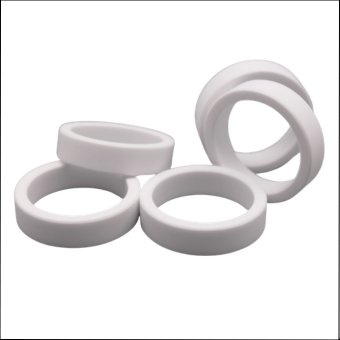
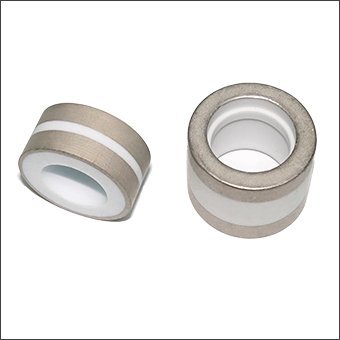
Ceramic rings are circular components used for sealing, positioning, and wear-resistant applications.
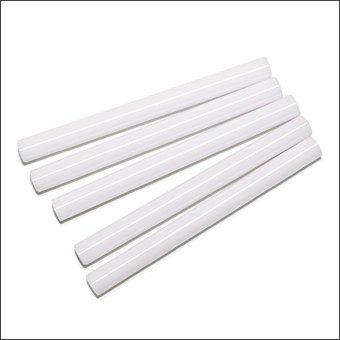
Ceramic rods are solid cylindrical components used for structural support, insulation, and guiding applications.
Precision Ceramic Components by Applications
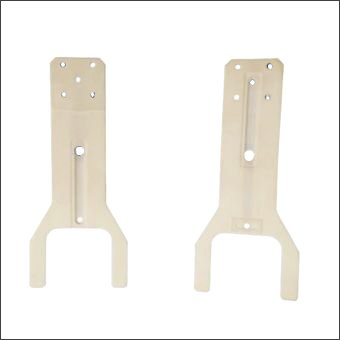
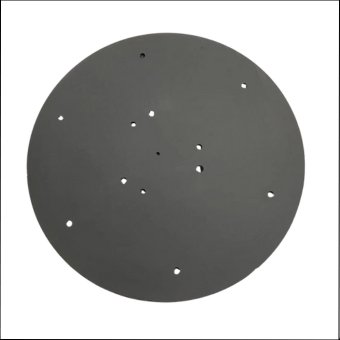
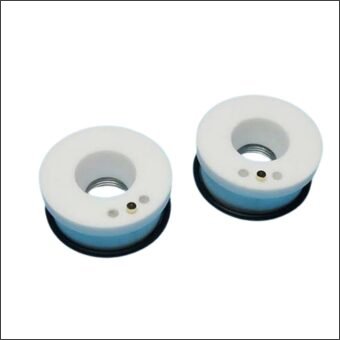
Precision ceramic parts are generally customized to your specific needs. We currently mainly offer the following categories of precision ceramic products:
Semiconductor Ceramics / Medical Ceramics / Energy Ceramics / Electronics Ceramic.
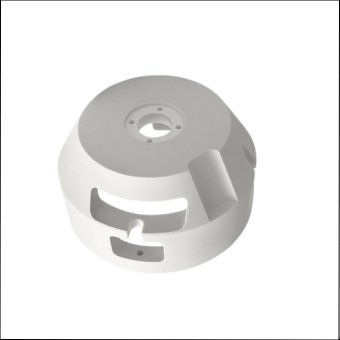
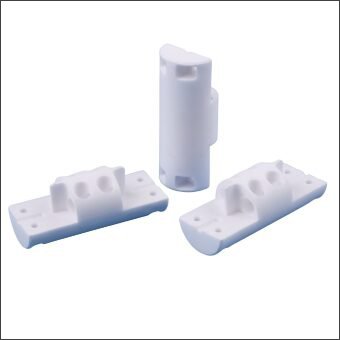
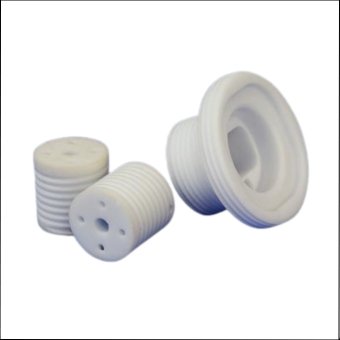
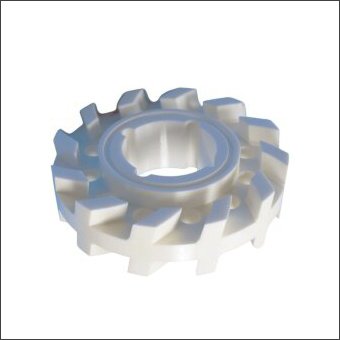
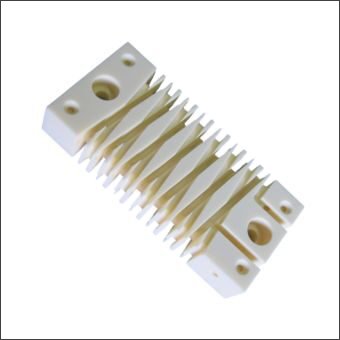
Ceramic Manufacturing & Precision Machining
Precision ceramic components are manufactured through a controlled sequence of ceramic processing and post-sintering machining. Our manufacturing process can include:
Material Preparation → Forming → Sintering → Precision Machining → Surface Finishing → Inspection → Packing & Delivery
Depending on the component, manufacturing may involve:
- Ceramic forming
- Controlled sintering
- Diamond grinding
- CNC machining
- Drilling and hole machining
- Internal and external grinding
- Double-side grinding
- Lapping
- Polishing
- Cutting and slot machining
- Final dimensional inspection
The actual process route is determined by the ceramic material, component geometry, dimensional requirements, surface finish and production volume.
From Prototype to Repeat Production
Ceramic components often require several rounds of engineering adjustment before entering stable production. We can support customers through different stages of product development.

Initial samples for evaluating material, geometry, machining feasibility and functional requirements.
Suitable for equipment development, design verification and early-stage production.
Process control and inspection requirements can be established around approved drawings and specifications for recurring orders.
For repeat components, manufacturing parameters and inspection requirements can be managed according to the approved production standard.
Most precision ceramic components we manufacture are customized rather than standard off-the-shelf products.
Full-process Quality Control
We are an ISO 9001 certified company, and we implement integrated and strict control over the entire production process. From raw materials to manufacturing to shipment, every stage of production undergoes multiple inspection procedures—including incoming material inspection, first article inspection, self-inspection, mutual inspection, patrol inspection, and final inspection—to ensure quality compliance.
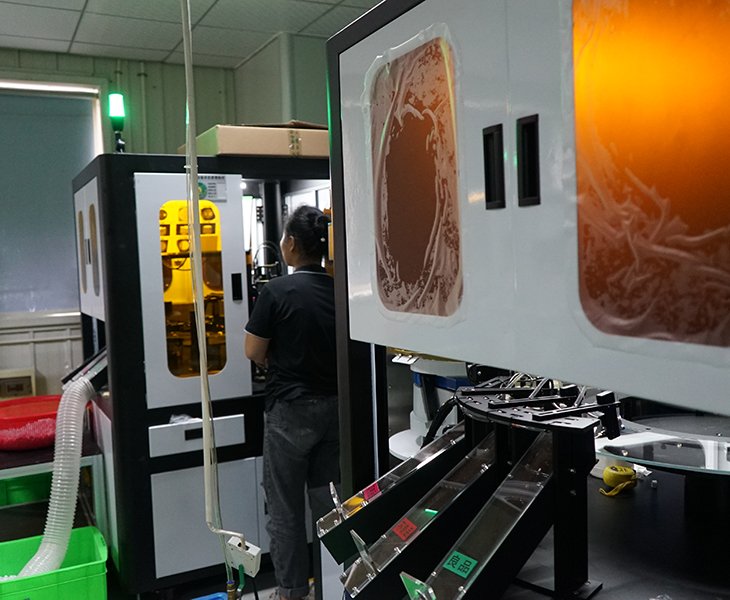
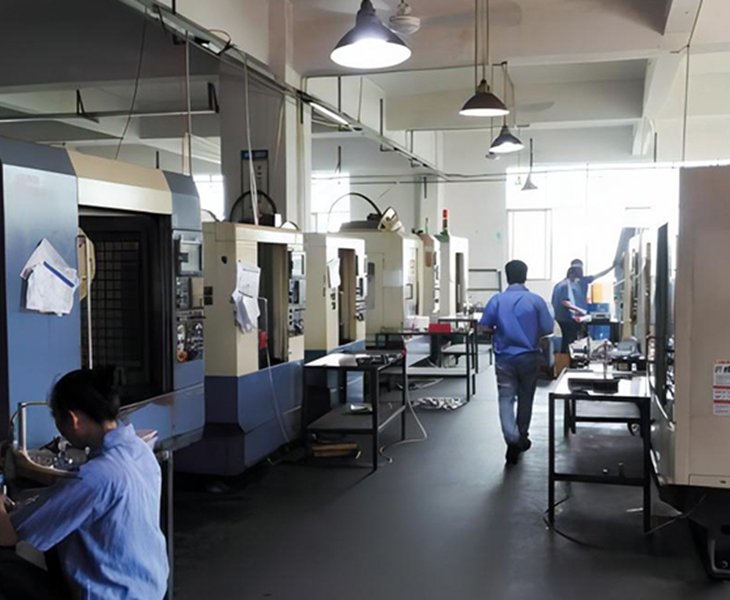
High-precision Machining Equipment
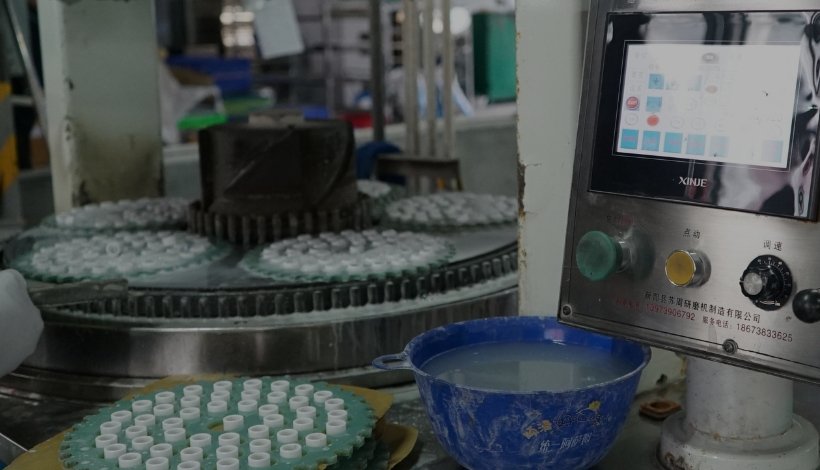
We are equipped with high-precision machining equipment such as CNC lathes, grinders, milling machines, drilling machines, polishing machines, and cutting equipment. We select appropriate equipment and machining technologies based on the requirements of the ceramic parts, ensuring both production efficiency and high-quality machining. For example, in grinding, the processes we commonly perform include flat grinding, cylindrical grinding, internal grinding, and centerless grinding.
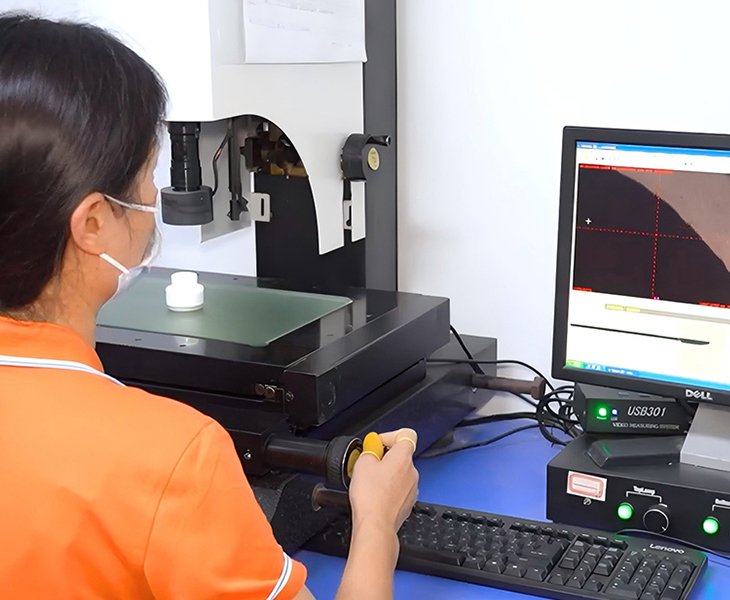
High-precision Testing Instruments
We are equipped with high-precision testing instruments such as electron microscopes, optical measuring machines, coordinate measuring machines, height gauges, surface roughness testers, densitometers, laser grain analytical instruments, coating thickness gauges, mechanical strength testers, and resistance meters. These instruments can accurately measure the dimensions, surface quality, mechanical properties, and other parameters of ceramic parts, ensuring that products meet design requirements.
Ceramic Materials We Manufacture
Material selection depends on the component function, operating environment and manufacturing requirements. See our Ceramic Material Comparison Hub for detailed material selection guidance.
| Material | Typical Strength | Typical Applications |
|---|---|---|
| Alumina (Al₂O₃) | Electrical insulation, wear resistance | Insulators, structural parts, semiconductor components |
| Zirconia (ZrO₂) | Toughness, mechanical strength | Wear parts, structural components, seals |
| Si₃N₄ | Strength, thermal shock resistance | Structural and high-temperature parts |
| AlN | Thermal conductivity, electrical insulation | Thermal management components |
| SiC | High-temperature and chemical resistance | High-temperature / semiconductor applications |
| BN | Thermal stability, non-wetting characteristics | Specialized thermal and process components |
| ZTA | Balance of hardness and toughness | Wear and structural components |
| Machinable Ceramics | Easier machining for selected geometries | Prototypes and specialized components |
Among these materials, alumina offers the best cost-performance ratio, while zirconia provides superior toughness, and aluminum nitride is ideal for thermal management applications.
Why Work With Jinghui Ceramic?
One Manufacturing Chain
We can coordinate ceramic forming, sintering, precision machining and inspection within one manufacturing system.
Engineering-Based Customization
We evaluate the relationship between material, geometry, tolerance, surface requirements and production process rather than treating each specification separately.
Experience With Different Ceramic Materials
Our manufacturing experience covers alumina, zirconia, silicon nitride, aluminum nitride and other advanced ceramics for different industrial applications.
Prototype to Production
We support prototype development, small-batch orders and repeat production according to project requirements.
Drawing-Based Manufacturing
Customers can provide drawings, 2D/3D files or technical specifications for engineering review and quotation.
Request a Precision Ceramic Component Quote
Send us your drawing or component requirements. Our engineers can review the material, geometry, critical dimensions, surface requirements and manufacturing route before quotation.
Information that helps us quote accurately:
- 2D drawing or 3D CAD file
- Ceramic material or required material properties
- Critical dimensions and tolerances
- Surface roughness requirements
- Flatness / parallelism requirements
- Operating temperature and environment
- Application or assembly information
- Prototype or production quantity
- Inspection requirements
- Required delivery schedule
Send us your drawing, specifications or application requirements.
We will review the component and recommend a suitable manufacturing approach based on the material, geometry, tolerance, surface requirements and production volume.
Yes. Most precision ceramic components are manufactured according to customer drawings or technical specifications. We can review the material, geometry, critical dimensions, surface requirements and production quantity before quotation.
We manufacture components from alumina, zirconia, silicon nitride, aluminum nitride and other advanced ceramics, depending on the component and application. Material suitability should be evaluated together with geometry and machining requirements.
Tolerance capability depends on material, component size, geometry, feature location, machining process and inspection method. Tight tolerances can be supported for selected features after engineering review rather than being applied universally to every ceramic component.
Yes. Depending on the component, we can use grinding, lapping and polishing to meet specified surface requirements. Fine finishes such as Ra ≤ 0.1 μm may be achievable on selected surfaces after engineering review.
We can evaluate components with holes, slots, grooves, steps, internal features and other complex geometries. Feasibility depends on the ceramic material, geometry, dimensions, machining accessibility and required tolerances.
Delivery time is related to the complexity of the parts, materials, and process requirements. Here is our approximate timeline.
1. Prototyping Stage
Simple standard parts: About 2-4 weeks.
Medium complexity parts: About 4-6 weeks.
High complexity/Initial production: About 6-8 weeks or longer (including design collaboration and multiple trial productions).
2. Mass Production Stage
After sample confirmation, our standard lead time for mass production orders is generally 4-8 weeks. The specific lead time depends on the order quantity and production capacity schedule.
We support your needs during the product development and validation phases. For larger products, the minimum sample quantity can be 1 piece. But if the size is small, producing a single sample is difficult and costly. Therefore, we will have a MOQ requirement (the specific quantity is determined based on demand).
The MOQ for bulk orders needs to be specifically assessed, but generally, the order amount should be no less than USD 150.