

If you’re serious about coffee, you know that the grinder is just as important as the coffee maker itself. Among the key components of a grinder, the burr material—ceramic or steel—plays a critical role in the flavor, consistency, and overall quality of your brew. In this article, we’ll explore the differences between ceramic burrs and steel burrs, their advantages and limitations, and how to choose the right one for your needs.
How Burr Grinders Work
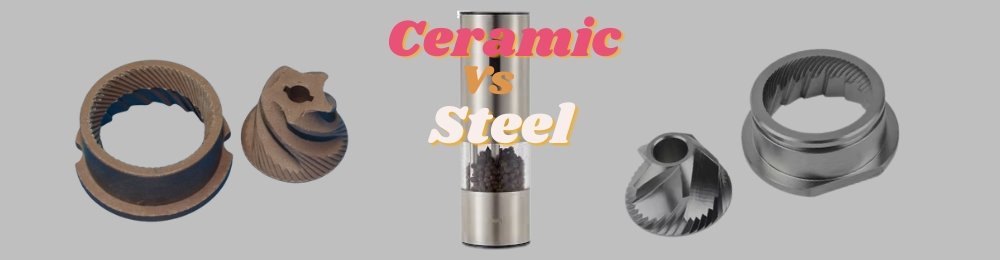
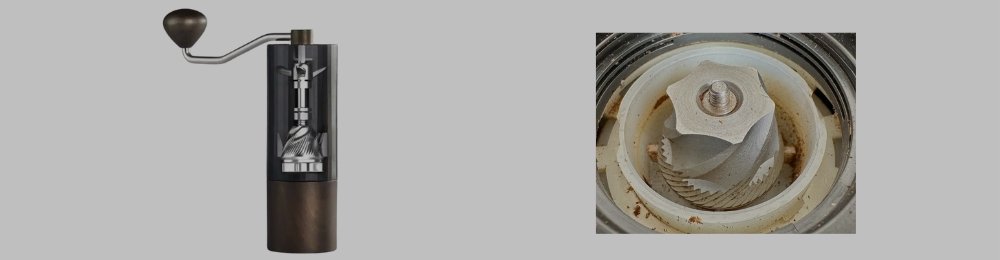
Burr grinders crush coffee beans between two abrasive surfaces, creating consistent particles ideal for extraction. Unlike blade grinders, which chop beans unevenly, burr grinders ensure uniformity in size, leading to better flavor control. The two main types of burrs are flat burrs and conical burrs, with the latter often praised for its balance of precision and durability.
Ceramic Burrs: Features and Benefits
Hardness and Durability
Ceramic burrs are extremely hard and resistant to wear. Made from advanced ceramics like alumina (Al₂O₃) or zirconia (ZrO₂), they maintain sharpness over time without corroding or transferring metallic tastes to the coffee. This makes them ideal for long-term use.
Heat Resistance
Ceramic dissipates heat more effectively than steel. During grinding, friction generates heat, which can prematurely release coffee oils and aromas. Ceramic burrs reduce this risk, preserving the delicate flavors of the beans.
Corrosion and Rust Resistance
Unlike steel, ceramic does not rust. This makes ceramic burrs suitable for humid environments or for those who occasionally forget to clean their grinders immediately after use.
Affordability and Accessibility
Ceramic burrs are generally more affordable than steel burrs, making them a popular choice for entry-level and mid-range grinders.
Steel Burrs: Features and Benefits
Sharpness and Precision
Steel burrs, typically made from high-carbon or stainless steel, are exceptionally sharp. They slice through beans cleanly, producing uniform grounds with minimal fine powder. This is especially important for espresso, where consistency is key.
Self-Sharpening Properties
Some high-end steel burrs are designed to self-sharpen through use, ensuring they remain effective over years of grinding without significant wear.
Ceramic vs Steel Burrs: Key Differences
To help you visualize the differences, here’s a quick comparison table:
| Feature | Ceramic Burrs | Steel Burrs |
|---|---|---|
| Hardness | Extremely high | High but may wear over time |
| Heat Conductivity | Low, reduces heat transfer | High, may heat up during grinding |
| Durability | Long-lasting, resistant to rust | Durable but prone to rust if not maintained |
| Grind Consistency | Good for coarse grinds | Excellent for fine and espresso grinds |
| Price | Affordable and widely available | Generally more expensive |
| Maintenance | Requires careful handling to avoid chipping | Easy to clean but needs rust prevention |
How to Choose the Right Burr for You
For Coffee Enthusiasts
If you value flavor preservation and mostly brew pour-over or French press, ceramic burrs are an excellent choice. They’re also ideal for travelers due to their rust resistance.
For Espresso Lovers
Steel burrs provide the consistency needed for espresso. Their sharp edges create fine, uniform particles, which are essential for proper extraction.
For Budget-Conscious Users
Ceramic burr grinders offer great value for money. They deliver high-quality grinds at a lower price point, making them perfect for beginners.
Maintenance Tips for Both Burr Types
Cleaning Ceramic Burrs
-
Use a soft brush to remove residual oils and particles.
-
Avoid harsh detergents that could damage the material.
Maintaining Steel Burrs
-
Clean with a damp cloth and dry thoroughly to prevent rust.
- Occasionally apply food-safe oil to protect against corrosion.
FAQs
Q1 :Do ceramic burrs last longer than steel burrs?
Ceramic burrs are harder and more wear-resistant, but they can chip if mishandled. Steel burrs may dull over time but are less brittle. Overall, both can last for years with proper care.
Q2 : Which burr type is better for flavor?
Ceramic burrs excel at preserving subtle flavors due to their low heat conductivity. Steel burrs offer superior consistency for strong, bold brews like espresso.
Q3 : Can I replace ceramic burrs with steel burrs in my grinder?
It depends on the grinder model. Some manufacturers allow burr replacements, but switching materials may affect performance. Check compatibility before making changes.
Q4 : Are ceramic burrs quieter than steel burrs?
Yes, ceramic burrs tend to operate more quietly because the material absorbs vibrations better than steel.
Q5 : Which burr type is more environmentally friendly?
Ceramic burrs are made from natural materials and have a longer lifespan, while steel burrs are often recycled. Both can be eco-friendly depending on usage and disposal methods.
Conclusion
Choosing between ceramic and steel burrs ultimately depends on your brewing preferences, budget, and maintenance habits. Ceramic burrs are perfect for those who prioritize flavor preservation and durability, while steel burrs offer precision. Whichever you choose, investing in a quality burr grinder will elevate your coffee experience to new heights.