


Overview
Jinghui Ceramic manufactures custom ceramic substrates for electronic, power and industrial applications where electrical insulation, thermal management, dimensional stability and reliability are important.
We supply bare and metallized ceramic substrates in alumina, aluminum nitride and other advanced ceramic materials. Substrates can be customized in material, thickness, size, surface condition, geometry and metallization according to drawings and application requirements.
From ceramic processing and sintering to precision machining, metallization and inspection, we support customers from prototype development to repeat production.
Ceramic Substrates We Manufacture
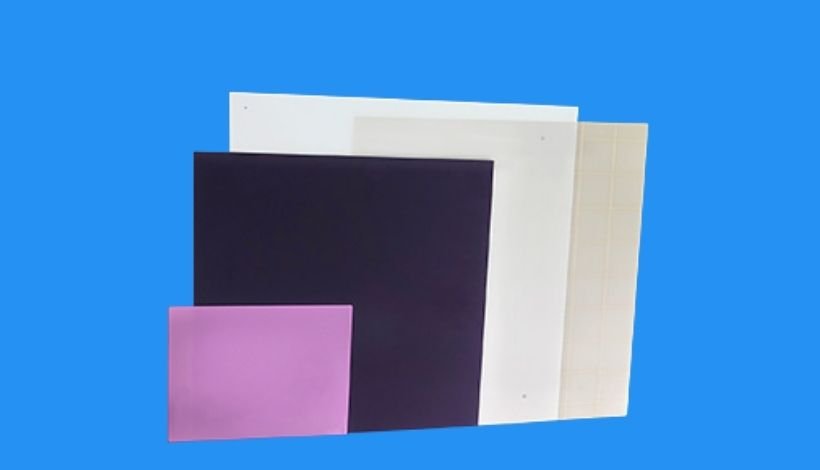
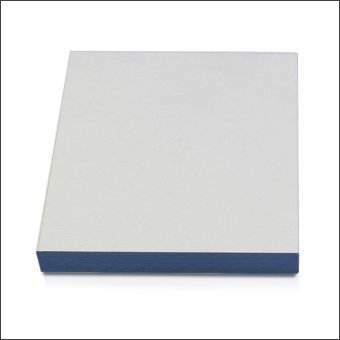
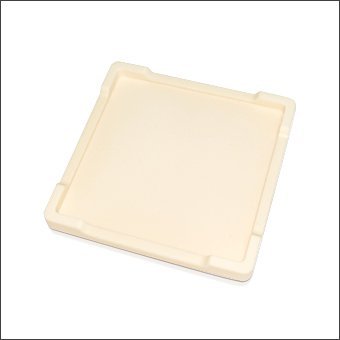
Ceramic substrates are electrically insulating ceramic carriers used in electronic and power assemblies where thermal management, insulation and dimensional stability are important.
Our ceramic substrate products are manufactured according to the required material, dimensions, geometry and surface or metallization requirements.
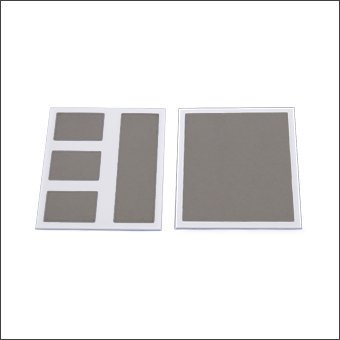
Bare Ceramic Substrates
Ceramic substrates supplied without a conductive metal layer, used as insulating, structural or thermal components and as a base for further customer processing.
Metallized Ceramic Substrates
Ceramic substrates with selected metallized areas for electrical connection, brazing or subsequent assembly.
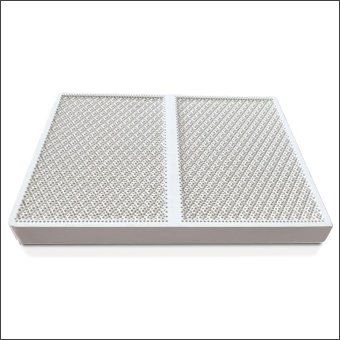
Precision Ceramic Substrates
Substrates with machined holes, slots, steps, profiles or other drawing-defined features.
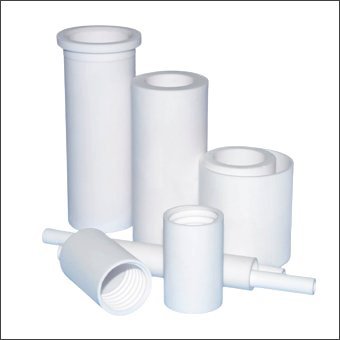
Custom Ceramic Plates for Electronic Assemblies
Ceramic plates and substrate components developed for specific electronic, power or industrial assemblies.
Types by Material
Ceramic substrates can be classified into several categories according to their materials. Different materials have significantly different properties, which will affect thermal conductivity, strength and high temperature resistance. Material selection must be based on specific applications.
Mature manufacturing process, relatively low cost, and good insulation properties.
Excellent thermal conductivity is an outstanding feature of aluminum nitride substrate.
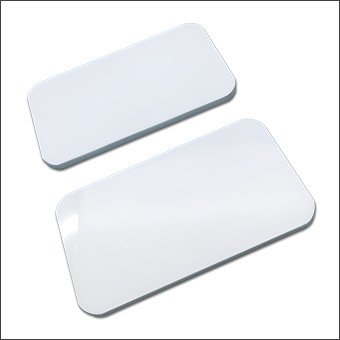
Core competitiveness lies in the perfect combination of high strength and toughness.
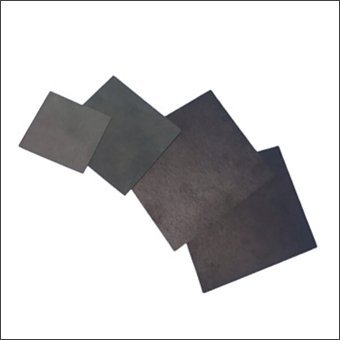
High temperature and thermal shock resistance, and balanced performance.
Types by Metallization Technology
Ceramic substrates can be categorized according to metallization technology. Different metallization processes result in different metal layer structures on the ceramic surface. The three most common types are thick-film metallization, DBC (Direcet Bonded Copper), and DPC (Direct Plated Copper). Each has its own characteristics.
-
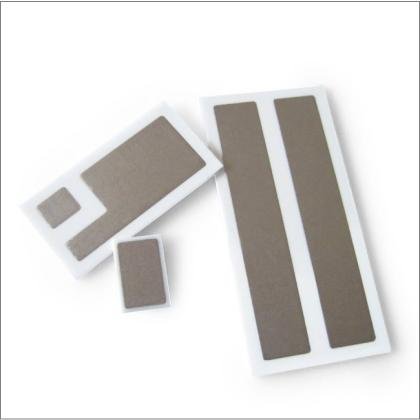 Thick Film Metallized Substrate
Printing metal paste onto a ceramic surface and sintering to form a circuit.
-
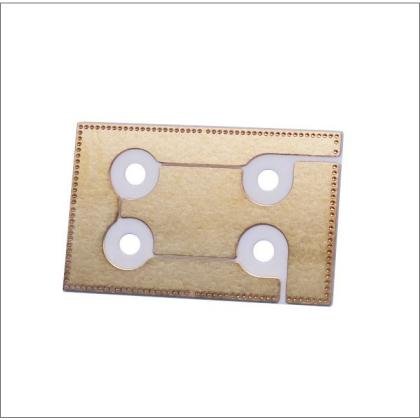 DBC Substrate
Direct copper lamination onto ceramic, offering excellent thermal conductivity and a strong bond.
-
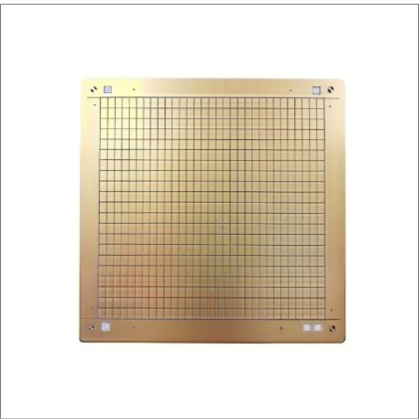 DPC Substrate
First form the metallization layer, then electroplate copper, resulting in a strong bond and high reliability.
Custom Dimensions & Substrate Geometry
Ceramic substrates can be supplied as simple flat plates or customized with machined features according to the drawing. Typical requirements include:
- Custom length and width
- Controlled substrate thickness
- Through holes
- Blind holes where applicable
- Slots and grooves
- Steps and recesses
- Cut-outs and profiles
- Ground surfaces
- Polished surfaces
- Laser-processed features
For reference, our current typical substrate range includes thicknesses from approximately 0.25 to 2.0 mm and sizes up to approximately 114 × 114 mm, depending on material, geometry and process requirements.
Actual capability is confirmed for each project because ceramic size, thickness and geometry affect manufacturing stability.
Applications of Ceramic Substrates
Ceramic substrates, due to their excellent thermal conductivity, insulation, and reliability, are used in many fields with high power and temperature requirements.
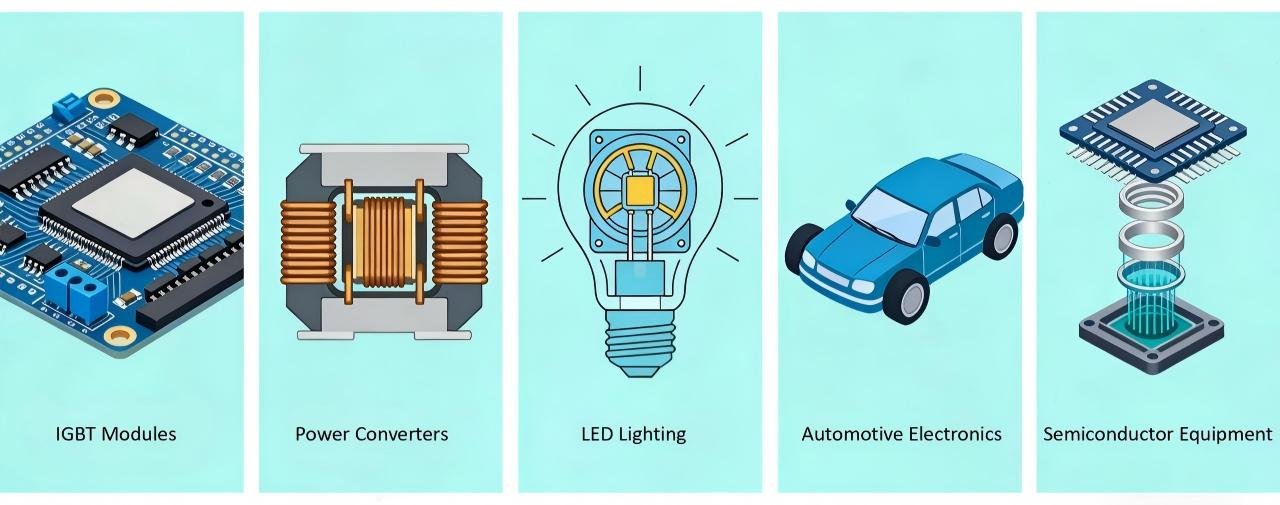
In IGBT modules, ceramic substrates are mainly used as insulation and heat dissipation support layers for power devices. Aluminum nitride and silicon nitride substrates, in particular, exhibit greater stability under high power density and high-temperature cycling environments, effectively improving module reliability.
In power converters (such as power modules and inverters), ceramic substrates are commonly used for electrical isolation and heat conduction paths for power semiconductors. They help devices dissipate heat more efficiently while ensuring electrical safety, making them suitable for medium to high-power applications.
In LED lighting, ceramic substrates are mainly used for high-power LED packaging and heat dissipation substrates. Aluminum nitride substrates, due to their good thermal conductivity, are often used in lighting products with high brightness and lifespan requirements; alumina substrates are more commonly used in conventional power LED applications.
In automotive electronics, ceramic substrates are commonly found in components such as electric drive systems, power control modules, and automotive power supplies. The automotive industry demands high levels of temperature control and reliability, making silicon nitride and aluminum nitride materials widely used.
In semiconductor equipment, ceramic substrates are used in high-precision power modules, radio frequency components, and structural parts operating in vacuum or high-temperature environments. Zirconia and silicon nitride, due to their stability and environmental resistance, are also used in some critical applications.
Ceramic Substrate Manufacturing Overview
The manufacturing process for ceramic substrates includes multiple steps such as forming, sintering, and machining. Different processes directly affect dimensional accuracy, surface finish, and overall reliability. We need to tailor the process based on the product’s structure and intended application.
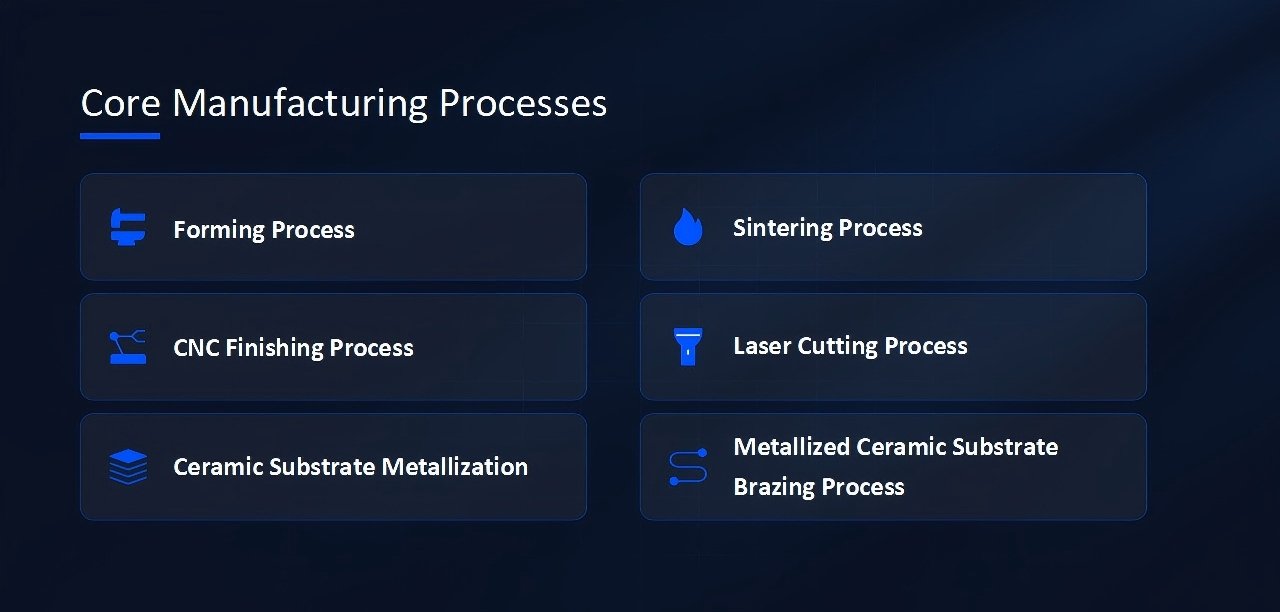
Forming Process: Includes tape casting and dry pressing. Tape casting is suitable for thin sheets with uniform thickness. Dry pressing is better suited for thicker sheets, offering better dimensional stability.
Sintering Process: The process of sintering a formed green body at high temperatures to make it dense.
CNC Finishing Process: Used to control dimensions and tolerances. It can machine structures like holes and steps. It offers high precision but is relatively more expensive.
Laser Cutting Process: Suitable for grooving and shaping. It is fast and flexible, suitable for small to medium batch production or complex structures.
Ceramic Substrate Metallization: Forming a metallization layer on the surface of the ceramic substrate. Used for subsequent brazing and conductive connections. Common metallization processes, such as the Mo-Mn process, offer high bond strength.
Metallized Ceramic Substrate Brazing Process: Used for sealing ceramics to metals. It can achieve hermetic seals. Commonly used in packaging and structural component assembly.
Why Choose Our Ceramic Substrates
When choosing our ceramic substrates, the focus isn’t just on the product itself, but also on our overall integration capabilities. From materials to processing and delivery, we strive to keep the process in-house as much as possible. This allows for easier quality control and adjustments based on customer needs. Many details require repeated verification, so responsiveness and engineering experience are equally important.
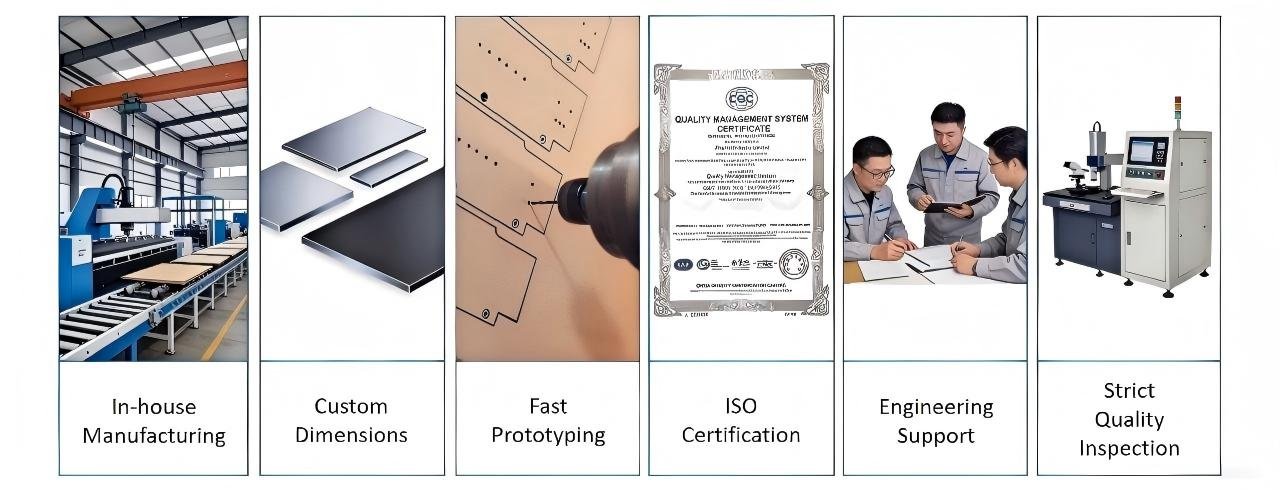
In-house Manufacturing: Major processes are completed internally. Processes are controllable. Quality is more stable, and delivery times are more predictable.
Custom Dimensions: We support customization of thickness, length, and width. We can process holes, slots, steps, and other structures. Tolerances can be controlled according to drawings.
Fast Prototyping: Short sample lead time. Facilitates customer testing and verification. Suitable for early development stages.
ISO Certification: Production and management are conducted according to established systems. Processes are standardized. Documentation and records are complete.
Engineering Support: We provide material selection and process advice. We assist in structural optimization. We reduce trial-and-error costs.
Strict Quality Inspection: Key processes are subject to testing. We control dimensions and appearance. We ensure product consistency.
Technical Specifications Overview
The technical specifications of ceramic substrates are typically defined around material properties, dimensional ranges, and processing capabilities. These parameters vary depending on the material and processing conditions, and there is rarely a single set of data applicable to all situations.
- Typical Specifications
- Material Properties
- Quality Control
Below are some common reference ranges, which will be helpful for initial assessments. For specific projects, we need to confirm these values based on the drawings and manufacturing processes.
| Item | Typical Range / Capability |
|---|---|
| Available Materials | 96% Al₂O₃, 99.6% Al₂O₃, AlN, ZrO₂, Si₃N₄ |
| Typical Thickness | 0.25–2.0 mm* |
| Maximum Typical Size | Up to approximately 114 × 114 mm* |
| Surface Processing | Grinding, polishing, laser processing |
| Metallization | Mo-Mn metallization; selected subsequent surface treatments |
| Geometry | Custom holes, slots, steps and profiles |
| Dimensional Tolerance | According to drawing and manufacturing process |
| Surface Requirements | According to drawing and application |
* Actual capability depends on material, thickness, size, geometry and process stability.
For detailed material comparison and selection, see our Ceramic Substrate Technology Hub.
| Material | Typical Thermal Conductivity | Main Advantage |
|---|---|---|
| 96% Al₂O₃ | ~20–25 W/m·K | Cost / insulation |
| 99.6% Al₂O₃ | ~25–35 W/m·K | Purity / insulation |
| AlN | ~170–230 W/m·K* | Thermal management |
| ZrO₂ | — | Strength / toughness |
| Si₃N₄ | ~20 W/m·K* | Mechanical reliability |
Ceramic substrates are inspected according to the characteristics that are critical to the final application. Our quality control can include:
Dimensional Inspection
Verification of length, width, thickness, holes, slots and other drawing-defined dimensions.
Surface Inspection
Inspection of surface condition, grinding quality, polishing quality and visible defects.
Flatness & Geometry
Inspection of relevant flatness, parallelism, warpage or geometric requirements where specified.
Metallization Inspection
Inspection of metallized areas and related process characteristics according to the agreed specification.
Material & Process Control
Material and process checks are carried out according to the product requirements and applicable production standards.
For repeat production, inspection requirements can be established around approved drawings and critical characteristics.
From Drawing to Finished Ceramic Substrate
A typical custom ceramic substrate project follows these stages:
1. Drawing & Requirement Review
We review the drawing, material, dimensions, thickness, surface requirements and application.
2. Manufacturing Feasibility
We evaluate the proposed geometry, processing route and critical dimensions.
3. Material & Process Confirmation
The ceramic material and manufacturing route are confirmed according to the project requirements.
4. Prototype Production
Samples are manufactured for dimensional and functional verification.
5. Inspection & Approval
The agreed critical characteristics are inspected against the drawing.
6. Repeat Production
For approved products, production and inspection requirements can be standardized for recurring orders.
Request a Ceramic Substrate Quote
Please provide, if available:
- 2D drawing or 3D CAD file
- Ceramic material
- Length and width
- Substrate thickness
- Critical dimensional tolerances
- Flatness / parallelism requirements
- Surface roughness requirements
- Holes, slots or other machined features
- Metallization requirements
- Application and operating environment
- Prototype or production quantity
- Inspection requirements
Send us your drawing, material specification or application requirements.
We will review the substrate size, thickness, geometry, material, surface condition and metallization requirements to determine a suitable manufacturing route.
We currently manufacture ceramic substrates using materials including 96% and 99.6% alumina, aluminum nitride, zirconia and silicon nitride. The suitable material depends on the required electrical, thermal and mechanical performance.
Our current typical reference range is approximately 0.25–2.0 mm, depending on substrate size, material and geometry. The actual achievable thickness should be confirmed against the drawing.
Our current typical reference size is up to approximately 114 × 114 mm. Larger sizes may be possible for selected materials and thicknesses, but should be evaluated on a project-specific basis.
Yes. We mainly provide Mo-Mn metallization for selected ceramic substrates. Additional surface treatment such as electroplating can be considered according to the application and required joining or electrical interface.
Yes. Holes, slots, steps, profiles and other drawing-defined features can be evaluated using appropriate machining or laser-processing methods.
DBC, DPC and other circuitized ceramic substrate technologies involve different manufacturing routes and supply requirements. Please contact our engineering team with your drawing or specification so we can confirm the applicable process and current supply scope.
A ceramic substrate generally refers to the ceramic base material or ceramic carrier, with or without selected metallization. A ceramic PCB normally refers to a ceramic-based board with a defined conductive circuit structure. The exact terminology can vary by application and industry.
The choice depends mainly on the balance between thermal requirements, electrical insulation, mechanical requirements and cost. Alumina is widely used for general insulating applications, while AlN is considered when higher thermal conductivity is required.