


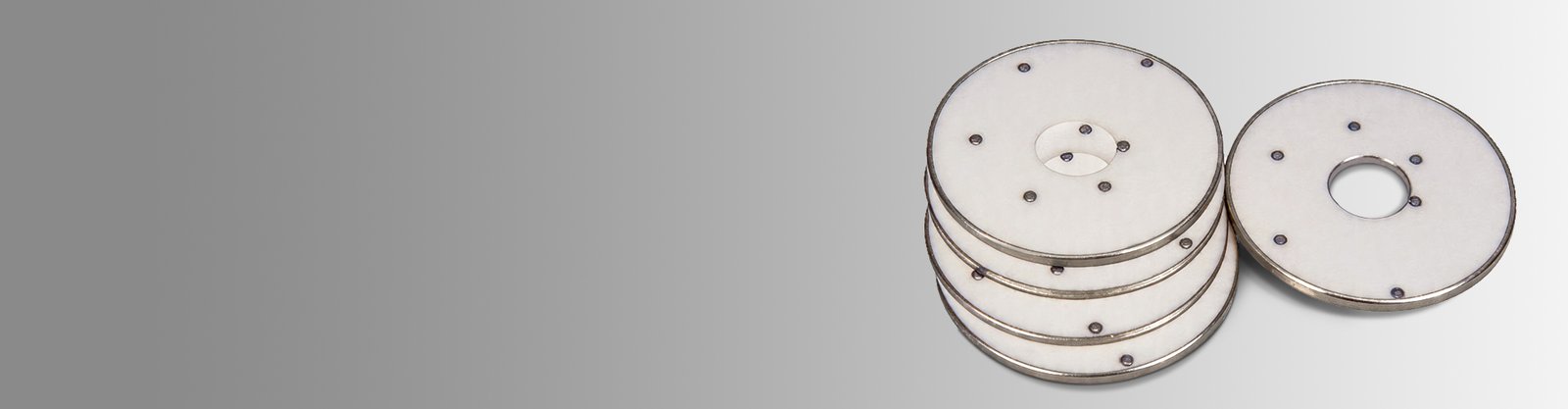
Overview of Metallized Ceramic Plates
What Is a Metallized Ceramic Plate
Metallized ceramic plates are ceramic plates with a metallized surface treatment for subsequent brazing and other joining processes. Their thickness is typically ≥1 mm. This is crucial. They differ from common ceramic substrates, which are generally thinner and primarily used for circuitry. Ceramic plates are thicker and more suited to structural applications. They do not carry circuitry but provide strength, sealing, or insulation.
These products are commonly found in hermetically sealed structures. They are also used in high-voltage insulating components and connectors in vacuum systems. The metallization layer allows for a reliable bond between ceramic and metal, resulting in a more stable overall structure.
Ceramic Plate vs Substrate
Ceramic plates and ceramic substrates look similar, but they serve different purposes. Ceramic plates are thicker than ceramic substrates. The purpose of metallizing a ceramic plate is to ensure a reliable bond with metal components, rather than for routing circuits, as is the case with ceramic substrates. Below is a simple comparison.
| Feature | Ceramic Plate | Ceramic Substrate |
| Thickness | Typically ≥1 mm | Typically <1 mm |
| Function | Structural / sealing | Circuit carrier |
| Application | Hermetic sealing, HV insulation | Electronics, PCB |
| Strength | Higher mechanical strength | Lower |
Available Specifications for Metallized Ceramic Plates
Available in a variety of sizes and thicknesses. Product thickness is typically 1 mm and above. Optional materials include Al2O3, AlN, and Si3N4. Single-sided, double-sided, or localized metallization is available. Most products are custom-made.
Key Features of Metallized Ceramic Plates
Metallized ceramic plates are not only used for connection, but also serve structural and sealing functions. Their key properties directly determine the overall reliability.
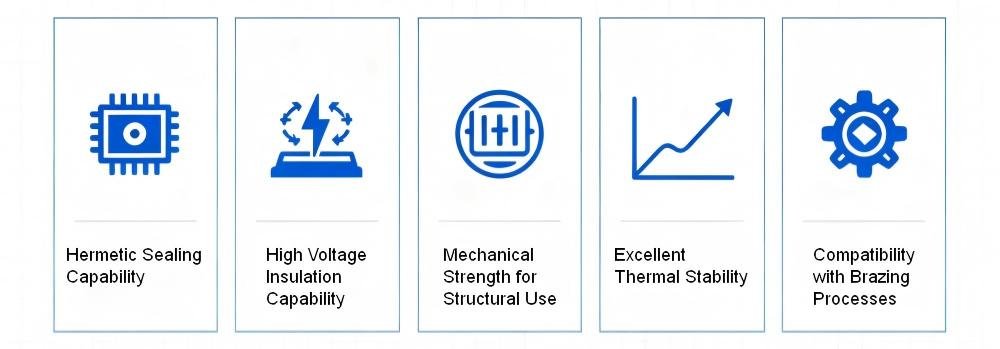
1. Hermetic Sealing Capability
When used in hermetic sealing structures, the ceramic plate needs to remain leak-free over a long period. The metallization layer can bond tightly with the metal components. The overall seal is more stable, making it suitable for vacuum devices or encapsulation cavities.
2. High Voltage Insulation Capability
In high-voltage equipment, metallized ceramic plates are commonly used as insulating components. They can withstand high voltages and are not easily broken down. Suitable for power modules and high-voltage connection structures.
3. Mechanical Strength for Structural Use
In some applications, the metallized ceramic plate itself needs to provide support, such as when used as a load-bearing or fastening component. Compared to thin substrates, it is less prone to deformation or breakage.
4. Excellent Thermal Stability
The structure does not easily fail in environments with large temperature variations. The metallized ceramic plate maintains dimensional stability. Suitable for power equipment or applications with thermal cycling.
5. Compatibility with Brazing Processes
Ceramic plates can be directly brazed after metallization, resulting in more reliable connections with metal parts. They are commonly used in structures requiring sealing or high-strength connections.
Typical Applications of Metallized Ceramic Plates
Metallized ceramic plates are often used in applications where sealing, insulation, and structural integrity are all required.
-
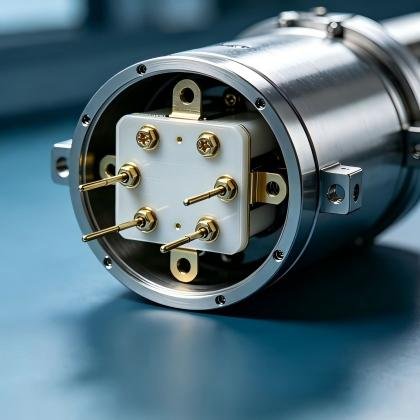 Vacuum Feedthrough Components
Used in vacuum systems for routing electrical signals or power. The structure must maintain a long-term seal and must not leak air. Metallized ceramic plates can be brazed to metal housings for a more reliable seal.
-
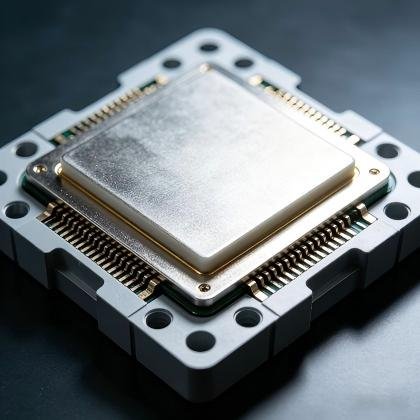 Hermetic Electronic Packages
Used for electronic packaging housings or bases. The interior needs to be isolated from air and moisture. A ceramic plate provides insulation and support, while a metallized layer facilitates brazing to the housing.
-
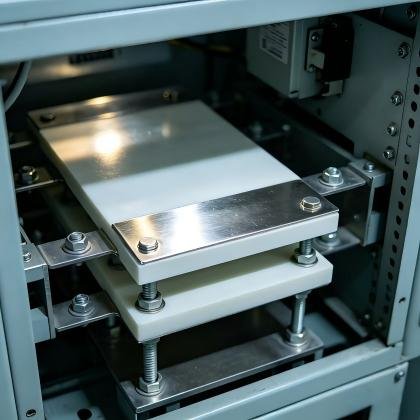 High-Voltage Insulation Plates
Used as an isolation component in high-voltage equipment. Must withstand voltage and maintain structural stability. Ceramic plates resist breakdown and, when metallized, facilitate connection to electrodes.
-
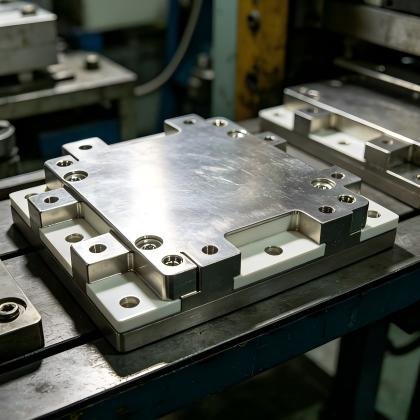 Power Module Structural Parts
Used as a support or isolation component in power modules. It needs to be both strong and heat-resistant. The ceramic plate is not easily deformed and, after metallization, can be fixed to a metal structure.
Material Options for Metallized Ceramic Plates
Different applications have different requirements for thermal conductivity, strength, and cost, so the materials for metallized ceramic plates need to be selected according to the application.
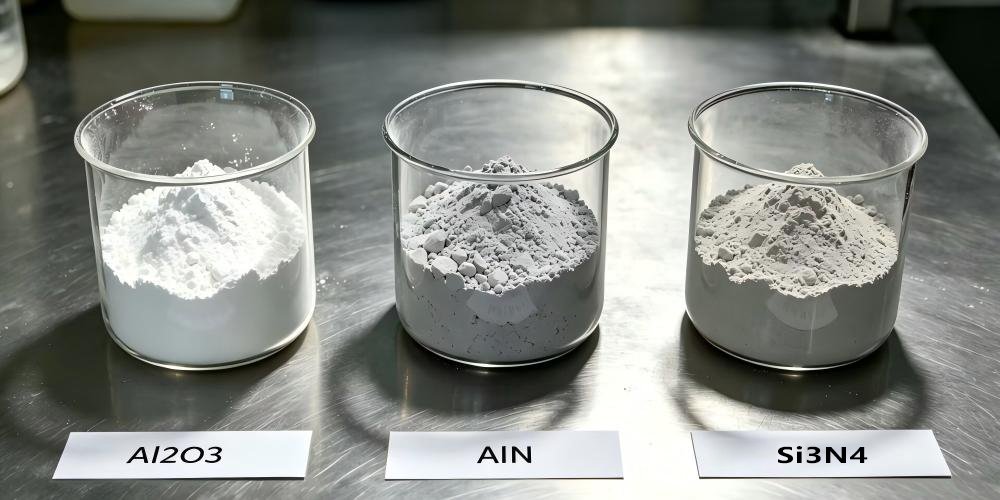
1. Al2O3
The most commonly used choice. Suitable for most hermetic and insulation applications. Balanced performance, more stable cost, and wide range of industrial applications.
2. AlN
Used in applications requiring rapid heat dissipation, such as power modules. It offers better thermal conductivity, making it suitable for electronic components with high thermal loads.
3. Si3N4
Designed for mechanical shock or high-reliability environments. It offers superior strength and crack resistance, making it suitable for structural components in aerospace or harsh conditions.
Available Metallization & Plating Options
Different combinations of metallization and plating directly affect the brazing effect and long-term reliability. They need to be considered in conjunction with the connection method.
1. Mo-Mn Metallization
Commonly used in structures requiring brazing. It bonds stably with ceramics, making it suitable for hermetic sealing. When used in conjunction with electroplating, it further enhances brazing performance.
2. Ni Plating
It is typically used as an intermediate layer. It improves brazing wettability, resulting in more stable joints and easier control of brazing quality.
3. Au Plating
Designed for applications with higher reliability requirements. The surface is more stable and resistant to oxidation. Suitable for precision connections or environments requiring long-term use.
How to Choose the Right Metallized Ceramic Plate
Selection is usually not determined by a single factor. It is often related to dimensions, metallization areas, and operating conditions. If you have a specific application, please provide drawings or operating conditions so we can evaluate the most suitable solution together.
-
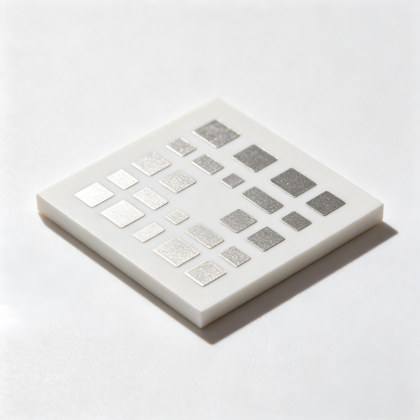 For Hermetic Sealing
You can choose Al2O3 with a Mo-Mn process. This is commonly used in vacuum or packaging applications, with a focus on long-term sealing stability.
-
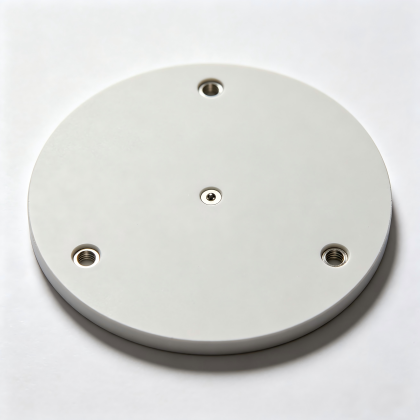 For Thermal Management
You may consider AlN. These are suitable for power modules or high heat flux applications that require faster heat dissipation.
-
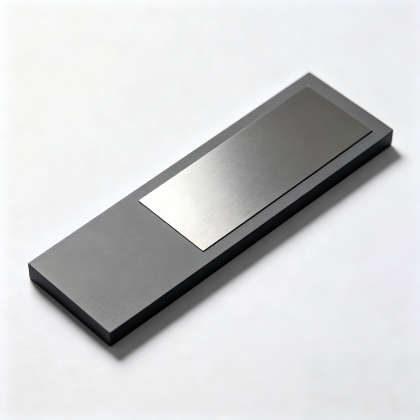 For Mechanical Load
Si3N4 is typically a better choice. It is suitable for environments with significant vibration or shock, offering greater structural stability.
Our Manufacturing Capabilities for Thick Ceramic Plates
Thick ceramic plates are more prone to deformation after metallization. This affects their dimensions, flatness, and metallization accuracy, so we need to control these factors throughout the manufacturing process.

We can process large-size ceramic plates. Specific dimensions may vary depending on the material and thickness. Large-size plates place greater demands on sintering and metallization stability.

This is primarily intended for ceramic plates with a thickness of 1 mm or more. May also cover thicker specifications. As thickness increases, machining and deformation control become more challenging.

Metallization introduces stress, which may alter flatness. Process adjustments are needed to control deformation and ensure proper assembly.

Thick plates are prone to warping during sintering and metallization. Coordination between materials and processes is necessary to minimize the risk of deformation.

Metallized patterns need to maintain a certain level of precision, especially in the connection areas. Position and boundaries will affect the subsequent brazing results.
Yes, it’s possible, but it depends on the structural design and manufacturing process. Material selection and metallization quality are both crucial. Generally, it’s fine for packaging or vacuum structures.
The size depends on the material and thickness. Capacity varies depending on the specifications. Larger pieces require individual evaluation. We generally recommend providing drawings for confirmation.
It will have some impact. The metallization process introduces stress. Deformation needs to be minimized through process control.
The success depends primarily on the selection of materials and the coordination of sintering processes. Metallization parameters also affect the results. Generally, these are controlled together in multiple stages.
Tolerances are related to dimensions and thickness. Different products have different requirements. We can usually keep it within a reasonable range, but the specifics depend on the drawings.
Not necessarily. The thickness needs to be matched to the application. Excessive thickness may increase processing difficulty and costs.
Yes. Generally, we can provide the substrate material data and the dimensional test results of the metallized ceramic plate. We can discuss and confirm the specific details.