


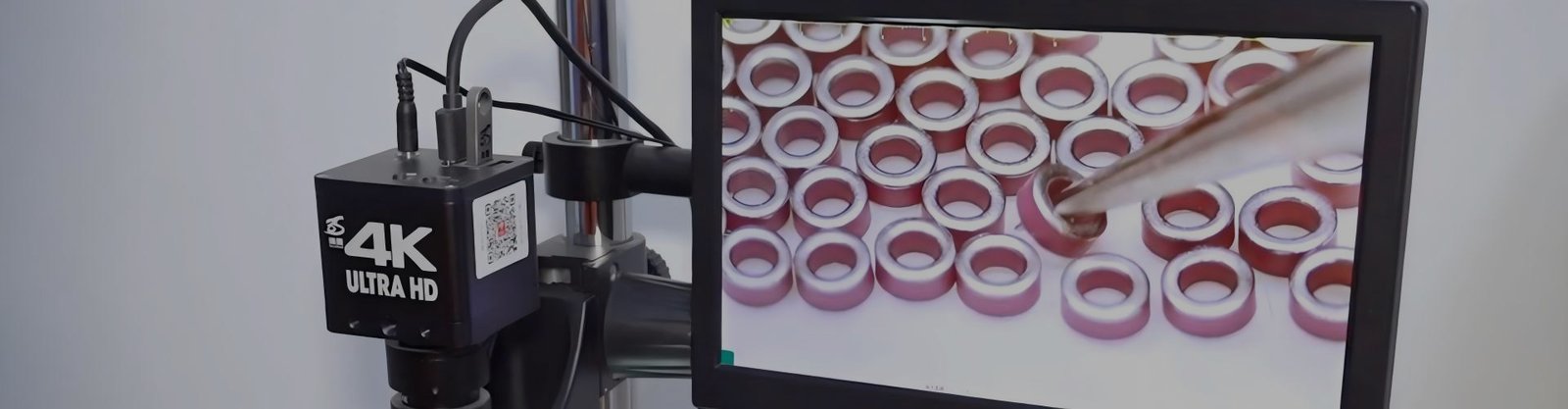
Introduction
The Impact of Surface Defects on Performance
In technical ceramic components, surface condition not only affects appearance consistency but also directly relates to the product’s key performance.
Minor surface defects can become the starting point of failure. For example, scratches or chipping can reduce local mechanical strength, surface cracks can propagate during stress or thermal cycling, and pinholes or defective areas can affect hermeticity or insulation reliability.
In applications such as sealing, high voltage, or precision assembly, surface quality is often one of the key factors determining product usability.
Why Surface Inspection is Especially Important for Ceramics
Compared to metals, ceramics are typically brittle and more sensitive to defects. Some defects are difficult to detect under macroscopic conditions, but may gradually evolve into structural problems under magnified observation or actual operating conditions.
Therefore, surface inspection is not only about visual inspection, but also a necessary means to identify potential risks and ensure long-term reliability.
Through systematic inspection methods, we can detect and control these latent defects at an early stage, thereby reducing the risk of failure and improving product consistency.
Common Surface Defects We Inspect
We identify and control the following common surface defects:
1. Scratches: May affect sealing surfaces or functional contact surfaces.
2. Chipping: Reduces structural strength and easily leads to crack propagation.
3. Cracks/Micro-cracks: Potential failure sources, especially affecting hermeticity and mechanical reliability.
4. Spots/Inclusions: Affect appearance consistency and local performance.
5. Pinholes: May lead to leakage risks in metallization or sealing applications.
6. Contamination: Affects the quality of subsequent plating or brazing.
7. Roughness Deviation: Affects contact performance and functional matching.
We can define corresponding defect acceptance criteria for different product types and application requirements.
Our Inspection Methods & Capabilities
Based on product characteristics and quality requirements, we employ multi-tiered inspection methods, which can be combined and adjusted according to product application and customer requirements.
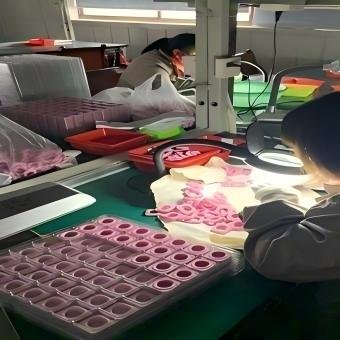
- Performed under standard light source conditions
- Can be aided by a 10×–50× magnifying glass
- Suitable for rapid identification of macroscopic surface defects
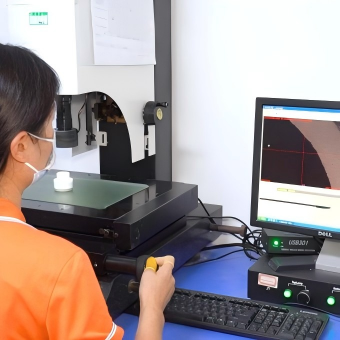
- Using an optical microscope for higher magnification observation
- Used to identify microcracks, minor chipping, and latent defects
- Focusing on key areas for targeted inspection
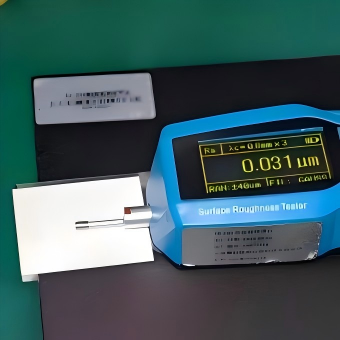
- Uses contact or non-contact roughness testers
- Supports measurement of parameters such as Ra and Rz
- Uses for consistency control of functional surfaces
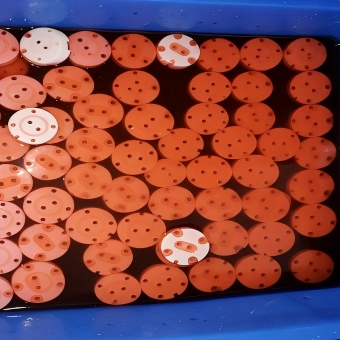
- Dye Penetrant Testing (DPT): Used to identify surface cracks
- Ultrasonic Testing (UT, suitable for specific products): Used to assess internal or propagating defects
Inspection Standards & Acceptance Criteria
Surface inspection not only focuses on the presence of defects, but more importantly, on how to define the acceptability of defects. We classify, evaluate, and control different types of defects based on clear acceptance criteria.
Inspection Standards
Our inspection standards can be derived from:
- Customer Specifications: Prioritizing adherence to customer drawings or technical agreements
- Industry Practices: Applicable to application scenarios without clearly defined standards
- Internal Criteria: Quality benchmarks established based on past project experience
Acceptance Criteria
In actual inspection, we focus on clarifying the following:
1. Defect Classification and Grading
We systematically classify surface defects (e.g., cracks, chipping, scratches, contamination, etc.) and grade them based on the following factors:
- Defect size (length / width / depth)
- Defect location (functional surface / non-functional surface / sealing surface)
- Number and distribution of defects
2. Acceptance Criteria
All inspection results are judged according to predefined acceptance criteria as follows:
- Acceptable (OK): Does not affect product function, assembly, or reliability.
- Non-conforming (NG): May affect sealing performance, mechanical strength, or long-term stability.
For critical applications (such as hermetic seals, high-voltage insulation, etc.), stricter criteria are typically used.
3. Inspection Methods and Strategies
Depending on product type and quality requirements, inspection methods may include:
- 100% Inspection: Applicable to critical dimensions or key functional surfaces
- Sampling Inspection: Applicable to products with stable production volumes
The inspection process is conducted under specified magnification, lighting conditions, and environmental conditions to ensure consistency and repeatability of judgments.
4. Data Recording and Traceability
All inspection results are recordable and traceable, including:
- Inspection batch and product number
- Inspection methods and conditions (e.g., magnification)
- Judgment result (OK/NG)
This data can be used for quality analysis, problem tracing, and continuous improvement.
Inspection Examples
To help you understand the acceptance criteria, we have provided some examples of surface condition assessments. Actual assessments will be adjusted based on specific product requirements and applications.
Surface cracks visible under 20×–50× magnification
→ May propagate during subsequent use, affecting hermeticity or mechanical strength
No cracks observed, or only discontinuous structural patterns with no tendency to propagate
Chips located on sealing surfaces, mating surfaces, or critical edge areas
→ May lead to seal failure or assembly issues
Minor chipping in non-functional areas, within dimensional tolerances, and not affecting performance
Located on sealing surfaces or functional contact surfaces, with a depth or length exceeding the specified limits
Minor scratches on non-critical surfaces that do not affect performance or visual consistency
Spots that are clearly visible, concentrated, or affect functional areas
Scattered, small-sized natural variations in appearance that do not affect performance
Measured roughness exceeds the requirements specified in the drawings or specifications
Roughness parameters (such as Ra, Rz) meet design or application requirements
Quality Control Process
Surface inspection is integrated throughout the entire manufacturing process. Through multi-node control, we can identify risks at an early stage, reducing the probability of rework and failure.
-
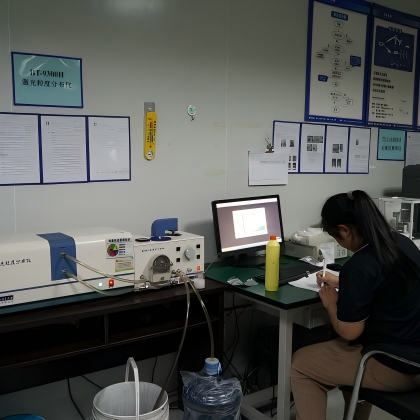 Incoming Quality Control (IQC)
Confirms the surface condition of raw materials.
-
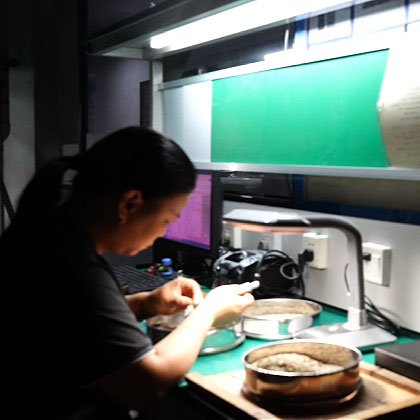 In-Process Quality Control (IPQC)
Identifies defects promptly after critical processes to prevent batch defects.
-
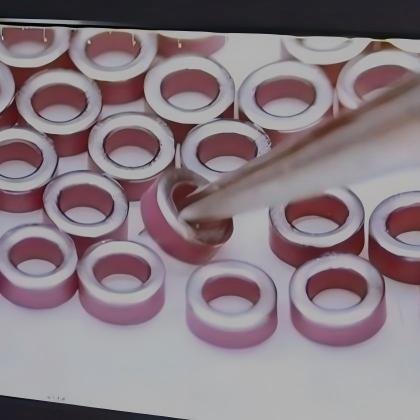 Final Quality Control (FQC)
Ensures the final product meets appearance and functional requirements.
Applicable Products
This surface inspection system is applicable to various types of technical ceramic products, including but not limited to:
Inspection solutions can be customized according to specific product structures and applications.
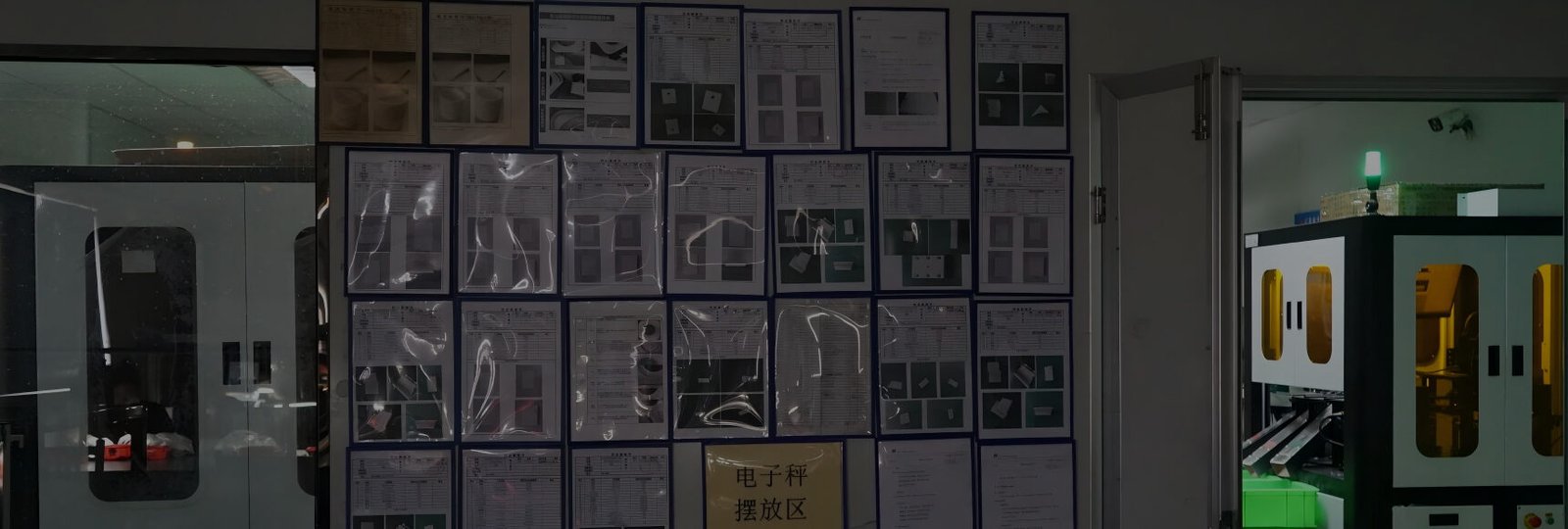
We can identify a variety of surface defects, including microcracks, chipping, scratches, surface contamination, pinholes, and roughness deviations. The specific inspection range can be adjusted according to the product structure and application requirements.
Inspection capability depends on the magnification and the inspection method. Generally, surface defects at the micrometer level can be identified under an optical microscope.
For critical applications, higher magnification or supplementary inspection methods can be used for verification.
Depending on the product type and customer requirements, we can provide either 100% inspection or sampling inspection solutions. Key functional surfaces typically undergo more rigorous 100% inspection standards.
Yes. We can perform inspections based on customer drawings, technical specifications, or designated standards, and we can also provide our internal standards for reference.
Yes. For orders requiring quality traceability, we can provide inspection records or reports, including the results of critical defect assessments and a description of the inspection criteria.
Generally speaking, standard inspections do not significantly extend the delivery time. However, if 100% inspection or special inspection requirements are involved, the delivery time may be adjusted appropriately depending on the complexity of the inspection.