


Introduction
IGBT (Insulated Gate Bipolar Transistor) is a type of semiconductor device primarily used for the output control of AC motors in electric vehicles, railway locomotives, and high-speed trains. IGBT modules operate under high voltage, high current, and high thermal load conditions. The substrate plays a critical role in electrical insulation, heat dissipation, and structural support.
Traditional materials such as metals or polymers cannot simultaneously meet insulation, thermal conductivity, and reliability requirements.
Core Engineering Insight:
IGBT substrate is not just a material layer, but a system that determines thermal performance, electrical safety, and module lifetime.
What Are IGBT Module Substrates?
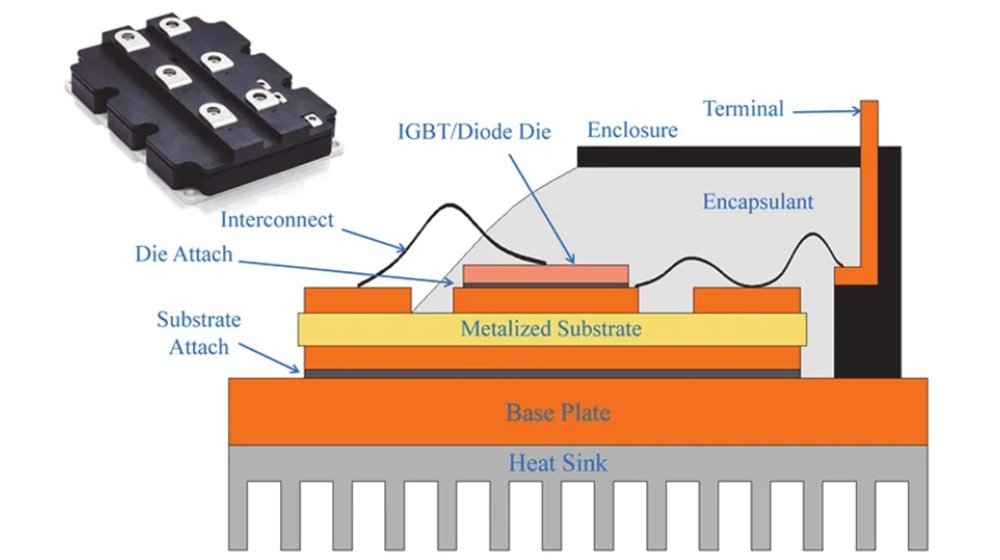
IGBT module substrates are ceramic-based structures bonded with copper layers, used to support semiconductor chips while providing electrical insulation and efficient heat conduction.
Standard Definition:IGBT module substrates are ceramic-based composite structures designed to provide electrical insulation, thermal management, and mechanical stability in power semiconductor modules.
Main Types of IGBT Substrates:
1. DBC (Direct Bonded Copper): Structure: Copper / Ceramic / Copper
* Mature technology;
*Balanced cost and performance;
2. AMB (Active Metal Brazing)
*Higher bonding strength;
* Better thermal cycling performance;
3. DPC (Direct Plated Copper)
* High precision circuit pattern;
* Suitable for high-frequency applications.
Ceramic Material Options
| Material | Thermal Conductivity | Key Feature | Application |
|---|---|---|---|
| Al₂O₃ | 20–30 W/m·K | Low cost | General use |
| AlN | 170–200 W/m·K | High thermal conductivity | High power |
| Si₃N₄ | 70–90 W/m·K | High toughness | High reliability |
Engineering Insight:Material selection should be based on application priorities: cost, thermal performance, or reliability.
IGBT Module Substrates by Applications
Different applications have varying requirements for the performance, structure, and precision of ceramic substrates. We can customize them according to your needs to suit the actual operating environment.
-
 Electric Vehicles (EV/HEV)
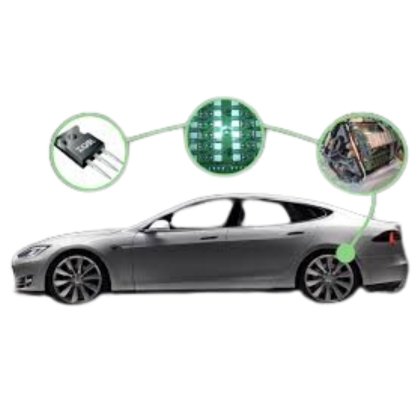
High-reliability substrates for EV power modules, ensuring efficient heat dissipation and long-term stability under dynamic load conditions.
-
 Solar Inverters
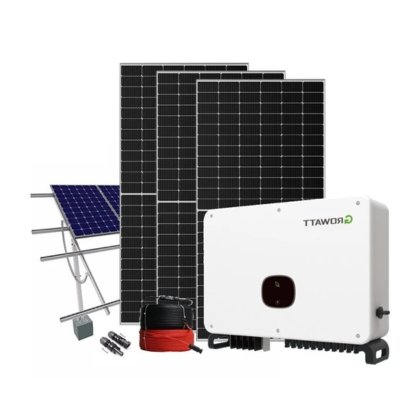
Ceramic substrates designed for stable thermal performance and electrical insulation in continuous high-power solar energy conversion systems.
-
 Wind Power Systems
Robust substrates for wind power converters, offering excellent thermal cycling resistance and reliability in harsh outdoor environments.
-
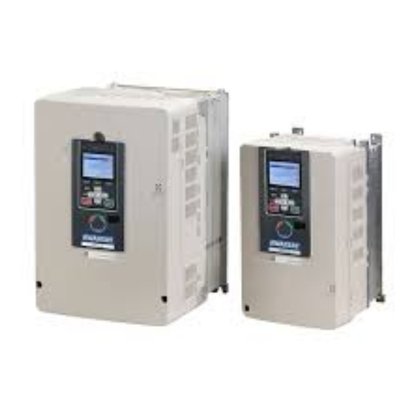 Industrial Drives
Cost-effective substrate solutions for industrial drives, balancing thermal management, electrical insulation, and operational reliability.
-
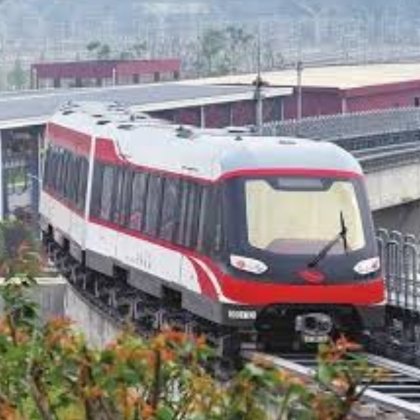 Rail Transit
High-strength ceramic substrates for traction systems, supporting high power density and ensuring safety in demanding rail applications.
What Determines Substrate Performance?
Engineering rule is :IGBT reliability =thermal design + material matching + stress control. Most failures are caused by thermal stress rather than material defects.

Efficient heat dissipation reduces junction temperature and improves module lifetime.

Mismatch leads to thermal stress and failure.

Thickness affects current capacity and heat spreading.

Critical interfaces include:
- Copper–ceramic bonding
- Solder joints

- Ceramic cracking
- Copper delamination
- Solder fatigue
- Thermal cycling failure
Substrate Manufacturing Process
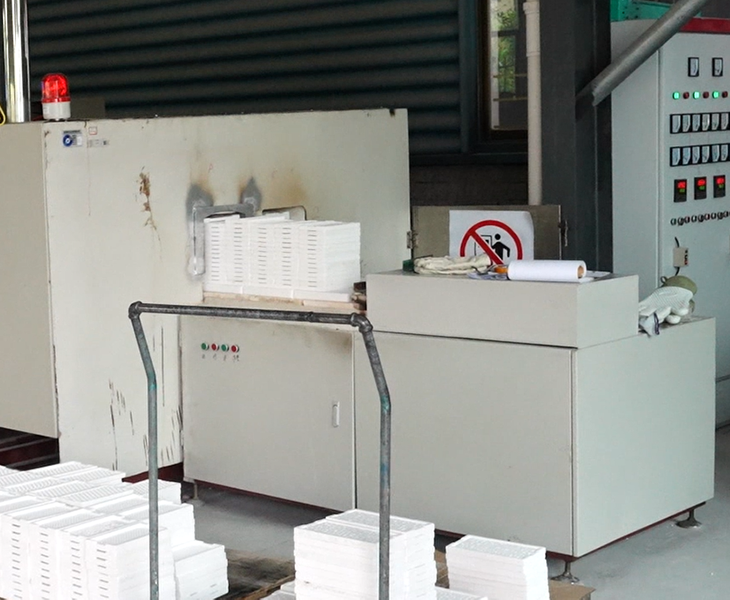
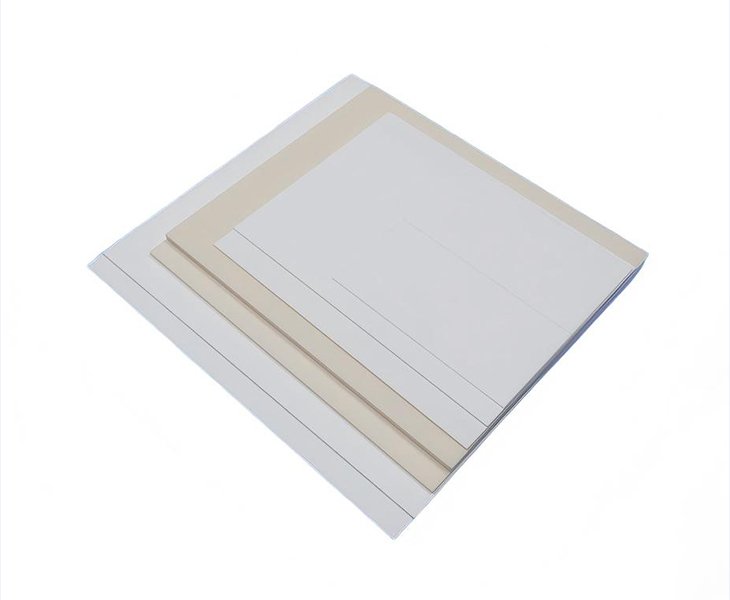
The following is a general production process for our alumina substrates. All processes are completed in-house, which helps ensure consistent quality and controllable delivery times.
- Raw material preparation and powder processing
- Forming (tape casting / dry pressing)
- Green body processing
- High-temperature sintering
- Precision machining and surface treatment
- Laser cutting or CNC machining
- Metallization and surface coating
- Full inspection and shipping
Manufacturing Capability
We provide:
- Substrate material selection
- DBC / AMB structure design
- Thermal performance optimization
- Reliability evaluation
- OEM / ODM production
Send your drawings or technical requirements for evaluation and consultation.
Material selection depends on the priority of your application. Alumina (Al₂O₃) is suitable for cost-sensitive and general-purpose applications. Aluminum nitride (AlN) is preferred when high thermal conductivity is required to reduce junction temperature. Silicon nitride (Si₃N₄) offers superior mechanical strength and thermal cycling reliability, making it ideal for high-reliability systems such as electric vehicles and power modules under frequent load changes.
DBC (Direct Bonded Copper) substrates are widely used due to their mature process and cost efficiency, where copper is directly bonded to ceramic at high temperature. AMB (Active Metal Brazing) substrates use active metal layers to achieve stronger bonding, especially suitable for Si₃N₄ ceramics. AMB generally provides better resistance to thermal cycling and mechanical stress, making it more suitable for high-end and high-reliability applications.
The lifetime of an IGBT substrate is mainly affected by thermal cycling, material matching, and interface reliability. Repeated heating and cooling cycles generate thermal stress due to CTE mismatch between materials, which can lead to cracking or delamination. In many cases, failures originate from copper-ceramic interfaces or solder joints rather than the ceramic itself, making structural design and process control critical.
IGBT modules generate significant heat during operation, and excessive junction temperature directly reduces efficiency and device lifetime. The substrate plays a key role in transferring heat away from the chip. High thermal conductivity materials such as AlN help reduce temperature rise and improve system reliability. Poor thermal design can lead to overheating, accelerated aging, and even catastrophic failure.