


Introduction
Metallized aluminum nitride (AlN) ceramics are widely used in high-power electronic packaging, RF devices, and hermetic sealing applications where both thermal management and reliable metal joining are critical.
Compared to traditional alumina ceramics, AlN offers significantly higher thermal conductivity and better thermal expansion matching with semiconductor materials such as silicon and SiC.
AlN metallized ceramics are not just materials, but integrated solutions for heat dissipation, electrical insulation, and metal joining.
What Are Metallized AlN Ceramics?
Metallized AlN ceramics are precision components made from high thermal conductivity aluminum nitride, with a metallized layer (such as Mo/Mn or Ni plating) applied to enable brazing, soldering, and hermetic sealing.
AlN metallized ceramics are high-performance ceramic components that combine thermal conductivity, electrical insulation, and metallization capability for electronic packaging and sealing applications.
AlN vs Alumina (Al₂O₃)
| Property | AlN | Alumina |
|---|---|---|
| Thermal conductivity | 170–200 | 20–30 |
| Cost | Higher | Lower |
| CTE matching | Excellent | Moderate |
| Application | High-end electronics | General use |
Engineering Insight:AlN is used where heat dissipation is critical, not as a direct replacement for alumina.
By Features
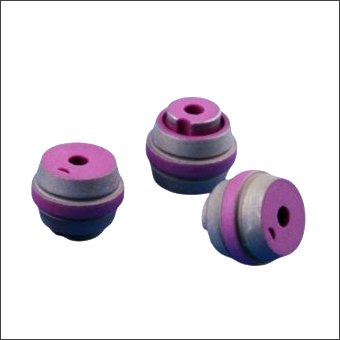
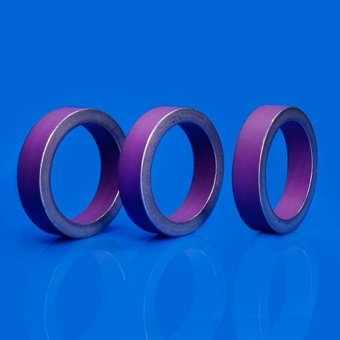
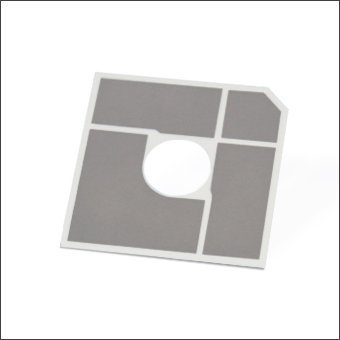
Jinghui supply high reliability metallized AlN ceramics components with different features and shapes.
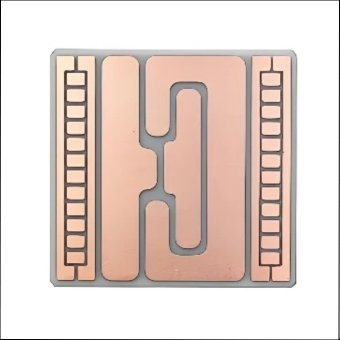
Direct bonded copper, Used in high-power, high-frequency, and high-reliability electronic products, withstand heat, pressure.
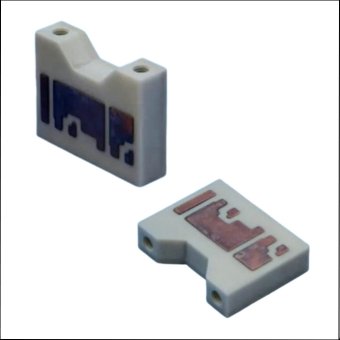
Active metal brazing, custom shapes, applicable to power electronics, automotive electronics, home appliances, and aerospace.
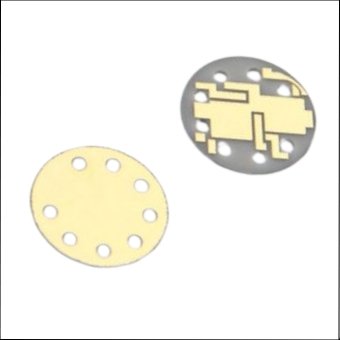
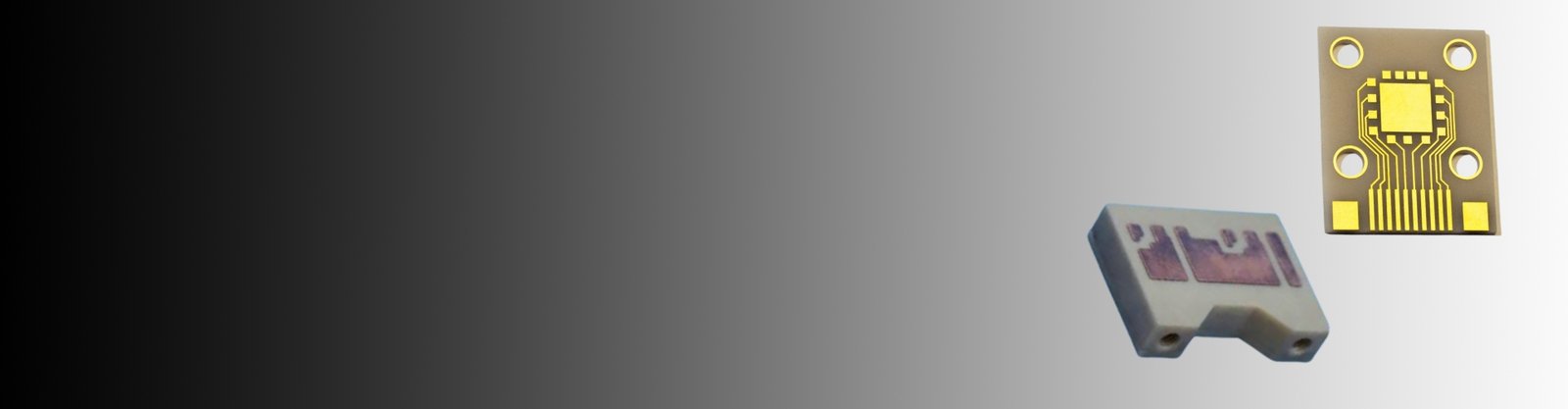
Used for hermetically sealed packaging structures, with a gold-plated surface, thickness is 2.0 mm.
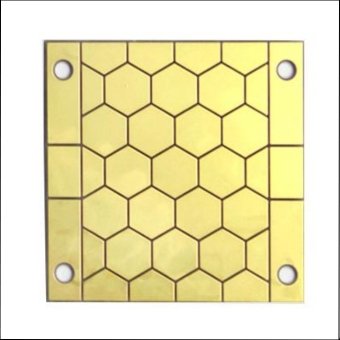
The metal layer thickness is typically 10 μm to 20 μm, achieved through screen printing, and is used in the packaging of electronic devices.
Key Advantages of Metallized AlN Ceramics
Aluminum nitride ceramics offer numerous advantages, making them ideal electronic packaging materials. They can be used as substrates in printed circuit boards (PCBs) for high-frequency circuits.

- 170–200 W/m·K
- Up to 7–10× higher than alumina
Enables efficient heat dissipation and higher power density

- High dielectric strength
- High volume resistivity
Suitable for high-voltage applications

- 4.5–5.5 ×10⁻⁶ /K
Close to silicon and SiC

Ideal for RF and high-frequency applications.

Enables:
- Brazing
- Hermetic sealing
- Electrical interconnection
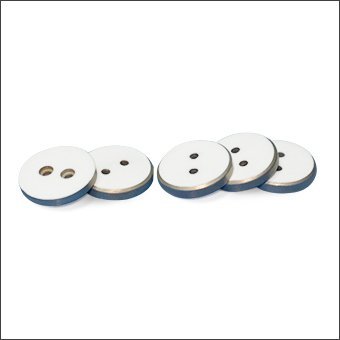
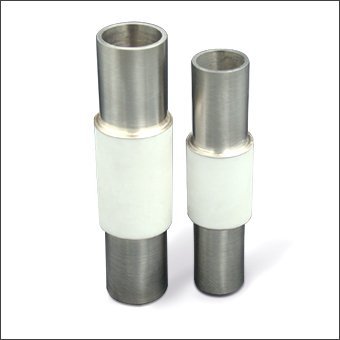
OEM Customization & Engineering Support
We provide:
- Metallization design optimization
- Material selection guidance
- Hermetic sealing solutions
- Custom geometry design
- OEM / ODM production
You can provide application details,drawings or samples and performance requirements, you will get fast quotation and the services mentioned above..
Because AlN provides much higher thermal conductivity for high-power applications.
Yes, with proper surface treatment and process control.
Controlling metallization adhesion and interface reliability.
Yes, widely used in high-reliability sealing applications.