

Introduction: Why Material Choice Becomes a Cost Problem
Industrial buyers and small manufacturers often face the same problem.
Components fail earlier than expected. Maintenance costs rise. Production stops are more frequent than planned. Often, the problem may be due to insufficient design estimates, i.e., inappropriate material selection.
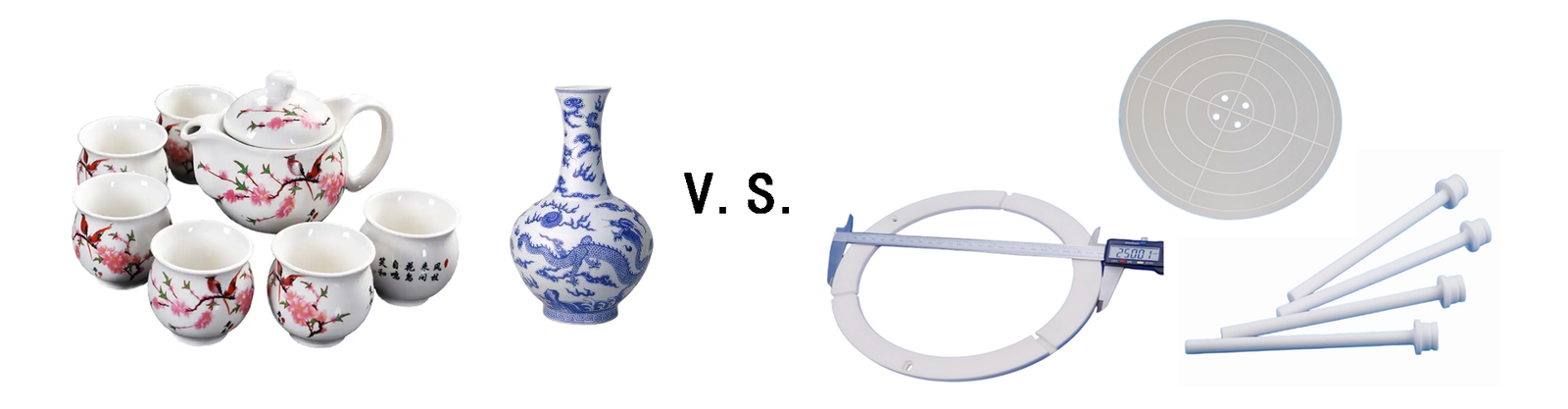
When equipment is subjected to prolonged exposure to high temperatures, intense abrasion, or corrosive environments, metal and ordinary ceramic components will reach their material performance limits relatively quickly. As a solution, an increasing number of companies are beginning to focus on silicon carbide ceramics.
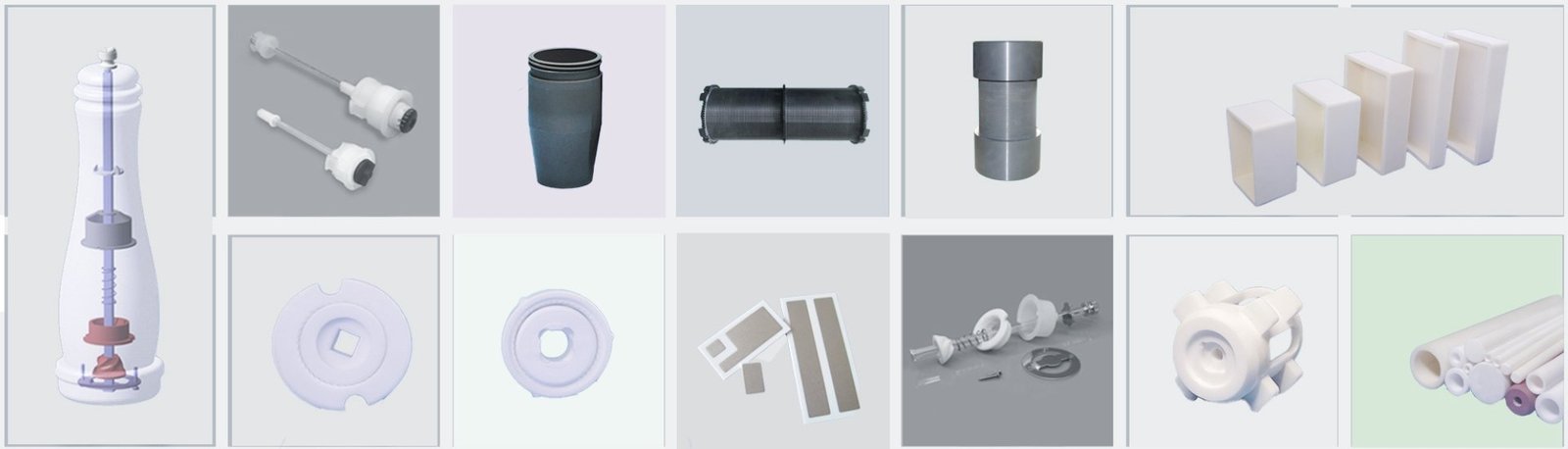
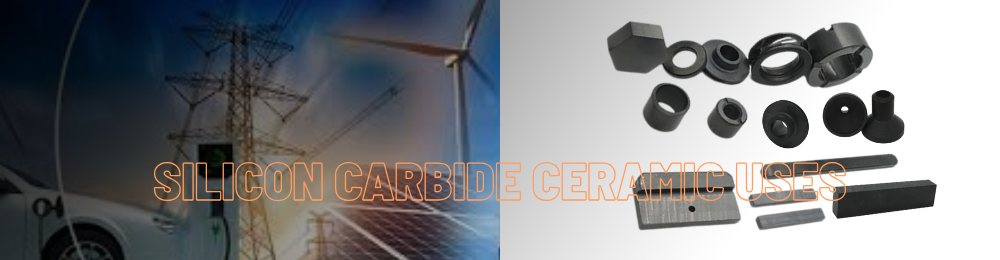
Silicon carbide ceramic is widely used in industrial applications that require high temperature resistance, excellent wear performance, and strong chemical stability. Typical uses include furnace components, mechanical seals, chemical processing parts, and semiconductor equipment.
This article explains where silicon carbide ceramic is commonly used, why it is selected in these applications, and how engineers and buyers evaluate its suitability.
What Is Silicon Carbide Ceramic and Why Buyers Care
Silicon carbide ceramic, often called SiC ceramic, is a non-oxide advanced ceramic material. It is known for its high hardness, thermal stability, and resistance to harsh operating conditions.
From a buyer’s perspective, the key value of silicon carbide ceramic is not its material theory, but its performance reliability. When properly selected, it helps reduce downtime, extend service life, and lower long-term operating costs.
For small manufacturers, SiC is often considered when standard materials can no longer meet performance targets.
Why Silicon Carbide Ceramic Is Used in High-Temperature Applications
High temperature is one of the most common reasons buyers consider silicon carbide ceramic.
Typical Problems at High Temperature
-
Metal components lose strength
-
Thermal deformation affects precision
-
Oxidation shortens service life
-
Frequent replacement increases cost
Silicon carbide ceramic maintains mechanical strength at temperatures above 1400°C. It also shows excellent thermal shock resistance, which is critical in applications with rapid heating and cooling.
Common High-Temperature Uses
-
Furnace liners and supports
-
Kiln furniture
-
Burner nozzles
-
Heat exchanger components
| Material | Max Operating Temp | Thermal Stability |
|---|---|---|
| Stainless Steel | ~800°C | Low |
| Alumina Ceramic | ~1200°C | Medium |
| Silicon Carbide Ceramic | >1400°C | High |
For procurement teams, this means fewer shutdowns and more predictable maintenance schedules.
How Silicon Carbide Ceramic Solves Wear and Abrasion Problems
Wear resistance is another major reason silicon carbide ceramic is widely used.
In pumps, seals, and rotating equipment, continuous friction causes rapid material loss. Metals wear quickly. Some ceramics crack under stress. Silicon carbide ceramic offers a balance of hardness and structural stability.
Typical Wear-Related Uses
-
Mechanical seals
-
Bearings
-
Pump components
-
Valve seats
Silicon carbide ceramic has a very low wear rate and a low friction coefficient. This directly translates into longer service life and lower replacement frequency.
For small manufacturers, this can mean higher equipment utilization and reduced spare parts inventory.
Why Silicon Carbide Ceramic Is Used in Corrosive Environments
Chemical resistance is critical in many industries.
Acids, alkalis, and aggressive process fluids quickly attack metals.
Silicon carbide ceramic remains stable in most chemical environments and does not suffer from electrochemical corrosion.
Common Corrosion-Resistant Uses
-
Chemical pump seals
-
Reactor linings
-
Nozzles and tubes
-
Chemical processing fixtures
| Environment | Metal Performance | SiC Ceramic Performance |
|---|---|---|
| Strong Acid | Poor | Excellent |
| Strong Alkali | Poor | Excellent |
| High-Temp Gas | Medium | Excellent |
For buyers, this means longer equipment life and fewer unexpected failures.
Silicon Carbide Ceramic Uses in Semiconductor and Precision Manufacturing
In high-precision industries, stability matters more than strength alone.
Silicon carbide ceramic is widely used in semiconductor manufacturing because of its:
-
High purity
-
Dimensional stability
-
Low particle generation
-
High thermal conductivity
Typical Semiconductor Uses
-
Wafer handling components
-
Susceptors
-
Process chamber parts
-
Etching and deposition fixtures
These applications are cost-sensitive to failure. Even small defects can lead to major losses, which is why buyers focus on material consistency and supplier capability.
When Small Manufacturers Choose Silicon Carbide Ceramic
For small and medium-sized manufacturers, the decision to use silicon carbide ceramic is usually driven by operational limits, not material preference.
Common Decision Triggers
-
Frequent part replacement
-
Increasing maintenance cost
-
Equipment upgrade projects
-
Customer demands higher performance
Silicon carbide ceramic is often introduced as a problem-solving material, not as a default choice.
When Silicon Carbide Ceramic Is NOT the Best Option
An honest evaluation is critical for procurement decisions.
Silicon carbide ceramic may not be suitable when:
-
Operating temperature is low
-
Wear and corrosion are minimal
-
Cost pressure is extremely high
-
Component design is very simple
In these cases, alumina ceramic or metal may provide better cost-performance balance.
This evaluation step helps buyers avoid over-engineering and unnecessary expense.
How Buyers Evaluate Silicon Carbide Ceramic Suppliers
Material performance alone is not enough. Buyers also evaluate supplier capability.
Key factors include:
-
Manufacturing consistency
-
Customization ability
-
Quality control
-
Delivery stability
For custom parts, design communication and production experience are often more important than raw material data.
Conclusion
Silicon carbide ceramic is widely used in high-temperature, high-wear, and corrosive industrial applications because it offers stable performance and long service life. For buyers and small manufacturers, its value lies in reliability, not theory.