


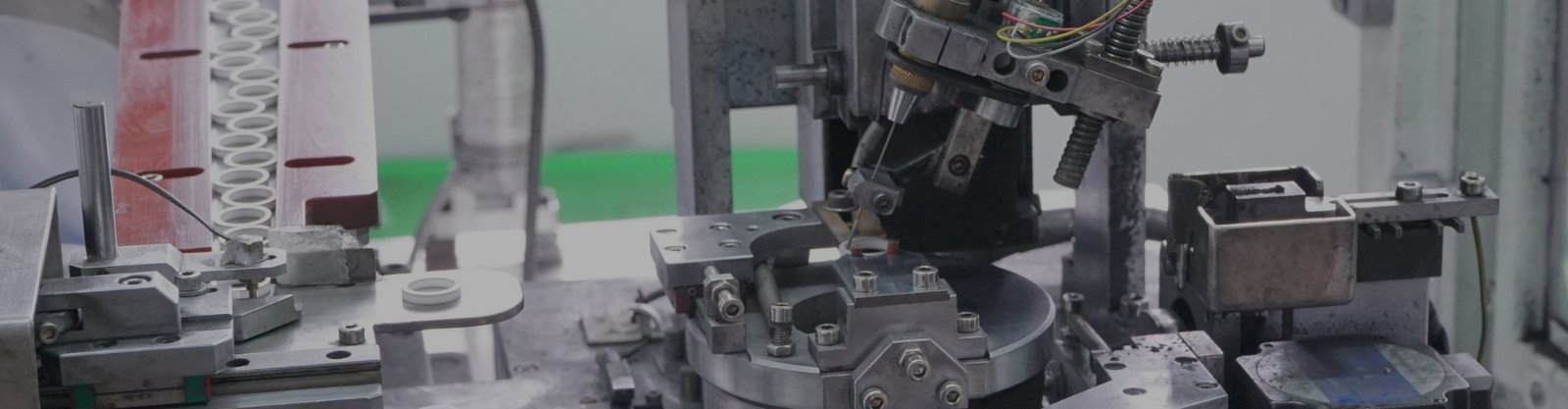
Introduction
Ceramics offer excellent insulation, thermal stability, and corrosion resistance, but cannot be directly brazed due to poor wettability.
Metallized ceramics refer to ceramic components with a metallic layer applied to their surface, enabling reliable bonding with metals through brazing or soldering. This technology is essential for applications requiring hermetic sealing, electrical connectivity, and long-term reliability.
Because ceramics are inherently non-wettable by most metals, metallization creates a bondable interface that enables strong and stable ceramic-to-metal joints.
Key benefits include:
- Enables ceramic-to-metal joining
- Improves bonding strength
- Ensures hermetic sealing
- Enhances electrical conductivity
Metallization Process Overview
A typical metallization and joining process includes:
Ceramic → Metallization → Nickel plating → Brazing → Inspection
Each step must be precisely controlled to ensure adhesion strength and hermetic performance.
Metallization Method Comparison
| Method | Mo-Mn Metallization | Thin Film Metallization | Direct Metallization |
|---|---|---|---|
| Layer Thickness | Thick | Thin | Medium |
| Adhesion Strength | High | Medium | Medium |
| Process Complexity | Medium | High | Low |
| Cost | Medium | High | Low |
| Application | Hermetic sealing | Microelectronics | General use |
Conclusion: Mo-Mn metallization is preferred for high-reliability and hermetic sealing applications.
Key Performance Parameters and Engineering Design Considerations
Common failure modes include delamination, poor adhesion, and leakage. These issues are typically caused by contamination, improper processing, or poor design.

Determines the bonding reliability between ceramic and metal layers.


Supports electrical connections in electronic packaging.

Mismatch between ceramic and metal may cause stress and cracking. Proper material pairing is essential.

Thickness affects stress distribution and bonding performance.

Clean and controlled surfaces are critical for strong adhesion.
Popular Metallized Ceramics Technology
We provide complete metallized ceramics solutions, some common metallized ceramic technologies are listed below, which we will discuss and learn in detail in separate articles.
-
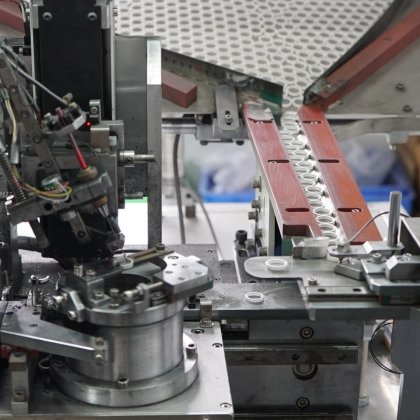 What is Ceramic Metallization
 -
Molybdenum Manganese Metallization Process
-
Active Metal Brazing Explained
-
Ceramic-to-Metal Seal Design Guide
-
Hermetic Seal Leak Rate Standards
-
High Voltage Ceramic Insulator Design
-
Vacuum Feedthrough Design Guide
-
CTE Matching in Ceramic Metal Sealing
-
Metallized Ceramic Failure Analysis
-
Metallization Thickness and Adhesion
Manufacturing Capabilities
We provide complete metallized ceramics solutions including:
- Mo-Mn metallization
- Nickel plating
- Metallization and brazing integration
- Custom engineering support
Send your drawings or technical requirements for evaluation and consultation.
Metallized ceramics are ceramic components with a metal layer applied to their surface, enabling them to be joined with metals through brazing or soldering. They are used because ceramics cannot be directly bonded due to poor wettability, and metallization creates a reliable interface for strong, hermetic, and conductive connections.
The Mo-Mn process involves applying a molybdenum-manganese paste to the ceramic surface, sintering it at high temperature, and then plating it with nickel. This creates a strong metallized layer that can be brazed to metals and is widely used in high-reliability applications.
Metallization creates a uniform and bondable metal layer on the ceramic surface, allowing filler metals to wet and form a dense joint during brazing. This reduces leakage paths and ensures a stable hermetic seal under vacuum or pressure conditions.
Alumina is the most commonly used ceramic for metallization due to its stability and compatibility with Mo-Mn processes. Other materials such as aluminum nitride and zirconia may also be used depending on thermal and mechanical requirements.
Yes, metallized ceramic components can be customized in terms of material, metallization pattern, thickness, and geometry. Engineering optimization is often applied to meet specific requirements for bonding strength, hermeticity, and performance.