


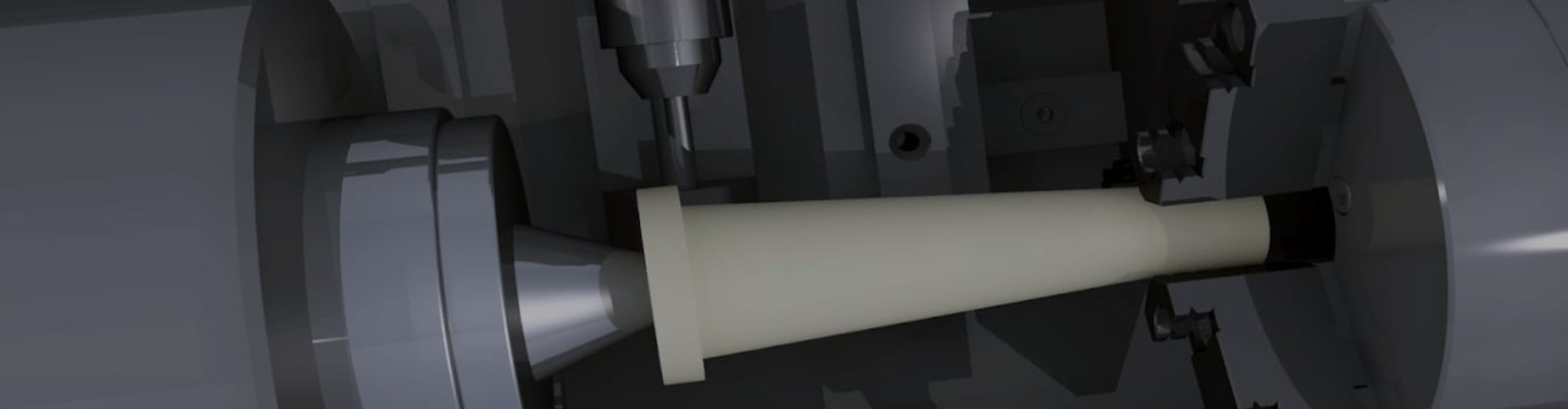
Introduction for Ceramic Machining Technology
Advanced ceramics are widely used in high-performance industries due to their exceptional hardness, wear resistance, and thermal stability. However, these same properties also make ceramics extremely difficult to machine compared to metals or plastics.
Unlike traditional machining, ceramic processing relies heavily on grinding, laser machining, ultrasonic techniques, and precision polishing to achieve tight tolerances and high-quality surfaces.
Key Takeaways:
- Ceramic machining is grinding-dominant rather than cutting-based
- Diamond tools are essential for precision processing
- Material type determines machining strategy and cost
- Surface finish directly impacts performance and sealing
- Green machining significantly reduces manufacturing cost
Why Ceramic Machining is Challenging? Ceramics present unique machining challenges due to their intrinsic material properties.
High Hardness: Extremely high hardness requires diamond abrasives for material removal.
Brittleness: Low fracture toughness leads to cracking risks during machining.
Thermal Sensitivity: Local heat generation can induce microcracks.
Tight Tolerances: High-end applications demand micron-level precision.
Engineering Insight:Successful ceramic machining depends on process control rather than cutting force.
Ceramic machining is widely used across multiple industries:
- Pumps and valves
- Semiconductor equipment
- Medical devices
- Food processing machinery
- Wear-resistant components
Machining Stages and Core Machining Technologies
Ceramic machining typically involves different stages depending on material condition.
Green Machining:Performed before sintering, allowing faster material removal and lower cost. However, dimensional shrinkage must be considered.
Bisque Machining:Offers improved stability compared to green machining with moderate hardness.
Hard Machining:Requires diamond grinding and delivers the highest precision and final tolerances.

The most widely used process for ceramic machining, enabling tight tolerances and good surface quality.

Used for complex geometries and multi-axis processing requirements.

Ideal for micro-holes and fine features with minimal mechanical stress.

Reduces cracking risk and improves machining quality for brittle materials.

Used to achieve ultra-smooth surfaces for sealing and precision applications.
Material-Specific and Design for Machining
Alumina (Al₂O₃):Cost-effective and widely used, suitable for general industrial applications.
Zirconia (ZrO₂):Higher toughness improves machinability and reduces crack sensitivity.
Silicon Nitride (Si₃N₄):High strength and thermal resistance but more difficult to machine.
Typical machining capabilities:
| Parameter | Capability |
|---|---|
| Tolerance | ±0.001 mm |
| Surface Roughness | Ra 0.01–0.8 μm |
| Flatness | < 2 μm |
Engineering Insight:Surface quality directly affects wear resistance, friction, and sealing performance.
Design for Machining (DFM)
Recommended Design Guidelines:
- Use rounded corners instead of sharp edges
- Maintain uniform wall thickness
- Design accessible features
Avoid:
- Thin walls
- Deep blind holes
- Sharp internal corners
Popular Ceramic Machining Technology Topics
We provide complete ceramics machining solutions, some common ceramic machining technologies topics are listed below, which we will discuss and learn in detail in separate articles.
-
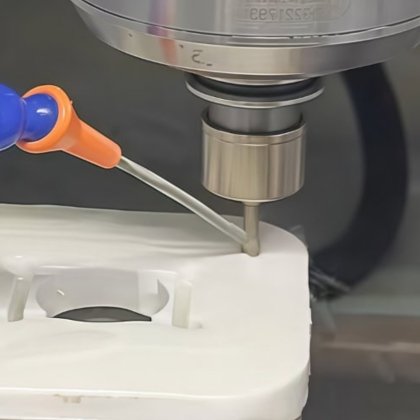 recision Ceramic Machining Guide
 -
Grinding vs Lapping vs Polishing
-
Ceramic Machining Tolerances
-
Surface Roughness of Ceramics
-
Ceramic vs Metal Components
-
Alumina vs Zirconia Components
-
Ceramic Micro Crack Prevention
-
Ceramic Component Cost Optimization
-
Ceramic Parts for Semiconductor Equipment
Cost Drivers for Ceramic Machining
The cost of ceramic machining depends on several key factors:
- Material type
- Geometry complexity
- Tolerance requirements
- Surface finish
- Production volume
Engineering Insight:Tight tolerances and ultra-fine finishes significantly increase machining cost.
Manufacturing Capabilities
We provide full ceramic machining solutions including:
- Precision grinding and polishing
- CNC multi-axis machining
- Laser and ultrasonic processing
- Prototype to mass production
- Engineering support and DFM optimization
Send your drawings or technical requirements for evaluation.
Ceramics cannot be machined using conventional cutting methods due to their high hardness and brittleness. Instead, grinding with diamond tools is the primary method. Advanced techniques such as laser and ultrasonic machining are also used for specific applications requiring precision and minimal damage.
Diamond grinding is the most widely used process for machining ceramics. It provides high precision, good surface quality, and stable performance. Other processes such as polishing and lapping are often used as secondary finishing steps.
Yes, green machining is generally more cost-effective because the material is softer and easier to process before sintering. However, dimensional changes during sintering must be carefully controlled, and final precision is lower compared to post-sinter machining.
Precision ceramic machining can achieve tolerances as tight as ±0.001 mm depending on the material and process. Achieving such precision requires advanced equipment, experienced process control, and proper design considerations.
Surface finish plays a critical role in determining friction, wear resistance, and sealing performance. Applications such as valve components or sealing systems require extremely low surface roughness to ensure reliability and long service life.