


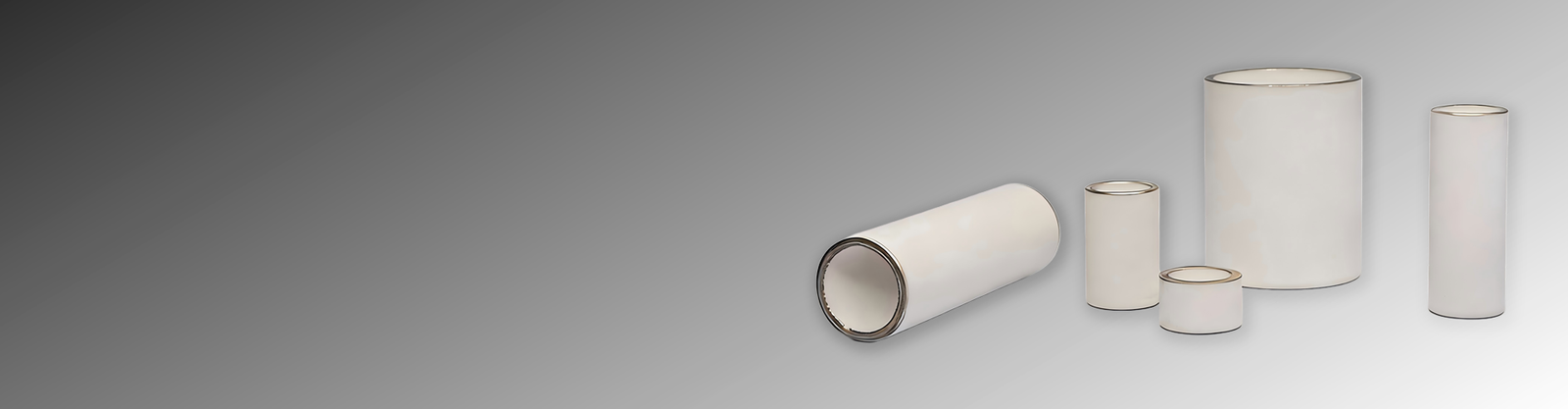
A Reliable Metalized Ceramic Tube Partner in China
Based on our nearly 20 years of experience in producing metallized ceramic tubes, we can provide customized solutions according to clients’ needs.
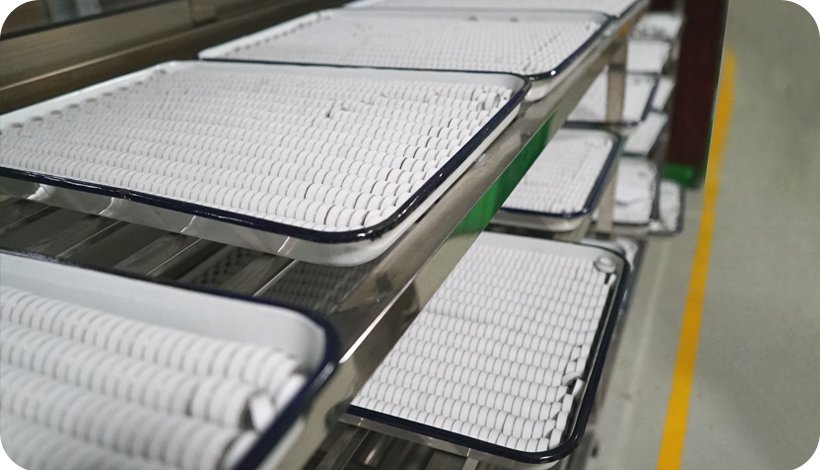
With our integrated manufacturing and advanced quality assurance equipment, we can achieve the following in-house:
- Metallization slurry formulation & ceramic body shaping
- Process-driven metallization design
- Stable repeatability for long-term orders
- Engineering support from concept to high-volume production
- Reliable process control and precision inspection methods
Metallized Ceramic Tube - Quick Technical Overview
1. What is a metallized ceramic tube?
Metallized ceramic tube is an engineered ceramic component with a firmly deposited metallic layer on a specific section, which enables a reliable hermetic ceramic to metal joint smoothly through brazing.
2. Why is metallization required on ceramic tubes?
Engineered ceramic tubes cannot be joined with metals directly by brazing. Typically, metallization on a ceramic surface creates a way for hermetic ceramic-to-metal bonding.
3. What ceramic materials are commonly used?
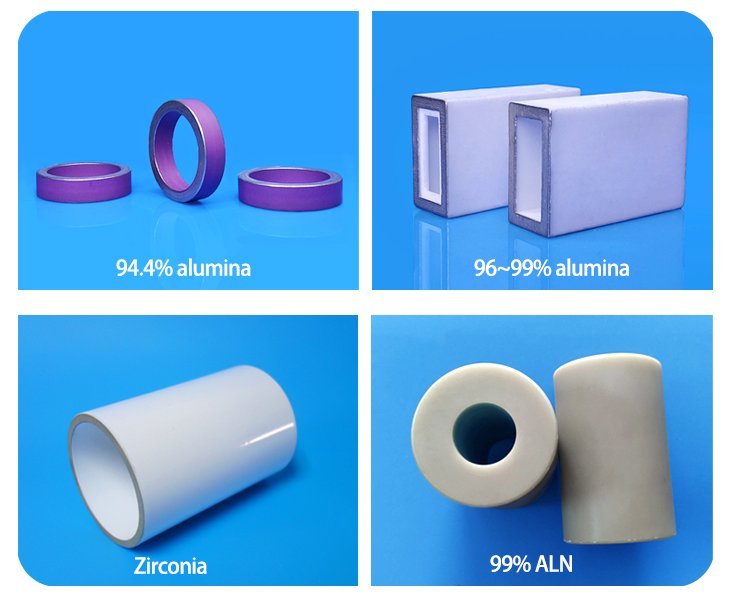
The common materials include high-purity alumina for general high-voltage vacuum systems, zirconia for high-mechanical-reliability sealing systems, and aluminum nitride for thermal management hermetic brazing applications.
4. Where are metallized ceramic tubes typically used?
Metallized ceramic tubes are typically used in vacuum systems and electrical feedthroughs, X-ray and accelerator equipment, power electronics, and custom ceramic-to-metal assemblies.
5. Are all metallized ceramic tubes custom-made or standard?
Most of the metallized ceramic tubes are custom-made to meet specific dimensions, customized metallization layout, and real assembly demand, while some standard parts are available for prototyping.
Products By Metallization Configuration
Metallized ceramic tubes can be configured with different metallization layouts; the goals are based on design-driven principles. With the specific metallization configuration, the tubular can well achieve ceramic-to-metal brazing, sealing, and electrical requirements.
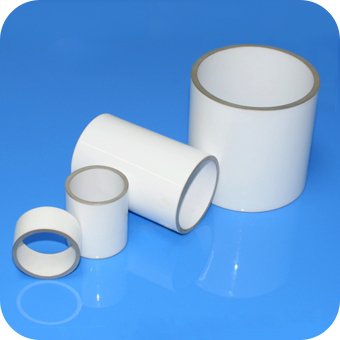
When both ends need to carry out brazing assembly structure, electrical functions, or structural fixation with metals, double-end metallization becomes a necessary choice
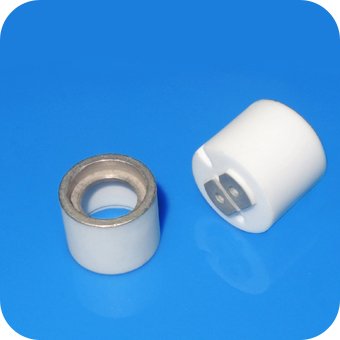
The single-end surface covering with metallization is used for brazed joint, while the other end only serves for insulation, positioning, or structural functions
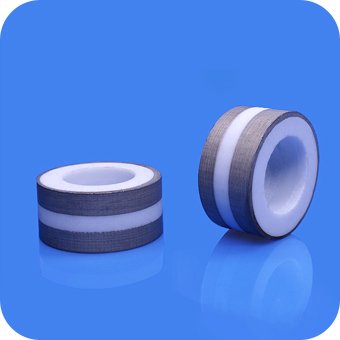
The configuration is to achieve the design-driven connections or functions by means of brazing with metals, it is only necessary to metallize specific cylindrical areas of tubing
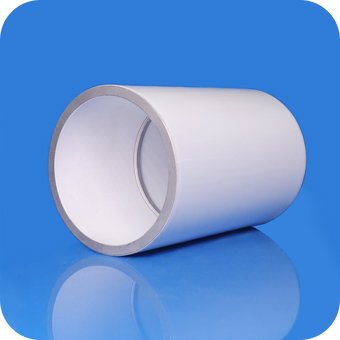
The configuration is a rather special metallization requirement. It is mainly used for internal electrical contact, shielding, or special brazed structures
Products by Uses
Metallized ceramic tubes are widely used in vacuum systems where reliable ceramic-to-metal brazing, hermetic sealing, and high-voltage insulation are required. Each use-drive focuses on the specific performance requirement, such as brazing wettability, vacuum integrity, or dielectric reliability.
-
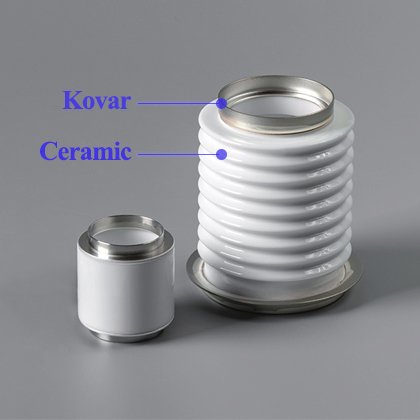
Metalized ceramic tubes are ideally cater to ceramic-to-metal brazed joints. Uniform metallization ensures stable wetting during brazing and long-term joint reliability. This configuration is critical when joint strength and assembly yield are key concerns
-
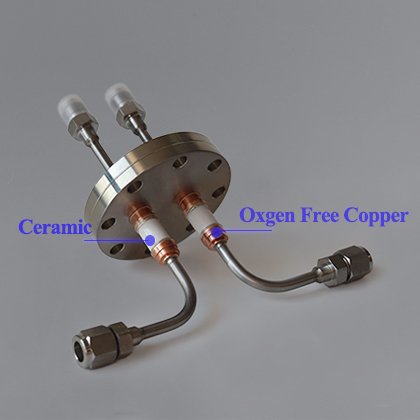
Ceramic metallization tube provide hermetical brazed interface between ceramic and metal parts in vacuum systems. The ceramic metal assemblies are widely used in vacuum integrity and thermal stability required. The metallized layer is essential as vacuum atmosphere is a vital in the application
-
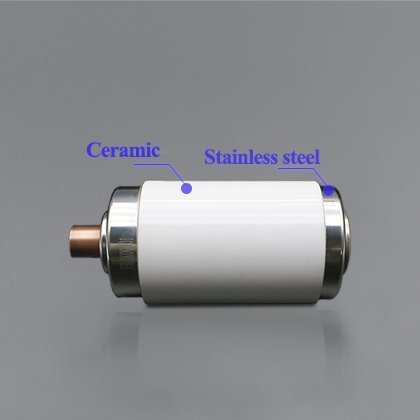
Taking advantage of the high dielectric strength of metallized ceramic tubes, they are widely used in high voltage insulation components while allowing secure ceramic-to-metal connections. The metallized interface boosts the electrical performance significantly
Features / Capabilities
Our metallized ceramic tubes are featured with their inherent merits and newly granted highlights after engineering treatments, and they can ensure the ceramic parts have excellent performance in the hermetically sealed ceramic metal brazed assembly.

Brazing adhesion strength is a decisive factor for metallized ceramic tubes; it’s the foundation of ceramic metal hermetically joining. The adhesion strength is higher than 120 MPa.

The sampling hermetic sealing test must be conducted at our lab to ensure the vacuum sealing performance at the end customers’ applications. We guarantee that the airtightness level can reach 10-9 Torr

The precision internal & external cylindrical, flat grinding will be carried out to achieve the OD, ID, and overall length with tight tolerances, as well as the flatness of the metallized interfaces.

According to functional segmentations, we can metallize a single end, both ends, cylindrical, and designated partial sections of ceramic metallization tubes.

Ensuring raw material conformity in every batch and microcracks of ceramic bodies to prevent system failure, thermal stress tolerance is also taken into account in the ceramic component.

Fine metallized ceramic tubes have outstanding high-voltage resistance, especially for alumina ones. The 95% alumina can withstand 15 KVs at least. Higher purity means it can work in higher voltage.
Ceramic Materials Supported
● High Purity Alumina (Al2O3)
● Zirconia(ZrO2)
● Aluminum Nitride (AlN)
Custom formula of ceramic materials is available according to customers’ specific functions in the applications.
Metallization Process Available
- Molybdenum (Mo-Mn) metallization
- Tungsten (W) metallization
- Nickel (Ni) plating
- Silver (Ag) plating
- Gold (Au) plating
- Compatible with brazing and hermetic sealing
Customization
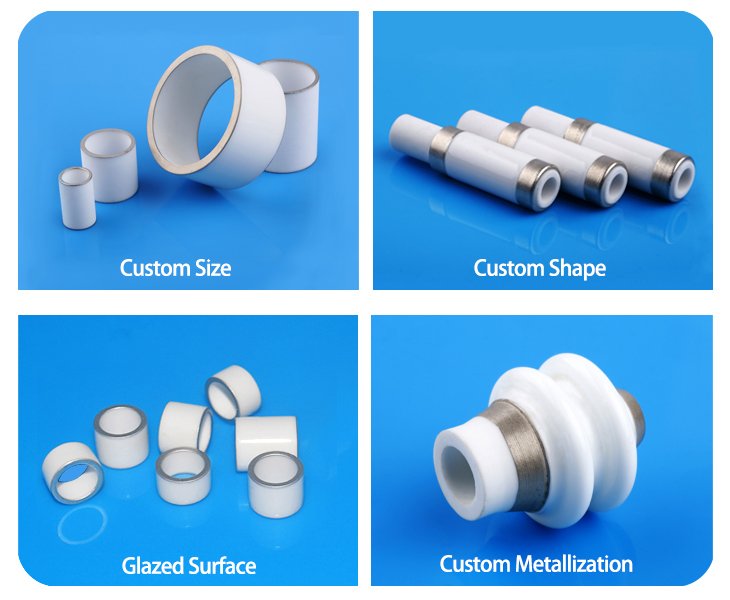
- Size, minimum OD to be 1mm, maximum to be 200mm
- Shapes, typically round, square, or other special ones
- Designated layout of metallization per requirements
- Customized finish treatments, such as enamelling, polishing
- Offering technical support on designs and dimension setting
Customization is evaluated based on manufacturability, reliability, and long-term performance, not feasibility alone.
Typical Applications
Metallized ceramic tubes are widely used in vacuum systems and hermetic feedthrough structures, X-ray and accelerator insulation assemblies, high-voltage power electronic modules, and various custom ceramic-to-metal brazed assemblies, and more.
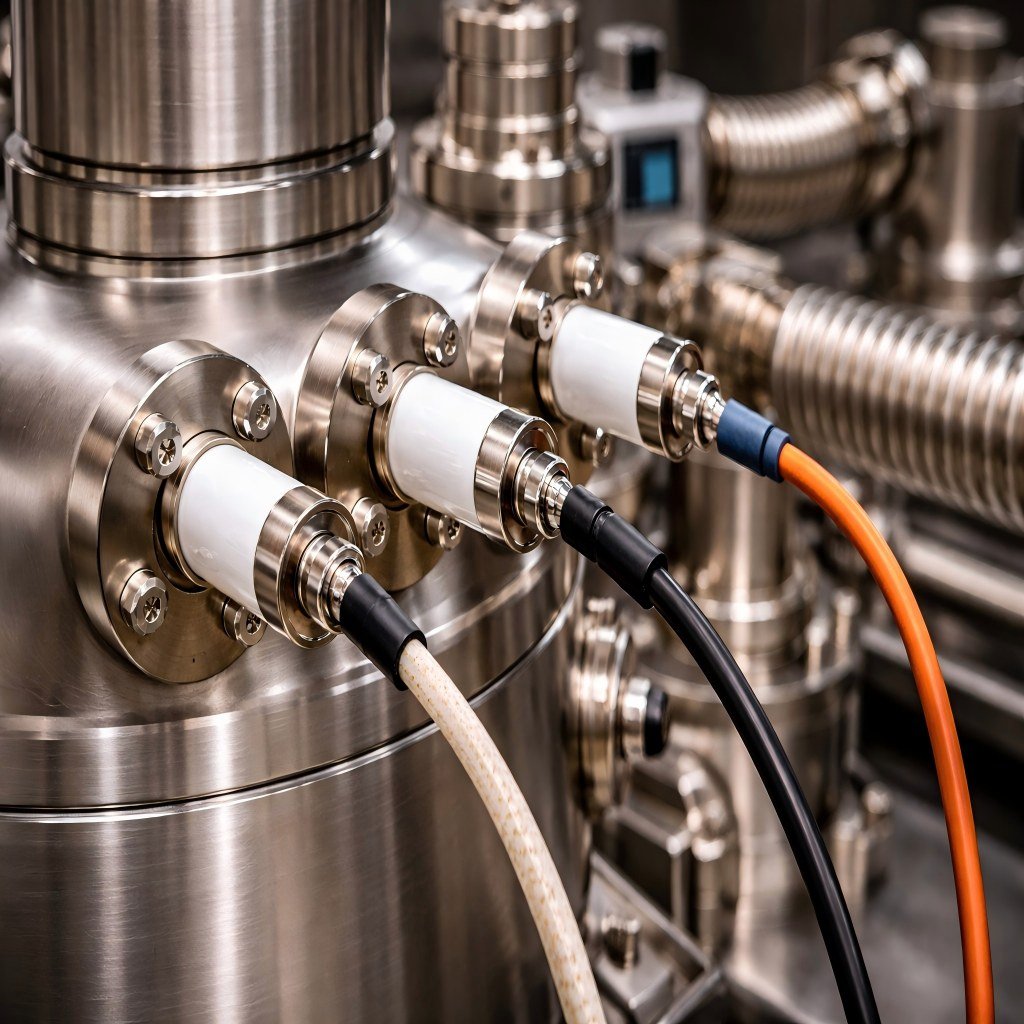
Metallised ceramic tubes are used as gas-tight interfaces between ceramic and metal components in vacuum systems and electrical feedthroughs. They ensure vacuum integrity, electrical insulation, and stable performance under rigorous thermal cycling and vacuum conditions
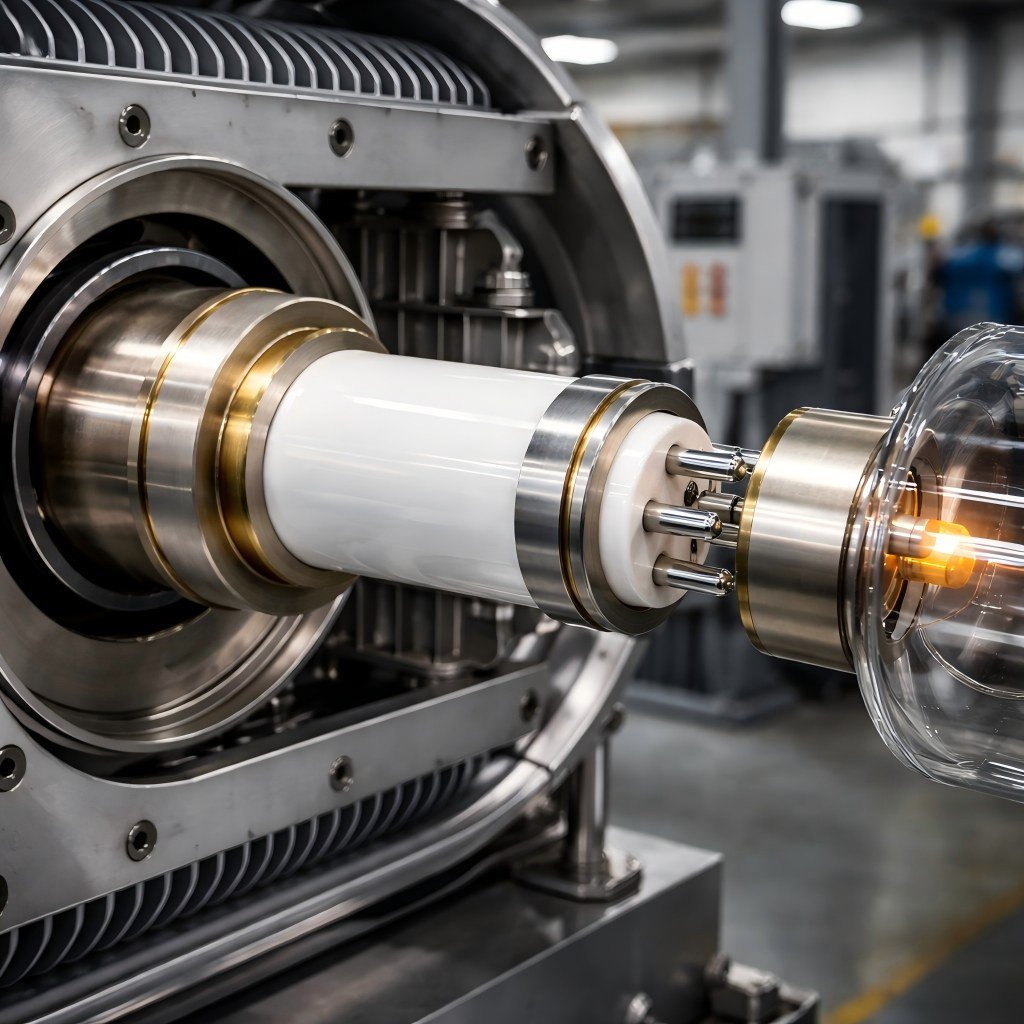
Metallized ceramic tubes work as a high-voltage insulation component while enable ceramic-to-metal joint in x-ray and accelerator equipment, the consistent metallization layer ensure the electrical and support needs under high-voltage operation.
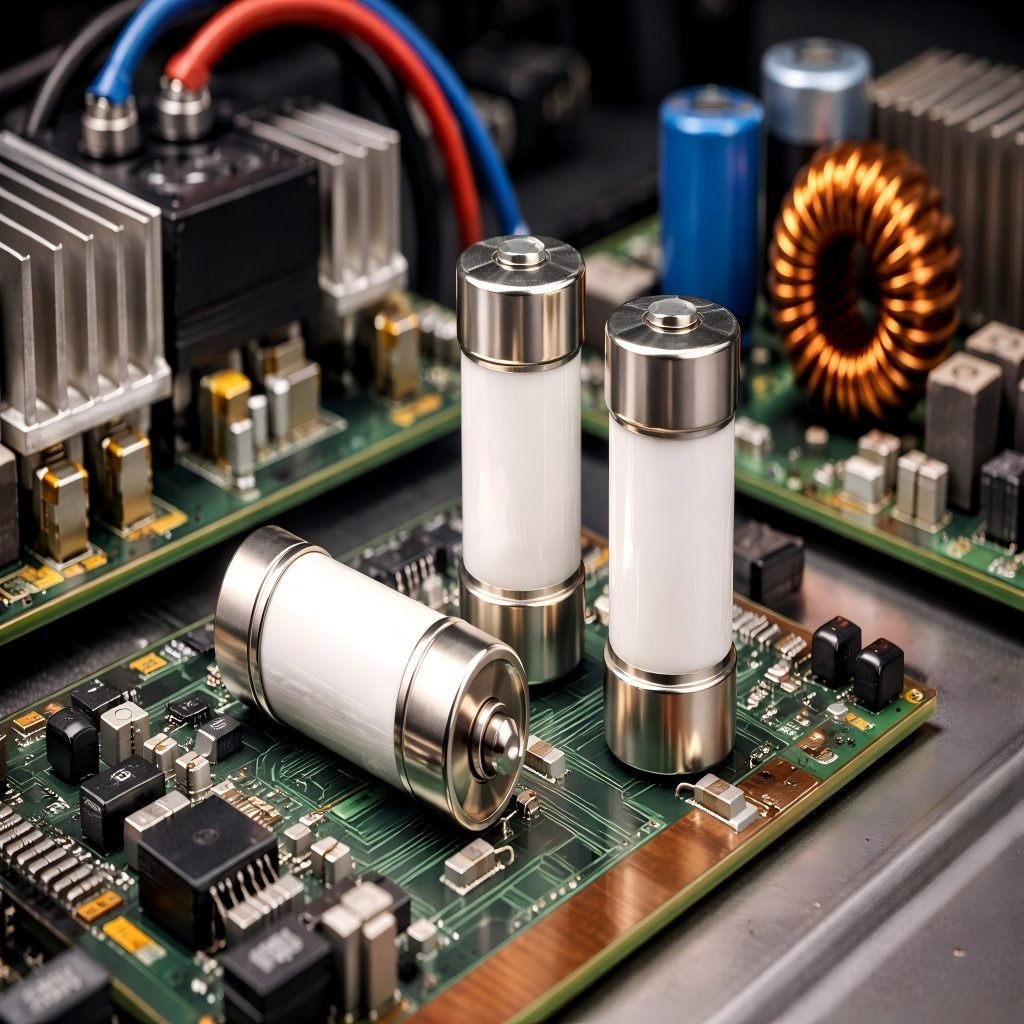
When metallized ceramic tubes are integrated into electronic power systems, they not only provide excellent insulation performance, but also offer high mechanical strength support and meet thermal management requirements.
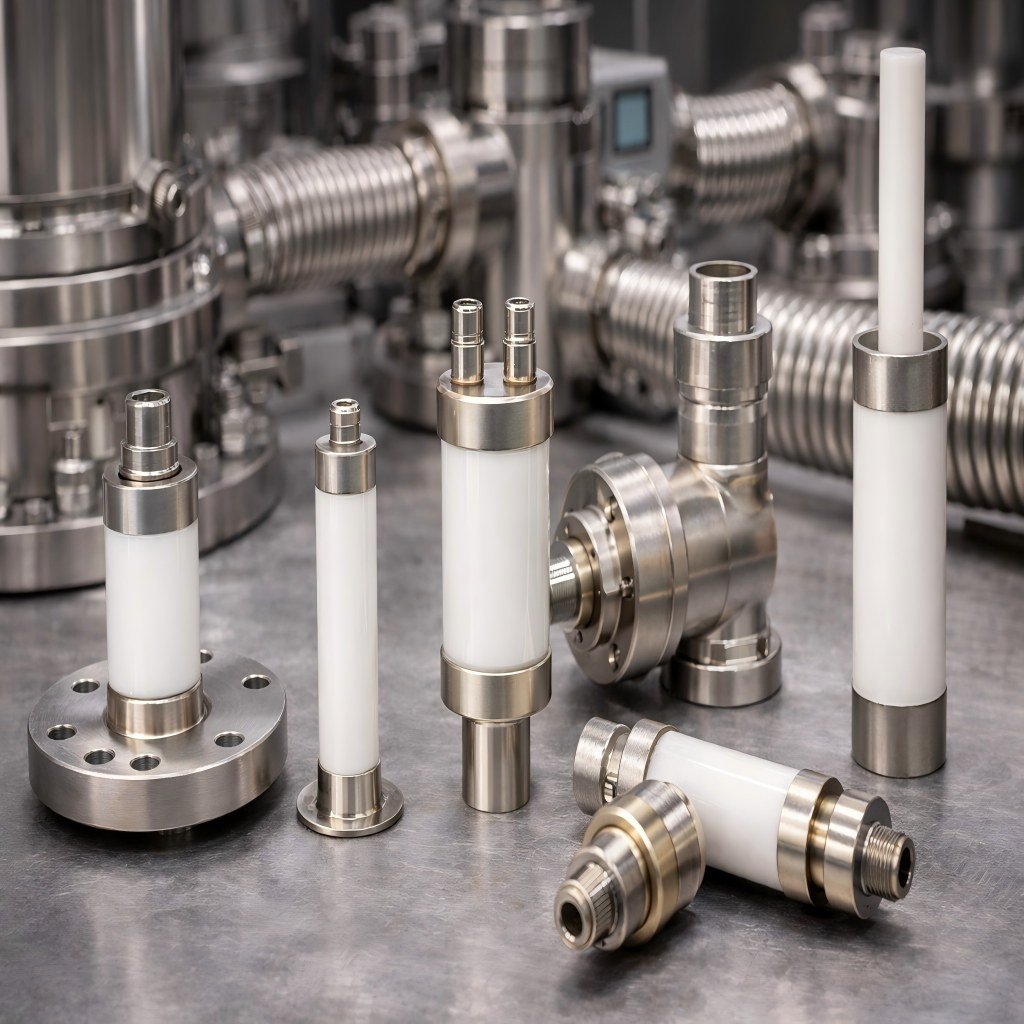
For custom ceramic-to-metal assemblies, metallized ceramic tubes enable flexible integration of ceramic-metal parts to meet specific mechanical, electrical, environmental. The materials, dimensions and metallization patterns of ceramic tube can all be customized according to the system design.
Why Choose Us
As a manufacturer of metallized ceramic tubes, we focus on delivering stable ceramic-to-metal bonding for brazing, vacuum sealing, and high-voltage applications.
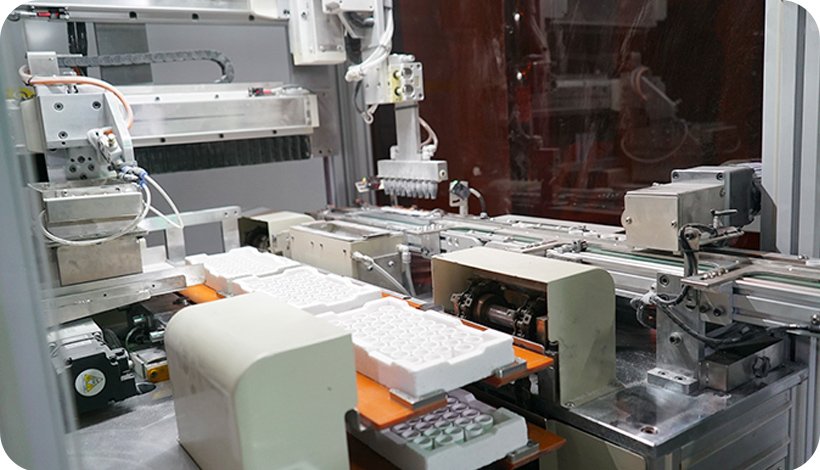
● In-house shaping & metallization
● Support R&D, small batch sourcing
● Flexible minimal order quantity(MOQ)
● Experience with customized drawings
● Engineering feedback before production
● Collaborating with hundreds of overseas clients
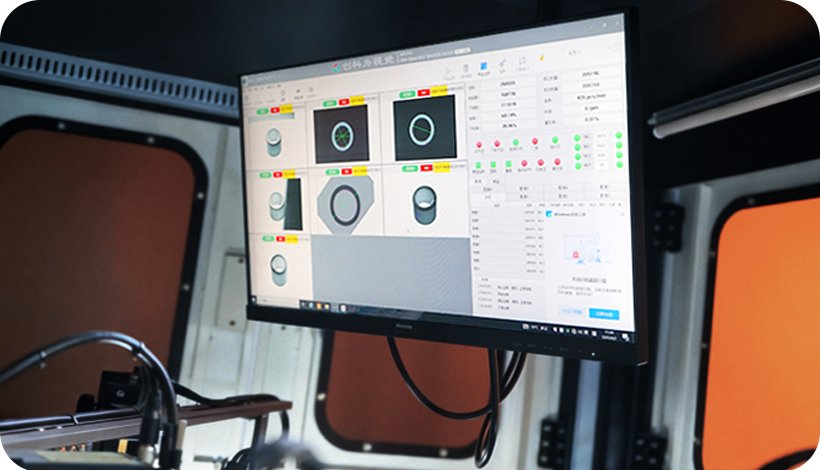
● Consistent metallization and plating thickness
● Glossy polished surface and uniform glaze distribution
● Fluorescent flaw detector to check cracks issue
● 100% visual inspection for impurities, chippings, bulge
● Gas tightness and metalization adhesion test
● Stable and consecutive supply for repeat orders

Inspection Equipment Gallery
-
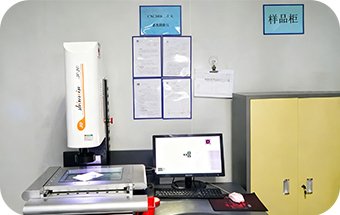
To check the special geometries of metallized tubes with strict dimensional tolerance
-
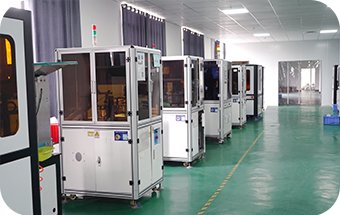
All internal, external diameters, length, ceramic breakage, and roundness can be inspected by the machines.
-
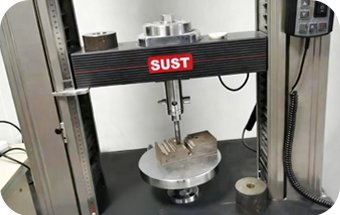
The compressive and tensile strength tests of ceramic parts can be made at our lab upon request from some customers.
-
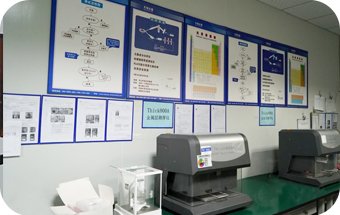
The sampling measurement for the thickness of the metallic layer before shipping must be done.
A brief guide for the material selection of metallized ceramic tubes
Material selection for metallized ceramic tubes must be considered based on assembly reliability, brazing compatibility, system stress, and total cost of ownership—not material properties alone. The following is a brief comparison of different dimensions for three primary materials:
1. From practical positioning
● Alumina(Al2O3): General uses, primarily used in high-voltage electrical insulation, also focused on cost-effective
● Zirconia (ZrO₂): Requirements include high assembly stress, crack resistance, and safety margin.
● Aluminum nitride(AlN): Thermal management priority, high thermal conductivity with electrical insulation
2. From typical applications
● Alumina(Al2O3): Vacuum feedthroughs, gas discharge tube, standard brazed assemblies, cost-sensitive industrial systems
● Zirconia (ZrO₂): Thin-wall metallized ceramic tubes, X-ray tube components, Long ceramic-to-metal assemblies, Applications where cracking is unacceptable
● Aluminum nitride(AlN): Power electronics assemblies, High heat flux insulation components, Systems requiring both quick heat dissipation and electrical insulation
3. From total cost and risk control
● Alumina(Al2O3): Fit for mature design, mature technology, high-volume with cost-sensitive projects
● Zirconia (ZrO₂): Minimize risk, but at a higher cost. It suit for R&D and small batch orders.
● Aluminum nitride(AlN): Performance first, cost second. It’s suitable for a high-end vacuum system with harsh thermal requirements.
Final thoughts
Alumina is selected for standard metallized ceramic tubes where electrical insulation and cost efficiency are key. Zirconia is chosen when higher mechanical strength and resistance to cracking are required. Aluminum nitride is used when thermal management becomes a critical system requirement.
Most of the metallized ceramic tubes are custom-made per your application-specific requirements. But we supply some proprietary molds and standard-sized parts for your option to meet your prototyping or urgent cases.
To obtain an exact quotation, we suggest you provide the following information:
1. Essential information:
● Raw material, e.g., alumina with purity, aluminum nitride, or zirconia
● Dimensions : OD (Outer diameter), ID(Inner diameter), overall length
● The type, the region, and the thickness of metallization you required
● Estimated quantity
2. Helpful but optional information
● The critical points you are really concerned about, e.g., e.g size tolerances, physical strength
● The application of the ceramic tube metallization
● The real working conditions, such as voltage, service temperature, and vacuum level
Even if not all details are available, please share with us your concept, and our engineering team will offer you some specific proposals.
Please find the technical table for your reference
| Outer diameter | Inner diameter | Overall length | Flatness of the end surface | Roundness |
| ±0.01 or better | ±0.05 or better | ±0.10 or better | 0.005 | 0.005 |
Yes, we can provide prototyping samples for your approval before bulk production, to ensure the real part meets your fitting and functional needs.
It depends on the degree of customization. The lead time is 4~5 weeks for common custom-made tubes.
Yes, we have our own ceramic to metal jointing and sealing capability by brazing. The types of metals include Kovar, oxygen-free copper(OFC), and stainless steel.
Of course, we have been cooperating, serving many overseas customers for more than 15 years.