


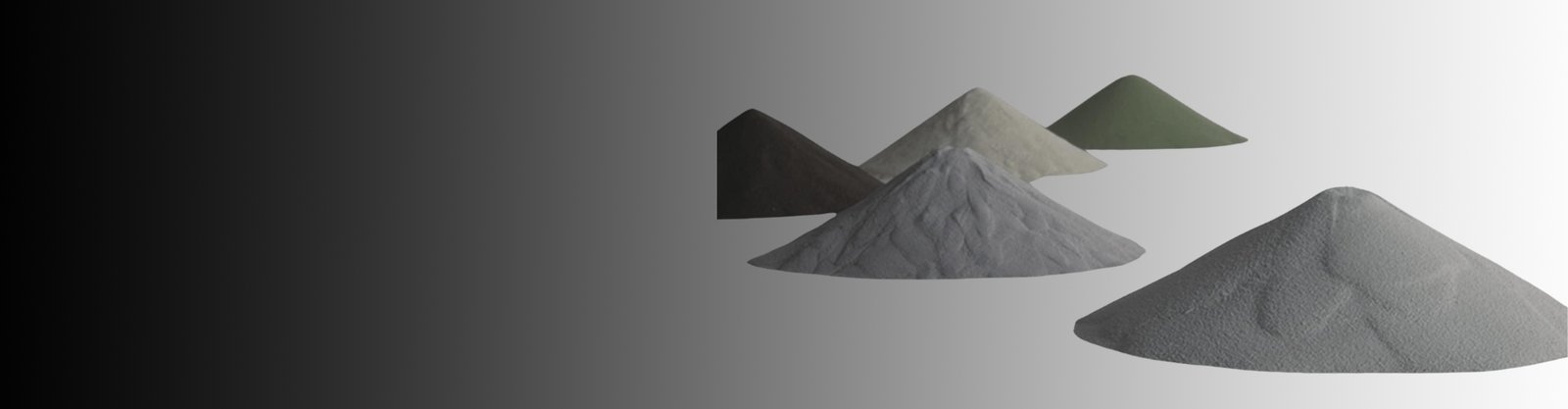
Introduction
Choosing the right ceramic material is critical for achieving optimal performance, reliability, and cost efficiency in industrial applications. Advanced ceramics offer unique combinations of thermal, mechanical, and electrical properties, but no single material is suitable for all scenarios.
This Material Comparison Hub provides a structured overview of key ceramic materials, helping engineers and buyers quickly compare properties and select the most suitable solution.
Core Material Comparison Table
| Property | Al₂O₃ (Alumina) | AlN (Aluminum Nitride) | Si₃N₄ (Silicon Nitride) | ZrO₂ (Zirconia) |
|---|---|---|---|---|
| Thermal Conductivity | 20–30 W/mK | 170–200 W/mK | 70–90 W/mK | 2–3 W/mK |
| Mechanical Strength | Medium | Medium | High | Very High |
| Fracture Toughness | Low | Medium | High | Very High |
| Electrical Insulation | Excellent | Excellent | Excellent | Good |
| Thermal Shock Resistance | Low | Medium | Excellent | Medium |
| Cost Level | Low | High | High | High |
| Typical Applications | General industrial | Power electronics | EV / high reliability | Wear parts |
Key Insight: Material selection should be based on performance priorities such as thermal conductivity, strength, or cost.
Material and Application-Based Selection Overview
The best ceramic material depends on the application environment and performance requirements.

Alumina is the most widely used technical ceramic due to its cost-effectiveness and stable performance. It offers excellent electrical insulation and moderate mechanical strength, making it suitable for general industrial applications.

Aluminum nitride is known for its very high thermal conductivity combined with excellent electrical insulation. It is widely used in power electronics where efficient heat dissipation is critical.

Silicon nitride offers outstanding mechanical strength and thermal shock resistance. It is ideal for high-reliability applications such as electric vehicles and harsh environments.

Zirconia features exceptional toughness and wear resistance. It is commonly used in wear parts, cutting tools, and structural components requiring high durability.

Recommended materials: AlN, Si₃N₄
Reason: High thermal conductivity and reliability under thermal cycling.

Recommended materials: ZrO₂, Al₂O₃
Reason: High hardness and wear resistance.

Recommended materials: Si₃N₄
Reason: Excellent thermal stability and shock resistance.
Recommended materials: Al₂O₃
Reason: Balanced performance and low cost
Popular Material Comparisons
How to choose the right ceramic material is one of the most common engineering questions.
Step 1: Define operating conditions such as temperature, load, and environment.
Step 2: Evaluate thermal conductivity requirements
Step 3: Assess mechanical strength and reliability
Step 4: Consider electrical insulation requirements
Step 5: Balance performance and cost
Key Insight: The best ceramic material is always application-specific.
-
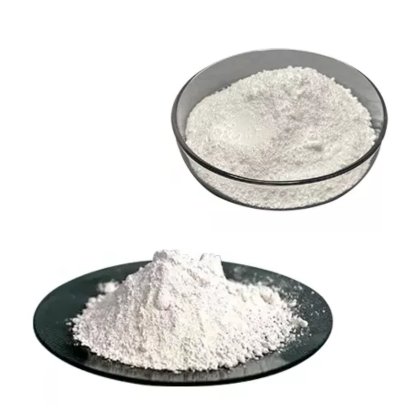 Alumina vs Zirconia
 -
AlN vs Si3N4
-
ZTA vs Pure Alumina
-
Ceramic vs Metal
-
Ceramic vs Plastic
-
Thermal Conductivity Comparison
Manufacturing Considerations
Different ceramic materials vary in processing difficulty, machining capability, and production cost.
Alumina is easier to process and cost-effective, while AlN and Si₃N₄ require more advanced manufacturing techniques.
Industry Trends
The demand for high-performance ceramics is growing rapidly due to advancements in electric vehicles, renewable energy, and high-power electronics. Materials such as AlN and Si₃N₄ are becoming increasingly important in next-generation applications.
This Material Comparison Hub serves as a central resource for understanding advanced ceramic materials and making informed selection decisions. By combining material data, application insights, and engineering guidance, we help customers identify the most suitable ceramic solution for their needs.
Contact us for expert support and customized ceramic material solutions.
There is no single best ceramic material for all industrial applications. The optimal choice depends on specific requirements such as thermal conductivity, mechanical strength, electrical insulation, and cost constraints. For example, alumina is suitable for general use, aluminum nitride is preferred for heat dissipation, and silicon nitride is ideal for high-reliability environments.
Ceramic materials should be compared based on key performance indicators such as thermal conductivity, mechanical strength, fracture toughness, and electrical insulation. It is also important to consider application conditions and long-term reliability rather than focusing on a single parameter.
Among common engineering ceramics, aluminum nitride offers the highest thermal conductivity, typically ranging from 170 to 200 W/mK. This makes it the preferred choice for power electronics and heat dissipation applications.
Silicon nitride provides excellent mechanical strength, fracture toughness, and thermal shock resistance. These properties allow it to withstand harsh operating conditions such as rapid temperature changes and mechanical stress, making it ideal for applications like electric vehicles and aerospace systems.
Yes, ceramic materials can be customized in terms of composition, structure, and processing to meet specific application requirements. Custom solutions often involve optimizing material properties, geometry, and manufacturing processes to achieve the best performance.