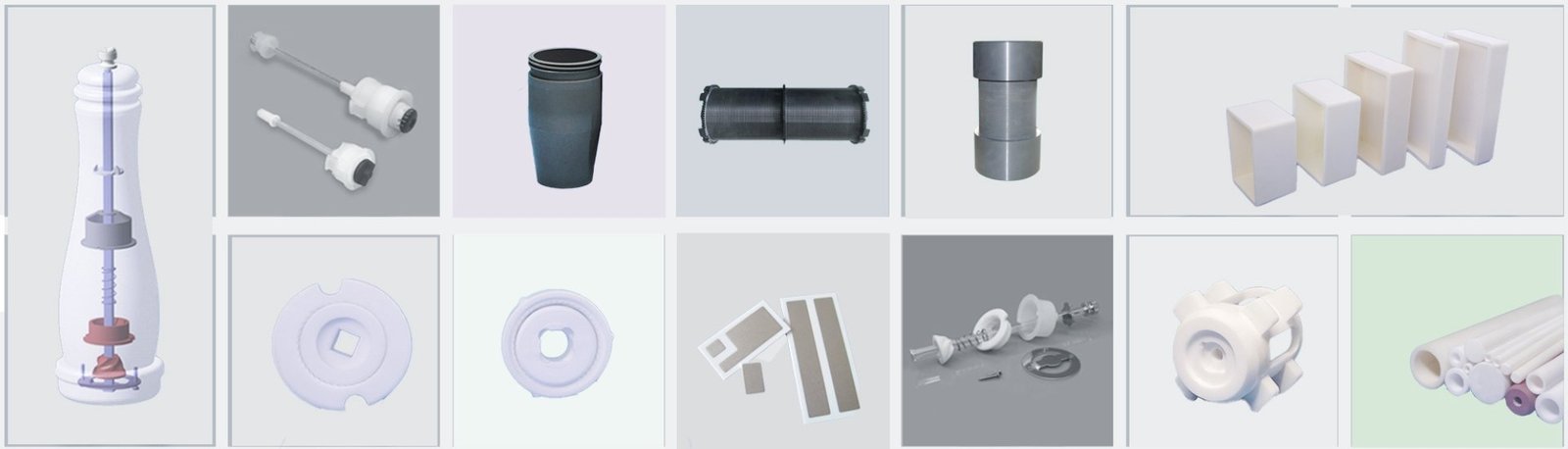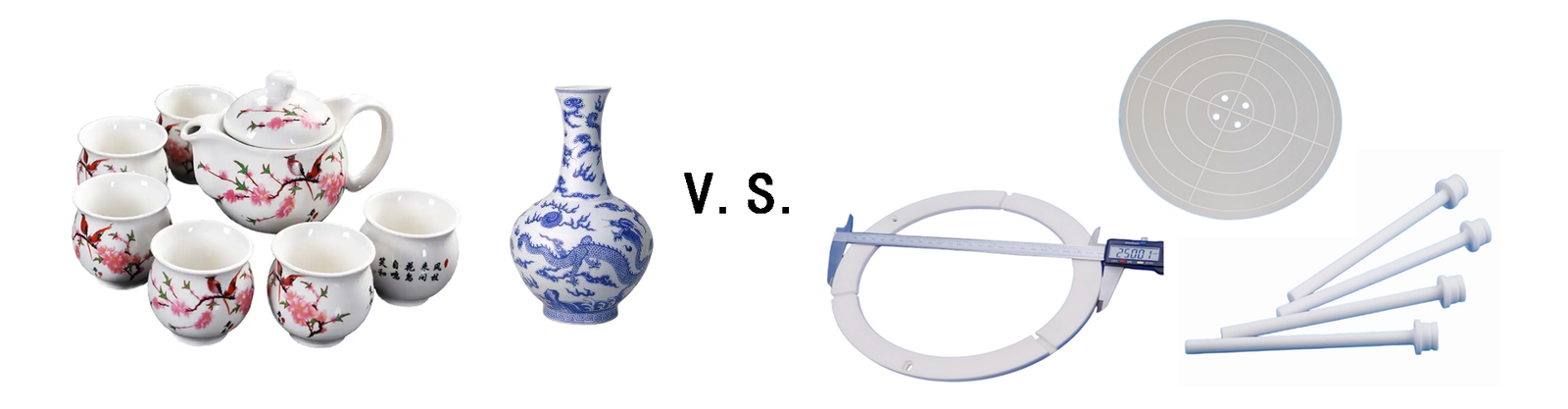


Introduction
In high-temperature manufacturing processes, We have often seen production issues that are not caused by furnaces or materials, but by supporting components such as setter plates. Cracking, warping, and contamination can directly affect product quality and production efficiency. This is why understanding alumina setter plates is critical for stable sintering processes.
What Are Alumina Setter Plates?
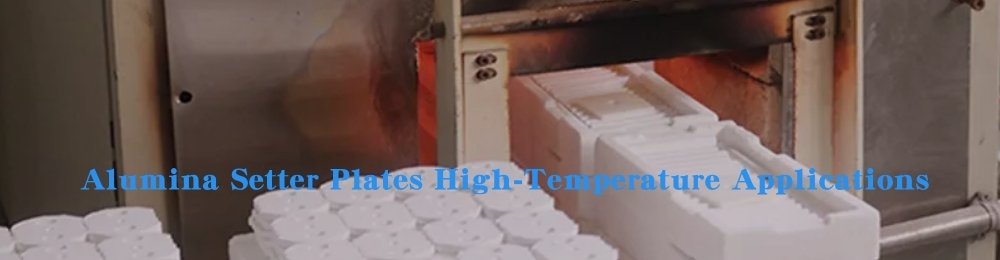
Alumina setter plates are high-temperature ceramic plates used in kilns to support products during sintering. They provide a stable platform that ensures uniform heating and maintains dimensional accuracy. These plates are widely used in industries such as electronics, powder metallurgy, and advanced materials.
Key Properties of Alumina Setter Plates
| Property | Function |
|---|---|
| High temperature resistance | Prevent deformation |
| Mechanical strength | Load-bearing capacity |
| Thermal shock resistance | Avoid cracking |
| Flatness | Ensure product consistency |
In our experience, flatness is often underestimated, but it directly affects product quality.
Applications in Industrial Sintering:
Alumina setter plates are used in various high-temperature processes.
- In electronic ceramics, they support components during firing.
- In powder metallurgy, they carry metal parts during sintering.
- In lithium battery materials, they are used in cathode material processing.
Design Guide for Alumina Setter Plates
Proper design is essential to avoid premature failure.
Design Considerations Table
| Design Factor | Risk | Recommendation |
|---|---|---|
| Thickness | Warping | Optimize thickness |
| Size | Cracking | Limit span |
| Edges | Stress concentration | Add chamfer |
| Support | Uneven load | Use uniform support |
Common Failure Modes of Setter Plates
Understanding failure is key to improving performance. We can ref the “failure analysis table“
| Failure | Cause | Solution |
|---|---|---|
| Cracking | Thermal shock | Controlled heating |
| Warping | Uneven load | Better support |
| Contamination | Chemical reaction | High purity alumina |
| Breakage | Mechanical impact | Proper handling |
Case Study: Reducing Cracking in Sintering Process
A customer experienced frequent cracking of setter plates during firing. After analysis, the main cause was rapid temperature change and insufficient plate thickness. By adjusting heating curves and redesigning the plate thickness, failure rates dropped significantly.
Alumina Purity and Its Impact
| Purity | Performance | Cost |
|---|---|---|
| 95% | Standard | Lower |
| 99% | High | Higher |
| Condition | Recommendation |
|---|---|
| High temperature | 99% alumina |
| General use | 95% alumina |
| Heavy load | Thicker plate |
Manufacturing and Quality Control
High-quality setter plates require precise manufacturing processes.
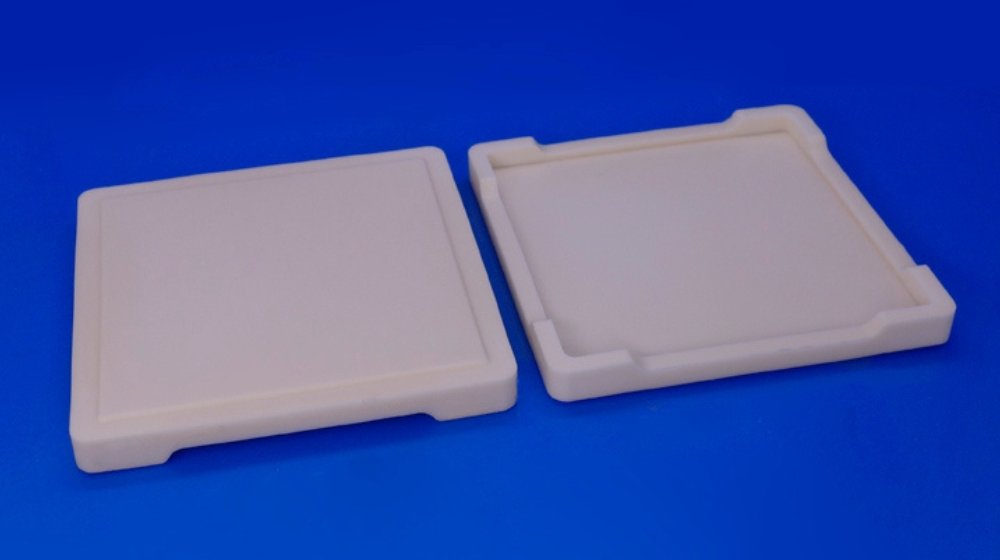
- Key steps include forming, sintering, and precision grinding.
- Surface finish and flatness must be strictly controlled.
FAQ Section
Q1:What is the function of a setter plate in a kiln?
A: A setter plate serves as a support platform during high-temperature processing. It ensures that products are evenly heated and remain dimensionally stable. Without a proper setter plate, products may deform or become contaminated. In many industrial processes, the setter plate directly affects final product quality and consistency.
Q2:Why do alumina setter plates crack?
A: Cracking is usually caused by thermal shock, uneven heating, or poor design. Rapid temperature changes create internal stress that exceeds the material strength. In some cases, improper support or excessive load can also lead to cracking. Proper design and controlled heating are essential to prevent this issue.
Q3:How long do alumina setter plates last?
A: The lifespan depends on operating conditions such as temperature, load, and thermal cycling. In well-controlled environments, high-quality alumina plates can last for hundreds of cycles. However, improper handling or extreme conditions may significantly shorten their life.
Conclusion
Alumina setter plates are essential components in high-temperature processing. By understanding their design, failure mechanisms, and selection criteria, manufacturers can significantly improve production stability and product quality.