


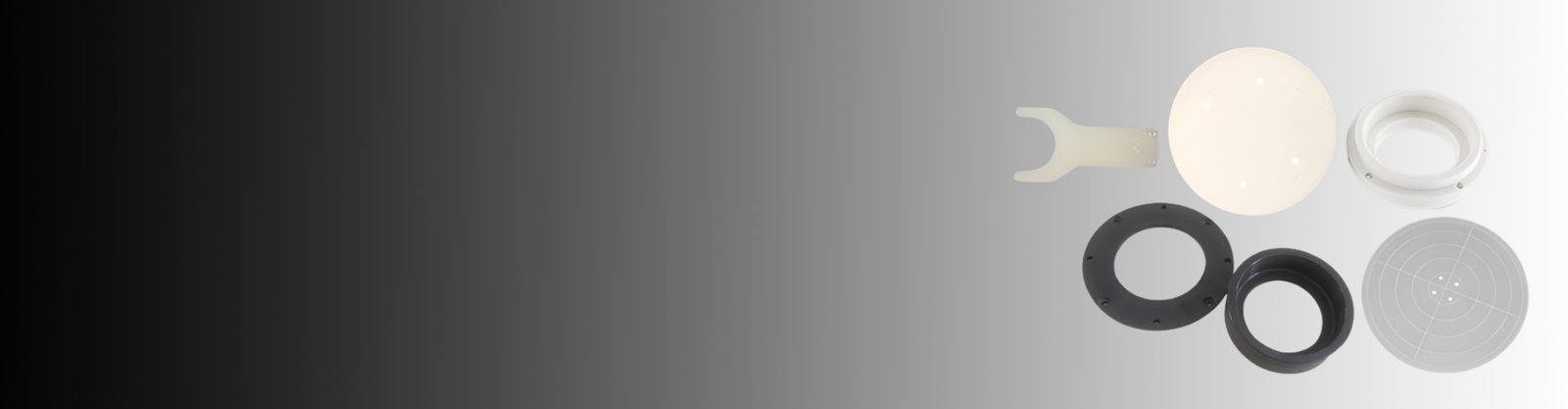
Stability and Reliability
Ceramic semiconductor materials exhibit unparalleled stability and reliability in the harsh environments of high temperature, high pressure, strong corrosion, and high voltage.
- Extreme thermal stability: It can maintain its shape, strength and insulation without degradation at extreme high temperatures.
- Strong corrosion resistance: It can withstand the erosion of highly corrosive plasmas and chemicals in the semiconductor manufacturing process.
- Excellent electrical insulation: It has extremely low electrical loss and extremely high insulation resistance.
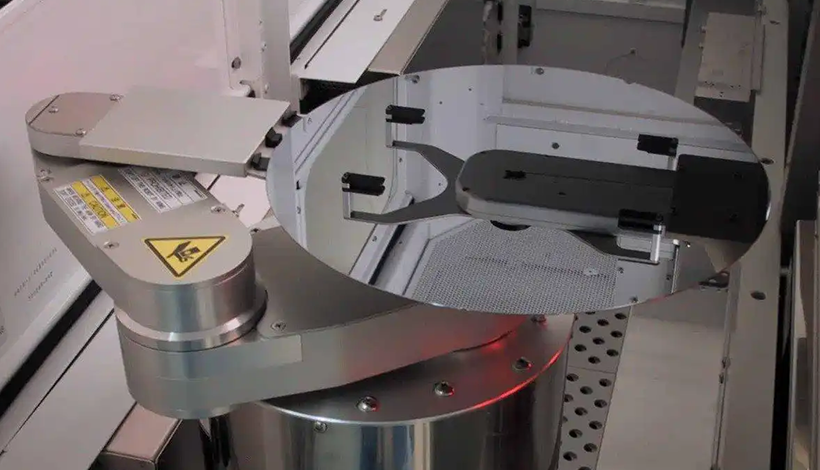
Trusted Semiconductor Ceramic Components Supplier
In semiconductor manufacturing, component failure is absolutely unacceptable. Contamination or instability in any part can compromise yield and cost you dearly. Our advanced ceramic components are engineered to perform reliably where it matters most.
We specialize in ceramic chamber liners, ceramic vacuum chucks, ceramic end effectors, and ceramic wafer carriers crafted from high-performance materials like Alumina, Aluminum Nitride, and Silicon Nitride. These components deliver exceptional thermal stability, superior plasma corrosion resistance, and ultimate electrical insulation, ensuring integrity in processes from CVD and etching to precision wafer handling.
As a focused manufacturer, we are committed not only to products but also to building reliable partnerships. Our rigorous quality control system is ISO 9001 certified, ensuring batch-to-batch consistency that protects your production line.
Contact us today to request material data sheets or discuss your specific application challenge.
Product By Applications
Our semiconductor ceramics are applied in wafer fabrication & process equipment, and wafer handling & transport.
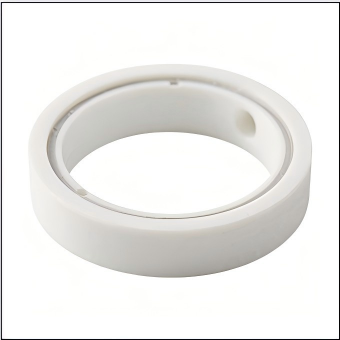
Defend your chamber with Al₂O₃ or AlN liners for maximum plasma resistance and uptime.
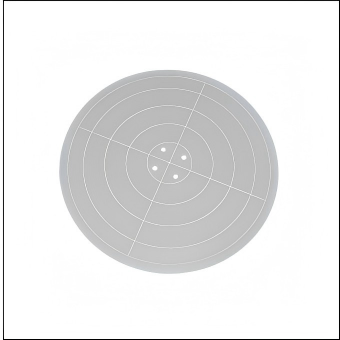
Achieve nano-level precision with our Al₂O₃, AlN or Si₃N₄ chucks for flatness and thermal control.
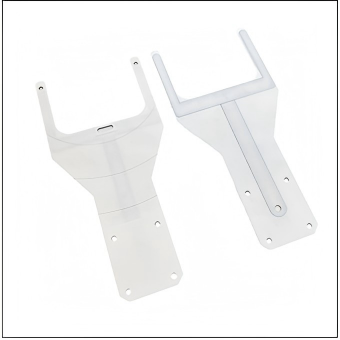
Ensure damage-free, static-safe, and ultra-clean wafer handling with Al₂O₃, AlN, or Si₃N₄ end effectors attached to robotic arms.
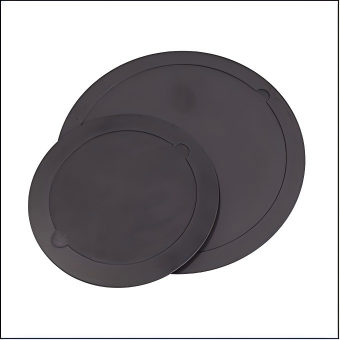
Ensure batch process purity and stability with high-purity Al₂O₃ or SiC wafer carriers.
How Semiconductor Ceramics Become the Key to Solving Micro-Contamination
Did you know that many yield losses in semiconductor manufacturing can be traced back to components within process chambers? Traditional metal materials release particles and ions, becoming invisible sources of contamination.
Semiconductor ceramics, with their ultimate purity and exceptional performance, provide a fundamental solution:
- Ultra-low metal contamination: High purity exceeding 99.6% ensures the components themselves do not become sources of impurities.
- Exceptional plasma etch resistance: Semiconductor ceramics maintain a smooth surface even under severe etching and CVD conditions, minimizing particle generation at the source.
- Inherent anti-static properties: Prevents static electricity from attracting airborne particles, safeguarding wafer cleanliness.
Selecting the right ceramic components is no longer a simple material substitution—it’s a strategic investment in your product yield and long-term reliability.
Looking for a supplier of semiconductor ceramic core components? Please feel free to contact us.
The core advantage of semiconductor ceramics lies in their inherent stability and purity.
1. Metals: Metals soften and oxidize at high temperatures, releasing metal ions that contaminate circuits. Semiconductor ceramics maintain strength and shape while remaining inert, fundamentally eliminating metal contamination.
2. Plastics/Polymers: Plastics cannot withstand high-temperature processes. Ceramics operate stably at hundreds or even thousands of degrees Celsius.
3. Quartz: While quartz also resists high temperatures, advanced ceramics like aluminum nitride and silicon carbide typically offer superior thermal conductivity and resistance to plasma corrosion.
The performance improvement is significant. Our aluminum nitride ceramics typically achieve thermal conductivities exceeding 170 W/(m·K), whereas high-purity alumina generally ranges from 24 to 30 W/(m·K). This means that aluminum nitride has a thermal conductivity 5 to 7 times that of alumina. In your applications, this translates directly to superior thermal management efficiency, significantly improved thermal uniformity, and greater support for high power density designs.
Yes, highly stable. This is precisely one of the core advantages of semiconductor ceramics. Unlike ordinary materials, our ceramics—such as high-purity alumina and aluminum nitride—are meticulously engineered and sintered to maintain their crystal structure integrity even at elevated temperatures. This ensures that their dielectric constant does not drift significantly and their loss factor remains at extremely low levels. Consequently, your high-frequency circuits or power devices can maintain signal integrity and efficiency even in high-temperature environments.
Yes, we offer professional ceramic-to-metal brazing services. We can perform high-strength hermetically sealed bonding of high-performance ceramics such as alumina with matching metals such as Kovar alloys. This service ensures the long-term reliability of components under harsh thermal cycling and vacuum environments, providing you with a complete, ready-to-use solution.
Compared to graphite, silicon carbide ceramic wafer carriers offer key advantages in terms of extreme purity and long-term stability.
1. Zero Contamination: Dense SiC ceramics themselves do not produce particles and, unlike porous graphite, do not adsorb process gases or cause cross-contamination.
2. Long Lifespan: Possessing hardness and plasma corrosion resistance far exceeding that of graphite, they show virtually no wear during long-term use, maintaining stable morphology and significantly extending their lifespan.
3. Excellent Thermal Conductivity: Providing superior thermal uniformity, ensuring consistent wafer growth quality.