


Key Takeaways
Ceramic components prevent metal contamination in food processing.
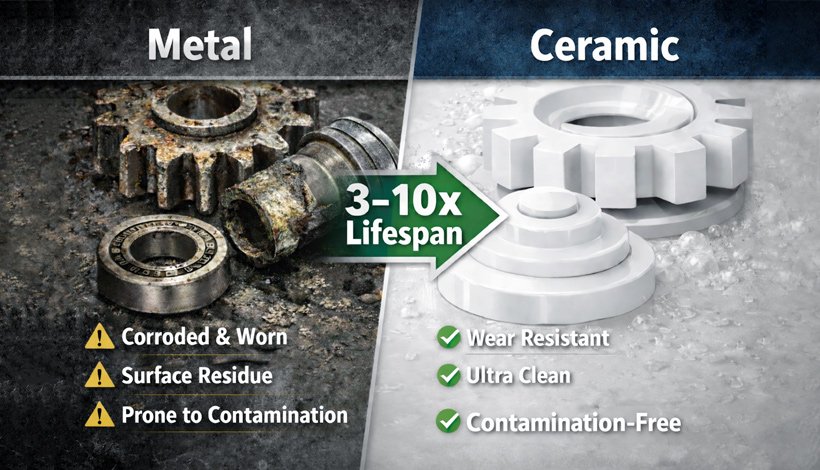
Service life is typically 3–10× longer than stainless steel
Perfect for grinding, dosing, pumps, valves and thermal systems.
Lowers maintenance, downtime and total cost of ownership (TCO).
What Are Food-Grade Ceramic Components?
Food-grade ceramic components are precision parts made from high-performance technical ceramics,
including alumina (Al₂O₃), zirconia (ZrO₂), and silicon nitride (Si₃N₄).
They are commonly used in food processing equipment due to their chemical stability, wear resistance, and clean, non-reactive surfaces.
Why Consider Replacing Stainless Steel?
In certain applications, stainless steel components may face the following challenges:
- Wear in grinding systems (e.g., salt, sugar, spices)
- Corrosion in acidic or high-salinity environments
- Risk of metal particle contamination
- Frequent maintenance and unplanned downtime
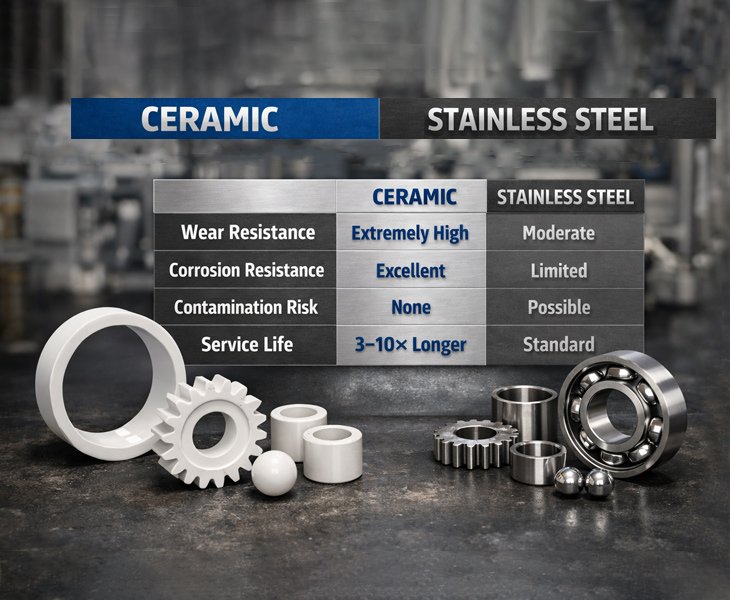
Ceramic vs Stainless Steel
| Property | Ceramic | Stainless Steel |
| Wear Resistance | Extremely high | Moderate |
| Corrosion Resistance | Excellent | Limited |
| Contamination Risk | None | Possible |
| Service Life | 3–10× longer | Standard |
Engineering Insight
Ceramics enhance durability, process stability, and hygiene compliance all at once.
Typical Applications
Ceramic components are widely used across key food processing systems where wear resistance, hygiene, and reliability are critical.
-
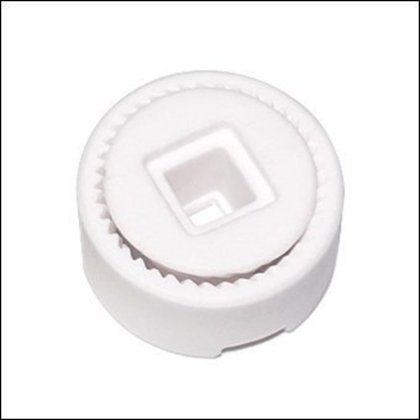
Ceramic: Ceramic burr/Coffee grinder burr
Used in: Coffee grinders /spice mills /salt grinders
Benefits: Stable particle size, low heat, long service life
-
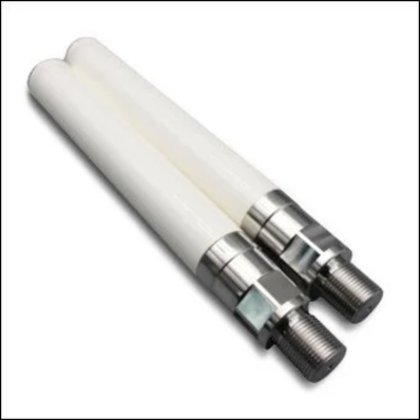
Ceramic: Ceramic plungers /dosing pistons
Used in: Liquid filling machines/Sauce and paste dosing systems
Benefits: High precision, smooth surface, good hygiene
-
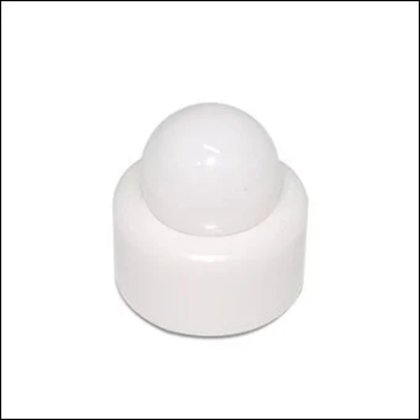
Ceramic: Valve seats /ceramic balls
Used in: Fluid transfer systems/CIP cleaning systems/Beverage processing
Benefits: Corrosion resistant, stable sealing, low leakage
-
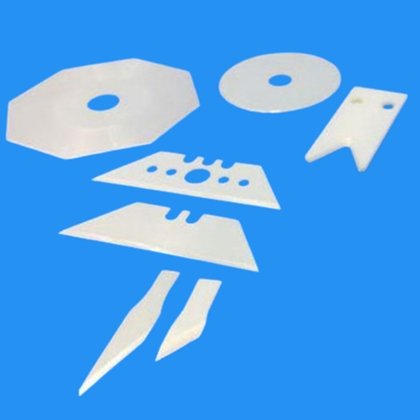
Ceramic: Ceramic blades
Used in: Meat processing/Vegetable cutting/Automated slicing lines
Benefits: Long-lasting sharpness, clean cutting
-
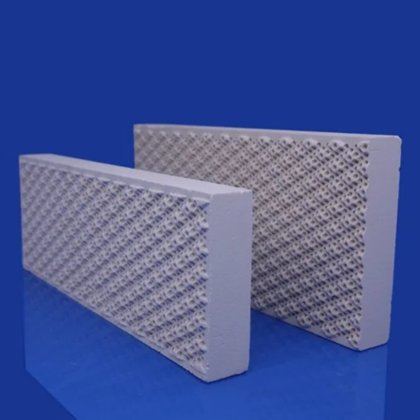
Cearmic: Infrared ceramic heater/Ceramic heating plate
Used in: Industrial ovens/Baking systems
Benefits: High temperature resistance/Thermal shock stability
-
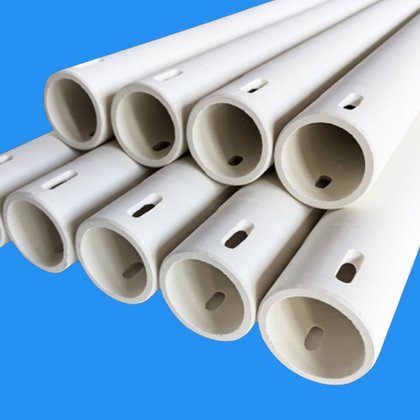 Food Processing Lines & Conveying Systems
Ceramic: Ceramic roller
Used in: Conveyor systems/Packaging lines
Benefits: Reduced wear/Stable operation/Low maintenance
ROI & Cost Advantage|Failure & Design Considerations
ROI & Cost Considerations
Switching to ceramics can help reduce overall operating costs, particularly in high-wear applications.
- Replacement interval: typically extended from 6–12 months to 2–3 years
- Downtime: can be reduced by around 30–50%
- Maintenance costs: often reduced by up to 40%
Engineering Insight
Although the upfront cost is higher, the total cost of ownership is often lower due to longer service intervals and reduced maintenance.
Failure & Design Considerations
Ceramic components can be highly reliable when the design is properly engineered.
- Minimize impact loading where possible
- Use appropriate mounting and support design
- Ensure proper tolerance matching with mating metal parts
Engineering Insight
In most cases, failures are related to design or application conditions rather than the material itself.
How to Choose the Right Material
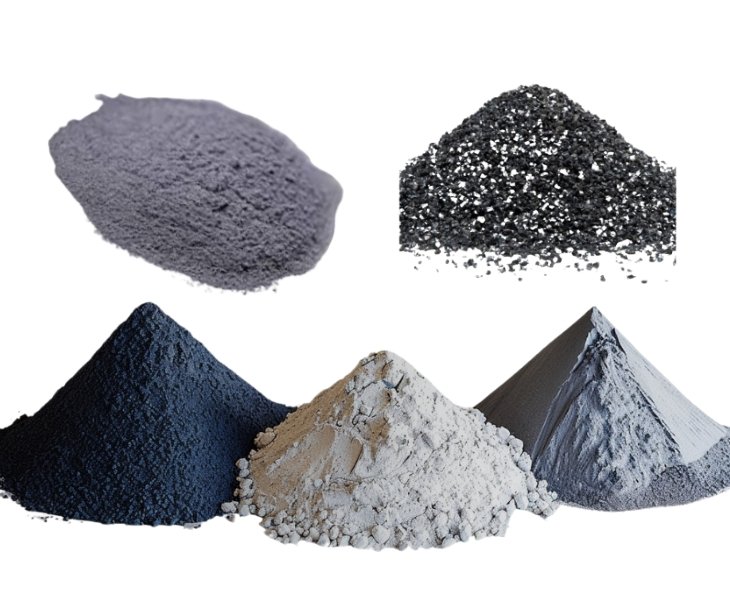
Ceramics used in food processing equipment typically include the following materials:
- Alumina (Al₂O₃): Cost-effective with good wear resistance
- Zirconia (ZrO₂): High strength and suitable for precision components
- Silicon Nitride (Si₃N₄): Good resistance to thermal shock
- Aluminum Nitride (AlN): High thermal conductivity
Material selection should be based on the specific application and required performance.
Case Studies
Spice Grinding System Upgrade
Before:
• Stainless steel burrs wore quickly
• Particle size inconsistent
After
• Replaced with high-purity alumina
Results
• 3–10× longer life; • Stable performance;
• Zero contamination;
Quality & Compliance
• FDA compliant materials
• EU Food Contact Compliance (EC 1935/2004)
• ISO 9001 Certified Manufacturing
• Material Traceability
• Controlled Surface Finish (Ra ≤ 0.4 μm)
Get Expert Support for Your Food Processing Application
Looking for reliable ceramic components for your food processing equipment?
Our engineering team works closely with OEMs and equipment manufacturers to deliver solutions that actually fit your application — not just standard parts.
We focus on helping you improve performance, extend service life, and reduce maintenance costs through precision-engineered ceramic components.
What you’ll get:
- Custom ceramic components built to your drawings or specifications
- Practical material selection advice based on real working conditions
- Fast and clear engineering communication
- Consistent quality with stable mass production capability
Simply send us your drawings or application details, and we’ll get back to you with a tailored solution within 24 hours.
Yes. High-purity ceramics are chemically inert and non-toxic, making them suitable for food-contact applications. They can meet FDA and EU compliance requirements and perform reliably in hygienic processing environments.
Engineering Insight
These materials are commonly used in OEM equipment where contamination control and product purity are key concerns.
Answer
In high-wear or corrosive environments, ceramics typically last longer than stainless steel. They also help reduce contamination risk and maintain more consistent performance over time.
Engineering Insight
Material selection should be based on actual operating conditions, including wear, media, and cleaning requirements.
Answer
Ceramic components often last significantly longer than metal parts—typically in the range of 3 to 10 times—especially in grinding or high-friction applications.
Engineering Insight
Actual service life depends on factors such as load, operating conditions, and component design.
Answer
Ceramics can be sensitive to impact, but they perform well under normal operating loads. With proper design and handling, they can deliver reliable performance in many industrial applications.
Engineering Insight
In practice, most failures are related to design or application conditions rather than the material itself.
Answer
Ceramic components are commonly used in grinding systems, dosing units, valves, cutting tools, and heating applications—especially where wear resistance, hygiene, and corrosion resistance are important.
Engineering Insight
They are often selected for OEM equipment when higher durability, cleaner processing, or longer service intervals are required.
Answer
Ceramics usually have a higher upfront cost, but they can reduce maintenance, downtime, and replacement frequency. Over time, this often results in a lower total cost of ownership.
Engineering Insight
The long-term value depends on operating conditions, but the return on investment is typically realized through longer service intervals and reduced system interruptions.