



Why Use Ceramics in Aerospace & Defense
Advanced ceramics play a critical role in aerospace and defense applications where extreme conditions such as high temperature, mechanical stress, corrosion, and electrical requirements must be managed simultaneously. Compared with traditional metals, advanced ceramic materials offer superior thermal stability, lightweight performance, and long-term reliability.
Advanced ceramics provide unique advantages that are essential for aerospace and defense applications:
- High Temperature Resistance – Stable above 1000–1500°C
- Lightweight – Reduces system weight and improves fuel efficiency
- Thermal Shock Resistance – Withstands rapid temperature changes
- Electrical Insulation – Critical for avionics and radar systems
- Wear & Corrosion Resistance – Extends service life in harsh environments
- Low Thermal Expansion – Ensures dimensional stability
At Jinghui Ceramic, we provide precision-engineered ceramic components for aerospace and defense systems, supporting demanding applications from engine components to electronic insulation.
Ceramic Materials for Aerospace Applications
-
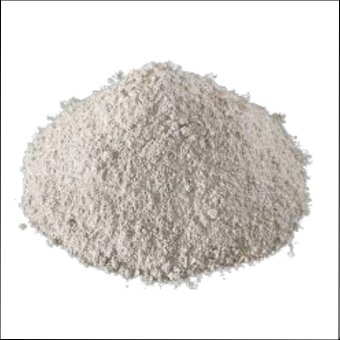
Widely used for electrical insulation and structural components.
Applications:
- Insulators
- Electronic housings
- Structural supports
-
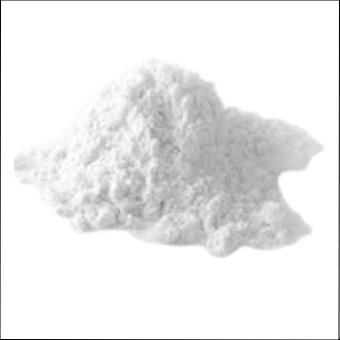
High strength and toughness for mechanical components.
Applications:
- Wear-resistant parts
- Structural components
-
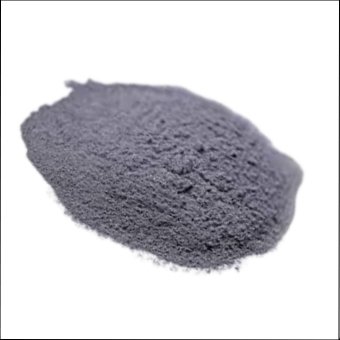
Excellent thermal shock resistance and high strength at elevated temperatures.
Applications:
- Bearings
- Turbine components
- Engine parts
-
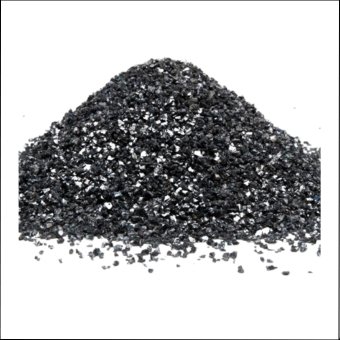
Outstanding high-temperature strength and oxidation resistance.
Applications:
- Thermal protection systems
- Engine components
-
High thermal conductivity for electronic systems.
Key Applications in Aerospace & Defense

Advanced ceramics are used in high-temperature sections of engines to improve efficiency and durability.
Typical components:
- Turbine blades
- Nozzles
- Combustion liners

Ceramics protect aerospace structures from extreme heat.
Examples:
- Heat shields
- Insulation tiles

- Insulating substrates
- RF components
- Sensor housings

- Lightweight ceramic parts
- Armor systems
- Protective housings

- Ballistic protection
- Radar-transparent materials
- Missile components
Resource for Application

- Ceramic tubes for thermal protection
- Ceramic plates for structural insulation
- Ceramic rings for sealing and positioning
- Ceramic insulators for electronic systems
- Ceramic bearings for high-speed systems

- Precision machining (CNC, grinding, polishing)
- Tight tolerance control (±0.01 mm or better)
- Complex geometry manufacturing
- High-temperature material processing

- ISO 9001 certified manufacturing
- Strict inspection process
- Material traceability
Challenges of Using Ceramics in Aerospace
- Brittleness compared to metals
- Complex machining and higher processing cost
- Design considerations for stress concentration
- Longer development cycles for critical components
Customization & Engineering Support
We provide customized solutions based on aerospace application requirements:
- Material selection guidance
- Structural optimization
- Prototype to mass production
Looking for reliable ceramic components for aerospace or defense applications?
Send us your drawings and get a quotation within 24 hours.
Ceramics offer high temperature resistance, lightweight properties, and long-term stability that metals cannot match.
Silicon nitride and silicon carbide are commonly used for extreme temperature environments.
In high-temperature and corrosive environments, ceramics outperform metals in durability and stability.
SiC offers higher temperature resistance, while Si3N4 provides better thermal shock resistance.
Higher speed, lower weight, and better wear resistance.