


Introduction for Power Electronics
Power electronics systems operate under high voltage, high current, and high thermal stress conditions. As power density continues to increase in applications such as electric vehicles, renewable energy, and industrial drives, efficient heat dissipation and electrical insulation become critical for system reliability.
Traditional materials struggle to meet these requirements, especially in compact and high-power designs.
Advanced ceramics provide a unique combination of high thermal conductivity, electrical insulation, and mechanical strength, making them essential in modern power electronics.
Key Takeaways:
- Ceramics enable both electrical insulation and efficient heat dissipation
- Widely used in ceramic substrates for power modules
- Improve system reliability and lifespan under thermal cycling
- Critical for EV, renewable energy, and high-power industrial systems
What Are Ceramic Substrates in Power Electronics?
Ceramic substrates act as the core platform in power modules, providing electrical insulation while conducting heat away from semiconductor devices such as IGBT, MOSFET, and SiC chips.
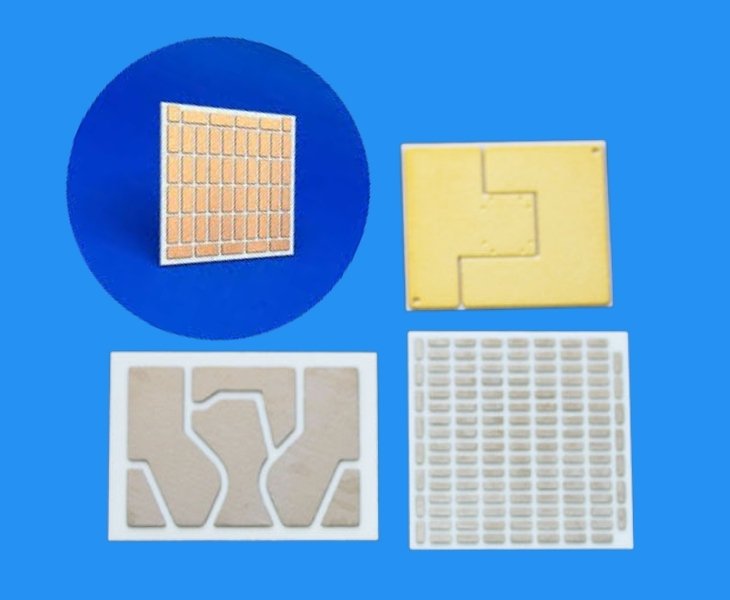
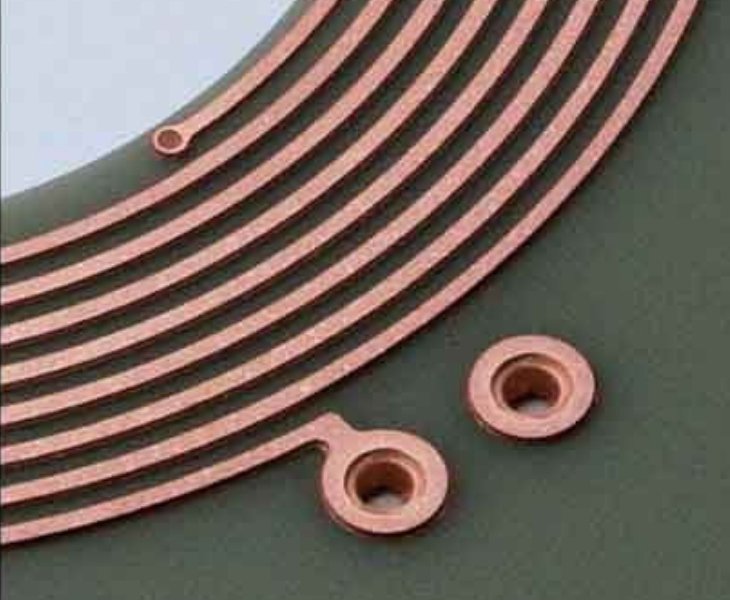
They are typically combined with copper layers to form high-performance structures such as DBC and AMB substrates.
Types of Ceramic Substrates :
DBC (Direct Bonded Copper) substrates are formed by directly bonding copper onto ceramic surfaces. They offer good thermal performance and are widely used in standard power modules.
AMB (Active Metal Brazing) substrates use active metal brazing to bond copper and ceramics, providing stronger bonding and better reliability under thermal stress.
DBC vs AMB Comparison
| Feature | DBC | AMB |
|---|---|---|
| Bonding Method | Direct copper bonding | Active metal brazing |
| Bond Strength | Medium | Very High |
| Thermal Cycling | Moderate | Excellent |
| Cost | Lower | Higher |
| Typical Material | Al₂O₃ / AlN | Si₃N₄ |
| Application | Standard modules | High reliability / EV |
Conclusion:
AMB substrates are preferred for high-reliability applications, while DBC remains widely used for cost-effective solutions.
Core Ceramic Materials
Alumina (Al₂O₃) is a cost-effective material with good insulation and moderate thermal conductivity. It is widely used in general-purpose power electronics.
Aluminum Nitride (AlN) offers very high thermal conductivity and excellent insulation, making it ideal for high-power and high-heat applications.
Silicon Nitride (Si₃N₄) provides superior mechanical strength and thermal shock resistance, making it suitable for high-reliability applications such as electric vehicles.
| Property | Al₂O₃ (Alumina) | AlN (Aluminum Nitride) | Si₃N₄ (Silicon Nitride) |
|---|---|---|---|
| Thermal Conductivity | 20–30 W/mK | 170–200 W/mK | 70–90 W/mK |
| Electrical Insulation | Excellent | Excellent | Excellent |
| Mechanical Strength | Medium | Medium | Very High |
| Thermal Shock Resistance | Low | Medium | Excellent |
| Cost | Low | High | High |
| Typical Use | General modules | High power | EV / high reliability |
Key Insight:
No single material is best for all applications—selection depends on thermal, mechanical, and cost requirements.
Typical Applications in Power Electronics
In power electronics, heat must be efficiently transferred through multiple layers:
Chip → Solder → Ceramic Substrate → Copper → Heat Sink
The ceramic substrate is the critical layer that determines overall thermal performance.

Ceramic substrates are used to support high-power switching devices and manage heat efficiently, ensuring stable operation under heavy load conditions.

Used in inverters, converters, and motor drives, ceramic substrates must withstand thermal cycling and vibration while maintaining reliability.

Solar and wind power systems require long-term stability and high efficiency, where ceramic substrates play a key role in heat management.

Used in UPS systems, welding machines, and high-frequency power supplies, ceramics improve durability and efficiency.
Key Performance Parameters
Thermal conductivity determines how efficiently heat is removed from the device.
Electrical insulation ensures safe operation under high voltage conditions.
Thermal expansion must match semiconductor materials to avoid stress and cracking.
Mechanical strength ensures resistance to thermal shock and mechanical stress.
Engineering Design Considerations
Thermal management is critical, requiring efficient heat flow from chip to substrate to heat sink.
Thermal cycling reliability must be considered, as repeated heating and cooling can cause material fatigue.
Bonding quality between ceramic and copper layers directly affects long-term performance.
Failure Mechanisms:
Common failures include delamination, thermal cracking, and solder fatigue. These failures are often caused by thermal stress, poor bonding, or mismatch in thermal expansion.
Manufacturing Capabilities
- High-temperature ceramic sintering
- Metallization and bonding (DBC / AMB)
- Precision machining and laser cutting
- Quality inspection and reliability testing
Industry Trends
The adoption of SiC and GaN devices is driving demand for higher thermal performance materials.
Power density continues to increase, requiring better heat management solutions.
Reliability requirements are becoming more stringent in EV and renewable energy sectors.
Advanced ceramics are essential for modern power electronics, enabling efficient thermal management, electrical insulation, and long-term reliability. We provide customized ceramic substrate solutions tailored to your application requirements.
Contact us today to discuss your project and optimize your power electronics performance.
DBC substrates use direct copper bonding and are widely used due to cost-effectiveness, while AMB substrates use active metal brazing to achieve stronger bonding and better reliability under thermal cycling, making them suitable for high-end applications.
Aluminum nitride offers very high thermal conductivity while maintaining excellent electrical insulation. This combination allows efficient heat dissipation without compromising safety, making it ideal for high-power and high-frequency applications.
Ceramic substrates improve reliability by efficiently dissipating heat, reducing thermal stress, and maintaining electrical insulation under harsh conditions. This helps prevent device failure and extends the lifespan of power modules.
Yes, ceramic substrates can be customized in terms of material, thickness, metallization pattern, and dimensions. Custom solutions are often developed based on specific power module designs and application requirements.